

Magnesium for Stress: Does It Actually Help?
Learn how magnesium may support stress relief, relaxation, and a healthy nervous system. Discover benefits, sources, and how to get enough magnesium.
 By WOWMD Staff

 Fact Checked
Advertiser Disclosure: WOWMD independently vets all recommended products. If you purchase a featured product, we may be compensated. Learn why you can trust us.


Introduction
If you're looking into magnesium for stress, you're on the right track. This essential mineral plays a major role in how your body responds to pressure and mental overload. Magnesium helps regulate cortisol levels, supports calming neurotransmitters like GABA, and activates the parasympathetic nervous system, which helps your body relax after stress.
Unfortunately, many adults don’t get enough magnesium, and chronic stress can make magnesium deficiency worse over time, creating a cycle that makes it harder to relax and recover. That’s why many people turn to calming supplements like magnesium for calm to support their nervous systems and stress responses.
WOWMD offers expert-recommended, science-backed magnesium supplements designed to support relaxation, mood balance, and overall wellness. In this guide, we’ll explain how magnesium and stress are connected, how magnesium works in the body, how to take it for stress relief, and how to choose the best magnesium supplement for calm and relaxation.
TL;DR
- Magnesium for stress helps calm the nervous system and regulate cortisol.
- Stress can lower magnesium levels, which can make stress feel worse.
- Magnesium glycinate and bisglycinate are the best forms for calm and relaxation.
- Take magnesium consistently to support sleep, mood, and stress response.
- Magnesium works best as a natural stress relief supplement alongside healthy lifestyle habits.
The Connection Between Magnesium Deficiency and Stress
The relationship between magnesium and stress works both ways: stress lowers magnesium levels, and low magnesium makes stress feel worse. Magnesium is involved in more than 300 biochemical reactions in the body, including those that regulate the nervous system, muscle relaxation, and the stress response.
“Magnesium controls more than 300 enzymatic processes and a good portion of them is involved directly with how we react to stress. In case of a drop in levels, your body’s stress control system, the hypothalamic-pituitary-adrenal axis, becomes overactive and cortisol remains too long than it should. High levels of cortisol subsequently lead to further depletion of magnesium hence the cycle continues to feed on itself with nothing to break the cycle,” as explained by Dr Olga Bachilo.
Research suggests that, when you experience stress, your body releases cortisol and other stress hormones, which increase magnesium loss through urine. Over time, this leads to chronic stress magnesium depletion, which reduces your ability to handle stress effectively.
This is where magnesium deficiency stress becomes important. When magnesium levels are low, the nervous system becomes more sensitive, making it harder to relax and easier to feel overwhelmed.
Symptoms like muscle tension, irritability, poor sleep, fatigue, and headaches are common in both stress and magnesium deficiency, which is why the connection is often overlooked. Low magnesium can also make it harder for the body to regulate cortisol properly, which may increase feelings of mental and physical tension during stressful periods.
According to the NIH Office of Dietary Supplements, many adults do not meet the recommended daily intake for magnesium, which may contribute to increased stress sensitivity. Modern diets, high caffeine intake, certain medications, and poor sleep can all contribute to low magnesium levels, even in people who believe they eat a healthy diet.
Supporting the magnesium nervous system connection through diet and magnesium supplements may help improve stress resilience, support relaxation, and help the body recover more effectively from daily stress.
Over time, restoring magnesium levels may help break the cycle between magnesium depletion and stress sensitivity, allowing the nervous system to function more calmly and efficiently. This improved regulation may also support better sleep quality and mood stability, which are both closely connected to how the body handles ongoing stress.
Advertisement


How Magnesium for Calming Works: The Science Behind the Relaxation Effect
Magnesium for calming works by regulating several important systems that control how your body responds to stress. One of the most important systems involved in the stress response is the HPA axis (hypothalamic-pituitary-adrenal axis), which controls how the body releases cortisol and other stress hormones.
“Not every magnesium supplement is absorbed in the same way and the form which you take will determine how well your body will absorb it and where it will go when it enters your system. Magnesium glycinate complexes magnesium with glycine, an amino acid which has its own calming effects and it is well absorbed without the digestive disturbances that magnesium oxide produces,” notes Dr Olga Bachilo.
The relationship between magnesium and cortisol is important because magnesium helps regulate cortisol production and supports a more balanced stress response, especially during periods of chronic stress.
Magnesium also plays a key role in supporting magnesium GABA activity. GABA is the brain’s primary inhibitory neurotransmitter, which means it helps calm the nervous system, slow down racing thoughts, and promote relaxation.
“Magnesium is known to act as a calcium channel blocker, preventing its excessive intake by neurons that could lead to hyperactivity. It activates GABA receptors in the brain, making this neurotransmitter more available and promoting calmness. Besides, it regulates the hypothalamic-pituitary-adrenal axis activity and reduces cortisol production in response to stress signals,” elaborates Jane Moon.
When magnesium levels are adequate, GABA receptors function more efficiently, which helps the brain transition from a stressed state into a calmer state. This is one of the main reasons magnesium is often used as part of stress relief supplements designed to support relaxation and mood balance.
Another important mechanism involves the NMDA receptor, which is responsible for stimulating brain activity. When NMDA receptors are overactivated, it can lead to feelings of anxiety, restlessness, and mental overstimulation.
Magnesium helps regulate and block excessive NMDA receptor activity, which supports a more balanced magnesium nervous system response and may reduce feelings of overstimulation during stressful situations.
Magnesium also helps activate the parasympathetic nervous system, often referred to as the “rest and digest” system. This system helps slow heart rate, relax muscles, support digestion, and promote a sense of calm in the body.
This is the opposite of the sympathetic nervous system, which controls the fight-or-flight response. By supporting parasympathetic activity, magnesium helps the body return to a relaxed state after stress.
Research suggests that magnesium supplementation may help reduce perceived stress and support mood balance, particularly in people who are not getting enough magnesium from their diet.
You can explore how magnesium lowers cortisol and supports the body’s stress response through its effects on the HPA axis and stress hormones. Magnesium supports the body’s stress response systems, but it should be used as part of a broader stress management routine rather than as a replacement for medical care.
How to Take Magnesium for Stress: Timing, Dosage, and Practical Tips
When using magnesium for stress, the most important factor is consistency. A common supplemental range is around 200–400 mg of elemental magnesium daily, though individual needs vary, and it’s important to consult your healthcare provider before starting supplementation.
“Jane Moon also recommends using 200-400 mg of elemental magnesium divided into 200 mg daily portions.”
Many people find that taking magnesium in the evening is especially helpful because it supports magnesium relaxation, helps calm the nervous system, and may improve sleep quality. Since stress and poor sleep are closely connected, improving sleep can also help the body manage stress more effectively the next day.
“Taking 200 mg of magnesium in the morning with breakfast and another 200 mg of magnesium in the evening, 30-60 minutes prior to going to bed,” advises Jane Moon.
Some people prefer splitting their magnesium dose between morning and evening to provide more consistent support for the nervous system throughout the day. This approach may be helpful for people who experience stress both during the day and at night.
“Start with 200 mg daily and gradually increase the dosage according to your needs until you see the desired effect with the smallest possible amount of magnesium,” suggests Jane Moon.
Magnesium can be taken with or without food, but taking it with food may reduce the chance of digestive discomfort, especially with forms like magnesium citrate. This magnesium calming routine works best when combined with healthy lifestyle habits such as deep breathing, regular exercise, limiting caffeine, and maintaining a consistent sleep schedule.
Magnesium comes in different formats, including capsules, powders, gummies, and topical options. For example, some people prefer calm magnesium powder in the evening, while others prefer magnesium gummies for convenience. Topical options like magnesium spray are also used for muscle tension and physical symptoms of stress.
Research suggests that magnesium works best when combined with healthy lifestyle habits such as deep breathing, regular exercise, reducing caffeine intake, and maintaining a consistent sleep schedule.
This is why magnesium is often considered a natural stress relief supplement that works best as part of a complete stress management routine rather than on its own. Over time, consistent use may support magnesium anxiety relief and help the body maintain a calmer baseline stress response.
Always consult your healthcare provider before starting magnesium, especially if you have kidney conditions or take medications. You can also learn more about when to take magnesium for anxiety.
Advertisement


Best Magnesium for Stress: Which Forms Actually Work?
When choosing a supplement, finding the right type of magnesium for calm is important because different forms of magnesium are absorbed differently and provide different benefits.
“Not every magnesium supplement is absorbed in the same way and the form which you take will determine how well your body will absorb it and where it will go when it enters your system. Magnesium glycinate complexes magnesium with glycine, an amino acid which has its own calming effects and it is well absorbed without the digestive disturbances that magnesium oxide produces,” clarifies Dr Olga Bachilo.
Many experts consider magnesium glycinate to be the best magnesium for anxiety because it is highly absorbable and contains glycine, an amino acid that supports relaxation and nervous system balance.
You can find it here: magnesium glycinate. Glycine also supports sleep quality and helps promote a calmer mental state, which makes this form especially useful for people dealing with ongoing stress.
Magnesium bisglycinate calm formulas are very similar and are also highly absorbable and gentle on the stomach. These chelated forms are often recommended for people looking for magnesium calming support. Learn more here: magnesium bisglycinate. Because these forms are well tolerated, they are often a good option for long-term use as part of a stress management routine.
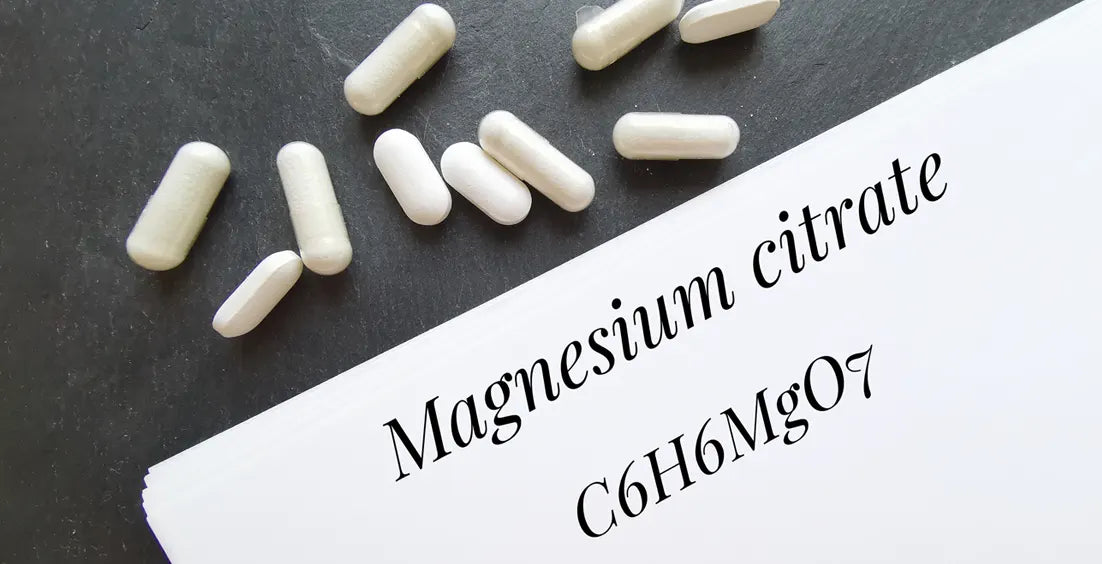
According to a research review, magnesium L-threonate may support cognitive function and brain health, especially for people who experience mental fatigue during stress. Magnesium citrate is widely available and has good absorption, but may have a mild laxative effect at higher doses, so it is usually taken in moderate amounts. Magnesium oxide has lower absorption and is generally less effective for stress support compared to chelated forms.
Some supplements combine magnesium with adaptogens for additional stress support. For example, combinations that include ashwagandha may help support the body’s stress response in multiple ways.
You can explore combination options here: ashwagandha and magnesium. For people who experience muscle tension and physical symptoms of stress, topical products like magnesium lotion may also help promote relaxation and physical comfort.
When choosing a magnesium supplement, look for chelated forms, clean ingredients, and third-party testing to ensure quality and effectiveness. The right form of magnesium can make a significant difference in how well it supports relaxation, sleep quality, and long-term stress resilience.
Pairing Magnesium with Other Stress-Support Tools
Magnesium works best when used as part of a broader stress management routine rather than as a single solution. Healthy lifestyle habits such as regular exercise, breathing exercises, good sleep hygiene, and reducing caffeine intake all help regulate the stress response and support nervous system health.
“Magnesium works perfectly with many strategies used for alleviating stress symptoms. It can be combined with B-complex vitamins, especially B6, as this vitamin is involved in magnesium metabolism and neurotransmitter synthesis,” adds Jane Moon.
When used consistently, magnesium for stress can be an effective natural stress relief supplement that supports long-term stress resilience and helps the body maintain a more balanced response to daily pressure.
Many people also combine magnesium with an adaptogen for stress, such as ashwagandha, because they work through different mechanisms. Adaptogens help regulate the HPA axis and support the body’s ability to adapt to stress, while magnesium supports GABA activity and nervous system relaxation.
This combination approach may provide more comprehensive support for both mental and physical stress symptoms. You can read more about how ashwagandha compares to magnesium for stress to understand how these supplements work differently.
Vitamins are another helpful addition because they support energy production and nervous system function, which may improve stress resilience when combined with magnesium. This combined approach supports overall magnesium calming and nervous system balance.
Magnesium is generally well tolerated, but very high doses may cause digestive discomfort. People with kidney disease or those taking medications should consult a healthcare provider before supplementing.
“Taking magnesium is usually safe for the average, healthy adult at the recommended daily intake of 310mg - 420mg based on your age and sex. The form in which you take magnesium can also be a factor in its safety, with some forms, specifically magnesium oxide and magnesium citrate at high doses, causing problems by pulling water into your bowel. This can cause cramping and diarrhea in some people,” points out Dr Olga Bachilo.
Advertisement


Supporting Your Stress Response with the Right Magnesium
In summary, magnesium for stress works by supporting cortisol regulation, improving GABA activity, and activating the parasympathetic nervous system to promote calm and relaxation. These mechanisms help the body respond to stress more effectively and support emotional balance over time.
Forms like magnesium glycinate and bisglycinate are often recommended because they are highly absorbable and contain glycine, which provides additional calming benefits and supports sleep quality.
Magnesium works best when taken consistently as part of a daily routine that includes healthy sleep, balanced nutrition, regular movement, and stress management habits. WOWMD offers science-backed magnesium supplements designed to support relaxation, mood balance, and overall wellness.
If you’re looking for a natural stress relief supplement and long-term magnesium relaxation support, choosing the right magnesium supplement can make a meaningful difference in how your body handles stress over time.
WOWMD provides high-quality options designed to support magnesium for calm and overall nervous system health. You can browse vitamins for stress and anxiety to find the right supplement for your daily routine and wellness goals.
Individual results may vary. Supplements are not intended to diagnose, treat, cure, or prevent any disease. Consult your healthcare provider before starting a new supplement regimen.
FAQs
Meet The Experts
- Dr Olga Bachilo,MD, FACS Female Plastic Surgeon at Glamour Plastic Surgery and Med Spa
- Jane Moon, Pharmacist & Director at Herba Health Inc
This article is for informational purposes only and is not a substitute for professional medical advice, diagnosis, or treatment. Statements made on this website have not been evaluated by the U.S. Food and Drug Administration. Always consult a qualified healthcare professional before making changes to your diet, supplements, medications, or healthcare routine.
Our Top Picks

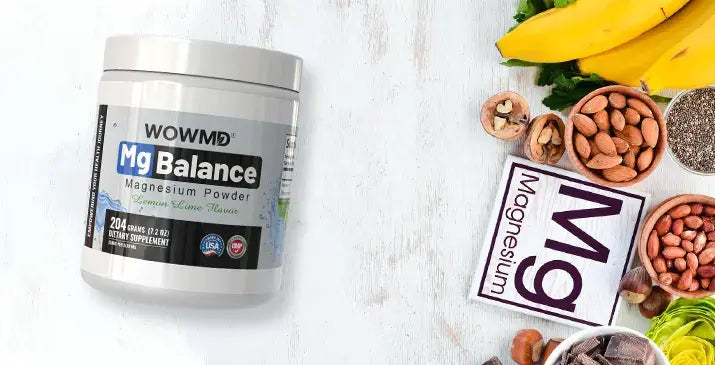
MgBalance Magnesium Powder

Anxiety Shield

Ashwagandha Extra Strength Formula

References
WOWMD follows strict sourcing guidelines to ensure the accuracy of its content, outlined in our editorial policy. We use only trustworthy sources, including peer-reviewed studies, qualified experts, and information from top institutions.


- NIH Office of Dietary Supplements — Magnesium Fact Sheet for Health Professionals — https://ods.od.nih.gov/factsheets/Magnesium-HealthProfessional/
- PubMed: Magnesium deficiency induces anxiety and HPA axis dysregulation: modulation by therapeutic drug treatment https://pubmed.ncbi.nlm.nih.gov/21835188/
- Magnesium and stress - NCBI Bookshelf https://www.ncbi.nlm.nih.gov/books/NBK507250/
- NMDA receptor - NCBI Bookshelf https://www.ncbi.nlm.nih.gov/books/NBK519495/
- The mechanisms of magnesium in sleep disorders https://doi.org/10.2147/nss.s552646
- Magnesium-L-threonate improves sleep quality and daytime functioning in adults with self-reported sleep problems: A randomized controlled trial https://doi.org/10.1016/j.sleepx.2024.100121