

Magnesium for PCOS: What Women Should Know
Learn how magnesium may support PCOS, including potential benefits for hormone balance, blood sugar, stress, and overall wellness.
 By WOWMD Staff

 Fact Checked
Advertiser Disclosure: WOWMD independently vets all recommended products. If you purchase a featured product, we may be compensated. Learn why you can trust us.


Magnesium for PCOS is one of the most commonly overlooked yet well-researched ways to support key symptoms of the condition.
Magnesium plays a role in improving insulin sensitivity, helping regulate stress hormones, easing menstrual discomfort, and supporting better sleep—all areas that are often disrupted in women with PCOS.
Research also suggests that women with PCOS are more likely to have low magnesium levels, which can make targeted support especially relevant.
Because PCOS is a complex condition, no single solution works in isolation—but magnesium can be a meaningful part of a broader approach.
“Magnesium can play a supportive role, particularly in patients with insulin resistance, which is very common in PCOS. It’s involved in glucose metabolism and insulin signaling, so low levels may contribute to poorer metabolic control”, says Dr. Damola Aje, Board-Certified Endocrinologist.
In this guide, we’ll break down the science behind magnesium and PCOS, explore which symptoms it may help support, compare the most effective forms, and explain how to choose a high-quality supplement.
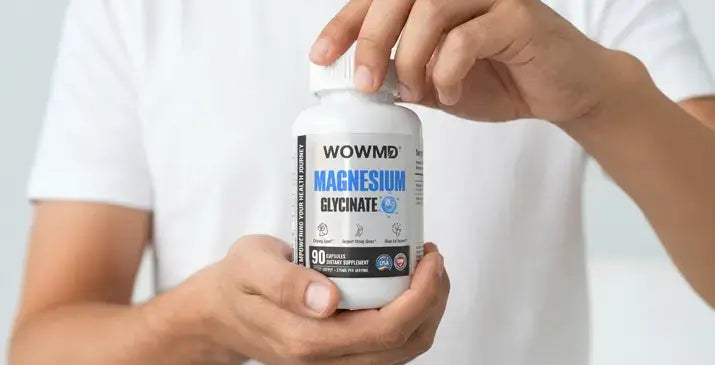
Brands like WOWMD offer expert-recommended, science-backed magnesium supplements designed to fit into your daily routine.
To understand how magnesium fits into PCOS management, it helps to start with why this mineral plays such an important role in the body.
TL;DR
- Magnesium supports blood sugar regulation, stress balance, sleep quality, and menstrual comfort in PCOS.
- Low magnesium levels are common in PCOS and may worsen fatigue, anxiety, and metabolic issues.
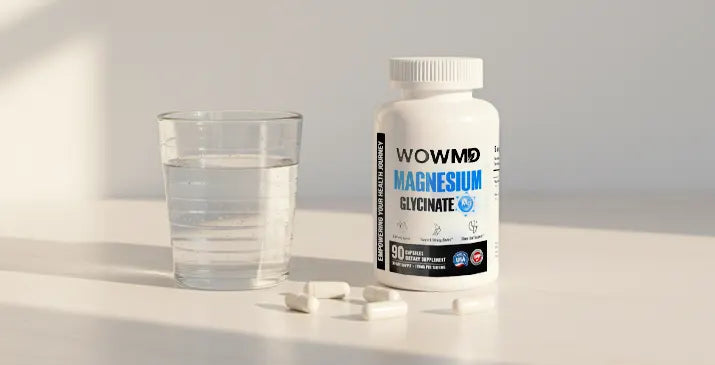
- Magnesium glycinate is a top choice due to its high absorption and calming effects.
- Taking magnesium consistently is more important than perfect timing.
- Lifestyle habits like sleep, nutrition, and stress management enhance its benefits.
- Magnesium works best as part of a broader PCOS management plan, not as a standalone solution.
Why Magnesium Matters If You Have PCOS
Magnesium for PCOS is an important consideration because this condition affects far more than reproductive health—it influences metabolism, hormones, and overall well-being. Polycystic Ovary Syndrome is one of the most common endocrine disorders in women of reproductive age.
According to a WHO 2026 Fact Sheet, PCOS affects an estimated 10–13% of women of reproductive age. Up to 70% of women with PCOS worldwide may not even know they have it.
Many people managing PCOS experience a range of challenges, from irregular cycles to fatigue and difficulty maintaining stable energy levels.
Research shows that women with PCOS often have lower magnesium levels compared to those without the condition.
Patterns linked to magnesium deficiency in PCOS suggest that this gap may contribute to worsening PCOS symptoms, including insulin resistance, inflammation, and increased stress levels.
“Magnesium is a cofactor in over 300 enzymatic reactions governing glucose uptake and insulin signalling,” says nutritionist Martin Elwood.
This connection is especially relevant because PCOS is not just a reproductive condition—it’s also deeply tied to metabolic and inflammatory processes.
For example, insulin resistance is a central feature of PCOS, and low magnesium levels may further disrupt how the body processes glucose. At the same time, magnesium supports the body’s stress response, which can influence hormonal balance and overall resilience.
According to the NIH Office of Dietary Supplements, many adults do not meet the recommended intake for magnesium. This dietary gap, combined with the metabolic stress often seen in PCOS, can make maintaining optimal levels more difficult.
If you have PCOS and feel constantly fatigued or overwhelmed, magnesium may be one piece of the puzzle. As part of a broader approach that may include targeted polycystic ovary syndrome supplements, addressing magnesium intake can help support the body’s natural balance.
For more on this connection, our guide to magnesium for hormone balance explores how this mineral supports endocrine health.
Advertisement


What Research Says About Magnesium and PCOS
Magnesium and Insulin Resistance in PCOS
A core feature of Polycystic Ovary Syndrome is insulin resistance, which affects a large percentage of women with the condition. Wondering about magnesium insulin resistance? Magnesium acts like a key that helps insulin do its job more effectively, supporting the pathways that allow cells to absorb glucose.
Dr Alexander Acosta explains,“Magnesium is a necessary cofactor for the activity of tyrosine kinase that insulin receptors require to work. Receptors cannot be activated in the absence of sufficient intracellular magnesium. The uptake of glucose in muscle tissue is inefficient no matter the amount of insulin produced in the pancreas.”
When magnesium levels are low, this process can become less efficient, contributing to elevated blood sugar levels. Emerging research suggests that magnesium supplementation may help support healthier insulin sensitivity markers in women with PCOS.
Dr Acosta adds, “Randomized trials of magnesium supplementation in PCOS populations indicate that 8 to 12 weeks of magnesium supplementation results in significant reductions in the fasting insulin and HOMA-IR scores.”
While it’s not a standalone solution, it can be a helpful part of a broader approach. If you’re exploring this further, our guide on magnesium for blood sugar explains this connection in more detail.
Magnesium, Inflammation, and Androgens
PCOS is also associated with chronic, low-grade inflammation, which plays a role in elevated androgen levels such as testosterone and DHEA.
Dr. Acosta says, “Magnesium is also a modulator of sex hormone-binding globulin production. The drop in levels results in increased free androgen which directly translates into irregular cycles, acne and excessive hair growth.”
Magnesium has been studied for its role as an anti-inflammatory supplement, helping support the body’s ability to regulate inflammatory responses.
“Magnesium acts as a natural antagonist to inflammatory pathways via inhibition of NF-kB signalling and reduction of CRP levels - relevant not just to metabolic function but to the inflammatory component of PCOS directly,” says nutritionist Martin Elwood.
Over time, reducing inflammation may support a healthier hormonal environment, particularly in relation to androgen levels. While responses vary, magnesium’s role in calming inflammatory pathways makes it a valuable supportive nutrient in managing PCOS-related imbalances.
Magnesium and Cortisol / Stress
Stress is another key factor in PCOS. A 2012 Narrative review says that many women with PCOS may experience dysregulation of the HPA axis and altered cortisol metabolism. This connection between cortisol and PCOS is important because cortisol interacts with metabolic pathways, including insulin signaling, and may contribute to insulin resistance and broader hormonal imbalance.
Looking into magnesium for anxiety relief? Magnesium helps regulate the nervous system by supporting calming neurotransmitters, which can promote a more balanced stress response.
Forms like magnesium glycinate are especially relevant here due to their calming properties. By supporting stress regulation, magnesium can contribute to a more stable hormonal environment.
PCOS Symptoms That Magnesium May Help Support
Living with Polycystic Ovary Syndrome (PCOS) often means dealing with multiple, overlapping challenges. Many common PCOS symptoms—from fatigue to mood swings—don’t exist in isolation, which is why magnesium for PCOS can feel especially relevant. While it’s not a cure, it may help support the body across several key areas, including stress response, sleep, and overall magnesium hormone balance.
For many women, menstrual discomfort is a major concern. Wondering whether magnesium for period cramps can help? Magnesium supports smooth muscle relaxation, which may ease the intensity of cramping. If this is something you experience regularly, our guide on magnesium for period cramps explores this in more detail.
Sleep is another common struggle. If you find it difficult to wind down at night, stress hormones may be playing a role. The connection between magnesium and sleep PCOS comes down to its ability to support calming pathways in the brain, including GABA activity and cortisol regulation. This makes it easier for the body to transition into a restful state.
Mood and stress are closely tied to both sleep and hormonal patterns. Looking for magnesium anxiety relief? Magnesium helps regulate the nervous system and supports a more balanced stress response, which may improve emotional stability over time. Many women with PCOS report feeling anxious or overwhelmed, and supporting these pathways can help create a more stable baseline.
Fatigue is another layer of the PCOS experience. Magnesium plays a key role in ATP production—the process your cells use to generate energy—so low levels may contribute to that constant “low energy” feeling. Some women also experience more frequent headaches, particularly those linked to hormonal fluctuations, where magnesium’s supportive role has been studied.
Because these PCOS symptoms are deeply interconnected, addressing one area often supports another. Magnesium works best as part of a broader approach that includes nutrition, movement, and stress management—helping the body move toward better balance over time.
Advertisement


Best Magnesium for PCOS: Which Form Should You Choose?
Magnesium Glycinate — The Top Choice for PCOS
When it comes to choosing the best magnesium for PCOS, magnesium glycinate is often the first recommendation—and for good reason.
“Glycinate: best choice for PCOS. Highly bioavailable, well-tolerated glycine component adds insulin-sensitising benefit,” says Martin Elwood.
This form supports multiple areas at once, including sleep, stress response, inflammation, and insulin sensitivity. The glycine component has its own calming and anti-inflammatory properties, making it especially helpful for women dealing with anxiety and poor sleep.
Looking into magnesium glycinate for pcos? One of its biggest advantages is its high magnesium bioavailability, meaning it’s well absorbed and gentle on the digestive system. This makes it ideal for consistent, long-term use.
Options like magnesium glycinate are commonly recommended for daily supplementation. To explore this further, you can explore the full benefits of magnesium glycinate.
Other Forms Worth Knowing
While glycinate is a strong choice, it’s not the only option. magnesium bisglycinate offers similar benefits, as it’s essentially the same chelated form with excellent absorption.
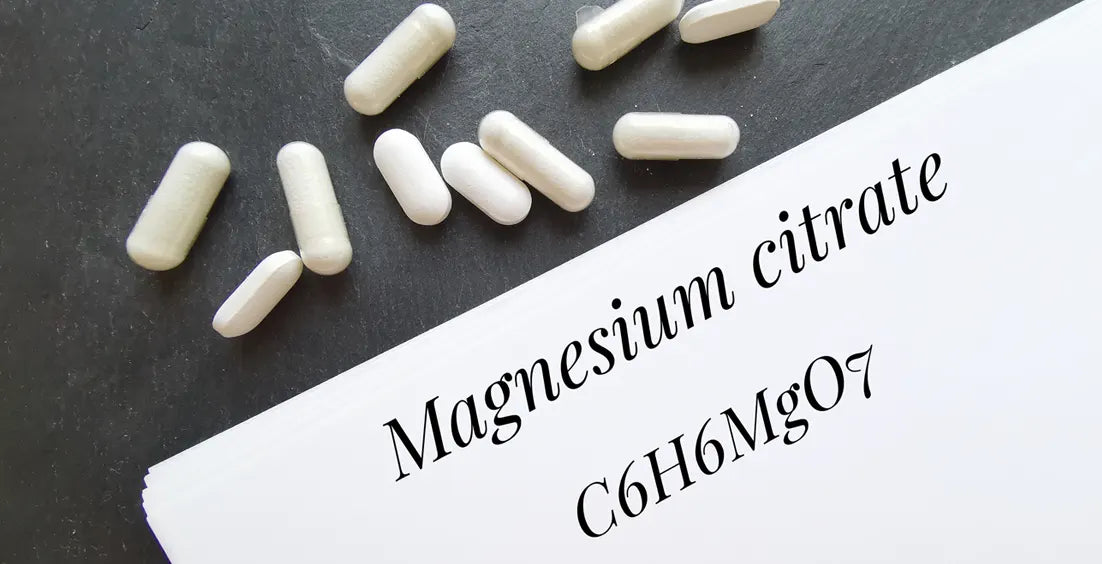
Magnesium citrate is another commonly used option with decent absorption, though its laxative effect may make it less ideal as a first choice for PCOS-specific needs.
Magnesium oxide is widely available and inexpensive, but its lower absorption makes it less effective for targeted support.
Magnesium threonate, on the other hand, is gaining attention for its potential role in mood and cognitive support—particularly for those experiencing brain fog.
Some people also combine magnesium with other nutrients. Wondering about inositol and magnesium for PCOS? This combination is often explored for its potential to support metabolic and hormonal balance, though individual responses can vary. Many of these fall under broader polycystic ovary syndrome supplements used in comprehensive routines.
Dosage Guidance
“Well tolerated up to 350mg elemental magnesium daily. For most women with PCOS, magnesium glycinate at 200-300mg elemental daily is the most practical starting point,” says nutritionist Martin Elwood.
Starting at the lower end and increasing gradually can help assess tolerance. Taking magnesium in the evening may support better sleep and nervous system recovery.
When choosing a supplement, look for well-absorbed options like chelated magnesium, along with third-party testing and clean ingredient profiles. As always, consult your healthcare provider for personalized guidance.
How to Take Magnesium for PCOS: Timing, Stacking & Lifestyle Tips
When using magnesium as part of your routine, consistency matters more than anything else. Many people find taking magnesium in the evening—about 30–60 minutes before bed—helps take advantage of its calming effect on the nervous system and supports better sleep. That said, consistency matters more than perfect timing, so the key is taking it daily in a way that fits your routine.
Magnesium is often combined with other nutrients for broader support. You might be wondering about magnesium and vitamin D—these two work closely together, as vitamin D depends on magnesium for proper activation in the body.
Options like magnesium and vitamin d can make this pairing more convenient. Magnesium is also commonly stacked with inositol and zinc as part of a wider approach to managing PCOS symptoms.
“A 2017 RCT in Gynaecological Endocrinology found magnesium and zinc co-supplementation significantly reduced insulin resistance, testosterone, and inflammatory markers in women with PCOS,” adds Martin Elwood. For women unable to meet their needs through diet alone, a quality magnesium and zinc supplement may help bridge the gap.
Diet and lifestyle play an important role too. Dr. Acosta says, “Patients that came in with blood sugar dysregulation, were all found to have dietary patterns that had been stripped of magnesium-rich foods.”
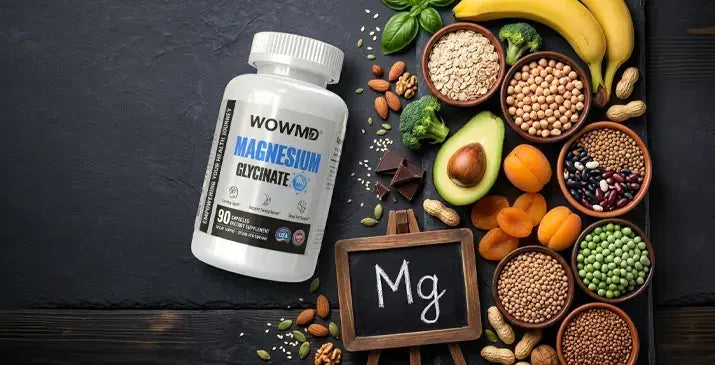
Including magnesium-rich foods — like leafy greens, seeds, nuts, and legumes—can support magnesium hormone balance alongside supplementation. Prioritizing sleep, managing stress, and maintaining balanced blood sugar levels all help amplify magnesium’s benefits.
For a deeper look at how magnesium fits into hormone support, you can read more about magnesium's broader role in hormone balance.
Regarding safety, Dr. Damola Aje says, “Magnesium is generally well tolerated, but higher doses can cause gastrointestinal side effects like diarrhea. It’s also important to use caution in patients with kidney disease.” Martin Elwood adds, “Separate from tetracyclines, fluoroquinolones, and bisphosphonates by at least two hours.”
As always, consult your healthcare provider before starting supplementation, especially if you take medications.
Advertisement


Supporting Your PCOS Journey with the Right Magnesium Supplement
Magnesium for PCOS can be a valuable addition to a broader wellness approach, especially since many women with PCOS are more likely to have low magnesium levels.
Supporting adequate intake may help with areas like insulin sensitivity, stress resilience, sleep quality, and menstrual comfort—key factors that often overlap in PCOS symptoms.
When choosing a supplement, magnesium glycinate is widely considered the best magnesium for PCOS due to its high absorption and calming properties. Its glycine component supports relaxation and makes it well-suited for daily use, particularly for those navigating stress and sleep challenges.
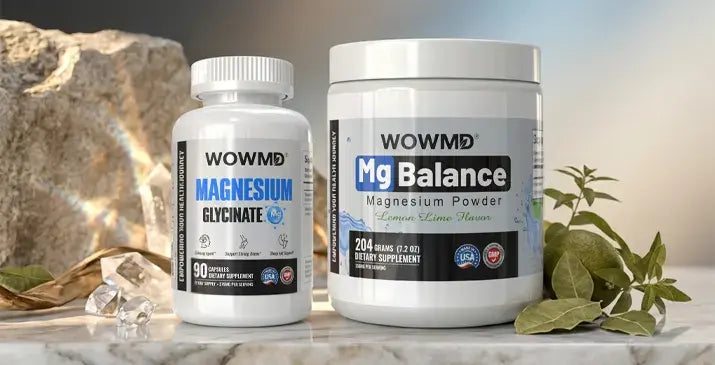
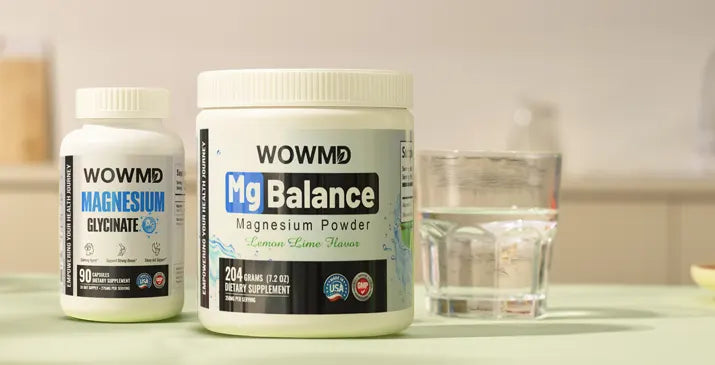
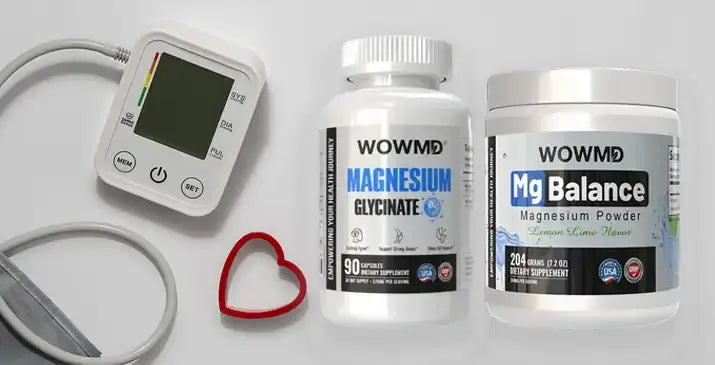
WOWMD offers expert-recommended, science-backed magnesium supplements made in the USA, designed to meet high standards for quality and consistency. If you’re ready to explore your options, you can browse our magnesium glycinate collection to find a format that fits your routine.
“Magnesium may support metabolic health in PCOS, but it’s not a substitute for addressing the root drivers like insulin resistance, lifestyle factors, and, when appropriate, medical therapy,” says Dr. Damola Aje.
Individual results may vary. Supplements are not intended to diagnose, treat, cure, or prevent any disease. Consult your healthcare provider before starting any new supplement regimen, especially if you have PCOS or related metabolic conditions.
FAQs
Meet the experts
- Dr. Damola Aje, Board-Certified Endocrinologist
- Martin Elwood, nutritionist holding a Level 5 Diploma in Diet and Nutrition
- Alexander Acosta, MD | Academic and Clinical Research | Medical Writer
This article is for informational purposes only and is not a substitute for professional medical advice, diagnosis, or treatment. Statements made on this website have not been evaluated by the U.S. Food and Drug Administration. Always consult a qualified healthcare professional before making changes to your diet, supplements, medications, or healthcare routine.
Our Top Picks

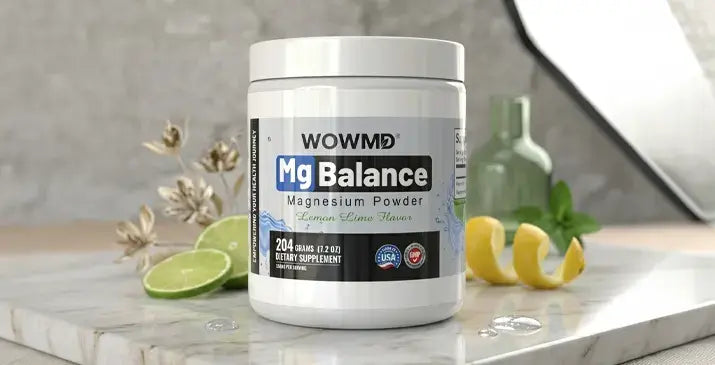
MgBalance Magnesium Powder

Myo D-Chiro Inositol


References
WOWMD follows strict sourcing guidelines to ensure the accuracy of its content, outlined in our editorial policy. We use only trustworthy sources, including peer-reviewed studies, qualified experts, and information from top institutions.


- Magnesium- Fact Sheet for Health Professionals https://ods.od.nih.gov/factsheets/Magnesium-HealthProfessional/
- Polycystic ovary syndrome https://www.who.int/news-room/fact-sheets/detail/polycystic-ovary-syndrome
- The Impact of Mineral Supplementation on Polycystic Ovarian Syndrome https://pmc.ncbi.nlm.nih.gov/articles/PMC9027569/
- Recognizing the Role of Insulin Resistance in Polycystic Ovary Syndrome: A Paradigm Shift from a Glucose-Centric Approach to an Insulin-Centric Model https://pmc.ncbi.nlm.nih.gov/articles/PMC12194245/
- The effect of magnesium alone or its combination with other supplements on the markers of inflammation, OS and metabolism in women with polycystic ovarian syndrome (PCOS): A systematic review https://pmc.ncbi.nlm.nih.gov/articles/PMC9389579/
- Effect of Magnesium Supplementation on Inflammatory Parameters: A Meta-Analysis of Randomized Controlled Trials https://pmc.ncbi.nlm.nih.gov/articles/PMC8838086/
- Magnesium and stress https://pmc.ncbi.nlm.nih.gov/articles/PMC8838086/
- The Effect of Magnesium Supplementation on Insulin Resistance and Metabolic Profiles in Women with Polycystic Ovary Syndrome: a Randomized Clinical Trial https://pubmed.ncbi.nlm.nih.gov/37393389/
- Cortisol and the polycystic ovary syndrome https://pubmed.ncbi.nlm.nih.gov/30780898/