

Magnesium for Brain Health: Understand the Key Benefits
Discover how magnesium supports brain health, including memory, mood, stress, and cognitive function. Learn about benefits, sources, and more.
 By WOWMD Staff

 Fact Checked
Advertiser Disclosure: WOWMD independently vets all recommended products. If you purchase a featured product, we may be compensated. Learn why you can trust us.


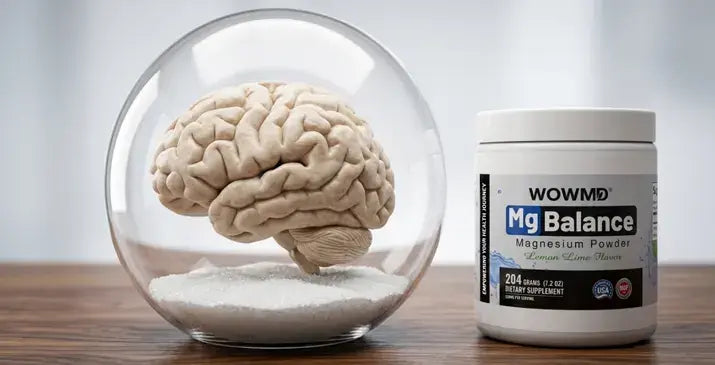
When it comes to magnesium for brain health, the research is more compelling than most people realize. But is magnesium really that important for your brain? Yes, magnesium is good for brain health. It supports memory, focus, mood, and long-term cognitive resilience by regulating key neurotransmitter systems and protecting neural tissue. In short, it’s one of the foundational nutrients the brain relies on to function optimally.
One reason this matters is that magnesium deficiency is surprisingly common, and it’s often associated with issues like brain fog, low mood, and reduced mental clarity over time. Many people experiencing symptoms such as magnesium deficiency brain fog may not realize that low magnesium intake is part of the problem.
In this guide, we’ll break down the science behind magnesium and brain function, compare the most effective forms, explore how much to take, and explain how to choose a high-quality supplement. Brands like WOWMD offer expert-recommended, science-backed magnesium supplements designed to support consistent results.
TL;DR
- Magnesium plays a key role in memory, focus, mood, and overall brain performance.
- Low magnesium levels are common and can contribute to brain fog, poor concentration, and stress.
- Magnesium L-threonate is often used for targeted brain support, while glycinate is a well-rounded option.
- Better sleep, reduced stress, and improved mental clarity are some of the main benefits.
- Most people benefit from 200–400 mg daily, depending on their needs and the form used.
- Consistency matters—regular use alongside healthy habits delivers the best results.
Why Magnesium Is Essential for Brain Function
Understanding the role of magnesium for brain function starts with how deeply this mineral is involved in the body’s core processes. Magnesium participates in over 300 enzymatic reactions, many of which directly influence the brain. From energy production to neurotransmitter regulation, it helps maintain the stability and efficiency of neural activity that supports everyday thinking, focus, and memory.
One of magnesium’s key roles is regulating the NMDA receptor, which plays a central role in learning, memory formation, and synaptic plasticity. Magnesium is often mentioned in nutrition discussions, but its impact on brain function is what makes the topic truly fascinating. Within the human brain is a receptor named NMDA (N-methyl-D-aspartate). Magnesium performs as a “key” for this receptor, explained by Dr. Wilfred van Gorp, ABPP Board-Certified Neuropsychologist. It also supports the activity of GABA, the brain’s primary calming neurotransmitter. Together, these systems are essential for maintaining balance between stimulation and relaxation—critical for attention, stress response, and sleep quality.
Despite its importance, magnesium intake is often inadequate, which raises questions like is magnesium good for men and whether specific groups are at higher risk. According to the NIH Office of Dietary Supplements, a large portion of the population does not meet the recommended intake.add lowest intake was found in men age 71 or older, adolescent males, and females
This gap is frequently associated with symptoms like magnesium deficiency brain fog, irritability, and difficulty concentrating, all of which can affect cognitive function over time.
Lack of magnesium can cause such symptoms as mental fog, difficulty concentrating, fatigue, and even depressed mood. I frequently observe such a condition, where there is mental slowness caused by a lack of magnesium in the body, says Dr. Michael Chichak, MD
The brain is especially sensitive to magnesium levels, yet modern diets—often low in whole, nutrient-dense foods—make it difficult to maintain optimal intake. As a result, magnesium is increasingly recognized among key neuroprotective minerals that support long-term brain resilience. For those not meeting their needs through diet alone, targeted magnesium supplements can help bridge that gap and support overall magnesium brain health.
Advertisement


What Research Reveals About Magnesium and Brain Health
When it comes to magnesium and brain health, research points to a strong connection between adequate magnesium levels and cognitive performance. Studies suggest that individuals with sufficient magnesium intake tend to show better memory, faster processing speed, and a lower risk of age-related cognitive decline. While results vary, these findings highlight magnesium’s role in supporting overall brain resilience.
A key area of interest is magnesium and neuroplasticity—the brain’s ability to adapt, learn, and form new connections. Magnesium helps maintain synaptic density in the hippocampus, a region critical for memory formation. Early research from the Massachusetts Institute of Technology has also explored how certain forms of magnesium may enhance these structural connections, supporting long-term cognitive function. A study published in MIT shows that magnesium regulates the NMDA brain receptor, critical for learning and memory, with a deficiency potentially causing cognitive decline.
Emerging evidence also links magnesium to the production of BDNF, a protein essential for neuron growth and survival. At the same time, magnesium plays a role in reducing chronic neural inflammation—often discussed in the context of brain inflammation magnesium support—since ongoing inflammation is associated with cognitive aging and mood-related challenges.
A recent study published in the European Journal of Nutrition (2023) found that dietary intake of magnesium was positively correlated with greater brain volumes in memory and learning areas of the brain in a study of over 6,000 adults. explained by Dr. Wilfred van Gorp, ABPP Board-Certified Neuropsychologist
Observational research further suggests a connection between low magnesium intake and increased dementia risk, though this relationship is associative rather than causal. Magnesium also supports sleep quality, which is essential for memory consolidation and the brain’s natural detoxification processes, including glymphatic system activity.
According to the review published in the American Journal of Therapeutics (2019), magnesium is essential for vitamin D metabolism in humans, and high-dose vitamin D can severely deplete magnesium. For those looking to support brain health more proactively, options like natural supplements for brain health can be considered alongside a balanced lifestyle.
It’s important to note that the benefits of magnesium for brain health tend to be most noticeable in individuals with lower baseline levels, while those already meeting their needs may experience more modest effects.
How Magnesium Supports Mood, Focus, and Brain-Restoring Sleep
Magnesium’s impact on the brain goes well beyond memory—it plays a central role in emotional balance, attention, and restorative sleep. When it comes to magnesium for mood, one of its key functions is regulating the HPA axis, the body’s primary stress response system. It also supports serotonin production, which influences emotional stability. Low magnesium levels are consistently linked to higher anxiety and stress reactivity, highlighting the connection between magnesium and anxiety in everyday mental health.
For focus, magnesium is not a stimulant, but it helps create a stable neurological environment by regulating GABA and balancing excitatory signals. This calming effect allows the brain to sustain attention without becoming overstimulated, supporting overall magnesium brain function in daily cognitive tasks.
Sleep is where magnesium’s benefits become even more apparent. Deep sleep is essential for cognitive recovery, as the brain clears metabolic waste through the glymphatic system during this time. Magnesium supports melatonin production and helps promote deeper sleep stages, strengthening the link between magnesium and sleep brain health.
The downstream effects are significant: better sleep supports sharper focus, balanced stress levels help reduce brain fog, and a calmer nervous system improves emotional regulation. If mental clarity is a concern, targeted options like supplements for brain fog may help, and we cover this in more detail in our guide to magnesium for brain fog.
It’s important to note that magnesium isn’t a stimulant—it supports the brain’s natural baseline rather than providing an artificial boost. This makes it a valuable part of a long-term approach to magnesium for brain health.
Advertisement


Which Form of Magnesium Is Best for Brain Health?
Choosing the best magnesium for brain health comes down to how well each form is absorbed and whether it can effectively support the brain itself.
Not all magnesium supplements work the same way, especially when it comes to brain function and cognitive performance.
Magnesium L-threonate stands out for brain-specific benefits. Research, including early work from Massachusetts Institute of Technology, suggests this form can cross the blood-brain barrier, a key factor in delivering nutrients directly to the brain. This concept—often discussed in the context of blood-brain barrier magnesium—helps explain why threonate has been linked to improved synaptic density and memory performance in preclinical studies. For those focused on magnesium threonate brain support, options like magnesium threonate are often considered the most targeted choice. note this study mentioned was done in rats therefore it will need to be studied more in humans to prove its efficacy
Magnesium glycinate is a strong all-around option. It offers high absorption, supports mood and sleep, and is gentle on digestion. While it may not target the brain as directly as threonate, it still contributes meaningfully to magnesium for memory and focus by improving overall magnesium status. Products like magnesium glycinate are often recommended when threonate isn’t available.
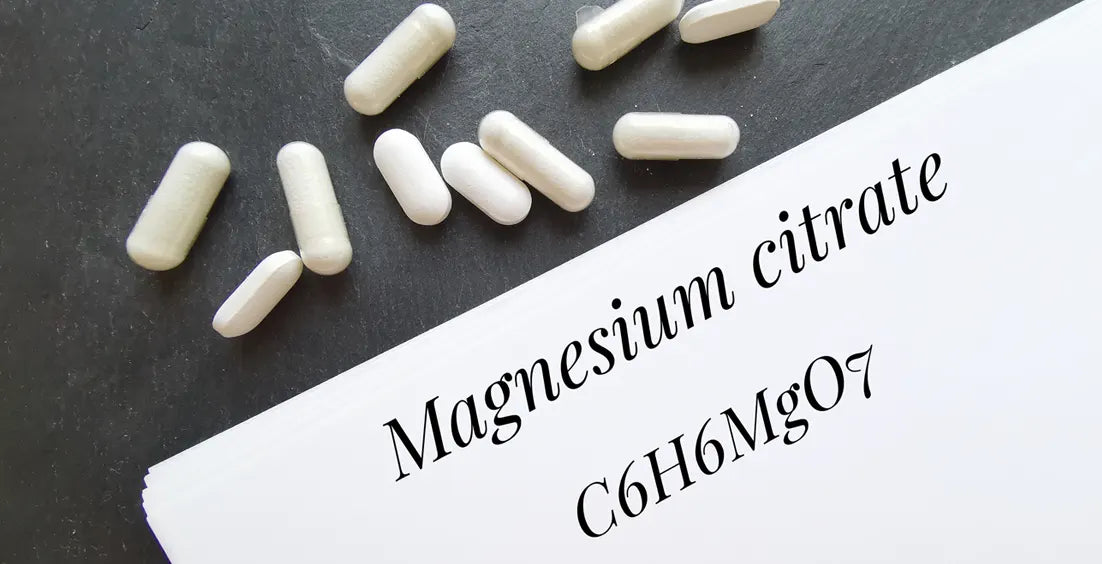
Magnesium citrate provides good general absorption and is widely available, though it is less targeted for brain delivery. Add a warning this this cause laxative effects In contrast, magnesium oxide has lower absorption and is not typically preferred for cognitive goals.
When comparing options, it’s also helpful to look for chelated magnesium forms, which are generally better absorbed. A quality supplement should clearly list elemental magnesium, be third-party tested, and avoid unnecessary additives. Brands like WOWMD focus on formulations designed to support both magnesium and brain health and overall wellness. For a full comparison, see our guide to types of magnesium supplements.
If you must take a magnesium supplement, you need to consider the different types and forms; for optimal brain-related effects, forms such as magnesium glycinate and magnesium threonate have been shown to be more effective than magnesium oxide. Explained by Dr. Wilfred van Gorp, ABPP Board-Certified Neuropsychologist
Magnesium Dosage and Timing Tips for Cognitive Support
Getting the most out of magnesium for brain health comes down to using the right amount consistently and fitting it into your daily routine. Most people benefit from a general range of 200–400 mg of elemental magnesium per day, though the exact amount can vary depending on the form. For example, magnesium L-threonate is often dosed at 1,500–2,000 mg of the compound, which provides a lower amount of elemental magnesium but is designed for targeted brain delivery.
For adults, the recommended daily intake of magnesium is approximately 310-420 mg; the upper limit from supplements is 350 mg/day unless otherwise specified by a physician, explains Dr.David Wolff, MD
Timing can also play a role. Many people prefer taking magnesium in the evening, as it supports relaxation and overnight recovery processes that benefit brain function. Others choose to split their intake between morning and evening to improve tolerance and maintain steady levels throughout the day.
Consistency matters more than perfect timing. Taking magnesium daily is what supports long-term benefits. Wondering about magnesium and cognitive function? Regular intake, especially alongside healthy habits, is what makes the biggest difference. Taking it with food can also help reduce digestive discomfort, particularly with forms like citrate.
If your goal is sharper attention and clearer thinking, you may also be asking about magnesium for memory and focus. In that case, supplementation works best as part of a broader routine that includes quality sleep, regular physical activity, and a balanced, anti-inflammatory diet.
Some people prefer combination products that include multiple forms of magnesium, such as magnesium complex, to support different aspects of brain health. If you're specifically targeting memory support, see our deep dive on magnesium for memory.
As always, consult your healthcare provider before starting supplementation, especially if you take medications or have underlying health conditions.
Advertisement


Start Supporting Your Brain Health with Magnesium
Best magnesium for brain health plays a foundational role in supporting memory, focus, mood, and long-term cognitive resilience. As one of the key neuroprotective minerals, magnesium helps maintain healthy brain signaling and supports overall magnesium and cognitive function over time.
When choosing a supplement, magnesium L-threonate stands out for its ability to support brain-specific pathways, while magnesium glycinate offers a highly effective and well-tolerated option for overall replenishment and daily cognitive support. Both forms can be valuable, depending on your goals and routine.
It’s also important to remember that supplements work best alongside healthy habits. Quality sleep, regular physical activity, and a nutrient-rich diet all contribute to better brain function and amplify magnesium’s benefits.
WOWMD offers expert-recommended, science-backed magnesium supplements made in the USA, designed to meet high standards for quality and bioavailability. If you’re looking to support memory more directly, you can explore options like vitamins for memory as part of your routine.
Individual results may vary. Consult your healthcare provider before starting any new supplement regimen.
FAQs
Meet The Experts
- Dr. Wilfred van Gorp, Clinical Neuropsychologist at Wilfred G. van GorP.
- Dr. Michael Chichak, MD General Practice Physician
- Dr. David Wolff, Board-Certified in Addiction Medicine and Psychiatry.
This article is for informational purposes only and is not a substitute for professional medical advice, diagnosis, or treatment. Statements made on this website have not been evaluated by the U.S. Food and Drug Administration. Always consult a qualified healthcare professional before making changes to your diet, supplements, medications, or healthcare routine.
Our Top Picks

Neuro Plus Brain & Focus Formula

Ginkgo Biloba

Saffron Extract

References
WOWMD follows strict sourcing guidelines to ensure the accuracy of its content, outlined in our editorial policy. We use only trustworthy sources, including peer-reviewed studies, qualified experts, and information from top institutions.


- Magnesium: Fact Sheet for Health Professionals https://ods.od.nih.gov/factsheets/Magnesium-HealthProfessional/
- Magnesium Supplementation in Vitamin D Deficiency https://pubmed.ncbi.nlm.nih.gov/28471760/
- Brain-derived neurotrophic factor and its clinical implications https://pmc.ncbi.nlm.nih.gov/articles/PMC4697050/
- MIT: Magnesium may reverse middle-age memory loss https://news.mit.edu/2004/magnesium
- Enhancement of Learning and Memory by Elevating Brain Magnesium https://dspace.mit.edu/handle/1721.1/96066
- Low Serum Magnesium is Associated with Incident Dementia in the ARIC-NCS Cohort https://pmc.ncbi.nlm.nih.gov/articles/PMC7600951/
- Magnesium and stress https://www.ncbi.nlm.nih.gov/books/NBK507250/