

Magnesium Glycinate for Sleep: Does It Actually Work?
Learn how magnesium glycinate may support better sleep, relaxation, and healthy sleep patterns, plus how to use it and what to consider.
 By WOWMD Staff

 Fact Checked
Advertiser Disclosure: WOWMD independently vets all recommended products. If you purchase a featured product, we may be compensated. Learn why you can trust us.


Can’t sleep or wake up tired? You’re not alone. Millions struggle with restless nights — magnesium glycinate could be the missing link. Here, we’ve compiled everything you need to know about WOWMD Magnesium Glycinate for improved sleep.
The gentle form of magnesium that supports better rest, a calm mind, and relaxed muscles. This gentle, non-hormonal supplement may help support better sleep, lower anxiety, and relax muscles — all while being kind to your gut.
Sleep is one of the most important parts of good health. But many people struggle to fall asleep or stay asleep through the night. This is problematic because, over time, poor sleep can negatively impact energy, mood, and focus.
That’s why more people are turning to supplements to help them rest better. And one practice that’s becoming increasingly popular is using magnesium glycinate for sleep. It’s a type of magnesium that’s easy to absorb and gentle on the stomach. It may help calm the mind, relax the muscles, and support deeper, more restful sleep.
But does magnesium glycinate help you sleep? And how’s it different from other sleep aids like melatonin?
In this article, we’ll take a closer look at magnesium glycinate, how it works, its benefits, and which magnesium is best for sleep. We’ll also share tips on how to take it and how much may be right for sleep support.
Let’s get right into it.
TL;DR – Why Magnesium Glycinate for Sleep?
- Gentle on the stomach and easily absorbed
- Supports GABA and nervous system function
- Best taken 1–2 hours before bed
- Ideal for anxiety, muscle relaxation, and deep rest
- Look for clean, vegan, and clinically tested formulas
What Is Magnesium Glycinate?
Magnesium glycinate is a form of magnesium combined with glycine (Ref), an amino acid that helps calm the body. This combination is known for being gentle on the stomach and more easily absorbed than other types of magnesium.
Your body requires magnesium for numerous essential functions (Ref). It helps support muscles, nerves, bones, and your heart. But some forms of magnesium, like magnesium oxide, can upset your stomach or cause loose stools. That’s why magnesium glycinate is often recommended for individuals seeking steady support without discomfort.
Magnesium glycinate is commonly used to support relaxation and sleep. Because it doesn’t act as a laxative, it’s a good choice for long-term use. It may also be helpful for people looking to use magnesium for anxiety and sleep, as both magnesium and glycine support a calm nervous system.
In short, this form offers strong benefits with fewer side effects, making it one of the top choices for sleep support.
Advertisement


How Does Magnesium Glycinate Help You Sleep Better?
Magnesium glycinate helps the body relax, allowing you to fall asleep more easily and stay asleep longer. It works by supporting GABA (Ref), a natural chemical in the brain that slows nerve activity. GABA signals to the brain that it’s time to rest, helping you feel calm and ready for sleep. With sufficient magnesium, GABA can perform its function more effectively.
This form of magnesium also includes glycine, an amino acid known for its calming effects. Glycine may help lower the body’s core temperature, which tells the brain it’s time to wind down. Together, magnesium and glycine support a state of calm that makes it easier to drift off and enjoy a deeper sleep.
Many people find that magnesium glycinate helps them relax at night without leaving them feeling groggy the next morning (Ref). Since it’s easily absorbed and gentle on the stomach, it can be used regularly as part of a natural sleep routine.
So, does magnesium glycinate help you sleep? Yes, it does. This form supports your body’s natural ability to rest by calming the mind, relaxing the muscles, and creating a more peaceful sleep environment.
Dr. Holly Lucille, ND (Naturopathic Doctor and Author of "Creating and Maintaining Balance"), says,
Magnesium glycinate is a powerful and gentle option for those seeking to improve their sleep. It helps calm the mind, reduce muscle tension, and support deeper, more restorative sleep without the unwanted side effects of other forms of magnesium.
What Are the Benefits of Magnesium Glycinate for Sleep?
Getting enough magnesium glycinate can make a significant difference in the quality of your sleep. It supports the body’s natural sleep process from multiple angles and may be especially beneficial for individuals who experience restlessness, tension, or a wired night.
- May Help You Fall Asleep Faster
- Help Promote Deeper, More Restful Sleep
- May Help Support Relaxation of Muscles
- May Help With Nighttime Anxiety
- May Work Without Hormones
Magnesium supports the brain’s production of calming chemicals like GABA. This can help quiet your thoughts and make it easier to fall asleep.
Once you’re asleep, magnesium helps maintain a steady sleep cycle (Ref). Many people notice they wake up less often and feel more refreshed in the morning.
Tight or tense muscles can keep you up at night. Magnesium helps muscles relax, which can ease body tension and support a smoother transition into sleep.
For people dealing with stress at night, magnesium for anxiety and sleep may offer relief. It supports the nervous system (Ref), helping you feel calmer and more at ease.
Unlike melatonin, magnesium doesn’t affect your hormones. That makes it a good choice for people who want a more natural option that supports long-term sleep health.
Magnesium Glycinate vs. Melatonin: Which is Better for Sleep?
Magnesium and melatonin are both popular for sleep, but they work in different ways. Melatonin is a hormone your body makes naturally to control your sleep-wake cycle (Ref). It helps signal that it’s time to sleep, especially in response to darkness.
Melatonin supplements can be helpful for addressing short-term sleep issues, such as jet lag or adjusting to a new time zone. But for some people, melatonin can cause side effects such as vivid dreams, grogginess, or headaches.
Magnesium, on the other hand, is a mineral your body needs for many basic functions. It helps relax muscles, calm the mind, and support steady brain activity during sleep. It doesn’t force your body to sleep. Instead, it helps create the right conditions for sleep to happen naturally.
Advertisement


Magnesium glycinate is often a better choice for people looking for long-term support. It's easy to tolerate and doesn't interfere with hormones. That’s why many people consider it the best magnesium for sleep, especially if they want a gentle, natural option that helps them relax without side effects.
Read more: Tips on How to Increase Deep Sleep
What Should You Look For in a Magnesium Glycinate Supplement?
Not all magnesium supplements work the same. Some are harder to absorb or may cause stomach issues. If you’re looking for the best magnesium glycinate for sleep, here are a few things to keep in mind:
- Choose the Right Form
- Look for Clean Ingredients
- Go for Tested and Transparent Brands
- Consider Special Diet Needs
- Check the Dose
Magnesium glycinate is one of the most recommended types for sleep. It absorbs well and is gentle on the stomach. Unlike other forms, it doesn’t act as a laxative.
Check the label. Avoid products with artificial flavors, added sugar, or unnecessary fillers. A good supplement should list clear, simple ingredients you can trust.
Pick brands that are third-party tested and openly share their ingredient sources and amounts. This helps you know exactly what you’re taking.
If you’re vegan or gluten-sensitive, look for a product that’s clearly marked as vegan, gluten-free, and free from common allergens.
For sleep, magnesium glycinate typically works effectively at doses of 200 to 400 mg per day. Therefore, look for a product that provides a clear and strong serving size.
When to Take Magnesium Glycinate for Sleep
Timing matters if you want to get the most out of your supplement. The best time to take magnesium glycinate for sleep is in the evening, about 1 to 2 hours before bed. This gives your body enough time to absorb the magnesium and start relaxing before you try to fall asleep.
Some people take it right after dinner, while others prefer taking it closer to bedtime with a small snack. Both ways can work. The key is to stay consistent. Taking it at the same time each night helps your body get into a steady rhythm.
It’s also important to take magnesium with water and food. This helps improve absorption and keeps your stomach comfortable. If you're wondering how many mg of magnesium glycinate for sleep is ideal, many people do well with 200 to 400 mg (Ref), but the right amount depends on your body and needs.
Discover more about using magnesium for insomnia, including the ideal time and dosage for quality sleep, in this engaging video demonstration by Dr. Mandell.
Combining Magnesium Glycinate with Lifestyle Practices
Magnesium glycinate can be a powerful ally for better sleep, but pairing it with healthy sleep habits can help you get the most out of it. Small changes to your evening routine can make a big difference in how quickly you fall asleep and how deeply you rest.
- Stick to a Consistent Sleep Schedule: Going to bed and waking up at the same time each day helps your body regulate its natural sleep-wake rhythm, making it easier to fall asleep at night and wake up feeling refreshed. (Ref)
- Limit Evening Screen Time: The blue light from phones, tablets, and computers can interfere with melatonin production, making it harder for your body to wind down. Try setting aside screens at least an hour before bed. (Ref)
- Create a Relaxing Evening Routine: Gentle activities like reading, meditation, stretching, or listening to calming music can signal to your body that it’s time to rest. Pairing these habits with magnesium supplementation can enhance relaxation and support deeper, more restorative sleep. (Ref)
By combining magnesium glycinate with thoughtful sleep hygiene, you create the ideal environment for your mind and body to relax, helping you drift off naturally and wake up feeling rejuvenated.
Why WOWMD Magnesium Glycinate Is Our Top Sleep Pick
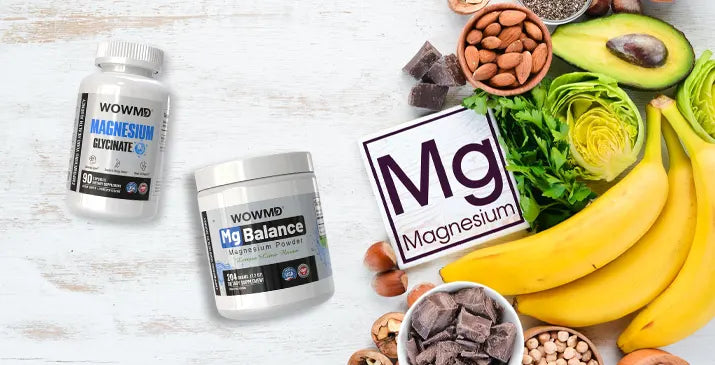
If you’re searching for a clean, effective, and easy-to-absorb supplement, WOWMD Magnesium Glycinate checks all the right boxes. It delivers 275 mg of high-absorption magnesium per serving (3 capsules), making it a reliable option for people looking to support better sleep, stress relief, and muscle relaxation.
Unlike some products that use lower-quality forms of magnesium, WOWMD uses pure magnesium glycinate. This form is known to be gentle on the stomach and well-tolerated, even for people with digestion issues. It also supports a calm mind and relaxed muscles, both of which are key for good sleep.
WOWMD Magnesium Glycinate is gluten-free, non-GMO, vegetarian, and contains no artificial additives. It’s designed for individuals who prioritize what they put into their bodies and seek a product they can trust.
If you’ve been asking which magnesium is best for sleep, this one is worth considering. It’s designed to support muscle relaxation, heart health, and stress relief, all while helping you sleep better at night.
Conclusion
Getting good sleep doesn’t have to be hard. Sometimes, the right supplement can make a big difference. Magnesium glycinate for sleep is a smart choice for people who want gentle, natural support without side effects. It helps calm the mind, relax the muscles, and support deeper sleep without feeling heavy or sedated.
Many people choose it over other sleep aids because it works in harmony with the body’s natural rhythms, rather than forcing sleep. It's also a good fit for those looking to use magnesium for anxiety and sleep, since it supports both stress relief and rest.
If you’re still wondering, does magnesium glycinate help you sleep? The answer is yes. It helps your body rest more easily, especially when used regularly.
Magnesium Glycinate is one of the best choices for supporting sleep naturally—without the grogginess or hormonal disruption of melatonin. Backed by science and trusted by those with sleep struggles, it helps your body relax and rest better.
If you're ready to wake up refreshed, WOWMD Magnesium Glycinate is a clean, effective supplement to support your sleep, mood, and muscle recovery.
Advertisement


FAQs
This article is for informational purposes only and is not a substitute for professional medical advice, diagnosis, or treatment. Statements made on this website have not been evaluated by the U.S. Food and Drug Administration. Always consult a qualified healthcare professional before making changes to your diet, supplements, medications, or healthcare routine.
Our Top Picks

Night Calm - Advanced Sleep Formula

MgBalance Magnesium Powder


References
WOWMD follows strict sourcing guidelines to ensure the accuracy of its content, outlined in our editorial policy. We use only trustworthy sources, including peer-reviewed studies, qualified experts, and information from top institutions.


- Glycine: The Smallest Anti-Inflammatory Micronutrient: https://pmc.ncbi.nlm.nih.gov/articles/PMC10379184/
- Magnesium: https://ods.od.nih.gov/factsheets/Magnesium-Consumer/
- GABA Receptor: https://www.ncbi.nlm.nih.gov/books/NBK526124/
- Association of magnesium intake with sleep duration and sleep quality: https://pmc.ncbi.nlm.nih.gov/articles/PMC8996025/
- The effect of magnesium supplementation on primary insomnia in elderly: https://pmc.ncbi.nlm.nih.gov/articles/PMC3703169/
- Magnesium Status and Stress: https://pmc.ncbi.nlm.nih.gov/articles/PMC7761127/#sec8-nutrients-12-03672
- Melatonin: https://www.ncbi.nlm.nih.gov/books/NBK534823/