

Magnesium for Athletes: Why It Matters and How to Choose
Learn how magnesium supports athletic performance, muscle recovery, energy, and sleep. Discover the best forms, dosage, and timing for athletes.
 By WOWMD Staff

 Fact Checked
Advertiser Disclosure: WOWMD independently vets all recommended products. If you purchase a featured product, we may be compensated. Learn why you can trust us.


Introduction
Magnesium for athletes is one of the most essential and commonly depleted minerals for active individuals. Intense physical activity significantly increases the body’s demand for magnesium while also accelerating its loss through sweat and urine. As a result, athletes are at greater risk of deficiency.
When magnesium levels are not properly maintained, they can lead to reduced energy production, slower muscle recovery, and a higher risk of cramps and muscle spasms that may disrupt consistent training.
Maintaining optimal magnesium levels can support stamina, improve recovery, and promote more consistent athletic performance. Targeted supplementation can play a valuable role as part of a well-rounded training program. WOWMD offers science-backed, expert-recommended magnesium supplements designed to support performance and recovery for active individuals.
This guide explains why athletes may need more magnesium, how it supports performance, how to supplement effectively, and which forms are best suited for athletic needs.
TL;DR
- Magnesium supplements may support energy production, muscle function, and recovery, key factors in athletic training and performance.
- Athletes are at a higher risk of magnesium deficiency due to losses through sweat and increased demands during intense exercise.
- Maintaining adequate magnesium levels helps support electrolyte balance, reduce the risk of muscle cramps, and promote recovery.
- Highly absorbable forms, such as magnesium glycinate, are often recommended to support muscle recovery and improve sleep quality.
- Proper hydration, nutrition, and sleep remain essential for optimizing athletic performance and recovery.
Why Athletes Are at Higher Risk of Magnesium Deficiency
Magnesium for athletes becomes especially important when you consider how quickly active bodies use and lose this essential mineral. One of the main drivers of magnesium deficiency in athletes is sweat. And science backs this up: The more you train, especially during endurance sessions or high-intensity workouts, the more magnesium you lose, which can disrupt electrolyte balance and affect muscle function.
“Athletes may have a higher risk of magnesium deficiency since the loss of the mineral happens twice - during intense sweating and high levels of urine excretion following strenuous activities. To top this, the requirement for magnesium increases in the case of physical activity because the body needs more magnesium due to enhanced metabolism,” explains Jane Moon.
It’s not just sweat, either. The intense training may also increase the amount of magnesium you lose in the urine. So, the more your body needs magnesium for performance, the faster it loses it. The NIH Office of Dietary Supplements notes that many individuals do not get enough magnesium from their diet, and athletes may require even more due to the physical stress they place on their bodies.
Once your magnesium levels start to drop, you may begin to notice early signs such as muscle cramps, increased fatigue, or poor sleep quality. And research backs this up. In the long run, it even has an impact on your performance and recovery. Many athletes, especially those who train hard or sweat heavily, are already familiar with the link between magnesium and muscle cramps.
Even with a good diet, it can be hard to meet your magnesium needs because of busy schedules and reliance on convenience foods. That is why many athletes turn to supplementation to fill the gap.
If you’re dealing with soreness or cramping, targeted support like magnesium for muscle pain can help. And if you're unsure whether you're running low, our guide to magnesium deficiency signs covers the warning signals to watch for.
Advertisement


How Magnesium Supports Energy, Endurance, and Muscle Function
Magnesium for athletic performance plays a direct and essential role in how your body produces energy, contracts muscles, and sustains endurance during training. At the center of this process, magnesium is required to activate ATP.
ATP (adenosine triphosphate) is the body’s primary energy currency involved in muscle contraction, and magnesium is required for it to function properly. As research published on the National Institutes of Health confirms, A lack of sufficient magnesium can impair ATP function, which may reduce power output, endurance, and overall training capacity.
As magnesium is essential for ATP activation, the lack of the mineral causes inefficient processes related to energy metabolism, meaning that magnesium-deficient athletes will require more oxygen consumption while performing the same actions. Also, magnesium and calcium regulate muscle contractions, and magnesium deficiency results in twitching and cramps,” points out Jane Moon.
Magnesium also supports protein synthesis, a key biological process that helps muscles repair and rebuild after exercise. Research published in the International Journal of Molecular Sciences has taken a closer look at this connection, and the findings are hard to ignore. It also supports ribosome function, which plays a role in muscle tissue repair and may be especially beneficial for strength athletes and those focused on steady performance gains.
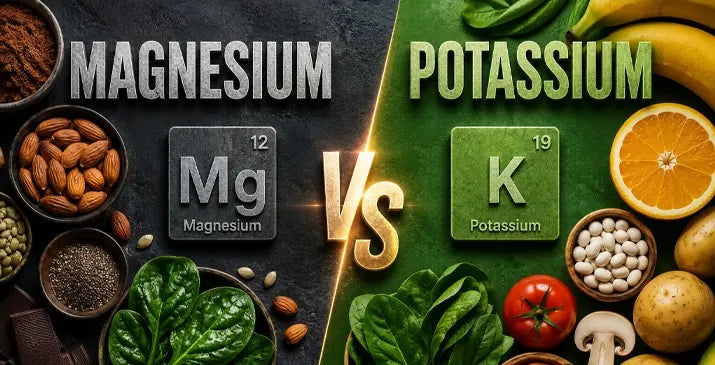
Another important role of magnesium is helping maintain electrolyte balance. Along with sodium, potassium, and calcium, it works to regulate muscle contractions and nerve impulses.
“Magnesium is an electrolyte, meaning it facilitates the movement of water throughout the body. Water can diffuse across cell membranes itself, but electrolytes give it that extra push either in or out. Electrolyte deficiency is why you can drink a lot of water but still be dehydrated. You are only truly hydrated when your cells have enough water in them,” elaborates Dr. Jason Winkelmann.
This coordination can help prevent cramping and support smooth, efficient movement, which is especially important for endurance athletes during long or high-volume exercise.
Magnesium may also support oxygen delivery by improving circulation and helping blood vessels relax. Better circulation helps working muscles receive oxygen and nutrients more efficiently, which may improve stamina during longer sessions.
“The blood tests that are commonly used to measure magnesium in the blood do not measure magnesium in the muscle cells where it is active. Only a small fraction (less than 1%) of magnesium is found in the blood. So an athlete receives a normal lab result, and yet he feels like he's running on empty. This cell gap problem is a direct result of the gap between the cells,” cautions David Zhong.
Clinical studies on the effects of magnesium supplementation on exercise performance suggest that individuals with better magnesium status may experience improved athletic performance, particularly in resistance and endurance training.
For athletes, magnesium is not a quick fix, but it does play a measurable role in energy production, muscle function, and recovery. Whether you focus on endurance, strength, or both, maintaining adequate magnesium levels may support better long-term performance.
To take a closer examination of the process of post-training repair, visit this guide on magnesium for muscle recovery.
Magnesium for Muscle Recovery and Reducing Post-Exercise Soreness
Magnesium plays a key role in post-workout recovery for athletes, and recovery directly affects how well your body adapts and performs in your next workout. One of magnesium’s key roles is supporting a healthy inflammatory response after exercise, which is a natural reaction to intense training.
Although inflammation plays a role in muscle adaptation, excessive inflammation may lead to prolonged soreness and delayed recovery. Magnesium may help regulate this response, which can reduce the intensity of DOMS (delayed onset muscle soreness) and support a more effective recovery process.
Sleep is another important aspect of recovery. Magnesium helps the body relax and may improve sleep quality, which is when most muscle repair and growth occur. This relationship makes magnesium particularly useful for supporting muscle recovery in athletes who train consistently and push their limits.
Magnesium also helps activate the parasympathetic nervous system, helping the body shift from a high-stress “fight or flight” state after exercise into a calmer, recovery-focused mode. This transition is essential for both physical repair and mental reset, especially after demanding workouts.
For targeted muscle relief, many athletes use topical options like magnesium spray on sore areas, alongside oral supplementation. Pairing this with recovery-focused support, such as magnesium for sleep, can further enhance results.
As a post-workout recovery supplement, magnesium fits naturally into a consistent routine. For a detailed breakdown of timing and dosage post-exercise, see our guide to magnesium after workout.
Advertisement


Which Magnesium Supplement Is Best for Athletes?
Research into magnesium and athletic performance makes one thing clear: there is no single best form for everyone. The best form of magnesium for athletes depends on their training style, individual needs, and personal preferences. Different types of magnesium offer different benefits, so choosing the right one can help you optimize your supplementation and support long-term performance.
Among athletes, magnesium glycinate is widely regarded as one of the best options. It is highly bioavailable, meaning it is easily absorbed by the body and is generally gentle on the digestive system. It also promotes muscle recovery as well as sleep quality, and glycine adds a relaxing effect that further improves recovery. Another well-absorbed form is magnesium citrate, which may be helpful for athletes who occasionally deal with sluggish digestion. At higher doses, however, it may have a mild laxative effect, so tolerance should be considered.
“For athletes, Jane Moon suggests magnesium glycinate since it's readily absorbed by the body and does not cause gastrointestinal discomfort. Additionally, magnesium glycinate used in the evening promotes sound sleep.”
Chelated forms are another strong option. Chelated magnesium is a strong option because binding magnesium to amino acids may improve absorption and stability, making it a practical choice for performance-focused athletes.
Many athletes prefer drinkable forms such as magnesium powder, which can be easily added to a pre- or post-workout drink. This form works well as part of a post-workout recovery routine and can be easily included in a hydration plan.
“Magnesium citrate is easily absorbed as well, although it's worth considering that this form of magnesium may cause bowel movements at higher dosages. Although magnesium oxide is affordable and widely available, only a part of it is absorbed by the body. Therefore, it's not suitable for daily use but can be used for laxation. Some patients prefer magnesium malate for daytime consumption,” points out Jane Moon.
Topical options, such as magnesium lotion, can be applied to sore areas for localized relief, although oral supplements are typically used for overall magnesium intake.
When selecting a sports nutrition supplement, look for third-party testing, clean ingredients, and clearly stated elemental magnesium content. WOWMD offers expert-recommended supplements that are tailored to suit various training and recovery objectives.
How Much Magnesium Should Athletes Take — and When?
When choosing a magnesium supplement for athletes, both dosage and timing play an important role in supporting recovery and performance. According to the NIH Office of Dietary Supplements, the recommended dietary allowance (RDA) for magnesium ranges from 310–420 mg per day for adults. However, athletes may require intake toward the higher end of the range or slightly above it, depending on training volume, intensity, and sweat loss.
Concerning dosing and timing, the daily amount necessary for adults is estimated to be in the range of 400-420 mg for males and 310-320 mg for females, according to Jane Moon.
In practice, many athletes supplement with around 200–400 mg of elemental magnesium daily, in addition to what they get from food. Individual needs can vary based on body size, activity level, and overall diet, so consistency is often more important than hitting an exact number.
“As for athletes, they usually take the upper limit of the dosages. Usually, supplements contain between 200-400 mg of magnesium, taken together with meals to increase tolerance. In addition, magnesium glycinate taken in the evening is effective both as a recovery agent and sleep promoter,” recommends Jane Moon.
Timing can also influence how magnesium supports recovery. Post-workout intake aligns well with muscle relaxation and repair, while evening supplementation may support sleep quality, a key factor in both recovery and exercise performance. Taking magnesium with a small amount of food can make it easier on the stomach for some forms.
Magnesium also plays a role in regulating cortisol, a stress hormone that can increase with intense training or overtraining. Maintaining consistent intake may help support overall balance and recovery.
Some athletes choose combination options like calcium, magnesium, and zinc to cover multiple mineral needs efficiently.
If you’re wondering whether magnesium is good for athletes, the answer is yes, it supports essential functions related to performance and recovery. Always consult a healthcare provider before starting supplementation, especially if you have underlying conditions or take medications.
The Incredible Impacts of Magnesium on Athletic Performance
Magnesium remains one of the most important nutrients for athletes because it supports energy production, muscle function, recovery, and quality sleep, all of which directly influence performance and progress. Because athletes place higher demands on their bodies, maintaining optimal magnesium levels can make a meaningful difference in both performance and recovery.
Choosing the best magnesium for athletes often comes down to absorption and lifestyle fit. Magnesium glycinate is widely recommended for its ability to support recovery and sleep, while chelated and powder forms offer flexible options depending on your routine and preferences.
As part of a sports nutrition routine, magnesium may help athletes stay consistent, reduce fatigue, and support long-term performance goals. WOWMD offers expert-recommended, science-backed magnesium supplements made in the USA, designed specifically to support your active lifestyle.
Explore WOWMD’s full range of magnesium supplements to find the right option for your training routine.
Advertisement


Disclaimer:Individual results may vary. Supplements are not intended to diagnose, treat, cure, or prevent any disease. Consult your healthcare provider before starting any new supplement regimen.
FAQs
Meet The Experts
- Jane Moon, Pharmacist & Director at Herba Health Inc.
- Dr. Jason Winkelmann, Naturopathic Doctor (ND), Doctor of Chiropractic (DC).
- David Zhong, Kinesiologist, Certified Personal Trainer.
This article is for informational purposes only and is not a substitute for professional medical advice, diagnosis, or treatment. Statements made on this website have not been evaluated by the U.S. Food and Drug Administration. Always consult a qualified healthcare professional before making changes to your diet, supplements, medications, or healthcare routine.
Our Top Picks

MgBalance Magnesium Powder

Turmeric Boost


References
WOWMD follows strict sourcing guidelines to ensure the accuracy of its content, outlined in our editorial policy. We use only trustworthy sources, including peer-reviewed studies, qualified experts, and information from top institutions.


- NIH Magnesium Fact Sheet for Health Professionals https://ods.od.nih.gov/factsheets/Magnesium-HealthProfessional/
- PubMed: Magnesium and Physical Performance
- PubMed: Magnesium Status and the Physical Performance of Volleyball Players- https://ods.od.nih.gov/HealthInformation/nutrientrecommendations.aspx
- Nutrient Recommendations and Databases - https://ods.od.nih.gov/HealthInformation/nutrientrecommendations.aspx
- The importance of vitamin D and magnesium in athletes https://doi.org/10.3390/nu17101655
- The mechanisms of magnesium in sleep disorders https://doi.org/10.2147/nss.s552646
- Regulation of energy substrate metabolism in endurance exercise https://doi.org/10.3390/ijerph18094963
- Role of magnesium in skeletal muscle health and neuromuscular diseases: A scoping review https://doi.org/10.3390/ijms252011220
- Can magnesium enhance exercise performance? https://doi.org/10.3390/nu9090946