

Magnesium for Men: Benefits & Which Form Is Best for Men
Learn how magnesium supports men’s health, including muscle function, sleep, energy, stress, and testosterone. Discover benefits, dosage, and best forms.
 By WOWMD Staff

 Fact Checked
Advertiser Disclosure: WOWMD independently vets all recommended products. If you purchase a featured product, we may be compensated. Learn why you can trust us.


Magnesium for men is one of the most important yet often overlooked nutrients, playing a central role in testosterone production, muscle function, sleep quality, heart health, and stress regulation.
So, is magnesium good for men? Yes—magnesium isn’t just beneficial; it’s essential for optimal male health and performance. In fact, men require more magnesium daily (400–420mg) than women, making deficiency both common and impactful.
Despite its importance, many men fail to meet their magnesium needs through diet alone. Modern eating habits, stress levels, and lifestyle factors contribute to consistently low intake. This is why supplementation has become increasingly popular among men looking to improve energy, recovery, and overall wellness.
WOWMD stands out as a trusted, expert-recommended brand offering high-quality magnesium formulas designed to support men’s health effectively. If you're looking to improve your intake, explore premium magnesium supplements designed for optimal absorption and results.
In this guide, we’ll break down the science-backed benefits of magnesium for men, explain why deficiency is so common, compare the best forms, and provide clear dosage guidance to help you choose the right supplement for your lifestyle.
TL;DR
- Magnesium for men supports testosterone, muscle function, sleep quality, heart health, and stress regulation.
- Most men don’t meet daily magnesium needs, leading to fatigue, poor recovery, and reduced performance.
- Magnesium glycinate is ideal for sleep and stress; citrate supports digestion; malate may boost energy.
- Aim for 400–420mg daily; start lower, choose quality supplements, and consult a healthcare provider if needed.
Why Magnesium Deficiency Is Common in Men
Magnesium for men is particularly important because deficiency is far more common than most people realize. Adult men need approximately 400–420mg of elemental magnesium daily based on the RDA, a higher requirement that can be difficult to meet consistently through food alone.
“The RDA for adults is 310 to 420 mg per day from all sources, like food and supplements. The upper limit for supplements is 350 mg, and active people are frequently at that limit,” adds Dr. Jason Schroder.
Several lifestyle factors make a magnesium deficiency in men even more likely. Regular exercise, especially intense training, increases magnesium loss through sweat. Alcohol consumption can further deplete magnesium levels by affecting absorption and increasing excretion. According to medical research, chronic stress raises cortisol levels, which is known to reduce magnesium availability in the body.
“During training, magnesium supplies are depleted while the body requires increased amounts of magnesium for appropriate muscle relaxation. In the post-workout period, magnesium serves as a cofactor in protein synthesis that regenerates damaged muscle tissue. In addition, it controls the inflammatory response in the muscle tissues and does not block the adaptation process necessary for muscle development,” explains Jane Moon, Pharmacist.
Diet also plays a significant role. Many men consume diets high in processed foods and low in magnesium-rich options like leafy greens, nuts, seeds, and whole grains. According to the NIH National Library of Medicine, more than 50% of adults fail to meet their daily magnesium needs, and this percentage tends to be higher among active men or those under stress.
What makes this issue more challenging is that symptoms are often subtle. Early signs of low magnesium may include muscle cramps, fatigue, irritability, poor sleep, and reduced performance. These are easy to overlook or attribute to other causes. If you're unsure whether you're getting enough, our guide to what are the 10 signs of low magnesium is a helpful starting point.
Another complication is detection. Blood tests don’t always reflect total magnesium levels because most of the mineral is stored in bones and cells rather than circulating in the bloodstream. This makes it harder to fully understand does magnesium give you energy, especially when men may experience symptoms affecting magnesium for energy men rely on without showing obvious lab abnormalities.
Advertisement


Magnesium Benefits for Men's Health
When evaluating whether magnesium for men is truly beneficial, the answer is strongly supported by scientific evidence.
Magnesium plays a role in hundreds of biological processes that directly impact men’s health, performance, and long-term wellness.
May Help Support Testosterone
Magnesium testosterone support has been studied for its impact on hormone levels. Research published in Biological Trace Element Research found that magnesium supplementation was associated with higher free and total testosterone levels in both active and sedentary men. One proposed mechanism involves reducing SHBG (sex hormone-binding globulin), which can increase the availability of testosterone in the body. For more insight, see does magnesium increase testosterone.
May Help Support Muscle Function and Performance
Magnesium is essential for ATP production, the energy molecule that powers every cell. It also supports protein synthesis and proper muscle contraction and relaxation. This makes it especially important for men engaged in strength training or endurance activities. Adequate magnesium levels may also help reduce exercise-induced inflammation and muscle soreness.
“Magnesium is a cofactor in hundreds of enzymatic reactions in the body, and several of them are at the center of muscle repair after exercise. The best and most researched is ATP synthesis. If there is a deficiency of magnesium, your muscles won't be able to create energy efficiently, and the repair process will be directly affected,” highlights Dr. Jason Schroder.
May Help Support Heart Health
Research suggests that magnesium heart health benefits for men include support for healthy blood pressure and proper heart rhythm. It plays a key role in maintaining electrolyte balance and contributes to nitric oxide production, which supports blood vessel function and circulation.
May Help Support Stress and Cortisol Regulation
Magnesium helps regulate the body’s stress response through the HPA axis. Low levels are associated with elevated cortisol, which can negatively affect mood, sleep, and recovery. Supplementation may support a more balanced stress response over time. Learn more in does magnesium lower cortisol.
May Help Support Blood Sugar and Metabolic Health
Scientific evidence indicates that magnesium, which men rely on for blood sugar, is crucial for insulin sensitivity and glucose metabolism. Adequate intake may support metabolic health and reduce the risk of related issues over time.
May Help Improve Sleep Quality
Magnesium supports GABA activity, helping calm the nervous system and promote deeper, more restorative sleep. This directly impacts recovery, hormone balance, and magnesium for energy that men depend on daily.
“Timing is very important here. Using magnesium at night, ideally 30-60 minutes before sleep, is believed to “synergize” with the body's natural tissue repair process, which is accelerated during sleep,” notes Dr. Jason Schroder.
Emerging research also explores magnesium prostate health and magnesium erectile dysfunction, highlighting its broader role in male health.
Advertisement


Magnesium for Muscle Recovery, Sleep, and Physical Performance
Magnesium for men becomes especially valuable for those focused on physical performance, recovery, and quality sleep. Studies have shown that magnesium muscle recovery is a key benefit, particularly for men who exercise regularly, as magnesium is lost through sweat during training sessions.
After exercise, magnesium helps muscles relax, reducing cramping and tension while supporting faster recovery. Because it plays a role in ATP production, it also contributes to sustained performance and endurance over time.
Sleep is another critical area where magnesium benefits for men become evident. Research indicates that magnesium supports GABA activity, which helps calm the nervous system and prepare the body for rest. Magnesium glycinate is particularly popular for improving sleep quality and helping men fall asleep faster.
Many men choose to take magnesium in the evening to support relaxation and overnight recovery. If sleep is your priority, consider targeted magnesium for sleep formulas designed to promote restful nights.
Topical magnesium options, such as sprays and lotions, offer an alternative method for localized muscle relief. These can be especially helpful after intense workouts. Explore magnesium for muscle cramp for targeted support.
For a more comprehensive approach, combining magnesium with adaptogens can enhance results. Products in the ashwagandha and magnesium category may support both performance and magnesium for stress relief.
For deeper insights, read magnesium for muscle recovery.
Best Forms of Magnesium for Men — and How to Take Them
Choosing the best magnesium form for men depends on individual goals such as sleep, digestion, energy, or recovery.
Top Forms
Magnesium Glycinate
Highly bioavailable and gentle on digestion, making it ideal for sleep, relaxation, and recovery. Explore: magnesium glycinate
“Glycine, which is present in magnesium glycinate, promotes the activity of GABA neurotransmitter and works together with magnesium. Hence, magnesium glycinate is considered. It is highly absorbed by the organism and is unlikely to induce gastrointestinal problems,” points out Jane Moon.
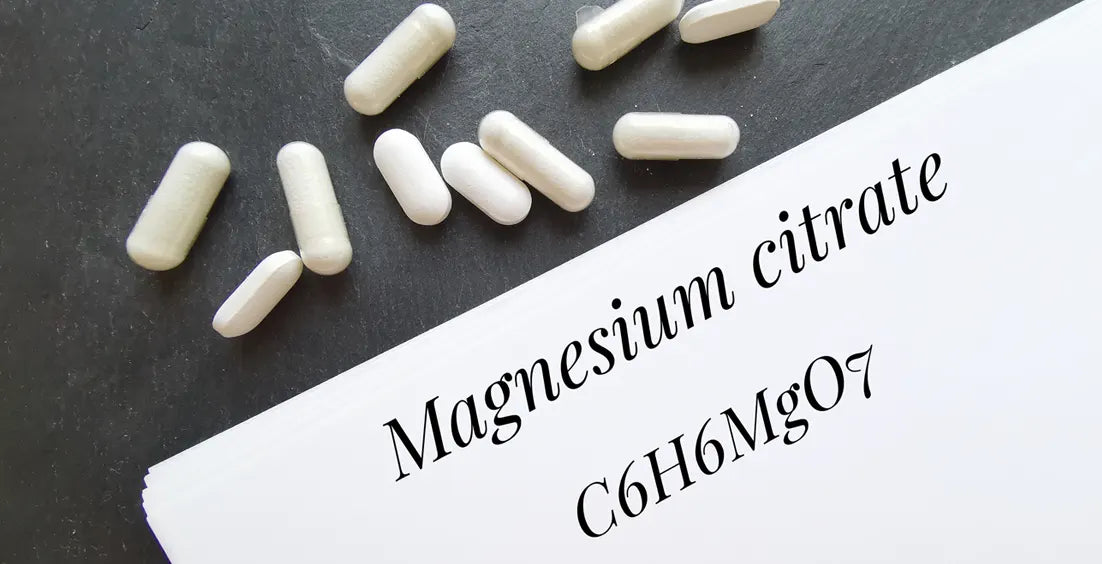
Magnesium Citrate
Well-absorbed and helpful for digestion, though it may cause a mild laxative effect at higher doses. Learn more: magnesium citrate
Magnesium Malate
Supports ATP production and may benefit men focused on magnesium for energy men and performance.
For broader support, consider magnesium complex formulas.
Formats to Choose From
- Capsules/tablets: precise dosing
- Powders: easy to mix into drinks
- Gummies: convenient and beginner-friendly (magnesium gummies)
- Topicals: targeted muscle relief
Dosage Guidance
The recommended elemental magnesium dosage for men is 400–420mg per day. Many start with 200–300mg and increase gradually. It can be taken in the evening or split throughout the day. Always consult a healthcare provider for personalized guidance.
“Jane Moon also recommends taking 300-400 mg of elemental magnesium within two hours post-training, preferably along with a protein-rich meal.”
What to Look For
- Third-party testing
- Transparent labeling
- Clearly stated elemental magnesium content
- Clean, filler-free formulations
Magnesium for Men: Safety, Side Effects and Considerations
Magnesium for men is generally safe when taken within recommended doses. Most healthy adults tolerate supplementation well, making it a reliable addition to a wellness routine.
“Magnesium supplementation is generally safe for most healthy people. However, excessive intake of this mineral may cause gastrointestinal problems, such as diarrhea,” cautions Jane Moon.
The most common side effect is digestive discomfort, particularly loose stools. This is more likely with forms such as magnesium citrate or oxide when taken in higher amounts. Forms like glycinate and malate are typically better tolerated and less likely to cause these issues.
Men with kidney disease should consult a healthcare provider before supplementing, as magnesium is regulated through kidney function. Additionally, magnesium may interact with certain medications, including antibiotics, so spacing doses by at least two hours is recommended.
“Although well tolerated by most, high doses of magnesium, more than 350 mg of supplements per day, can cause digestive problems that will resolve themselves if the dose is corrected. The greater worry is kidney function. If the kidneys don't function correctly, magnesium can accumulate in the body more rapidly than it should, creating a health problem,” warns Dr. Jason Schroder.
The Upper Tolerable Intake Level for supplemental magnesium is 350mg per day, not including dietary intake. This guideline helps reduce the risk of side effects while maintaining adequate intake.
It’s also important to maintain a balanced diet rich in magnesium-containing foods to prevent the magnesium deficiency men commonly experience. Supplements should enhance—not replace—nutritional intake.
For a full breakdown, visit magnesium side effects.
Advertisement


Magnesium for Men: A Simple Addition to a Stronger Routine
Magnesium for men supports a wide range of essential functions, including testosterone balance, muscle performance, sleep quality, heart health, stress resilience, and metabolic health. Despite its importance, many men still fall short of recommended intake levels.
Magnesium glycinate stands out as a versatile option for sleep and recovery, while citrate offers additional digestive support. The right choice depends on your personal goals and daily routine.
WOWMD provides science-backed, high-quality magnesium supplements designed to support men’s health effectively. Their formulas are developed with both performance and long-term wellness in mind.
If you’re ready to improve your health routine, explore premium chelated magnesium options tailored for optimal absorption.
Individual results may vary. These statements have not been evaluated by the FDA. Supplements are not intended to diagnose, treat, cure, or prevent any disease. Always consult your healthcare provider before starting any supplement.
FAQs
Meet The Experts
- Dr. Jason Schroder, Medical Director & Co-Founder,Craft Body Scan
- Jane Moon, Pharmacist & Director at Herba Health Inc.
This article is for informational purposes only and is not a substitute for professional medical advice, diagnosis, or treatment. Statements made on this website have not been evaluated by the U.S. Food and Drug Administration. Always consult a qualified healthcare professional before making changes to your diet, supplements, medications, or healthcare routine.
Our Top Picks

Magnesium Glycinate


Testosterone Support

References
WOWMD follows strict sourcing guidelines to ensure the accuracy of its content, outlined in our editorial policy. We use only trustworthy sources, including peer-reviewed studies, qualified experts, and information from top institutions.


- Magnesium - PMC https://pmc.ncbi.nlm.nih.gov/articles/PMC4717872/
- Effects of magnesium supplementation on testosterone levels of athletes and sedentary subjects at rest and after exhaustion - Abstract - Europe PMC https://europepmc.org/article/med/20352370
- Magnesium - Consumer https://ods.od.nih.gov/factsheets/Magnesium-Consumer/
- Magnesium: Exploring Gender Differences in Its Health Impact and Dietary Intake - PMC https://pmc.ncbi.nlm.nih.gov/articles/PMC12251677/
- The Interplay between Magnesium and Testosterone in Modulating Physical Function in Men - PMC https://pmc.ncbi.nlm.nih.gov/articles/PMC3958794/
- The Effect of Magnesium Deficiency on Neurological Disorders: A Narrative Review Article - PMC https://pmc.ncbi.nlm.nih.gov/articles/PMC6570791/
- Magnesium and Human Health: Perspectives and Research Directions https://doi.org/10.1155/2018/9041694
- Magnesium and Type 2 Diabetes https://doi.org/10.4239/wjd.v6.i10.1152
- The Integral Role of Magnesium in Muscle Integrity and Aging: A Comprehensive Review https://doi.org/10.3390/nu15245127
- The Mechanisms of Magnesium in Sleep Disorders https://doi.org/10.2147/NSS.S552646