

The Best Magnesium for Leg Cramps: A Complete Guide
Discover the best magnesium for leg cramps, compare popular forms, and learn how to choose the right supplement for effective muscle support.
 By WOWMD Staff

 Fact Checked
Advertiser Disclosure: WOWMD independently vets and sells featured products listed on this page. We may receive compensation from purchases. This does not influence our editorial standards. Learn why you can trust us.


Finding the best magnesium for leg cramps can make a real difference, especially if painful cramps are waking you up at night or disrupting your workouts. Magnesium glycinate is widely considered the top choice for leg cramps thanks to its superior absorption and calming glycine component that helps muscles relax. Other options like magnesium citrate and topical forms also have their place, depending on how quickly you need relief and your individual tolerance.
If you’re exploring the best magnesium for muscle cramps, it’s important to understand not just what works, but why. At WOWMD, our approach focuses on expert-recommended, science-backed formulations designed to support real results. For those considering magnesium supplementation, targeted solutions like best magnesium supplement for muscles can be a practical starting point.
In this article, we’ll break down which forms work best, what the science says about magnesium and muscle function, how to take it effectively, and how to choose the right supplement for your needs.
TL;DR
- Magnesium glycinate is the best magnesium for leg cramps due to high absorption, muscle relaxation support, and added sleep benefits.
- Magnesium helps regulate muscle contraction and relaxation, preventing involuntary tightening and reducing frequent muscle spasms and cramping episodes.
- Low magnesium levels are common and often linked to nocturnal leg cramps, twitching, and broader electrolyte imbalance issues.
- Consistent supplementation, proper dosage timing, hydration, and diet all play essential roles in reducing cramp frequency effectively.
- Topical magnesium products offer targeted relief for specific muscles and work best when combined with oral magnesium supplementation.
Why Magnesium Is So Important for Leg Cramp Relief
Finding the best magnesium for leg cramps starts with understanding how this mineral directly controls muscle function. Magnesium plays a key role at the sarcolemma or neuromuscular junction, where it helps regulate muscle contraction and relaxation. When magnesium levels are low, muscles can misfire, leading to involuntary tightening and persistent muscle spasms.
"Muscles rely on a steady mineral balance to contract and relax smoothly. When magnesium drops too low, muscles become more reactive and prone to tightening, spasms, and cramping," says Lucy Konakciu.
One of magnesium’s most important roles is maintaining a healthy calcium magnesium balance. Calcium signals muscles to contract, while magnesium tells them to relax. Without enough magnesium, this balance is disrupted, increasing the likelihood of cramping especially during rest or at night.
According to the NIH Office of Dietary Supplements, more than half of adults in America don’t meet the recommended daily intake (RDA: ~320–420 mg). This widespread gap helps explain why magnesium deficiency symptoms like nocturnal leg cramps, twitching, and restlessness are so common. If you’ve experienced these, you’re not alone. You can learn more about early signs in this guide on magnesium deficiency.
Certain groups are more prone to low levels, including athletes, older adults, those under chronic stress, or people dealing with an electrolyte imbalance. This is where magnesium for muscle cramps becomes especially relevant.
Consistent magnesium intake—whether through diet or magnesium supplements can help restore optimal levels over time, supporting smoother muscle function and reducing the frequency of cramps.
Advertisement


The Science Behind Magnesium for Muscle Cramps and Spasms
Understanding the best magnesium for muscle cramps starts with how it works in the body. Magnesium helps regulate nerve signals by interacting with NMDA receptors, effectively reducing muscular hyper-excitability, a key trigger behind involuntary cramping. At the neuromuscular junction, this calming effect supports smoother muscle contraction and relaxation, which is essential for preventing sudden tightness.
"Magnesium is the direct inhibitor of the NMDA receptors which increase the transmission of pain signals in the nervous system. Reduced activity of the receptors implies reduced perceived pain. It also controls the activity of cytokines and low magnesium levels are associated with high levels of cytokine production, the immune response that causes joint swelling and stiffness such as in arthritis," explains Dr. Jason Schroder.
Research adds meaningful support to this mechanism. A systematic review available on PubMed found that lower magnesium levels are often linked with higher rates of cramping across different populations. Similarly, studies summarized in the Journal of Musculoskeletal and Neuronal Interactions highlight a connection between low magnesium status and increased incidence of nocturnal leg cramps, especially in older adults and pregnant women.
Magnesium also works closely with potassium, another key electrolyte involved in muscle signaling. An electrolyte imbalance, particularly low magnesium combined with low potassium, is frequently associated with exercise-related cramps. At the same time, maintaining a healthy calcium-magnesium ratio is critical. Too much calcium without enough magnesium can keep muscles in a contracted state, which is why balanced formulas like calcium magnesium zinc are often recommended.
That said, magnesium isn’t a one-size-fits-all solution. Not all cramps stem from deficiency factors like dehydration, overexertion, and circulation also play a role. Still, maintaining adequate magnesium levels can be a foundational step in reducing cramp frequency and supporting overall muscle function.
How to Take Magnesium for Leg Cramps: Dosage and Timing Guide
Getting the best magnesium for muscle cramps isn’t just about the form it’s also about how you take it. A general guideline is 200–400 mg of elemental magnesium per day, depending on your needs and tolerance. It’s best to start on the lower end (around 200 mg) and increase gradually to minimize digestive discomfort.
If you’re dealing with nocturnal leg cramps, timing matters. Taking magnesium 30–60 minutes before bed can support relaxation and improve nighttime leg cramps sleep, making it a practical approach when choosing the best magnesium for leg cramps and sleep. For daytime or exercise-related cramps, taking magnesium after workouts or with dinner can help support recovery—this guide on magnesium for muscle recovery offers additional insight.
Consistency is key. Magnesium works by restoring levels over time, so results may take days or weeks to fully show. Alongside supplementation, support your intake with magnesium-rich foods like leafy greens, nuts, seeds, and legumes—and stay well hydrated.
For more targeted relief, transdermal magnesium options like magnesium spray or magnesium lotion can be applied directly to tight areas. Some people find this helpful for localized cramps.
As always, consult your healthcare provider before starting any new supplement regimen, especially if you take medications or have underlying health conditions.
Advertisement


Magnesium Glycinate vs. Citrate vs. Topical: Which Is Best for Leg Cramps?
Choosing the best magnesium for muscle cramps depends on your needs, tolerance, and whether your cramps are occasional or ongoing.
Magnesium Glycinate (Top Pick)
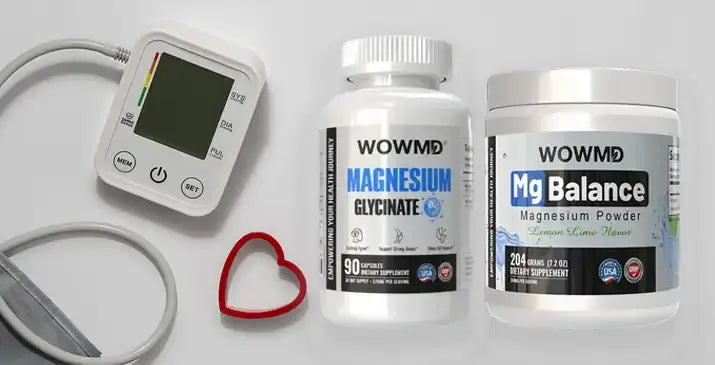
For most people, magnesium glycinate stands out as the best magnesium for leg cramps. It offers excellent absorption and is gentle on the stomach. One of the key magnesium glycinate benefits is its glycine component, which promotes muscle relaxation and calmness—making it especially useful as the best magnesium for leg cramps and sleep. For consistent, daily support particularly with chronic or nighttime cramps options like magnesium glycinate or other chelated magnesium forms are strong choices.
Magnesium Citrate
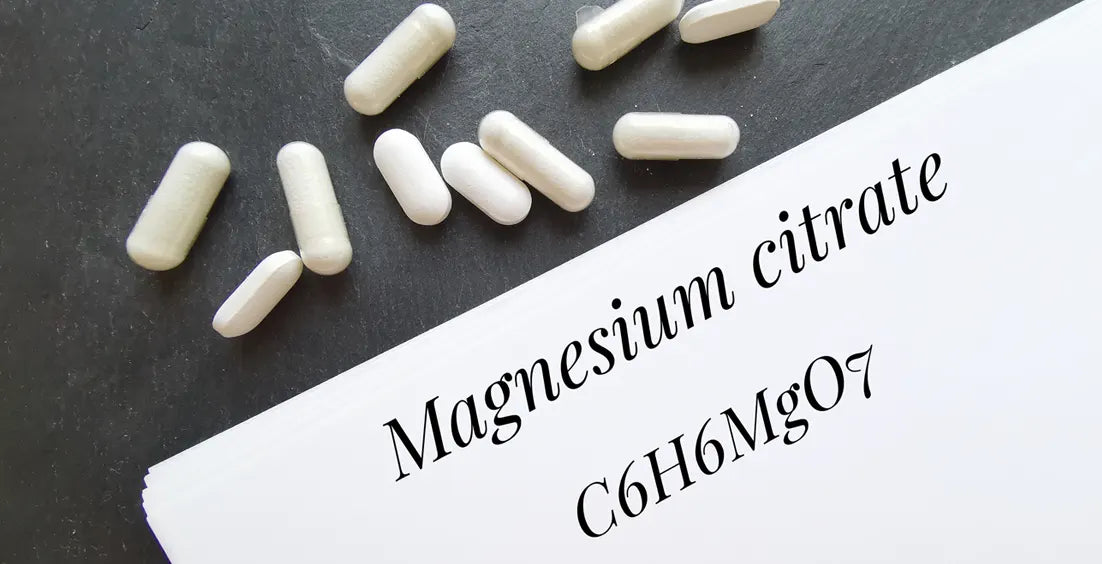
Magnesium citrate is another well-absorbed option and commonly used for magnesium citrate for cramps. It can be effective, but higher doses may have a laxative effect, making it better suited for occasional use or when digestive support is also needed.
Magnesium Oxide
Magnesium oxide is widely available but has low bioavailability, meaning less is absorbed. It’s not typically recommended if your goal is targeted relief from cramps.
Magnesium Malate
Magnesium malate is well-absorbed and supports energy production, making it a good option for exercise-related cramps and muscle fatigue.
"My best choice will be magnesium glycinate and magnesium malate. The Glycinate complex attaches to glycine an amino acid, which also has an anti-inflammatory effect on its own. Malate is involved in energy production in the muscle tissue which helps to alleviate the fatigue related stiffness experienced by many people first thing in the morning," explains Dr. Jason Schroder.
Topical Magnesium
Transdermal magnesium—like creams and sprays can be applied directly to tight areas for localized support. Products such as magnesium cream for pain are popular among athletes and those with recurring muscle spasms, making them a key part of any magnesium for athletes recovery routine. These can complement oral supplements rather than replace them.
When choosing a supplement, look for third-party testing, clearly labeled elemental magnesium, and clean formulations that support proper calcium magnesium balance. Clinical guidance, including insights from the American Academy of Family Physicians, also emphasizes a well-rounded approach to managing cramps.
Should You Try Topical Magnesium for Leg Cramps?
Transdermal magnesium delivered through sprays, lotions, and bath flakes has become a popular add-on for people looking for more targeted relief. While oral supplements address overall magnesium levels, topical options focus on specific areas where muscle spasms tend to occur, such as the calves, feet, or hamstrings.
Clinical evidence on absorption is still evolving, but many users report noticeable relief when applying products like topical magnesium spray directly to tight muscles. This makes it especially appealing for athletes or anyone dealing with recurring, localized cramps often part of the search for the best magnesium for muscle cramps.
That said, transdermal magnesium works best as a complement, not a replacement. If you’re aiming to find the best magnesium for leg cramps, combining oral supplementation with topical support can offer a more well-rounded approach.
"Magnesium helps muscles stay relaxed, resilient, and less reactive. It supports the nervous system, reduces tension, and helps prevent the buildup of stress-related acids that contribute to soreness," says Lucy Konakciu.
Another option worth trying is soaking in magnesium flakes. A warm bath can help relax the body overall, which may be especially helpful for nocturnal leg cramps.
For best results, apply topical magnesium after exercise or before bed to areas prone to cramping. Think of it as an extra tool in your toolkit, simple, targeted, and easy to incorporate into your routine.
Find the Best Magnesium for Your Leg Cramps — and Start Feeling the Difference
Finding the best magnesium for leg cramps often comes down to choosing the right form and staying consistent. For most people, magnesium glycinate stands out due to its high absorption, gentle digestion, and calming effect, making it especially helpful for both muscle spasms and nighttime leg cramps, and sleep support.
"Clinically is that around 20–50% of my patients who complain of frequent leg cramps will see great results with taking magnesium daily. Everyone else digests it fine, but will not see the benefits because dehydration, overuse, or poor circulation are to blame for their symptoms," says Jillian Kavanagh.
Topical options like sprays and creams can add another layer of targeted relief, especially when applied directly to tight muscles. When combined with proper hydration, a magnesium-rich diet, and good sleep habits, magnesium for muscle cramps becomes even more effective.
At WOWMD, we focus on expert-recommended, science-backed formulations made in the USA so you can feel confident in both quality and results. Explore our full range of magnesium supplements to find the right fit for your wellness routine.
Individual results may vary. Supplements are not intended to diagnose, treat, cure, or prevent any disease. Consult your healthcare provider before starting any new supplement regimen.
Advertisement


Frequently Asked Questions (FAQs)
Meet The Experts
- Jillian Kavanagh , Nurse Practitioner.
- Lucy Konakciu , Holistic Health Coach Certified in Plant-Based Nutrition.
- Dr. Jason Schroder , Medical Director & Co-Founder, Craft Body Scan.
This article is for informational purposes only and is not a substitute for professional medical advice, diagnosis, or treatment. Statements made on this website have not been evaluated by the U.S. Food and Drug Administration. Always consult a qualified healthcare professional before making changes to your diet, supplements, medications, or healthcare routine.
Our Top Picks

MgBalance Magnesium Powder


References
WOWMD follows strict sourcing guidelines to ensure the accuracy of its content, outlined in our editorial policy. We use only trustworthy sources, including peer-reviewed studies, qualified experts, and information from top institutions.


- NIH Office of Dietary Supplements — Magnesium Fact Sheet for Health Professionals https://ods.od.nih.gov/factsheets/Magnesium-HealthProfessional/
- Magnesium for skeletal muscle cramps https://pubmed.ncbi.nlm.nih.gov/32956536/
- What is the role of magnesium for skeletal muscle cramps? A Cochrane Review summary with commentary https://pmc.ncbi.nlm.nih.gov/articles/PMC8020016/
- Magnesium: Are We Consuming Enough? https://pmc.ncbi.nlm.nih.gov/articles/PMC6316205/#abstract1
- Myth or Reality-Transdermal Magnesium? https://pmc.ncbi.nlm.nih.gov/articles/PMC5579607/#sec4-nutrients-09-00813
- Effect of Local Warm Compression on Restless Leg Syndrome and Fatigue among Critical Care Nurses: A Parallel Randomized Clinical Trial https://pmc.ncbi.nlm.nih.gov/articles/PMC9440832/