


Magnesium Deficiency: Signs, Symptoms, and Treatment
Magnesium is an important mineral that plays many vital roles in the body, yet many people don't get enough of it. Learn about magnesium deficiency, symptoms as well as supplements.
 By WOWMD Staff

 Fact Checked
Advertiser Disclosure: WOWMD independently vets all recommended products. If you purchase a featured product, we may be compensated. Learn why you can trust us.


💡 DYN? Nearly 50% of Americans don’t meet their daily magnesium needs, making magnesium deficiency one of the most overlooked nutrient gaps in the USA.
Magnesium is an important mineral that is necessary for health. It supports muscle and nerve function, heart rhythm, and production of energy.
Although magnesium deficiency is uncommon, certain health conditions and medications can reduce increase the risk. Recognizing the signs of magnesium deficiency can help prevent serious health issues like heart disease, osteoporosis, and high blood pressure.
In this guide, you will learn the most common signs and symptoms of magnesium deficiency, what causes low magnesium levels, who is most at risk, treatment, etc.
TL;DR
- Magnesium deficiency is common and often mistaken for stress, fatigue, poor sleep, or hormonal imbalance.
- Muscle cramps, palpitations, anxiety, weakness, and insomnia are among the most common warning signs.
- Women may notice worse PMS, migraines, fatigue, and sleep issues during hormonal transitions.
- Poor diet, GI disorders, stress, alcohol, diabetes, aging, and medications can all lower magnesium.
- Magnesium-rich foods help first, but supplements can support intake when diet and absorption fall short.
- Blood tests may miss low status, so symptoms and risk factors still matter clinically.
What Is Magnesium Deficiency?
Magnesium deficiency occurs when the body does not have enough magnesium to support normal biological function. In severe clinical cases, it is called hypomagnesemia, but many people live with a milder, sub-clinical shortfall that still affects how they feel. Magnesium is involved in more than 300 enzymatic processes, including protein synthesis, nerve signaling, blood sugar regulation, and energy production through ATP (adenosine triphosphate). It also helps maintain healthy muscle contraction, heart rhythm, and electrolyte imbalance control throughout the body.
One reason deficiency is easy to overlook is that only about 1% of the body’s magnesium is present in the bloodstream. That means routine testing may not fully reflect tissue stores, even when someone feels magnesium low or shows symptoms. According to the NIH Office of Dietary Supplements, inadequate intake is common, especially in diets low in whole, nutrient-dense foods.
Some people are more likely to have low magnesium levels. This includes older adults, people with Type 2 Diabetes, those with digestive conditions like Crohn’s Disease or Celiac Disease, heavy alcohol use, and anyone taking certain medications—such as diuretics or acid-reducing drugs like proton pump inhibitors (PPIs). Low magnesium status is also linked with insulin resistance, which makes it especially relevant for metabolic health.
Women may be more vulnerable during menstruation, pregnancy, and other hormonal shifts. Magnesium also works synergistically with nutrients like vitamin D, which is why some people explore combined support such as magnesium and vitamin D. For prevalence and RDA guidance, see the NIH Office of Dietary Supplements — Magnesium Fact Sheet.
Also Read - What are the Different Types of Magnesium & their Benefits
How Common is Magnesium Deficiency?
Magnesium deficiency is uncommon in healthy people, as it is present in many foods like vegetables, whole grains, and nuts. The body also stores extra magnesium in the bones. However, over 10% of hospital patients are deficient in magnesium because illnesses or medications interfere with nutrient absorption[2].
Conditions like kidney disease, diabetes, and digestive disorders can cause low magnesium levels, which leads to fatigue, muscle cramps, and weakness.
Excessive alcohol use, high-stress levels, poor diet, and heavy sweating can lower magnesium levels.
Advertisement


Recommended Magnesium Intake
Here is a breakdown of the recommended daily magnesium intake by age and gender:
| Age Group | Male (mg/day) | Female (mg/day) |
|---|---|---|
| 1-3 years | 80 | 80 |
| 4-8 years | 130 | 130 |
| 9-13 years | 240 | 240 |
| 14-18 years | 410 | 360 |
| 19-30 years | 400 | 310 |
| 31 years and older | 420 | 320 |
| Pregnant Women | — | 350-360 |
| Breastfeeding Women | — | 310-320 |
Magnesium Deficiency by Age and Gender
Certain groups are more likely to experience magnesium deficiency. The table below highlights who is most at risk.
| Group | Deficiency Risk Factors |
|---|---|
| Children (1-8 years) | Poor diet, picky eating, digestive disorders |
| Teens (9-18 years) | Growth spurts, poor diet, high soda consumption |
| Adult Men | Stress, excessive alcohol, physical labor, poor diet |
| Adult Women | Pregnancy, breastfeeding, stress, hormonal changes |
| Older Adults (60+) | Reduced absorption, chronic illness, medications |
What are the Symptoms of Magnesium Deficiency?
Here are the main symptoms to watch for and what they mean:
 Symptoms of Magnesium Deficiency
Fatigue and Weakness
Constant deep exhaustion is one of the first signs of low magnesium, as proper intake provides the body with.
Muscle Cramps and Spasms
Frequent cramps, twitches, or spasms show that your body lacks magnesium. Muscles need magnesium to relax after contracting. Leg cramps at night or eye twitches are common signs.
💡 DYN? Athletes in hot climates (like Arizona, Texas, and Florida) lose more magnesium through sweat.
Numbness and Tingling
Low magnesium affects how nerves work. You might feel numbness or a “pins and needles” sensation in your hands, feet, or face.
Mood Swings and Anxiety
Women with low magnesium levels often notice mood swings, irritability, or anxiety.
Headaches and Migraines
Magnesium helps blood vessels relax. Without it, blood vessels tighten and cause pain, which causes headaches or migraines. Women may notice more migraines around their periods.
>> Try WOWMD Magnesium Glycinate to overcome headaches and migraines that may be slowing you down [Order Now]
>> Free Shipping Over $100 in the USA.
Digestive Issues
Magnesium deficiency can also cause nausea, loss of appetite, or vomiting can point to low magnesium. These symptoms seem minor but often signal a deeper problem. Over time, they can get worse if left untreated.
💡 DYN? Magnesium is a cofactor in over 300 enzymatic reactions in the human body.
Poor Sleep
Magnesium helps the body relax for sleep. Low levels make falling asleep or staying asleep harder. Many people wake up often or feel restless at night. Poor sleep can lead to more tiredness and mood issues.
Irregular Heartbeat
In serious cases, low magnesium affects the heart. Your heart needs magnesium to keep a steady rhythm. Without proper magnesium levels, palpitations, fluttering, or an irregular heartbeat can occur.
Seizures
Severe magnesium deficiency can cause seizures. This happens when nerves become too active.
| Symptom | Why It Happens (Low Magnesium Effect) |
|---|---|
| Fatigue & Weakness | Low energy production |
| Muscle Cramps & Spasms | Muscles can’t relax without magnesium |
| Numbness & Tingling | Nerve dysfunction |
| Mood Swings & Anxiety | Neurotransmitter imbalance |
| Headaches & Migraines | Constricted blood vessels |
| Poor Sleep | Low relaxation hormone regulation |
| Irregular Heartbeat | Weak heart muscle conduction |
Many factors contribute to low magnesium levels, including diet and certain medications. This video explains the sign and causes of magnesium deficiency and how to address them:
Magnesium Deficiency Symptoms in Females: What’s Different
 Low Magnesium May Worsen Pms, Fatigue, and Sleep Issues
Magnesium deficiency symptoms in females can be more noticeable because hormonal changes affect magnesium needs and metabolism across different life stages. Magnesium levels can fluctuate throughout the menstrual cycle. In some women, levels may be lower during the later phases of the cycle and around menstruation, which can increase the risk of deficiency. Hormonal changes in estrogen and progesterone may also affect how magnesium is used in the body. That is one reason some women notice stronger low magnesium symptoms around their cycle. Additionally, Estrogen‑containing birth-control medications and hormone therapies can promote magnesium loss or deficiency.
PMS, Mood, and Menstrual Symptoms
Low magnesium is linked with worse PMS and hormonal symptoms, including cramps, bloating, headaches, mood swings, and irritability. Some women also report more severe emotional symptoms during PMDD-like patterns when magnesium intake is poor. Menstrual migraines are another commonly discussed trigger associated with low magnesium status.
Pregnancy, Fatigue, and Menopause
Magnesium needs increase during pregnancy and breastfeeding, which may make leg cramps, poor sleep, and fatigue more noticeable when intake is low. During the menstrual cycle, low magnesium may also intensify chronic fatigue and mood-related symptoms.
In perimenopause and menopause, declining estrogen may reduce magnesium absorption while also affecting bone density, making adequate intake even more important. Magnesium’s role in muscle relaxation and electrolyte imbalance may also help explain why some women feel more tense, restless, or sleep-deprived during hormonal transitions.
Understanding these patterns can be empowering. It helps explain why symptoms are not always “just hormones,” even though hormones are part of the story. If sleep disruption is a recurring issue during these phases, magnesium for sleep may be a relevant option to explore. For a broader view of life-stage support, see magnesium benefits for women.
How to Recognize the Signs of Magnesium Deficiency
Magnesium deficiency looks different in each person. In the USA, surveys show that nearly 50% of adults consume less than the recommended magnesium intake, especially women and older adults.
Notice Early Symptoms
Watch for constant tiredness, muscle weakness, or cramps. Numbness or twitches are also signs of low magnesium.
Check for Mood and Sleep Problems
Anxiety, mood swings, and headaches often point to low magnesium. Poor sleep or waking up during the night are also signs.
Pay Attention to Digestion
Loss of appetite, nausea, or vomiting can signal low magnesium.
Watch for Heart Issues
An irregular heartbeat or palpitations could mean a serious deficiency. If your heart feels off, seek medical advice quickly.
Take Serious Symptoms Seriously
Seizures are rare but dangerous. If seizures happen, seek medical help right away. This means magnesium levels are dangerously low.
Read More - Can Magnesium Get Rid of Headaches?
What are the Causes of Magnesium Deficiency?
Understanding low magnesium causes can help readers connect symptoms to everyday habits, health conditions, and medication use. In many cases, deficiency develops gradually rather than all at once.
Diet and Absorption Problems
A major cause is a poor diet. Processed foods have replaced many whole foods that naturally provide magnesium, and modern soil depletion may also reduce magnesium content in vegetables and grains. GI conditions such as Crohn’s disease and, celiac disease, and IBS can impair magnesium absorption in the small intestine, making it harder to maintain healthy levels even when intake improves.
Medications, Stress, and Chronic Health Factors
Certain medications are well-known magnesium deficiency causes, especially proton pump inhibitors (PPIs) like omeprazole and pantoprazole, along with diuretics and some antibiotics. Type 2 diabetes also increases risk because high blood sugar can raise urinary magnesium loss, while low magnesium can worsen insulin resistance.
Alcohol is another contributor because it reduces absorption and increases renal excretion. Chronic stress may also play a major role. Higher cortisol levels can deplete magnesium, while magnesium itself is needed to help buffer the stress response. Aging can further contribute, as magnesium absorption may decline over time and the kidneys become less efficient at maintaining healthy levels
Together, these patterns help explain what low magnesium can cause over time: worsening fatigue, poor sleep, muscle symptoms, and broader metabolic strain. If several of these risk factors apply to you, it may be worth discussing magnesium status with your healthcare provider. Because magnesium works alongside other minerals, some people also consider supportive blends such as calcium, magnesium, and zinc. For more on disease associations, see NIH/PubMed: Role of Magnesium in Pathogenesis and Treatment of Metabolic Syndrome.
Advertisement


Testing for Magnesium Deficiency
A simple blood test can detect low magnesium levels[4]. However, doctors do not always test for magnesium deficiency during routine check-ups. They usually check when symptoms of magnesium deficiency, such as fatigue, muscle cramps, or weakness, appear.
If you suspect low magnesium, ask your doctor about testing. Some home test kits exist but may need to be more reliable. When they test, Doctors measure magnesium levels in the blood, urine, or red blood cells.
People with chronic illnesses, digestive disorders, or certain medications often need regular checks. Identifying low levels early helps avoid severe signs of magnesium deficiency and related health problems.
How to treat Magnesium Deficiency?
To fix low magnesium levels, supplements can often help. Your doctor will decide the best type and dose based on your symptoms[5].
Raj Dasgupta MD, FACP, FCCP, FAASM
Dr. Raj Dasgupta, Chief Medical Advisor at Sleepopolis, emphasizes,
Too much magnesium can cause stomach problems like diarrhea or cramps, and in extreme cases, it can mess with your heart rhythm or blood pressure. Your body handles magnesium from food better, so supplements should be used carefully—stick to the recommended dose and talk to your doctor if you're unsure.

An IV can quickly boost magnesium levels in severe magnesium deficiency cases. Adding foods rich in magnesium to meals (like leafy greens, nuts, seeds, and whole grains) also helps.
How to Restore Healthy Magnesium Levels
The good news is that magnesium deficiency can often be addressed with steady, practical changes. The first step is improving intake through food, then considering supplements if diet alone is not enough.
Start With Magnesium-Rich Foods
Focus first on magnesium-rich foods such as spinach, pumpkin seeds, almonds, black beans, avocado, dark chocolate, and whole grains. For a deeper food list and meal ideas, read magnesium-rich foods.
Choose the Right Supplement Form
When intake remains low or absorption is reduced, supplementation can help bridge the gap. Magnesium glycinate is often preferred because it is gentle on the stomach and has a higher bioavailability than other forms. Magnesium citrate is also well absorbed, while magnesium oxide tends to have lower bioavailability.
 Restore Magnesium Levels with the Right Daily Support
Use Practical Dosage and Lifestyle Support
The dietary reference intake (DRI) and RDA (Recommended Dietary Allowance) for magnesium generally range from 310 to 420 mg per day, depending on age and gender. Supplemental amounts of 200 to 400 mg elemental magnesium are commonly used, but it is best to start low and increase gradually with healthcare guidance.
For people with sensitive digestion, magnesium spray offers a topical option that may fit more comfortably into a routine. However, the absorptive capacity of topical magnesium is widely uncertain. Supporting magnesium retention also matters. Managing stress, reducing excess alcohol, and staying well hydrated can all help. When your diet has been consistently low in magnesium, combining food, lifestyle changes, and supplements is often the most effective next step.
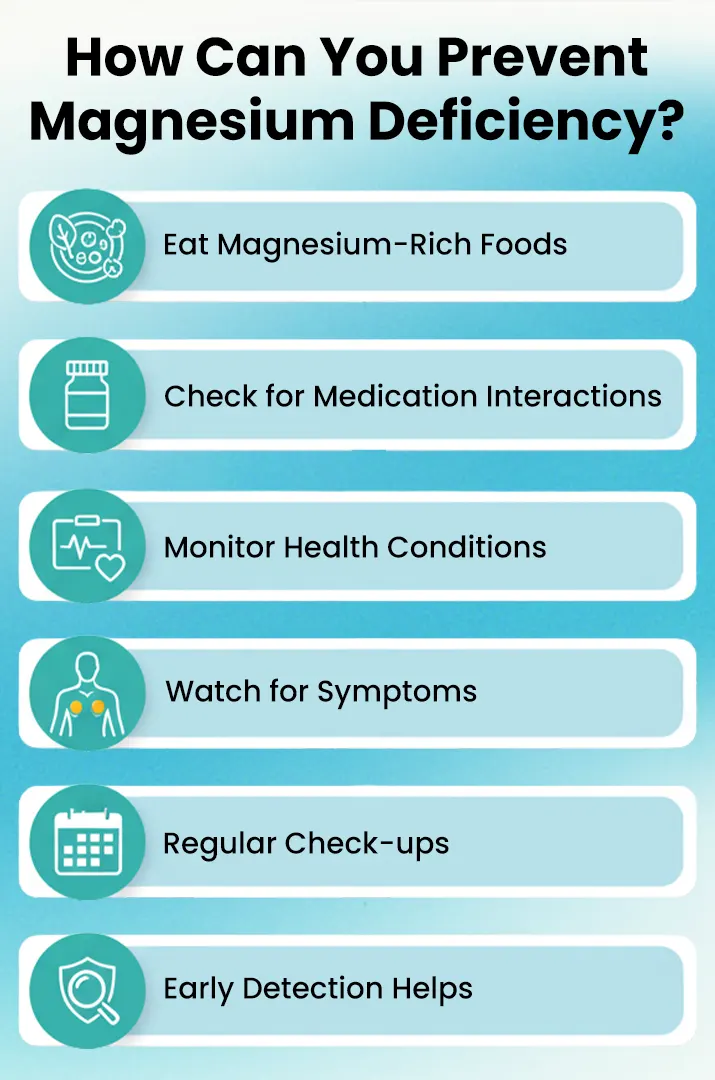
How Can You Prevent Magnesium Deficiency?
 Magnesium Deficiency Prevention
The best way to avoid low magnesium is to eat the right foods, such as leafy greens, whole grains, nuts, seeds, beans, and dairy.
Know if your health conditions or medications lower magnesium. Talk to your doctor if you take diuretics, antibiotics, or acid reflux medicine. Conditions like diabetes, kidney disease, or digestive issues may also cause low magnesium.
Watch for signs of magnesium deficiency, such as tiredness, muscle cramps, or weakness. Noticing these early helps you stay healthy and regular check-ups and honest talks with your doctor can also help keep your magnesium levels in check.
| Tip | Details |
|---|---|
| Eat USA-available foods | Spinach, almonds, black beans, avocados |
| Reduce soda & processed food intake | Linked to low magnesium levels |
| Pair magnesium-rich foods with vitamin D | For better absorption of magnesium |
Advertisement


Conclusion
Magnesium is essential for your health. It typically helps your heartbeat, supports your muscles, and gives you energy. Though most people get enough magnesium, some health issues, medications, or poor absorption can cause low levels. Knowing the warning signs of magnesium deficiency helps you catch problems early.
You can stay informed by knowing how to test for magnesium deficiency at home. Simple blood or urine tests can check your levels. Understanding the causes of magnesium deficiency helps you avoid future issues. Eating a diet rich in leafy greens, nuts, seeds, and whole grains keeps your magnesium levels on track.
Listen to your body. Look for magnesium deficiency signs like fatigue, muscle cramps, or weakness. If something feels off, talk to your doctor. Taking action early can prevent more significant problems and help you stay healthy.
>>Struggling with fatigue? It may be a sign of magnesium deficiency. Replenish your levels with WOWMD Magnesium Glycinate! [Buy Now]
FAQs
This article is for informational purposes only and is not a substitute for professional medical advice, diagnosis, or treatment. Statements made on this website have not been evaluated by the U.S. Food and Drug Administration. Always consult a qualified healthcare professional before making changes to your diet, supplements, medications, or healthcare routine.
Our Top Picks

MgBalance Magnesium Powder

CoQ10 Energy Max


References
WOWMD follows strict sourcing guidelines to ensure the accuracy of its content, outlined in our editorial policy. We use only trustworthy sources, including peer-reviewed studies, qualified experts, and information from top institutions.


- (PDF) Americans Do Not Meet Federal Dietary Recommendations https://www.researchgate.net/publication/45629656_Americans_Do_Not_Meet_Federal_Dietary_Recommendations
- Magnesium-Fact Sheet for Health Professionals https://ods.od.nih.gov/factsheets/Magnesium-HealthProfessional/
- Tumor suppressive microRNA-133a regulates novel molecular networks in lung squamous cell carcinoma - PubMed https://pubmed.ncbi.nlm.nih.gov/22089643/
- Subclinical magnesium deficiency: a principal driver of cardiovascular disease and a public health crisis - PMC https://www.ncbi.nlm.nih.gov/pmc/articles/PMC5786912/
- Magnesium • The Nutrition Source https://nutritionsource.hsph.harvard.edu/magnesium/