

Does Magnesium Lower Cortisol? The Science-Backed Answer
Learn how magnesium may influence cortisol levels, support the body’s stress response, and contribute to improved sleep and long-term wellness.
 By WOWMD Staff

 Fact Checked
Advertiser Disclosure: WOWMD independently vets all recommended products. If you purchase a featured product, we may be compensated. Learn why you can trust us.


Introduction
Does magnesium lower cortisol? Yes—research suggests that magnesium can help regulate cortisol levels, primarily by supporting the HPA axis and reducing the body’s physiological stress response. This matters because chronically elevated cortisol, often referred to as the body’s main stress hormone, is linked to poor sleep, weight gain, anxiety, and persistent fatigue—issues many people are actively trying to manage through better lifestyle and supplement choices.
That’s where magnesium for cortisol support becomes especially relevant, as this essential mineral plays a direct role in calming the nervous system and improving resilience to stress. High-quality, science-backed options like those from WOWMD make it easier to incorporate targeted support through well-formulated magnesium supplements designed for modern wellness needs.
In this guide, we’ll explore the science behind magnesium and cortisol, how it works in the body, which forms are most effective, and how to use it strategically for better stress balance and recovery.
TL;DR
- Magnesium for cortisol supports stress regulation by calming the nervous system and helping balance the body’s stress hormone.
- Low magnesium levels are linked to higher stress reactivity, poor sleep, and difficulty managing chronic stress.
- Magnesium glycinate for cortisol is the most effective form due to its calming and highly absorbable properties.
- Magnesium to reduce cortisol works gradually with consistent use and is most effective when combined with sleep, stress management, and healthy lifestyle habits.
What Is Cortisol and Why Should You Care About High Levels?
Cortisol is the body’s primary stress hormone, produced by the adrenal glands as part of the hypothalamic-pituitary-adrenal (HPA) axis. This system is designed to help you respond to challenges, whether physical or emotional. In short bursts, cortisol is beneficial—it sharpens focus, increases energy availability, and prepares the body for action.
"Cortisol plays several key roles in the body. It helps to regulate everything from your blood sugar to your blood pressure to your pain tolerance to inflammation. It tends to be produced in stressful situations, and chronically high cortisol levels are a key contributor to stress-related issues like hypertension, weight gain, and chronic inflammation," says Eileen Wang, MD, MSCP.
The issue arises when chronic stress keeps cortisol levels elevated for extended periods. Instead of helping, persistently high cortisol can disrupt sleep patterns, promote weight gain—especially around the abdomen—heighten anxiety, suppress immune function, and contribute to ongoing fatigue. These effects often build gradually, making them easy to overlook until they begin to impact daily well-being.
One often underrecognized factor in this cycle is magnesium deficiency. According to the NIH Office of Dietary Supplements, a large portion of the population does not meet recommended magnesium intake levels. Low magnesium is associated with increased sensitivity to stress, meaning the body may produce a stronger cortisol response even to minor stressors.
This is why interest in magnesium for high cortisol has grown significantly. Magnesium appears to act as a natural regulator of the stress response, helping the body return to balance more efficiently after stress exposure.
For those exploring ways to support cortisol balance, targeted solutions like stress & cortisol supplements can complement foundational habits like sleep, nutrition, and stress management.
Advertisement


How Magnesium Lowers Cortisol: The Research-Backed Mechanisms
Understanding the science behind how magnesium works helps answer a key question: does magnesium lower cortisol in a meaningful way? Research suggests it does—primarily by supporting the body’s natural stress regulation systems rather than acting as a direct blocker.
One of the most important mechanisms involves the HPA axis, the system responsible for controlling cortisol release. Magnesium acts as a natural regulator here, helping reduce excessive activation of this pathway. When magnesium levels are sufficient, the body is less likely to overproduce cortisol in response to stress, supporting overall cortisol reduction.
Another critical pathway is through GABA receptor activity. Magnesium enhances the function of GABA, the brain’s primary calming neurotransmitter. Stronger GABA signaling helps quiet the nervous system, reducing feelings of anxiety and lowering the intensity of the stress response. This indirect effect contributes to how magnesium supports balanced magnesium cortisol levels in the body.
There’s also a well-documented cycle known as stress-induced magnesium depletion. When you experience stress, your body excretes more magnesium through urine. Over time, this depletion can worsen the deficiency, making the stress response more intense and prolonging recovery. Supplementing magnesium helps interrupt this cycle, making it easier for the body to regulate stress more effectively.
"The hyperreactive condition of the hypothalamus is caused by the decrease in magnesium levels. Research shows that specimens with magnesium-deficiency would produce significantly more cortisol response to the same stressors, " says Alexander Acosta, MD .
Clinical research has also linked low magnesium levels with elevated cortisol markers, while supplementation has been associated with improved stress resilience. However, it’s important to note that magnesium to reduce cortisol works gradually and supports your body’s natural systems—it doesn’t eliminate cortisol entirely or function like a pharmaceutical intervention.
For a broader look at how magnesium supports stress management, see our guide to magnesium for stress.
How to Take Magnesium for Cortisol: Dosage, Timing, and Practical Tips
Using magnesium to lower cortisol effectively requires more than just choosing the right supplement—it also involves proper dosage, timing, and consistency.
For most adults, a general range of 200–400 mg of elemental magnesium per day is commonly used to support overall wellness. Individual needs can vary based on lifestyle, diet, and stress levels, so it’s important to consult your healthcare provider before beginning supplementation.
Timing plays a key role, especially when considering the relationship between cortisol and sleep. Many people prefer taking magnesium in the evening, as it can support relaxation and help the body transition into recovery mode overnight. This aligns with the body’s natural rhythm, where cortisol levels should decline as bedtime approaches. Products designed for evening use, such as magnesium for sleep, can be particularly helpful in this context.
The study published in the Journal of Research in Medical Sciences shows that in humans, 46 elderly participants taking 500 mg magnesium daily for 8 weeks had improved sleep time, efficiency, ISI, melatonin, renin, and cortisol.
It’s also important to understand the cortisol awakening response (CAR)—a natural morning spike in cortisol that helps you wake up and feel alert. Magnesium doesn’t eliminate this response, but consistent use may help regulate it over time, especially in individuals dealing with chronic stress.
Some people choose to split their intake between morning and evening to maintain stable levels throughout the day. Calming blends like magnesium calm can also support relaxation during high-stress periods.
Ultimately, magnesium for high cortisol works best when combined with healthy habits such as quality sleep, regular exercise, and stress management practices. Consistency over time—not single doses—delivers the most noticeable results.
Advertisement


Best Magnesium for Cortisol: Glycinate, Citrate, or Complex?
When choosing the best magnesium for cortisol, the form you select makes a meaningful difference in how effectively it supports your stress response.
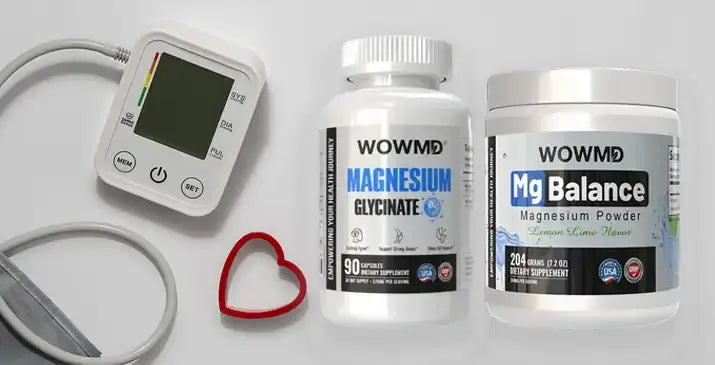
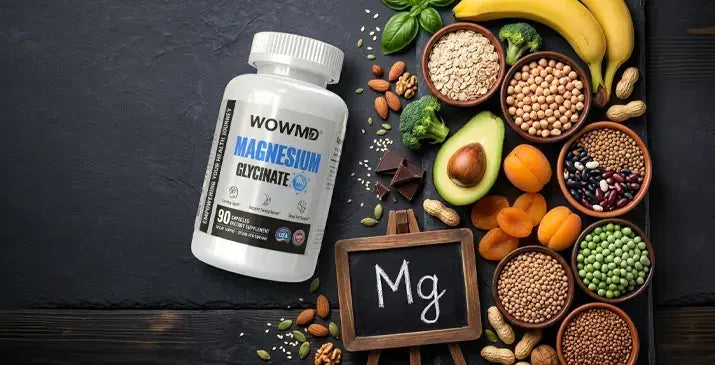
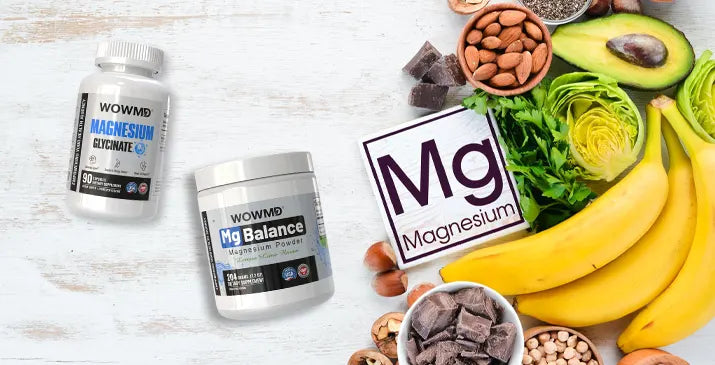
Magnesium glycinate is widely considered the top option for cortisol support. This form combines magnesium with glycine, an amino acid known for its calming, GABA-supporting effects. Because of this dual action, magnesium glycinate for cortisol is often preferred for individuals dealing with stress, anxiety, or poor sleep. It also offers excellent bioavailability and is gentle on digestion. If you’re wondering does magnesium glycinate lower cortisol, research suggests it can support a more balanced stress response over time. You can explore options like magnesium glycinate.
Magnesium L-threonate is another option, particularly for cognitive and neurological support. It crosses the blood-brain barrier effectively, though it tends to be more expensive and less commonly used for general supplementation.
"Magnesium (especially glycinate or threonate) – Deficiency is linked to higher cortisol and anxiety. Replenishing magnesium helps the nervous system shift from fight or flight to rest and digest," says Dr. Jason Winkelmann, ND, DC.
Magnesium citrate is well absorbed and can help correct deficiency, but higher doses may cause digestive discomfort, making it less ideal for targeted stress support.
Magnesium oxide, while widely available, has low absorption and is not typically recommended when the goal is cortisol regulation.
For broader coverage, a magnesium complex can combine multiple forms for more comprehensive support.
Clinical research also suggests magnesium may support self-reported stress levels: in adults with low magnesium status, magnesium supplementation reduced stress scores over 8 weeks, while magnesium combined with vitamin B6 showed added benefit in those experiencing severe or extremely severe stress.
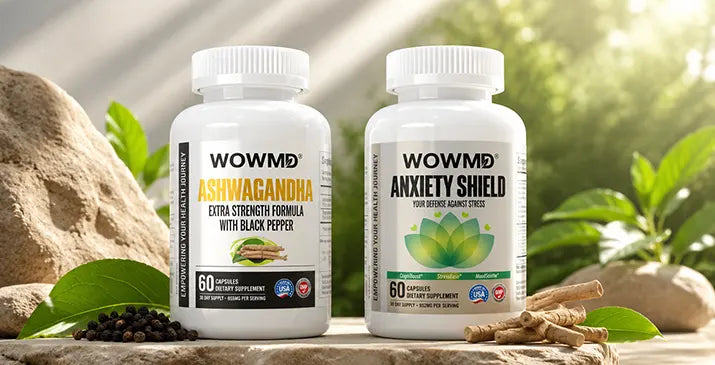
Some individuals also pair magnesium with adaptogens like ashwagandha for enhanced stress resilience. You can explore combinations like ashwagandha and magnesium for complementary support. "Ashwagandha (Withania somnifera) – One of the most researched adaptogens, shown in multiple clinical studies to reduce cortisol levels and improve perceived stress and sleep quality," says Dr. Jason Winkelmann, ND, DC .
WOWMD offers expert-recommended magnesium glycinate supplements formulated for daily stress and cortisol support, making it easier to incorporate a targeted approach into your routine.
Is Magnesium Safe for Cortisol Support? Side Effects and Considerations
Magnesium is generally well-tolerated and considered safe for most individuals when taken within recommended ranges, making it a reliable option for those exploring magnesium for cortisol support.
The most common side effect is mild digestive discomfort, particularly loose stools. This is more likely with forms such as citrate or oxide when taken in higher doses. In contrast, glycinate is typically gentler and better tolerated, especially for long-term use.
Certain individuals should take extra care. Those with kidney disease or impaired renal function should consult a healthcare provider before supplementing, as the kidneys play a key role in regulating magnesium levels. Additionally, magnesium can interact with medications such as antibiotics and some heart-related drugs, so it’s important to discuss supplementation with your provider if you’re currently on medication.
Quality also matters. Look for products that are third-party tested, clearly label elemental magnesium content, and avoid unnecessary additives.
It’s also important to remember that while magnesium can support cortisol balance, it works best alongside healthy lifestyle habits. Managing chronic stress through sleep, nutrition, and movement remains essential.
For a full breakdown of what to expect, see our guide on magnesium side effects.
Advertisement


Manage Cortisol Naturally with Expert-Recommended Magnesium
So, does magnesium lower cortisol? The evidence suggests yes—magnesium plays a meaningful role in supporting healthy cortisol levels by regulating the HPA axis and enhancing GABA activity, both of which are central to managing the body’s stress hormone response.
Among available options, magnesium glycinate for cortisol stands out due to its high bioavailability and the added calming effects of glycine, making it especially effective for stress and sleep support. Consistent daily use, combined with strong lifestyle habits, is the most reliable way to achieve lasting cortisol reduction.
At WOWMD, our expert-recommended magnesium supplements are science-backed, made in the USA, and designed to support your stress and wellness goals. If you’re ready to take the next step, explore our magnesium glycinate 400 mg collection to find the right fit for your routine.
As always, individual results may vary. These supplements are not intended to diagnose, treat, cure, or prevent any disease. Consult your healthcare provider before starting any new regimen.
FAQs
Meet the Experts
- Eileen Wang, MD, MSCP.
- Alexander Acosta, A Medical Doctor.
- Dr. Jason Winkelmann, ND, DC, Naturopathic Doctor.
This article is for informational purposes only and is not a substitute for professional medical advice, diagnosis, or treatment. Statements made on this website have not been evaluated by the U.S. Food and Drug Administration. Always consult a qualified healthcare professional before making changes to your diet, supplements, medications, or healthcare routine.
Our Top Picks

Magnesium Glycinate

Anxiety Shield

Ashwagandha Extra Strength Formula

References
WOWMD follows strict sourcing guidelines to ensure the accuracy of its content, outlined in our editorial policy. We use only trustworthy sources, including peer-reviewed studies, qualified experts, and information from top institutions.


- Office of Dietary Supplements - Magnesium https://ods.od.nih.gov/factsheets/Magnesium-HealthProfessional%20/
- Five Benefits of Magnesium for Hormone Balance - UCLA G. Oppenheimer Center for Neurobiology of Stress and Resilience https://uclacns.org/five-benefits-of-magnesium-for-hormone-balance/
- Magnesium potentiation of the function of native and recombinant GABA(A) receptors - PubMed https://pubmed.ncbi.nlm.nih.gov/11447329/
- Magnesium Status and Stress: The Vicious Circle Concept Revisited https://www.mdpi.com/2072-6643/12/12/3672
- The effect of magnesium supplementation on primary insomnia in elderly: A double-blind placebo-controlled clinical trial https://doaj.org/article/0948678c0dcd4ff7a9fca8655625591f
- Superiority of magnesium and vitamin B6 over magnesium alone on severe stress in healthy adults with low magnesemia: A randomized, single-blind clinical trial https://journals.plos.org/plosone/article?id=10.1371%2Fjournal.pone.0208454
- What Can Magnesium Do for Your Body? https://health.clevelandclinic.org/magnesium
- Ashwagandha: Is it helpful for stress, anxiety, or sleep? - Health Professional Fact Sheet https://ods.od.nih.gov/factsheets/Ashwagandha-HealthProfessional/