

Magnesium for Weight Loss: Science Explained
Can magnesium help with weight loss? Explore the science, benefits, best magnesium supplements, dosage, and tips for healthy weight management.
 By WOWMD Staff

 Fact Checked
Advertiser Disclosure: WOWMD independently vets all recommended products. If you purchase a featured product, we may be compensated. Learn why you can trust us.


Introduction
Magnesium for weight loss is a topic that is increasingly gaining momentum lately; however does this vital mineral aid you in losing weight?
“It’s important to clarify that it is not a direct fat-loss agent. Its role is more supportive, acting through multiple physiological pathways that can indirectly influence metabolic health,” explains Dr. Flavio Mitidieri Ramos, MD, MSc, FASGE.
A 2022 study indicates that the treatment of magnesium deficiency may help in facilitating many biological functions involved in weight control, such as metabolism, blood sugar regulation, stress hormone balance, and sleep quality.
In fact, the NIH National Library of Medicine shows that 60% of adults do not achieve the average dietary intake (ADI), and 45% of Americans are magnesium deficient. “Suboptimal magnesium levels have been associated with insulin resistance, which is a central mechanism in weight gain and metabolic dysfunction,” adds Dr. Flavio Mitidieri Ramos.
Here, high-quality supplementation can help. WOWMD offers expert-recommended magnesium supplements that are formulated using science-proven ingredients aimed at promoting metabolic health, balance of stress, and overall health.
In this guide, we are going to examine what the science tells us about magnesium and weight loss, how magnesium influences metabolism and belly fat, the most applicable forms of magnesium, dosage advice, and the realistic expectations of outcome.
TL;DR
- Magnesium doesn’t directly burn fat but supports weight management by improving metabolism, sleep, insulin sensitivity, and stress balance.
- Many adults are magnesium-deficient, which may worsen fatigue, blood sugar control, inflammation, cravings, and weight gain.
- Highly absorbable forms like magnesium glycinate and citrate may better support sleep, digestion, metabolism, and stress balance.
- Taking 200–400 mg of magnesium daily alongside a healthy diet and exercise may support sustainable weight management long-term.
Why Magnesium Deficiency May Be Sabotaging Your Weight Goals
Magnesium is one of the most significant minerals in the human body. It is involved in more than 300 enzymatic reactions, such as protein synthesis, muscle activity, nerve impulse and energy production.
It has one of its most crucial functions in aiding the production of ATP, the molecule that sustains almost all of the processes in the body. In the absence of sufficient magnesium, the ATP energy production becomes inefficient and this may make you feel tired and less active physically.
Though this is very important, many individuals are not consuming magnesium adequately from their diet. The NIH Office of Dietary Supplements reported that about 48% of Americans are below the Recommended Dietary Allowance (RDA) of magnesium.
This is important since magnesium deficiency is directly related to several metabolic problems that are associated with weight gain, including:
- Poor blood sugar regulation
- Decreased insulin sensitivity.
- Increased inflammation
- Poor sleep quality
- Elevated stress hormones
All these factors affect the body in terms of energy storage and burning.
Most of the typical magnesium deficiency symptoms, including fatigue, muscle cramps, sugar cravings and sleep problems, can also complicate healthy eating habits or exercise.
“Low magnesium levels might result in: increased food cravings (especially sugar); increased fatigue; decreased motivation to exercise and perform physical activity,” says nutritionist Emma Zheng.
You can learn more about how deficiency affects health in this guide on magnesium deficiency.
This is the reason why magnesium for weight loss can be more accurately referred to as a supportive nutrient. Magnesium supplementation does not directly lead to fat loss, but a deficiency can be corrected, eliminating various biological obstacles that complicate weight management.
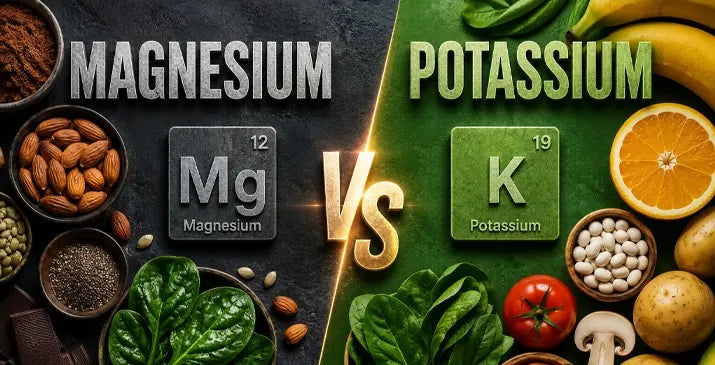
Although magnesium is present in foods like leafy greens, almonds, pumpkin seeds, and dark chocolate, which are beneficial in supporting magnesium intake, modern diets and soil erosion make it hard to achieve optimum levels of magnesium in the body by food alone. Supplementation in such instances can be beneficial to restore electrolyte balance and promote metabolic well-being.
Advertisement


How Magnesium Supports Metabolism, Blood Sugar, and Fat Loss
Many people ask: Does magnesium help with weight loss?
The answer lies in how magnesium supports several key metabolic systems in the body.
Improved Insulin Sensitivity
Magnesium plays an important role in insulin sensitivity. “It helps insulin do its job properly, so glucose moves into cells instead of lingering in the bloodstream,” says Dr. Hector Perez, MD.
At the cellular level, magnesium helps regulate GLUT4 transporters, which allow muscle cells to absorb glucose. When magnesium levels are low, cells become less responsive to insulin, increasing the likelihood of blood sugar spikes, cravings, and fat storage.
Research published on PubMed has linked higher magnesium intake with improved insulin sensitivity and healthier metabolic markers. This is one reason magnesium intake is often studied in relation to metabolic syndrome.
Cortisol Regulation and Stress Balance
A 2022 study states that chronic stress can contribute significantly to weight gain, especially abdominal fat.
The stress hormone cortisol is regulated by the HPA axis (hypothalamic-pituitary-adrenal axis), a system that magnesium helps support. When cortisol remains elevated, the body receives signals to store fat—particularly visceral fat around the abdomen.
Magnesium helps regulate cortisol levels, which may reduce stress-driven eating and fat accumulation over time.
For more on this mechanism, see this article on magnesium to lower cortisol.
ATP Production and Energy Metabolism
Magnesium is essential for ATP energy production, which fuels every cell in the body.
Without adequate magnesium, cellular metabolism becomes less efficient, which may lead to fatigue and reduced physical activity. Restoring magnesium levels helps support energy metabolism and may indirectly support thermogenesis, the body’s process of producing heat and burning calories.
Reduced Inflammation
Studies show that chronic inflammation is strongly associated with metabolic dysfunction and obesity.
Low magnesium levels have been linked with higher levels of inflammatory markers such as CRP and IL-6. Addressing magnesium deficiency may help reduce inflammation and obesity-related metabolic stress, creating a healthier internal environment for weight management.
Sleep Quality and Hormone Regulation
Magnesium also supports deeper, more restorative sleep.
“Sleep is directly tied to appetite hormones, with poor sleep increasing hunger and preference for high-calorie foods,” says Dr. Hector Perez. Poor sleep increases ghrelin (the hunger hormone) and reduces leptin (the satiety hormone), which can increase cravings and overeating.
Because magnesium helps promote relaxation and nervous system balance, it can improve sleep quality, which indirectly supports weight management.
Magnesium, Belly Fat, and Appetite: What You Actually Need to Know
Many people search for magnesium for belly fat, hoping it targets abdominal weight directly.
While magnesium does not specifically burn belly fat, it does influence several mechanisms connected to visceral fat accumulation.
Magnesium and Belly Fat
Abdominal fat is strongly influenced by cortisol and weight gain patterns. As quoted, when cortisol remains elevated due to chronic stress or poor sleep, the body is more likely to store fat around the midsection.
Because magnesium helps regulate cortisol and supports insulin sensitivity, it may indirectly support belly fat reduction over time.
Large population studies have also found that higher magnesium intake is associated with lower waist circumference and BMI.
Is Magnesium an Appetite Suppressant?
You may also see claims about magnesium appetite suppressant effects.
Magnesium is not a traditional appetite suppressant. However, it can reduce cravings indirectly by supporting blood sugar stability.
When blood sugar levels spike and crash, the brain triggers hunger signals. By helping regulate glucose metabolism, magnesium may reduce these swings and the cravings that follow.
The Sleep-Weight Connection
Another major factor is sleep quality and weight.
As quoted, poor sleep disrupts hunger hormones and increases late-night cravings. Magnesium helps calm the nervous system and promote relaxation, which is why it’s commonly used to support sleep.
Products like magnesium for sleep can help support this connection between rest and metabolic health.
For deeper insight, this article on magnesium for sleep and anxiety explains how magnesium supports relaxation.
What About Magnesium Oil for Belly Fat?
Some people use topical magnesium products such as sprays or oils.
While transdermal magnesium may offer relaxation benefits, research on absorption through the skin is still limited compared to oral supplements.
Topical options like magnesium spray can be used as a complementary approach, but they shouldn’t be viewed as standalone fat-loss tools.
Advertisement


Which Magnesium Is Best for Weight Loss? Comparing Forms
Choosing the right supplement form matters because different magnesium types vary in bioavailability and effects.
Magnesium Glycinate for Weight Loss
Magnesium glycinate is often considered the best option for weight-related goals. “Magnesium glycinate is usually the best tolerated and what I lean toward clinically, especially for sleep and long-term use,” says Dr. Hector Perez.
It is highly absorbable and gentle on the stomach. The glycine component also promotes relaxation and improved sleep, which supports cortisol balance and appetite regulation.
Because of its calming effects, magnesium glycinate is especially useful for people dealing with stress-related weight gain.
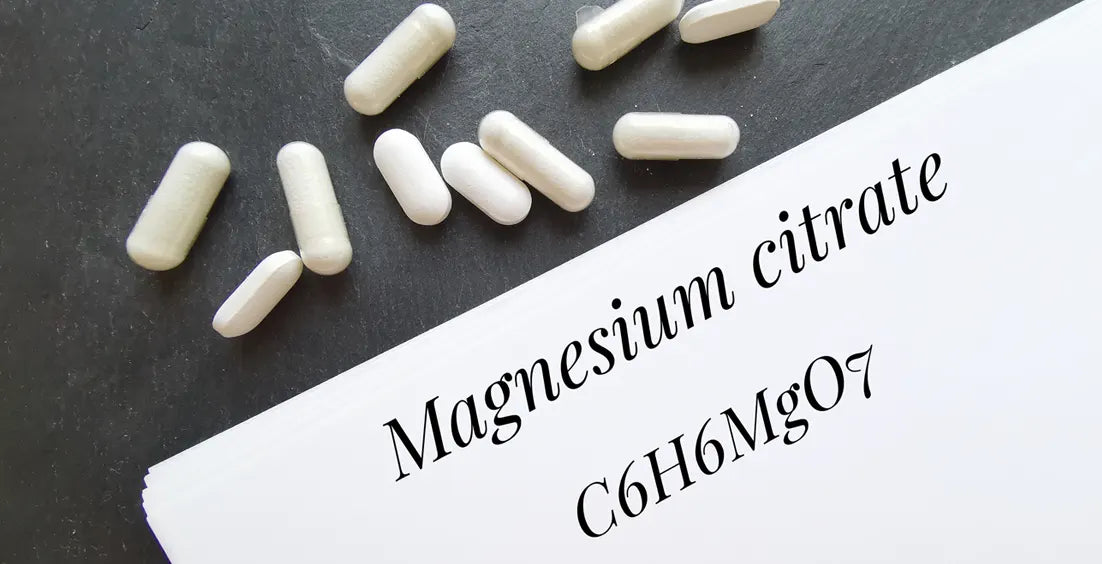
Magnesium Citrate Weight Loss Benefits
Magnesium citrate is another well-absorbed form.
It supports digestive health and may help relieve occasional constipation, which can reduce bloating and water retention. “Magnesium citrate is better absorbed but still tends to have a laxative effect,” says Dr. Hector Perez.
Magnesium Malate
Magnesium malate combines magnesium with malic acid, a compound involved in ATP energy production.
This form may appeal to active individuals who want additional support for exercise performance and energy metabolism.
Magnesium Oxide
Magnesium oxide contains a high amount of elemental magnesium but has poor absorption, making it less effective for most people seeking metabolic or sleep benefits.
Keto-Friendly Magnesium BHB
For those following ketogenic diets, magnesium bhb may offer additional metabolic support.
If you want a deeper breakdown of supplement types, see this guide on which magnesium is best for weight loss.
WOWMD magnesium supplements are expert-recommended, third-party tested, and formulated in the USA with high-quality ingredients designed for optimal absorption.
How Much Magnesium Should You Take for Weight Loss? Dosage and Timing Tips
Many readers ask: how much magnesium should I take for weight loss?
The appropriate amount typically aligns with general daily magnesium recommendations.
According to the NIH:
- Adult men: 400–420 mg per day
- Adult women: 310–320 mg per day
“I usually recommend staying in the range of 200 to 400 mg per day from supplements, depending on diet and individual tolerance” says Dr. Hector Perez
Most supplements provide 200–400 mg of elemental magnesium daily, which falls within this range.
Practical Dosage Tips
- Start with 200 mg per day and increase gradually if needed
- Take magnesium in the evening to support sleep quality
- Consistency is important—magnesium works best when taken daily
- Taking magnesium with food can reduce digestive discomfort
Magnesium also works well when combined with magnesium-rich foods such as:
- Spinach
- Pumpkin seeds
- Almonds
- Dark chocolate
“Magnesium works best alongside balanced nutrition, regular physical activity, and other lifestyle habits as part of a weight-management routine,” says Sydney Lappe, MS, RDN.
For those who prefer alternatives to capsules, options like magnesium gummies provide an easy-to-take format.
Magnesium supplementation should always be discussed with a healthcare provider. “People with kidney disease, taking certain medications (like antibiotics and osteoporosis drugs), or who use high doses long-term should use caution to reduce the risk of toxicity and drug interactions,” adds Sydney.
Advertisement


The Bottom Line on Magnesium and Weight Loss
So, is magnesium for weight loss worth considering?
Magnesium will not magically melt body fat. However, if you’re deficient—which many people are—restoring healthy magnesium levels may support weight management in meaningful ways.
By helping improve blood sugar regulation, reducing cortisol levels, supporting energy metabolism, and improving sleep quality and weight balance, magnesium creates a healthier internal environment for sustainable weight management.
“Current evidence does not support magnesium supplementation as a standalone strategy for weight loss. Its benefits are most relevant when it is part of a broader approach that includes nutrition, physical activity, and behavioral interventions,” says Dr. Flavio Mitidieri Ramos.
Among available forms, magnesium glycinate is often the top choice because it provides highly bioavailable magnesium while also supporting relaxation and sleep.
WOWMD offers science-backed, expert-recommended magnesium supplements formulated with quality ingredients you can trust.
If you’re exploring additional strategies, you may also find this guide on magnesium and vitamin d for weight loss helpful.
FAQs
Meet The Experts
- Dr. Flavio Mitidieri Ramos, MD, MSc, FASGE; Director of EndoDiagnostic Advanced treatment of Obesity, Metabolic conditions and Performance.
- Emma Zheng, a certified nutritionist, HR expert, and co-founder of SummitBreezeTea.
- Dr. Hector Perez, MD, a board-certified bariatric surgeon at Renew Bariatrics.
- Sydney Lappe, MS, RDN and writer for Top Nutrition Coaching.
This article is for informational purposes only and is not a substitute for professional medical advice, diagnosis, or treatment. Statements made on this website have not been evaluated by the U.S. Food and Drug Administration. Always consult a qualified healthcare professional before making changes to your diet, supplements, medications, or healthcare routine.
Our Top Picks

MgBalance Magnesium Powder

Oxy Burner-Active Metabolism Blend

Amino Trim Drops

References
WOWMD follows strict sourcing guidelines to ensure the accuracy of its content, outlined in our editorial policy. We use only trustworthy sources, including peer-reviewed studies, qualified experts, and information from top institutions.


- Challenges in the Diagnosis of Magnesium Status: https://pmc.ncbi.nlm.nih.gov/articles/PMC6163803/
- Magnesium - Health Professional Fact Sheet: https://ods.od.nih.gov/factsheets/Magnesium-HealthProfessional/
- Higher Magnesium Intake Reduces Risk of Impaired Glucose and Insulin Metabolism and Progression From Prediabetes to Diabetes in Middle-Aged Americans: https://pmc.ncbi.nlm.nih.gov/articles/PMC3898748/
- The Role of Magnesium in the Pathogenesis of Metabolic Disorders: https://pmc.ncbi.nlm.nih.gov/articles/PMC9103223/
- Magnesium: Health Effects, Deficiency Burden, and Future Public Health Directions: https://pmc.ncbi.nlm.nih.gov/articles/PMC12655508/
- Addressing Magnesium Deficiency Through Crop Biofortification: Plant–Soil–Human Perspective—A Review: https://pmc.ncbi.nlm.nih.gov/articles/PMC12986988/
- Magnesium increases insulin-dependent glucose uptake in adipocytes: https://pmc.ncbi.nlm.nih.gov/articles/PMC9453642/
- Magnesium Status and Stress: The Vicious Circle Concept Revisited: https://pmc.ncbi.nlm.nih.gov/articles/PMC7761127/
- Chronic Inflammation in Obesity and the Metabolic Syndrome: https://pmc.ncbi.nlm.nih.gov/articles/PMC2913796/
- Effects of Magnesium Deficiency on Mechanisms of Insulin Resistance in Type 2 Diabetes: Focusing on the Processes of Insulin Secretion and Signaling: https://pmc.ncbi.nlm.nih.gov/articles/PMC6470576/
- Effects of acute sleep loss on leptin, ghrelin, and adiponectin in adults with healthy weight and obesity: A laboratory study: https://pubmed.ncbi.nlm.nih.gov/36404495/