

Magnesium for Memory: Does It Support Cognitive Function?
Learn how magnesium may support memory, focus, and brain health. Discover the best forms of magnesium and what research says about cognitive function.
 By WOWMD Staff

 Fact Checked
Advertiser Disclosure: WOWMD independently vets all recommended products. If you purchase a featured product, we may be compensated. Learn why you can trust us.


TL;DR
- Magnesium helps improve neurotransmitter function, synaptic plasticity, and overall cognitive performance.
- Magnesium deficiency has been linked to cognitive decline, brain fog, and magnesium imbalance
- Magnesium L-threonate is one of the most researched forms for memory, as it can cross the blood-brain barrier and increase magnesium levels in the brain.
- Consistent supplementation—along with sleep, exercise, and proper nutrition is most effective for supporting memory and focus.
Introduction
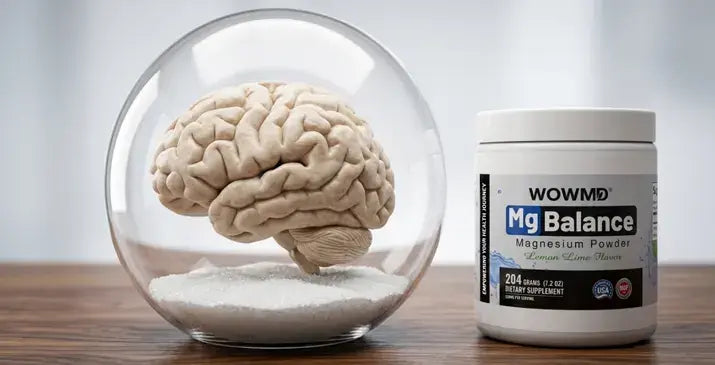
Magnesium for memory is becoming more popular and for good reason. It is an important mineral for brain health and cognitive function, especially in forms such as magnesium L-threonate, which can cross the blood-brain barrier and support synaptic function in the brain.
If you have noticed mild memory issues, difficulty concentrating, or persistent brain fog, you are not alone. Many adults experience these symptoms without realizing they may be linked to low magnesium levels. In fact, magnesium deficiency is widespread, and the brain is particularly vulnerable to these deficiencies.
This guide explores the science behind magnesium and memory, the best forms of magnesium to support cognitive function, and how magnesium can help improve memory and focus. We will also discuss what to consider when choosing a supplement.
High-quality magnesium sources can help address nutritional gaps, and some brands, such as WOWMD, offer science-based, expert-recommended options designed to support brain health.
Why Magnesium Is Essential for Memory and Brain Health
Magnesium for memory begins with understanding the role of magnesium in the body and brain. There are more than 300 known enzyme reactions that require magnesium, with many of these reactions directly benefiting the nervous system function, energy generation, and cognitive processes. This is why magnesium and memory are closely related at a biological level.
One of magnesium’s most important functions is regulating neurotransmitters, the chemical messengers, that enable the brain cells to communicate effectively. According to the study published in the Nutrients journal, magnesium plays an essential role in nerve transmission and neuromuscular conduction in humans.
When magnesium levels are normal, these messages remain balanced and can be used to aid in learning, memory formation, and concentration. This balance is important to the brain as it helps the brain to have healthy synaptic connections, particularly in those parts of the brain such as the hippocampus, which is critical in memory consolidation.
A study by the NIH Office of Dietary Supplements also shows the connection between magnesium deficiency and cognitive decline. Reduced magnesium has been linked to impaired cognitive ability, poor recollection, and an augmented risk of age-related alterations of the brain. Subclinical deficiency is common and frequently ignored, as over 50 percent of the adult population fails to take the recommended daily intake of magnesium.
Such deficiencies are often manifested as normal symptoms. Such problems as brain fog and magnesium imbalance are interrelated and cause mental exhaustion, inability to focus, irritability, and lack of mental sharpness. When you have been experiencing brain fog or forgetfulness, you are not alone, and magnesium could be a missing element.
Magnesium is necessary for the proper functioning of the brain and nerves, and low levels may affect cognition, explains Dr.David Wolff, MD
Therefore, does magnesium enhance memory? The evidence is yes, but not as a quick fix. Magnesium is not a “smart drug.” Rather, it operates through restoration and maintenance of the natural processes in the brain with time. Through a combination with other brain-enhancing nutrients, including vitamins to boost memory, cognitive health can be further improved by using magnesium.
Advertisement


What the Research Says About Magnesium and Cognitive Function
The role of magnesium in cognitive functioning is supported by a growing body of research, which explains how this essential mineral works at the brain level to support learning and memory.
The NMDA receptor, a type of glutamate receptor, is one of the key mechanisms involved in synaptic plasticity, which refers to the brain’s ability to adapt, learn, and retain new information. Magnesium helps regulate these receptors and maintain balanced neuronal signaling. By maintaining this balance, the brain is better able to create and store memories.
When magnesium levels in the brain are optimal, studies indicate that synaptic density (the strength and effectiveness of connections between neurons) improves. This increased interconnectedness supports better working memory, faster information processing, and improved recall.
Recent research has focused heavily on magnesium L-threonate. According to the study published in Nutrients journal on December in 2022, this double-blind, placebo-controlled human trial on 109 healthy Chinese adults (aged 18–65) shows that magnesium L-threonate (Magtein®PS) at 2g/day significantly improved memory and cognition.
Early findings suggest that magnesium L-threonate may help support both short-term and long-term memory over time, although results may vary.
Research on cognitive aging also suggests that magnesium is beneficial for brain health. Higher dietary magnesium intake has been associated with improved cognitive function in older adults, indicating its potential as a long-term neuroprotective agent. A review published in Frontiers in Endocrinology in 2024 shows that magnesium offers neuroprotection against neuroinflammation and cognitive decline. However, not all forms of magnesium are equally effective for brain function, as not all can easily cross the blood-brain barrier.
Although magnesium for memory may have positive effects, its impact may vary between individuals. Supplements are most effective when combined with basic lifestyle habits such as good sleep, regular exercise, and ongoing mental stimulation. To explore this further, read our in-depth piece on magnesium and brain health.
How to Take Magnesium for Memory and Focus: Dosage and Timing Tips
Best Magnesium for memory and focus works best when used consistently and with the right approach. While it’s not an instant solution, regular supplementation can support cognitive performance over time. So if you’re wondering whether magnesium helps memory, the answer is yes—especially when used consistently.
For targeted cognitive support, magnesium L-threonate is commonly studied at doses of 1,500–2,000 mg of the compound, providing about 144 mg of elemental magnesium. This form is often used as a memory and focus supplement due to its ability to support brain function more directly. If you’re exploring options, magnesium threonate supplements are frequently chosen for this purpose. For general health, other forms of magnesium can help meet the recommended daily intake of 310–420 mg, depending on age and sex.
Timing can be flexible. Some people take magnesium in the morning to support focus and reduce symptoms associated with brain fog and magnesium imbalance, while others prefer taking it at night due to its calming effects. Since sleep plays a critical role in memory consolidation, combining magnesium with products like magnesium for sleep may offer additional benefits.
For adults age 51 and older, the recommended intake is 320 mg/day for women and 420 mg/day for men. The tolerable upper intake level for magnesium supplements is 350 mg/day unless otherwise directed, explains Dr. Michael Genovese MD
Consistency matters more than timing. Research suggests that magnesium may support working memory, with noticeable benefits often appearing after several weeks rather than immediately.
Magnesium L-threonate isn’t available, you can still support your magnesium levels through a balanced diet and regular supplementation. Pairing magnesium with good sleep, regular exercise, and stress management can further enhance results. Always consult a healthcare provider before starting any new supplement, especially if you have existing health conditions or take medications.
Advertisement


Best Magnesium for Memory: Comparing Forms and What to Look For
The effectiveness of magnesium for memory largely depends on its form, as different types vary in absorption, effectiveness, and impact on the brain. Understanding these differences is important when choosing the right cognitive support supplement for your needs.
Magnesium L-threonate is often highlighted for its targeted cognitive benefits. Its ability to cross the blood-brain barrier allows it to increase magnesium levels in the brain and help maintain synaptic density, making it particularly relevant for memory support and cognitive aging.
Another strong option is magnesium glycinate. It is known for its high bioavailability, is easy to digest, and supports relaxation and sleep—both of which are important for memory formation. If you’re looking for a supplement, magnesium glycinate can be a good choice, especially if improving sleep is a priority.
Magnesium complex formulas combine multiple forms to provide broader support. These blends may include forms such as threonate and glycinate, offering both targeted and general benefits. Magnesium complex supplements are often recommended for those seeking a more balanced approach.
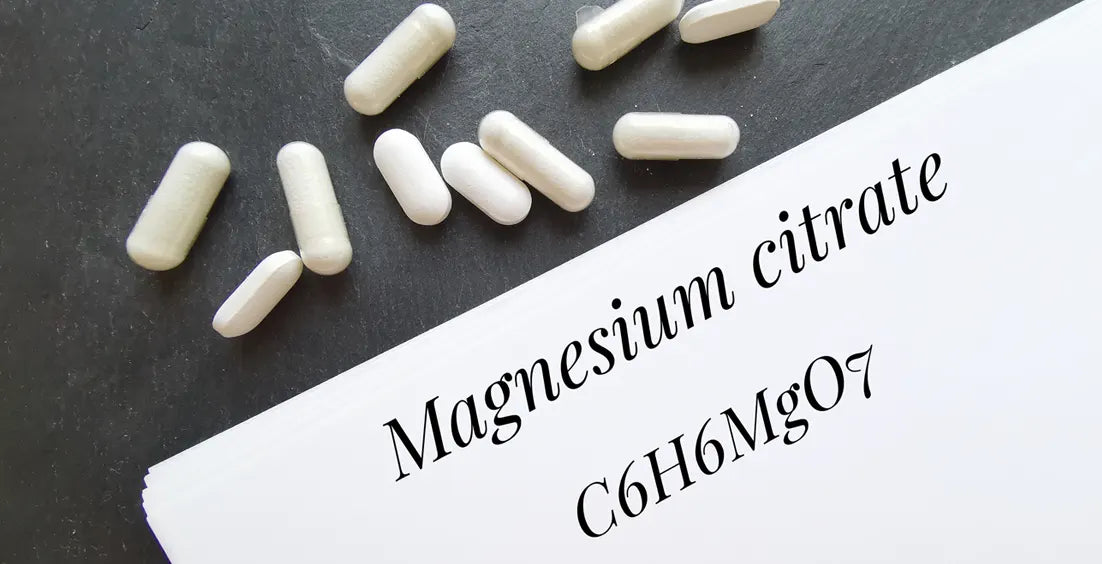
Magnesium oxide, however, has low bioavailability and offers limited cognitive benefits. While magnesium citrate is well absorbed, it is typically used for digestive support rather than brain health.
Forms of magnesium with good absorption include citrate, chloride, lactate, and aspartate. Magnesium L-threonate is the most popular form tested for cognitive function, Dr. David Wolff, MD
When choosing a supplement, look for third-party testing, clear labeling, appropriate levels of elemental magnesium, and clean formulations without unnecessary fillers. Quality options, such as WOWMD magnesium supplements, are professionally formulated, produced in the USA, and designed to support brain health.
To further support your decision, you can also explore natural supplements for brain health or refer to our guide to the best magnesium for brain health for more detailed information.
Magnesium Works Best Alongside These Brain-Healthy Habits
Magnesium for memory works best when combined with healthy lifestyle habits that support overall brain function. Although supplementation can be beneficial, it should be part of a more comprehensive and balanced approach to cognitive health.
Magnesium regulates nerve conduction, cellular energy production, and the normal functioning of communication among nerve cells, explains Dr. David Wolff, MD
One of the most important factors is sleep. Memory consolidation occurs during sleep, and magnesium’s calming effects may help improve sleep quality, which in turn supports memory.
Exercise is also important. Regular aerobic activity increases brain-derived neurotrophic factor (BDNF), which supports neuron health, learning, and long-term memory.
Stress management is another key factor. Chronic stress raises cortisol levels, which may deplete magnesium and negatively impact memory. Managing stress can help maintain magnesium balance and support cognitive function.
Diet is the foundation. Magnesium-rich foods, such as leafy greens, nuts, seeds, and legumes, help support brain health alongside supplementation.
Mental engagement also plays an important role. Activities such as puzzles, learning new skills, and social interaction can help maintain cognitive strength over time. If brain fog is a primary concern, additional strategies to improve mental clarity may also be helpful.
Finally, magnesium can support memory and concentration as part of a healthy routine, serving as a supportive, neuroprotective, and effective working memory supplement.
Advertisement


Start Supporting Your Memory with the Right Magnesium Supplement
Magnesium is essential for brain function, supporting the balance of neurotransmitters, synaptic connections, and overall cognitive performance.
Magnesium L-threonate is one of the most targeted forms for memory support, while magnesium glycinate offers broader benefits, especially for sleep and relaxation.
Magnesium L-threonate has demonstrated promising preliminary results in a small number of clinical trials; however, it is too early to make generalizations regarding its status as the best form for brain health. Dr. Michael Genovese, MD
Consistency is important—meaningful results typically come after several weeks of regular use, not immediately.
WOWMD offers magnesium supplements that are science-based, expert-recommended, and designed for quality and effectiveness. Choosing the right supplement can make a difference in supporting brain health.
Read Next: Can Magnesium Help with Morning Sickness? What Pregnant Women Should Know
Disclaimer: Individual results may vary. These supplements are not intended to diagnose, treat, cure, or prevent any disease. Consult your healthcare provider before starting any supplement regimen.
FAQs
Meet The Experts
- Dr. Michael Genovese, MD, A Chief Medical Advisor at AscendantNY
- Dr. David Wolff, Board-Certified in Addiction Medicine and Psychiatry.
This article is for informational purposes only and is not a substitute for professional medical advice, diagnosis, or treatment. Statements made on this website have not been evaluated by the U.S. Food and Drug Administration. Always consult a qualified healthcare professional before making changes to your diet, supplements, medications, or healthcare routine.
Our Top Picks

Neuro Plus Brain & Focus Formula

Ginkgo Biloba

Saffron Extract

References
WOWMD follows strict sourcing guidelines to ensure the accuracy of its content, outlined in our editorial policy. We use only trustworthy sources, including peer-reviewed studies, qualified experts, and information from top institutions.


- NIH Office of Dietary Supplements — Magnesium Fact Sheet for Health Professionals: https://ods.od.nih.gov/factsheets/magnesium-healthprofessional/
- PubMed: Magnesium L-Threonate and Cognitive Function in Adults (Clinical Trial): https://pmc.ncbi.nlm.nih.gov/articles/PMC12832366/
- CDC — Cognitive Health and Older Adults: https://www.nia.nih.gov/health/brain-health/cognitive-health-and-older-adults
- Intracellular magnesium optimizes transmission efficiency and plasticity of hippocampal synapses by reconfiguring their connectivity: https://pmc.ncbi.nlm.nih.gov/articles/PMC11035601/
- A Magtein® (Magnesium L-Threonate-Based Formula) Improves Brain Cognitive Functions in Healthy Chinese Adults: https://pmc.ncbi.nlm.nih.gov/articles/PMC9786204/
- Neuroprotective effects of magnesium: implications for neuroinflammation and cognitive decline: https://pmc.ncbi.nlm.nih.gov/articles/PMC11461281/