

Health Benefits of Magnesium: Dietician Explained
Discover the magnesium benefits, from supporting muscles and sleep to heart and bone health. Learn why this essential mineral matters every day.
 By WOWMD Staff

 Fact Checked
Advertiser Disclosure: WOWMD independently vets all recommended products. If you purchase a featured product, we may be compensated. Learn why you can trust us.


Magnesium benefits affect almost all the systems in the human body because this mandatory mineral plays a key role in sleep, muscle function, and a balanced nervous system.
Magnesium is a mineral involved in over 300 processes within your body, including repairing DNA, maintaining cellular metabolism and providing energy at the cellular level, says Dr. Olga Bachilo.
Adequate magnesium helps maintain a healthy electrolyte balance, promote better sleep, reduced stress, proper muscle recovery, heart health, and strong bones, making it one of the most important nutrients for daily wellness.
Despite this, many Americans don’t get enough magnesium through diet alone. In fact, approximately 48% of Americans do not consume the recommended daily allowance of magnesium, adds Dr. Bachilo.
This may contribute to fatigue, muscle tension, and poor sleep. That’s why many experts recommend adding a high-quality magnesium supplement—including the expert-formulated options available from WOWMD.
In this article, we’ll explore how magnesium works in the body, its top health benefits, recommended dosage, and how to choose the best form for your needs.
TL;DR
- Magnesium supports over 300 enzymatic reactions, helping regulate sleep, muscle function, stress response, heart health, and cellular energy production.
- Some of the key magnesium benefits include improved sleep, muscle recovery, blood pressure regulation, bone strength, and immune support.
- Recommended magnesium dosage typically ranges from 200 to 400 mg daily.
- Choosing the right magnesium supplement form, from glycinate, citrate, complex, powder, or topical can improve absorption and better support specific health goals.
What Is Magnesium and Why Does Your Body Need It?
Magnesium is an essential mineral that plays a vital role in a number of activities. Magnesium for health encompasses everything from energy production to nerve communication and muscle function.
It is the fourth most abundant mineral in the human body. When people talk about magnesium health, they’re referring to its broad impact on metabolism, cognitive function, and muscle activity.
One of magnesium’s most important roles is acting as a cofactor in 300+ enzymatic reactions. According to a 2024 review, these reactions help the body produce ATP (adenosine triphosphate) - a molecule that powers cellular energy. The review also notes that magnesium supports protein synthesis, nerve signaling, muscle contraction, DNA repair, and blood glucose regulation.
Because it functions as both an electrolyte and enzyme activator, magnesium essentially “switches on” processes that allow cells and organs to work efficiently. This is why the health benefits of magnesium extend across many body systems.
Despite its importance, magnesium deficiency is surprisingly common. According to the NIH Office of Dietary Supplements, almost half of Americans do not meet the recommended daily magnesium intake.
Low dietary intake is the primary cause, though soil depletion, chronic stress, alcohol consumption, and certain medications can further lower magnesium levels. The NIH outlines these risks and intake recommendations.
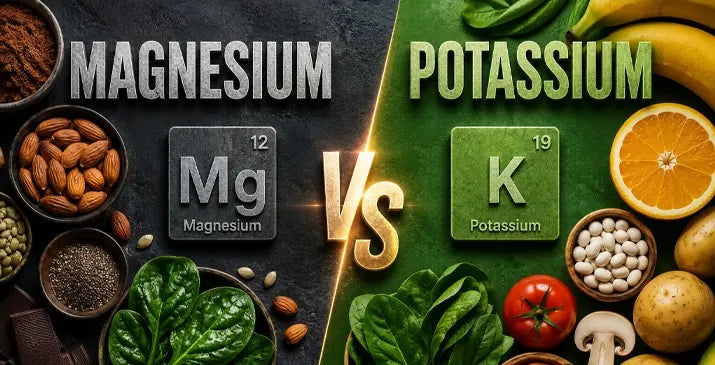
Common magnesium deficiency symptoms include fatigue, muscle cramps, trouble sleeping, anxiety, headaches, and constipation. While foods like leafy greens, nuts, seeds, and whole grains contain magnesium, diet alone may not always provide enough.
For this reason, many people turn to magnesium supplements to support daily intake. If you want to explore the topic further, read this guide on magnesium deficiency.
Advertisement


The Top 12 Health Benefits of Magnesium
The magnesium health benefits extend across nearly every major system in the body, from energy production and nerve signaling to maintaining electrolyte balance.
Magnesium supports many functions essential for overall wellness. In fact, research summarized in PubMed shows that magnesium influences metabolic, neurological, and cardiovascular function. Below are 12 important benefits of magnesium that contribute to daily health.
1. Better Sleep Quality
In the nervous system, magnesium regulates NMDA receptors and supports GABA activity, helping reduce excitability, lower cortisol, and improve sleep quality, says Dr. Ndidi Ihim.
Studies suggest magnesium activates the parasympathetic nervous system, helping the body shift into “rest and digest” mode.
Magnesium helps support sleep by calming the nervous systems and regulating melatonin as part of our sleep-wake cycles, says Adrienne Raimo, Integrative & Functional Dietitian.
This is why, many people explore magnesium for sleep supplements to support deeper rest.
2. Stress and Anxiety Relief
Magnesium regulates the NMDA receptor, which controls excitatory signaling. Deficiency can contribute to heightened sensitivity, anxiety, and an overactive stress response, explains Aubree Felderhoff, Board Certified Holistic Health Practitioner.
Research suggests that adequate magnesium may help the body respond to stress more calmly. You can learn more in this guide on magnesium for stress.
3. Muscle Function and Recovery
Magnesium supports healthy muscle contraction and relaxation.
I have observed muscle cramps disappear in 30 minutes of magnesium administration in clinics with resources limitations says Dr. Alexander Acosta.
Studies show it helps maintain electrolyte balance, which may reduce cramps and support post-exercise recovery.
4. Heart Health and Blood Pressure Support
Magnesium supports the cardiovascular system by relaxing blood vessel walls and helping maintain a normal heart rhythm.
Dr. Jonathan Spages says, we usually notice that when our patients have low levels of magnesium, they tend to show signs of having a tight vascular. On the other hand, when magnesium levels are improved, results show much steadier blood pressure readings.
5. Bone Strength and Density
About 60% of the body’s magnesium is stored in bones, where it contributes to bone metabolism. Studies show magnesium works alongside calcium and vitamin D to support healthy bone density.
6. Blood Sugar Regulation
Magnesium is required for insulin receptor function. Low levels are consistently linked to impaired insulin sensitivity and increased type 2 diabetes risk, says Dr. Bachilo. Research suggests adequate magnesium levels help cells respond more effectively to insulin.
7. Energy Production
As quoted, magnesium is required for the production of ATP (adenosine triphosphate)—the body’s main energy molecule. Low magnesium levels may contribute to fatigue and reduced cellular energy.
8. Cognitive Function and Brain Health
Magnesium supports neurotransmitter activity and healthy nerve signaling. Emerging research suggests certain forms, such as magnesium L-threonate, may support memory and learning.
9. Mood and Emotional Well-Being
Magnesium is a 'gatekeeper' of the NMDA receptor, which mediates mood and response to stress, says Dr. Wilfred van Gorp.
Some studies suggest low magnesium levels are linked to mood changes. Improving magnesium intake may support emotional balance and overall mental wellness.
10. Digestive Health and Constipation Relief
Certain forms of magnesium draw water into the intestines, helping promote regular bowel movements.
Dr. Carmen Fong explains, Magnesium supplements relieve constipation by attracting water into the intestines, which softens stools and promotes bowel movements by stimulating intestinal muscle contractions.
Because of this effect, magnesium for constipation supplements are commonly used.
11. Migraine Prevention
Research suggests magnesium deficiency may be associated with migraine frequency. Supplementation may help reduce the occurrence of migraines in some individuals.
12. Immune System Support
Studies show magnesium helps regulate inflammatory responses and supports white blood cell activity. Studies show adequate magnesium intake contributes to balanced immune function.
Together, these wide-ranging effects highlight why many experts emphasize the magnesium supplement benefits of maintaining healthy magnesium levels for whole-body wellness.
Magnesium Dosage: How Much Do You Need Daily?
Understanding the right magnesium dosage is important for getting the full health benefits while maintaining safety. According to guidelines from the NIH Office of Dietary Supplements, the RDA for magnesium varies by age and sex. For most adults, the recommended intake is about 400–420mg per day for men and 310–320mg per day for women.
Magnesium Dosage for Women
The topic of magnesium dosage for women deserves special attention because hormonal changes can influence magnesium needs throughout life.
According to NIH, for adult women, the standard baseline recommendation is around 320mg per day, but some may benefit from slightly higher intake depending on lifestyle and health factors.
Magnesium is commonly used to support symptoms associated with PMS, pregnancy, and menopause, such as muscle tension, fatigue, or sleep disturbances. Individual needs can vary, so it’s best to view these recommendations as general guidelines rather than strict rules.
Typical Magnesium Supplement Dosages
Most magnesium supplements provide 200–400mg of elemental magnesium per day. Starting at the lower end, around 200mg can help you assess tolerance before increasing your intake if needed.
Flexible forms like magnesium powder or calming drink mixes such as calm magnesium powder make it easy to adjust dosage while supporting relaxation and hydration.
Can Diet Provide Enough Magnesium?
In theory, diet alone could meet daily requirements. Magnesium-rich foods like spinach, almonds, pumpkin seeds, legumes, and whole grains can provide roughly 150–300 mg of magnesium per day, but modern diets often fall short. If you want to focus on nutrition first, this guide on magnesium-rich foods can help you optimize your diet.
Many people prefer taking magnesium in the evening, since it may promote relaxation and better sleep. Taking it with food can also reduce the chance of digestive discomfort.
As with any supplement, it’s wise to consult a healthcare provider before starting magnesium, especially if you take medications or have kidney conditions.
Advertisement


Magnesium Benefits by Health Goal: Sleep, Stress, Muscles, and More
One of the reasons magnesium for health is so widely recommended is its versatility. The same mineral that supports cellular energy and nerve signaling can also help address specific wellness goals from better sleep to improved athletic recovery.
Below are some of the most common ways people use magnesium to support targeted health needs.
For Sleep
As quoted above, magnesium helps activate GABA (gamma-aminobutyric acid) receptors in the brain, which calms neural activity and promotes relaxation. Magnesium also supports healthy melatonin production, the hormone that regulates the sleep–wake cycle. Many people prefer forms like magnesium glycinate for evening use. If sleep support is your goal, explore options in the magnesium for sleep collection.
For Stress and Anxiety
It helps regulate the HPA axis (hypothalamic-pituitary-adrenal axis), which controls the release of stress and cortisol hormones. By supporting neurotransmitter balance, magnesium may promote a calmer mood and improved resilience during stressful periods. Many people include a calm magnesium supplement as part of their daily stress-management routine.
For Muscle Recovery and Performance
Athletes and active individuals often require higher magnesium intake because the mineral is lost through sweat and used heavily during exercise. Magnesium helps muscles contract and help reduce lactic acid buildup after intense activity. These magnesium supplement benefits can support faster recovery and fewer cramps.
For Women’s Health
Magnesium plays a supportive role in hormone balance and can help ease symptoms associated with PMS, including mood changes, fatigue, and muscle tension. It also contributes to maintaining healthy bone density, which becomes increasingly important during and after menopause. For a deeper look, see this article on magnesium benefits for women.
For Heart and Metabolic Health
As quoted above, magnesium supports the cardiovascular system by promoting healthy blood pressure regulation and proper heart rhythm. It also helps maintain insulin sensitivity, making it a valuable nutrient for metabolic health and balanced blood sugar levels.
Choosing the Best Magnesium Supplement: Forms, Quality Markers, and Delivery Options
With many options available, choosing the right magnesium supplement comes down to understanding forms, absorption (bioavailability), and delivery formats that fit your health goals and lifestyle.
Common Magnesium Forms
Different forms of magnesium offer slightly different benefits.
Magnesium glycinate is often recommended for sleep, stress support, and general supplementation because it has high bioavailability and is gentle on digestion.
Magnesium glycinate is easily absorbed and is well-tolerated in regards to its gastrointestinal side effects, so this is the magnesium supplement I recommend for surgical patients recovering from surgery, says Dr. Bachilo.
You can explore options like magnesium glycinate if relaxation or nervous system support is your priority.
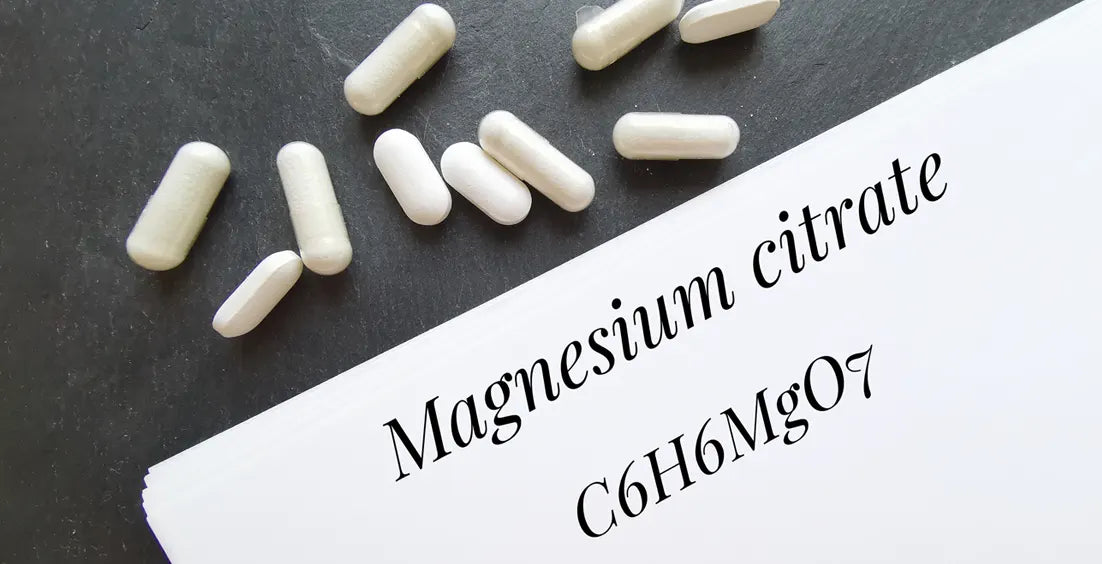
Magnesium citrate is another well-absorbed form and is commonly used for digestive health and occasional constipation support. You can learn more about this option in the magnesium citrate collection.
Some supplements combine multiple forms together. These blends, often called magnesium complexes, can provide broader support for energy, muscle recovery, and overall wellness. These magnesium complex benefits come from leveraging different magnesium forms in a single formula—see options like magnesium glycinate.
Another option is chelated magnesium, where magnesium is bonded to amino acids for improved absorption. This structure supports strong bioavailability and digestive tolerance.
Delivery Formats
Magnesium supplements are available in several convenient form. Capsules and tablets offer simple daily dosing, and the magnesium pill benefits include portability and convenience.
Powders provide flexible dosing and easy mixing into drinks, which many people prefer in the evening. These magnesium powder benefits make them popular for relaxation routines.
For those who dislike pills, magnesium gummies provide an easy alternative. Topical products like magnesium spray deliver transdermal magnesium, which may help target localized muscle discomfort.
Quality Markers to Look For
Look for supplements that are third-party tested, clearly list elemental magnesium content, are made in the USA, and avoid unnecessary fillers. WOWMD magnesium supplements are designed with expert guidance, science-backed ingredients, and premium manufacturing standards.
If you’d like a deeper comparison of forms, this guide on types of magnesium supplements explains them in more detail.
Advertisement


Start Experiencing the Benefits of Magnesium with the Right Supplement
The wide-ranging magnesium benefits make this nutrient one of the most important foundations for overall wellness. From better sleep and reduced stress to stronger muscles, improved heart health, balanced blood sugar, and steady energy levels, the health benefits of magnesium touch nearly every system in the body. As an essential mineral, magnesium supports hundreds of biological processes that keep your body functioning at its best.
While magnesium-rich foods like leafy greens, nuts, and whole grains can contribute to daily intake, many people still fall short of optimal levels through diet alone. That’s why adding a high-quality supplement can be a practical way to support consistent magnesium intake and maintain long-term health.
WOWMD offers a comprehensive range of expert-recommended magnesium options from highly absorbable glycinate capsules and balanced complex formulas to convenient powders and topical sprays. This variety makes it easier to find a format that fits your routine and supports your specific health goals.
If you’re ready to support better sleep, relaxation, and overall wellness, browse our magnesium supplements collection to find the right magnesium for your needs.
Individual results may vary. These statements have not been evaluated by the FDA. Supplements are not intended to diagnose, treat, cure, or prevent any disease. Consult your healthcare provider before starting any new supplement.
FAQs
Meet the Experts
- Olga Bachilo, MD, FACS
- Dr. Ndidi Ihim, a Doctor of Pharmacy and Certified Functional Medicine & Nutrition Practitioner
- Adrienne Raimo, Integrative & Functional Dietitian
- Aubree Felderhoff, Mold Recovery Specialist | Board Certified Holistic Health Practitioner
- Alexander Acosta, MD | Academic and Clinical Research | Medical Writer
- Dr. Jonathan Spages, Doctor at Advanced Natural Health Center
- Dr. Wilfred van Gorp, a Board-Certified Neuropsychologist and Director of Cognitive Assessment Group
- Dr. Carmen Fong, Chief Medical Officer of Bummed and author of Constipation Nation
This article is for informational purposes only and is not a substitute for professional medical advice, diagnosis, or treatment. Statements made on this website have not been evaluated by the U.S. Food and Drug Administration. Always consult a qualified healthcare professional before making changes to your diet, supplements, medications, or healthcare routine.
Our Top Picks

MgBalance Magnesium Powder


References
WOWMD follows strict sourcing guidelines to ensure the accuracy of its content, outlined in our editorial policy. We use only trustworthy sources, including peer-reviewed studies, qualified experts, and information from top institutions.


- NIH Office of Dietary Supplements — Magnesium Fact Sheet for Health Professionals: https://ods.od.nih.gov/factsheets/Magnesium-HealthProfessional/
- PubMed: Magnesium in Disease Prevention and Overall Health (Volpe, 2013): https://pubmed.ncbi.nlm.nih.gov/23674807/
- National Institutes of Health — Magnesium and Health Outcomes Research: https://pmc.ncbi.nlm.nih.gov/articles/PMC5637834/
- A Magtein®, Magnesium L-Threonate, -Based Formula Improves Brain Cognitive Functions in Healthy Chinese Adults: https://pmc.ncbi.nlm.nih.gov/articles/PMC9786204/
- Magnesium Status and Stress: The Vicious Circle Concept Revisited: https://pmc.ncbi.nlm.nih.gov/articles/PMC7761127/
- National Institutes of Health — Magnesium Matters: A Comprehensive Review of Its Vital Role in Health and Diseases: https://pmc.ncbi.nlm.nih.gov/articles/PMC11557730/
- National Institutes of Health — Magnesium Status and Stress: The Vicious Circle Concept Revisited: https://pmc.ncbi.nlm.nih.gov/articles/PMC7761127/
- National Institutes of Health — The Importance of Vitamin D and Magnesium in Athletes: https://pmc.ncbi.nlm.nih.gov/articles/PMC12114196/
- MDPI Nutrients — Magnesium and Migraine: https://www.mdpi.com/2072-6643/17/4/725
- National Institutes of Health — A Narrative Review on the Role of Magnesium in Immune Regulation, Inflammation, Infectious Diseases, and Cancer: https://pmc.ncbi.nlm.nih.gov/articles/PMC10375690/
- NIH Office of Dietary Supplements — Magnesium Fact Sheet for Consumers: https://ods.od.nih.gov/factsheets/Magnesium-Consumer/
- National Institutes of Health — Magnesium Deficiency Induces Anxiety and HPA Axis Dysregulation: Modulation by Therapeutic Drug Treatment: https://pmc.ncbi.nlm.nih.gov/articles/PMC3198864/
- National Institutes of Health — Can Magnesium Enhance Exercise Performance?: https://pmc.ncbi.nlm.nih.gov/articles/PMC5622706/
- National Institutes of Health — Magnesium: Exploring Gender Differences in Its Health Impact and Dietary Intake: https://pmc.ncbi.nlm.nih.gov/articles/PMC12251677/
- The use of a magnesium-based bone adhesive for flexor tendon-to-bone healing: https://pmc.ncbi.nlm.nih.gov/articles/PMC2806650/