

Magnesium for Relaxation: Does It Actually Work?
Learn how magnesium may support relaxation, stress management, and better sleep. Discover benefits and tips for getting enough magnesium.
 By WOWMD Staff

 Fact Checked
Advertiser Disclosure: WOWMD independently vets all recommended products. If you purchase a featured product, we may be compensated. Learn why you can trust us.


Introduction
Magnesium for relaxation is one of the most researched and effective ways to support a calm body and mind naturally, and it works through multiple biological pathways, not just one. From supporting the nervous system to easing muscle tension and regulating stress hormones, magnesium plays a central role in how your body handles anxiety and unwinds at the end of the day.
Many people don’t realize that they may not be getting enough magnesium, and this can show up as restlessness, tension, irritability, and trouble sleeping. That’s why many wellness experts, including those at WOWMD, often recommend high-quality magnesium supplementation as part of a daily relaxation routine.
If you’re considering adding one, explore these science-backed magnesium supplements to support your relaxation and anxiety-management routine.
In this guide, you’ll learn how magnesium calms the nervous system, which form is best for relaxation, how to use it effectively, and how to choose a high-quality supplement.
TL;DR
- Magnesium for relaxation helps calm the nervous system, regulate cortisol, and support GABA for a more relaxed state.
- Low magnesium levels can lead to magnesium deficiency symptoms like tension, irritability, and poor sleep.
- Magnesium supports muscle relaxation, helps reduce physical tension and improves sleep quality.
- Magnesium glycinate for relaxation is often considered the best magnesium for anxiety and stress due to its calming and highly absorbable form.
- Take magnesium daily (around 200–400 mg) as part of a natural relaxation supplement routine for best results.
Why Magnesium is Essential for Relaxation and Anxiety Relief?
According to research, magnesium for relaxation works because this mineral is deeply involved in the body’s stress response and nervous system regulation. In fact, magnesium is required for more than 300 enzymatic reactions in the body, many of which directly influence how your body responds to anxiety and how easily it can relax.
“Magnesium is known as a calcium channel blocker. Calcium levels in the neurons need to be controlled by magnesium, which means that magnesium deficiency can disrupt this balance between excitation and inhibition of neurons. Magnesium deficiency occurs under prolonged periods of stress due to its increased excretion through urine, resulting in an enhanced stress reaction cycle, making people wired but tired,"explains Jane Moon.
One of magnesium’s key roles is acting as a natural calcium antagonist. Calcium helps muscles contract and stimulates nerve activity, while magnesium helps muscles relax and supports a calmer nervous system.
This balance is essential, when magnesium levels are low, the body may have a harder time winding down, which is why magnesium and anxiety are so closely connected.
According to the NIH Office of Dietary Supplements, a significant portion of adults do not meet the recommended daily intake for magnesium. This matters because magnesium deficiency symptoms often look a lot like everyday stress: muscle tightness, irritability, trouble sleeping, fatigue, and difficulty relaxing.
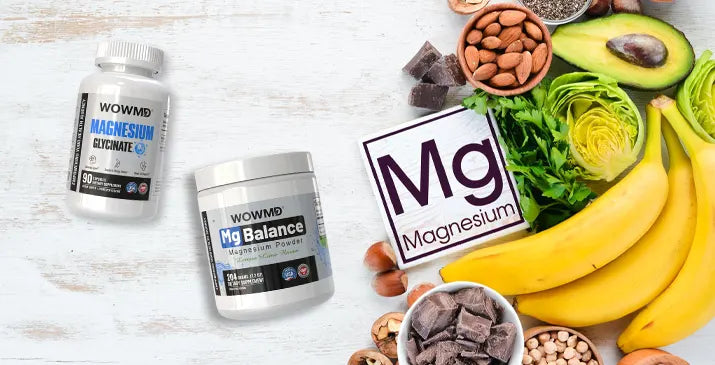
Modern diets can make it difficult to get enough magnesium from food alone. While foods like leafy greens, nuts, and seeds contain magnesium, soil depletion and food processing can reduce the amount we actually consume.
This is one reason many people turn to a natural relaxation supplement to help fill the gap. If stress and tension are ongoing concerns, you can also explore how magnesium for stress supports the body’s stress response and overall relaxation.
Low magnesium levels may also influence the body’s HPA axis, the system responsible for regulating the stress response and cortisol production. When magnesium is insufficient, the stress response may become more reactive, making it harder for the body to shift into a calm state.
This further explains the connection between magnesium and anxiety relief and why restoring healthy magnesium levels can support a more balanced nervous system over time.
The key takeaway: if your body doesn’t have enough magnesium, relaxing both mentally and physically becomes much harder.
Advertisement


How Magnesium Calms the Nervous System: The Science Explained
Magnesium’s calming effect is closely linked to its role in supporting the magnesium–nervous system connection and overall brain function. Rather than acting as a sedative, magnesium works by regulating several neurological pathways that control anxiety, mood, and relaxation.
One of magnesium’s most important roles is regulating NMDA receptors, which are activated by glutamate, the brain’s primary excitatory neurotransmitter. When these receptors are overstimulated, the nervous system becomes more alert, overstimulated, and stressed.
Magnesium naturally blocks NMDA receptor activity, helping reduce excessive neural firing and promote a calmer mental state. This is one of the primary biological mechanisms behind the magnesium calming effect.
Magnesium also supports GABA (gamma-aminobutyric acid), the brain’s primary inhibitory neurotransmitter. GABA helps quiet the brain, reduce mental overstimulation, and support sleep onset.
“Magnesium acts as an enhancer of GABA effects, the primary inhibitor in the nervous system. It regulates the functioning of the hypothalamic-pituitary-adrenal system that controls cortisol production during stress response. Furthermore, magnesium acts as a membrane stabilizer and calcium antagonist, preventing neuronal hyperexcitability,” emphasizes Jane Moon.
The relationship between magnesium GABA activity and relaxation is one of the main reasons magnesium is commonly used to support stress reduction and sleep quality. When magnesium levels are adequate, the brain is better able to maintain a balanced, calm state rather than staying in a constant state of alertness.
Another important mechanism involves magnesium cortisol regulation. Magnesium plays a role in regulating the HPA axis (hypothalamic-pituitary-adrenal axis), which controls cortisol production, the body’s main stress hormone.
When magnesium levels are low, cortisol levels may remain elevated, which can make it difficult for the body to relax and recover from stress. Supporting healthy magnesium levels may help the body maintain a more balanced stress response over time. You can learn more about this in does magnesium lower cortisol.
Magnesium supports the nervous system, especially the parasympathetic “rest and digest” state that helps your body relax, recover, and sleep. This is why magnesium for relaxation works best when taken consistently over time rather than as a one-time solution. Instead of forcing relaxation, magnesium supports the body’s natural ability to shift into a calm, balanced state.
Scientific reviews have even described magnesium deficiency and stress as a “vicious cycle,” where stress depletes magnesium and low magnesium increases stress sensitivity. This further explains why restoring magnesium levels can have such a noticeable impact on relaxation, mood, and overall nervous system balance.
Beyond the Mind: How Magnesium Supports Muscle Relaxation and Physical Tension
Relaxation isn’t just mental; it’s physical too. Magnesium muscle relaxation is one of the most noticeable and immediate benefits people experience when they increase their magnesium intake. At a cellular level, magnesium works as a natural calcium antagonist.
“Magnesium plays a crucial role in regulating processes of muscle contraction and relaxation, competing with calcium ions for binding sites in a muscle fiber. In contrast to calcium, which causes contraction, magnesium is responsible for the opposite process—calcium release from muscles. The absence of magnesium leads to incomplete muscle relaxation, causing muscle tension, cramps, and physical manifestations of stress such as "shoulder" pains and tension headaches,” points out Jane Moon.
Many people carry stress physically in their shoulders, neck, jaw, or lower back. This is why magnesium for relaxation often helps people feel physically calmer before they even notice mental relaxation.
When the body relaxes, the nervous system receives signals that it is safe to shift into a calmer state, which supports the parasympathetic nervous system, the body’s “rest and digest” mode.
Topical magnesium has also become popular for people dealing with localized muscle tension. Products like magnesium spray and magnesium lotion are commonly used on sore muscles, tight shoulders, or legs before bed.
While oral magnesium remains the primary evidence-based method for improving magnesium levels, topical magnesium is widely used as part of relaxation routines and may help provide localized comfort.
There is also a strong connection between magnesium and sleep. Physical tension can prevent the body from fully relaxing at night, which makes it harder to fall asleep. When muscles relax, sleep often improves naturally. If improving sleep is part of your goal, you can explore magnesium for sleep as part of a nighttime routine.
Ultimately, physical relaxation and mental relaxation work together. When your muscles relax, your mind can relax too.
Advertisement


How to Take Magnesium for Relaxation: Dosage, Timing, and Practical Tips
“When it comes to relaxing purposes, Jane Moon advises patients to start with 200 to 400 mg of elemental magnesium per day, 30 to 60 minutes before going to bed. Evening administration is related to its ability to relax. Consuming magnesium with a snack containing fats may increase its absorption and reduce gastrointestinal disturbances. Begin with 200 mg of magnesium and increase the dosage step by step until the desired result is achieved without causing diarrhea.”
However, consistency matters more than perfect timing — magnesium supports the nervous system gradually over time rather than working immediately like a sedative.
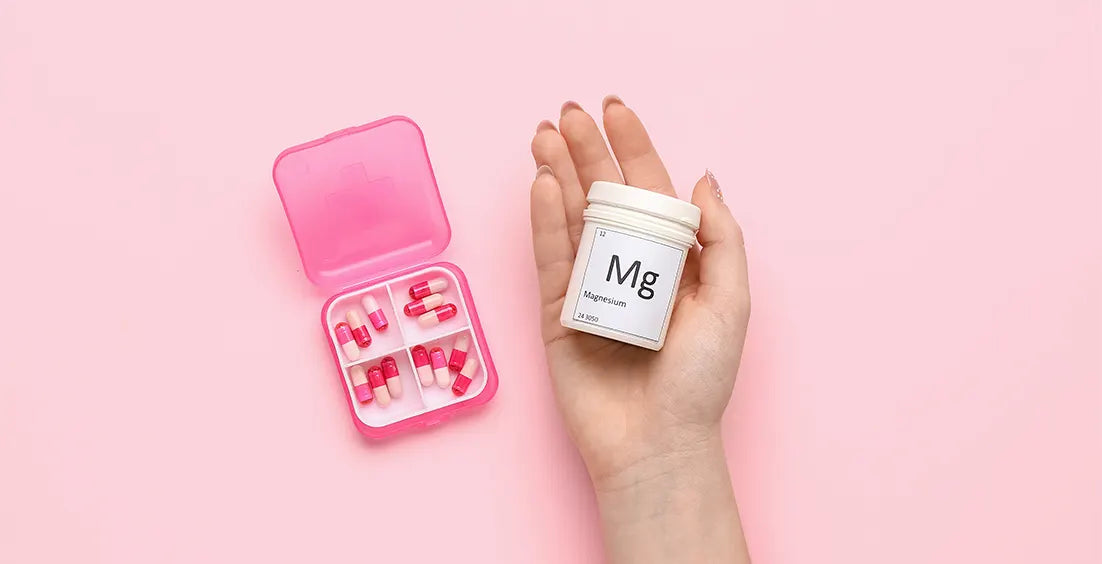
There are several ways to take magnesium:
- Capsules or tablets
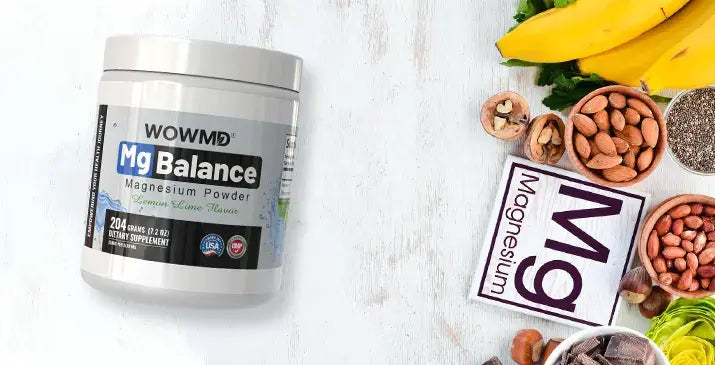
- Powder mixed in water, such as calm magnesium powder
- Chewable magnesium gummies
- Topical sprays for muscle relaxation
When choosing a format, the best option is the one you will take consistently. Some people prefer powder because it feels like a calming evening drink, while others prefer capsules for convenience. Either way, consistent use is what supports long-term magnesium and stress relief and helps maintain a calm nervous system.
For those looking for the best magnesium for anxiety and stress, combining magnesium with adaptogens can be helpful. Products that combine ashwagandha and magnesium are often used for broader stress support and relaxation.
Magnesium works well as part of a long-term natural relaxation supplement routine, especially when paired with good sleep habits and stress-management practices.
Always consult your healthcare provider before starting any supplement regimen, especially if you are taking medications or have existing health conditions.
Which Form of Magnesium Is Best for Relaxation? A Simple Guide
Not all magnesium supplements are the same, and choosing the right form can make a big difference in how effective magnesium is for calming the nervous system. When it comes to magnesium glycinate for relaxation, this form is widely considered one of the best options because it combines magnesium with glycine, an amino acid known for its calming properties.
Glycine itself acts as an inhibitory neurotransmitter, which means it helps promote calmness and relaxation. This makes magnesium glycinate a popular choice for people looking for the best magnesium for anxiety and stress.
“First of all, magnesium busglycinate is the best supplement for those who are looking for relaxation and improved sleep. Glycine acts as a calming agent itself, which increases the effectiveness of magnesium. Second, magnesium citrate is well absorbed by the organism, but it can have a slight laxative effect,” says Jane Moon.
According to a published study, magnesium bisglycinate is essentially the same form as glycinate; both refer to magnesium bound to glycine in a chelated form. Chelated magnesium is typically easier for the body to absorb and is less likely to cause digestive discomfort. You can explore highly absorbable options like magnesium glycinate or look for chelated magnesium when choosing a supplement.
“Lastly, magnesium oxide has low bioavailability and is not the most effective supplement for neurological effects. It should be avoided to take magnesium sulfate, which is mostly known as Epsom salt, internally since it may lead to stomach upsets,” cautions Jane Moon.
Other forms of magnesium include:
- Magnesium L-threonate – Known for its ability to cross the blood-brain barrier and support brain health and cognitive calm
- Magnesium citrate — well absorbed but may have a mild laxative effect at higher doses
- Magnesium oxide – Poorly absorbed and generally not the best choice for relaxation-focused supplementation
Some people prefer combination supplements that include multiple forms, such as a magnesium complex, which can provide broader benefits. If you want a deeper comparison of forms, see which magnesium is best for sleep and anxiety for a more detailed breakdown.
The most important factor is choosing a high-quality, well-absorbed form and taking it consistently, since magnesium for relaxation works best when magnesium levels are steadily maintained over time.
Advertisement


Finding Your Calm: Start with the Right Magnesium Supplement
Magnesium for relaxation works through multiple pathways in the body, from supporting GABA activity and regulating NMDA receptors to helping balance cortisol levels and ease physical tension. This combined effect is what makes magnesium such a reliable option for both mental calm and muscle relaxation.
“Magnesium supplements are considered to be safe for consumption by adults; however, there are some points to remember. It can affect the intestinal absorption of such antibiotics as tetracyclines and fluoroquinolones. At least 2-hour gap between these medications should be observed,” advises Jane Moon.
If your goal is to feel more balanced and less reactive to stress, magnesium glycinate stands out as one of the most effective forms. Its high absorption and naturally calming properties make it especially well-suited for supporting the nervous system.
At the same time, consistency matters most. Daily use allows magnesium levels to build gradually, supporting long-term magnesium and stress relief rather than short-term effects.
“Patients suffering from kidney disorders should not use magnesium because it causes its accumulation,” warns Jane Moon.
WOWMD offers science-backed, expert-recommended magnesium options designed to fit easily into your routine. Whether you prefer capsules, powders, or other formats, you can browse the full range of magnesium supplements to find what works best for you. For more targeted guidance, you can also explore the best magnesium for relaxation.
FAQs
Meet The Expert
- Jane Moon, Pharmacist & Director at Herba Health Inc.
This article is for informational purposes only and is not a substitute for professional medical advice, diagnosis, or treatment. Statements made on this website have not been evaluated by the U.S. Food and Drug Administration. Always consult a qualified healthcare professional before making changes to your diet, supplements, medications, or healthcare routine.
Our Top Picks

MgBalance Magnesium Powder

Anxiety Shield

Ashwagandha Extra Strength Formula

References
WOWMD follows strict sourcing guidelines to ensure the accuracy of its content, outlined in our editorial policy. We use only trustworthy sources, including peer-reviewed studies, qualified experts, and information from top institutions.


- NIH Office of Dietary Supplements — Magnesium Fact Sheet for Health Professionals — https://ods.od.nih.gov/factsheets/Magnesium-HealthProfessional/
- PubMed: Magnesium Status and Stress — The Vicious Circle Concept Revisited https://pubmed.ncbi.nlm.nih.gov/33260549/
- PubMed: The Role of Magnesium in Neurological Disorders — https://pubmed.ncbi.nlm.nih.gov/29882776/
- Magnesium Matters: A Comprehensive Review of Its Vital Role in Health and Diseases https://doi.org/10.7759/cureus.71392
- Magnesium deficiency induces anxiety and HPA axis dysregulation: Modulation by therapeutic drug treatment https://doi.org/10.1016/j.neuropharm.2011.07.027
- Magnesium bisglycinate supplementation in Healthy adults Reporting Poor sleep: A Randomized, Placebo-Controlled trial https://doi.org/10.2147/NSS.S524348