
 Anti-aging
 Anxiety & Depression
 Beauty
 Blood Pressure Control
 Blood Sugar Support
 Bone Health
 Brain & Memory
 Cellular Health
 Digestion
  Energy & Vitality
 Eye Health
 General Wellness
 Hair, Skin & Nails
 Heart Health
  Immunity Support
 Joint Support
 Liver Support
 Men's Health
 Mood
Mood
 Muscle and Fitness
 Oral Health
 Pain & Inflammation
 Respiratory and lungs
 Sleep Support
 Sports Nutrition
 Stress Support
 Thyroid Support
 UTI Balance
 Weight Management
 Women's Health
 Anti-Aging Skincare
 Body Care
 Eye Care
 Facial Cleansers
 Facial Toners
 Hair Care
 Moisturizers
 Serums
 Shop All Skincare
 Dehydrated Skin
 Dullness
 Fine Lines + Wrinkles
 Redness Prone
 Skin Discoloration
 Uneven Skin Texture


Vitamin E: Benefits, Food Sources, Doses & Safety
Vitamin E is a fat-soluble nutrient essential for overall health. Learn about its benefits, food sources, and the safety of vitamin E supplements.
 By WOWMD Staff

 Fact Checked
Advertiser Disclosure: WOWMD independently vets all recommended products. If you purchase a featured product, we may be compensated. Learn why you can trust us.

You have probably been told throughout your entire life about how important it is to get a healthy dose of vitamins and minerals every day. However, you may not know the specific reason why vitamins and other nutrients are actually good for you.
Understanding the specific benefits of these nutrients can help you make smarter choices about your diet and overall wellness.
The downside of rote indoctrination is that we often fail to understand the practical benefits of the nutrients we are told to eat every day. Vitamin E is one of those nutrients that you probably heard a lot about in school. Do you know the specific benefits of vitamin E?
Knowing about the benefits of this nutrient is important because when you are aware and understand them in a practical sense, you are much more likely to actually integrate these nutrients into your diet.
In the following article, we will be discussing the benefits of vitamin E foods, rich food sources, and other important aspects.
TL;DR
- What: Vitamin E is a group of eight fat-soluble compounds (alpha-tocopherol is the main form humans use).
- Top benefits: antioxidant defense, skin photoprotection, support for eye health, cardiovascular antioxidant protection, and immune and reproductive roles [1].
- Forms matter: Natural vitamin E (d-alpha-tocopherol, also called the RRR-alpha-tocopherol stereoisomer) has roughly 2x the bioavailability of synthetic dl-alpha-tocopherol. Check supplement labels carefully before purchasing [2].
- How much: Adults, 15 mg/day (alpha-tocopherol) (NIH). UL varies; the US Food and Nutrition Board (NIH) lists 1,000 mg/day; EFSA recently proposed approximately 540 mg/day. Note regional differences and err on the conservative side with high-dose supplements.
- Safety: High doses can increase the risk of bleeding and interact with anticoagulants. Do not exceed ULs and check with your clinician [3].
-
Editor's pick (example): WOWMD Vitamin E Complex. Include one inline CTA with UTM and COA/product schema.
Key Takeaways
- Vitamin E = eight compounds; alpha-tocopherol is the nutritionally required form.
- Supports antioxidant defenses, skin photoprotection, and may contribute to eye health when used as part of AREDS-type regimens[1].
- Get from food first (nuts, seeds, vegetable oils); supplement only if diet/conditions require[2].
- Use conservative dosing: follow RDA and check ULs; verify interactions (blood thinners)[3].
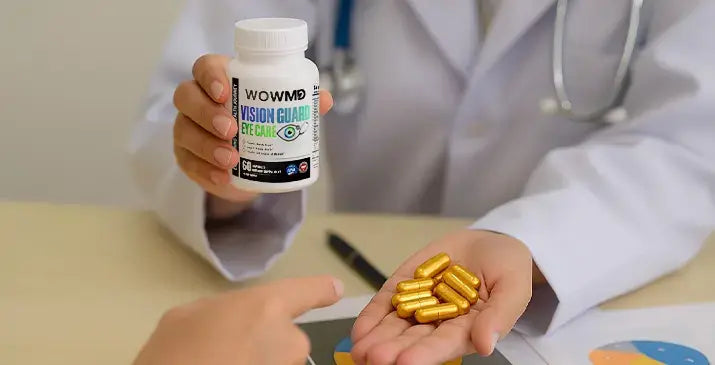
Protect your precious sight with Vision Guard Eye Care. Shop now and see the world more clearly
The Benefits of Vitamin E
 Image Credit: Health Benefits of Vitamin E
In the following section, we will take a closer look at the most important vitamin E benefits for men and women:
Vision Support
Leading medical authorities have acknowledged vitamin E as an essential nutrient for eye health. The Age-Related Eye Disease Study 2 (AREDS2), funded by the National Eye Institute, found that a daily supplement containing 400 IU of vitamin E (as part of a multi-nutrient formula) reduced the risk of advanced age-related macular degeneration (AMD) progression by approximately 25% over five years [4].
Vitamin E's role here is primarily antioxidant. It neutralizes reactive oxygen species in the retinal pigment epithelium, where oxidative stress is a key driver of photoreceptor damage. Cataracts represent a secondary area of ongoing research, with several observational studies suggesting that higher vitamin E intake is associated with a reduced risk of lens opacity over time [5].

 *All individuals are unique. Your results can and will vary.
Antioxidant Defense
Vitamin E exists as eight fat-soluble compounds, four tocopherols (alpha, beta, gamma, delta) and four tocotrienols. Of these, alpha-tocopherol is the form the body preferentially maintains in plasma, making it the most nutritionally significant.
Alpha-tocopherol donates a hydrogen atom to neutralize lipid peroxyl radicals, interrupting the chain reaction of lipid peroxidation in cell membranes. Left unchecked, this process damages DNA, proteins, and membrane integrity across multiple organs, including the eyes, liver, skin, and brain. Vitamin C can regenerate oxidized vitamin E (the tocopheroxyl radical) back to its active form, which is why these two antioxidants are frequently discussed together as a complementary pair in the context of managing oxidative stress.
Skin Health and Improved Skin Appearance
At this point, you might be wondering, "What does vitamin E actually do for me?" One of the most noticeable benefits of vitamin E in daily life is improved skin health.
Vitamin E helps nourish and protect your skin by reducing oxidative damage and supporting moisture retention, leading to a smoother, more radiant complexion you can see and feel.
Research supports its photoprotective role as well. A study published in the Journal of Investigative Dermatology found that oral vitamin E supplementation at 400 IU per day reduced UV-induced markers of skin damage, including lipid peroxidation products, in human subjects. Maintaining healthy vitamin E levels may help reduce your chances of developing dark spots from sun exposure.
Topical vitamin E (often listed as tocopheryl acetate on ingredient labels) is widely used in skincare formulations and can reduce transepidermal water loss and soothe post-UV erythema. That said, evidence for topical vitamin E reversing existing hyperpigmentation is limited. For most people, consistent oral intake and daily sun protection remain the primary strategies for long-term skin health.
READ ALSO: Vitamin E For Skin Care
Dr. Audrey Kunin, a board-certified dermatologist notes that "vitamin E helps strengthen the skin's barrier function. This allows for long-lasting moisture retention and protects against external irritants."
Reproductive Health
One of the most important benefits of vitamin E for women is improved reproductive health. The National Institutes of Health has stated in one of their studies on vitamin E that [6]:As discussed in the present paper, vitamin E has been reported to exert beneficial effects as an antioxidant against reproductive disorders.
In addition to its antioxidant properties, vitamin E plays a vital role in maintaining ovarian health for women. Research shows that vitamin E can help reduce inflammation linked to reproductive issues, supporting fertility and increasing the chances of a healthy pregnancy [7]. Vitamin E is also an active area of research in polyendocrine metabolic ovarian syndrome (PMOS), formally PCOS, where oxidative stress is a recognized contributing factor.
Because of these benefits, many prenatal doctors recommend vitamin E supplements during pregnancy and often prescribe prenatal vitamins that include this essential nutrient to support both mother and baby.
Blood Health
Vitamin E specifically protects the phospholipid bilayer of red blood cells (erythrocytes) from oxidative hemolysis, which is the premature rupture of red blood cells caused by lipid peroxidation. This is why vitamin E deficiency is a known cause of hemolytic anemia, especially in premature infants whose antioxidant reserves are limited at birth.
Beyond protecting erythrocytes, vitamin E supports overall circulation and immune function by maintaining the structural integrity of blood cells. The National Institutes of Health has reported that vitamin E is effective for fortifying blood cells and making them more resistant to deterioration
One important safety note: at high supplemental doses, vitamin E's mild anticoagulant effect can amplify the action of blood-thinning medications such as warfarin. Always disclose supplement use to your prescriber before starting or adjusting a vitamin E regimen.
Dr. Eric Berg, a Doctor of Chiropractic (DC), discusses the significant health benefits of vitamin E on his official channel. His insights emphasize how vitamin E supports immune function, skin health, and overall wellness.
The Benefits of Vitamin E - Dr.Berg (Video Credit: Dr. Eric Berg DC Official)
Preventing Vitamin E Deficiency
True vitamin E deficiency is rare in healthy adults eating a varied diet, but it occurs in people with fat malabsorption disorders such as cystic fibrosis, Crohn's disease, and cholestasis, as well as in premature infants. The National Institutes of Health describes what can happen when you are not getting enough vitamin E [8]:
Patients presenting early may show hyporeflexia, decreased night vision, loss/decreased vibratory sense; however, they have normal cognition. A more moderate stage of this deficiency may show limb and truncal ataxia, profuse muscle weakness, and limited upward gaze.
These symptoms reflect the downstream effects of peripheral neuropathy and ataxia that develop when nerve fibers are deprived of adequate antioxidant protection over time.
Immune Health
Aging gradually suppresses immune function, and vitamin E is among the most studied nutrients for its role in supporting immune resilience in older adults. Research published in JAMA (Meydani et al., 1997) found that 200 mg per day of vitamin E for four months significantly improved delayed-type hypersensitivity skin responses and antibody titers to hepatitis B and tetanus vaccines in adults over 65, a population where immune senescence is a documented concern [9].
The proposed mechanism is that vitamin E inhibits cyclooxygenase-2 (COX-2)-mediated prostaglandin E2 (PGE2) production in macrophages. In simple terms, it means Vitamin E lowers the production of inflammation-promoting chemicals in your immune cells.
PGE2 otherwise suppresses T-cell proliferation with aging, so reducing its synthesis helps preserve T-cell immunity. Including vitamin E-rich foods or a well-dosed supplement in your daily routine supports this immune resilience, particularly as you get older.
Cognitive Health
Observational studies, including the Cache County Study, have associated higher dietary vitamin E intake with a reduced rate of cognitive decline in older adults [10]. The antioxidant activity of alpha-tocopherol in neurons and brain cells is the most widely proposed mechanism, given that oxidative stress is a recognized contributor to neurodegeneration.
However, large randomized controlled trials, including the HOPE-TOO trial [11], have not confirmed that vitamin E supplementation prevents Alzheimer's disease or dementia. The current evidence from observational data is promising but not conclusive. Do not supplement solely for cognitive protection without first discussing it with your physician.
Vitamin E and Heart Health
Early research suggested vitamin E might protect against heart disease by preventing the oxidation of LDL cholesterol, a key step in the formation of arterial plaques, but the story turned out to be more complicated.
The Cambridge Heart Antioxidant Study (CHAOS) was one of the first large trials to generate excitement, reporting a significant reduction in non-fatal heart attacks among patients with coronary artery disease who took high-dose vitamin E [12]. Observational studies have also consistently shown that people with higher dietary alpha-tocopherol intake have lower rates of atherosclerosis and better endothelial function [13].
However, when larger, more rigorous randomized controlled trials followed, the results were less clear. The HOPE trial found no significant cardiovascular benefit from 400 IU/day of natural-source vitamin E in high-risk patients. The HOPE-TOO extension actually found a 13% increased risk of heart failure in that same population, a finding that led many cardiologists to caution against routine high-dose supplementation [11].
The current scientific consensus is nuanced. Dietary vitamin E from whole foods is associated with cardiovascular benefit in population studies, but high-dose supplemental vitamin E does not appear to replicate that effect and may carry risk in certain populations. If cardiovascular health is a priority for you, focus on food sources first and discuss any supplementation with your healthcare provider.
Food Sources of Vitamin E
Boosting your intake of vitamin E foods can be a delicious endeavor. This essential nutrient plays a vital role in maintaining healthy skin and immune function. Here's a rundown of top sources:
- Wheat Germ Oil: Just 1 tablespoon offers an impressive amount of vitamin E, far exceeding your daily requirement (135% DV).
- Sunflower Seeds: A single ounce of dry-roasted sunflower seeds delivers almost half of the daily recommended value (49% DV).
- Almonds: Enjoying an ounce of dry-roasted almonds will provide a substantial contribution to your vitamin E intake (45% DV).
- Peanut Butter: Two tablespoons not only make a tasty snack but also add a good dose of this vitamin to your day (19% DV).
- Spinach: Half a cup of boiled spinach serves as a nutritious side dish loaded with vitamin E (13% DV).
- Broccoli: Including half a cup of boiled broccoli in your meals can contribute to your daily vitamin E needs (8% DV).
- Fruits Like Kiwi and Mango: A medium kiwi (7% DV) or half a cup of mango (5% DV) offers a refreshing way to add more vitamin E.
- Tomatoes: A medium-sized tomato also provides a modest amount of this important nutrient (5% DV).
However, keep in mind that vitamin E is heat-sensitive. Cooking oils at high temperatures can degrade tocopherol content, so use wheat germ oil as a finishing oil rather than a high-heat cooking oil to preserve more of its vitamin E. The best approach is to consume a variety of these nutritious foods daily.
Advertisement

 *All individuals are unique. Your results can and will vary.
Did You Know?
- Vitamin E is a potent antioxidant that helps protect cells from damage caused by free radicals, which are linked to aging and disease [12].
- A 2017 US study found that vitamin E supplementation improved hair growth in individuals with hair loss, potentially by reducing oxidative stress on the scalp [13].
- Vitamin E may support immune function, with some studies suggesting it can enhance T-cell-mediated immunity, particularly in older adults [14].
- Some research suggests that a combination of vitamins and minerals, including high-dose Vitamin E, may help slow the progression of age-related macular degeneration (AMD)[15].
How Much Vitamin E Is Needed Per Day?
Regular vitamin E intake is essential as your body does not store it efficiently. Here are the recommended daily amounts [16]:
Infants- 0–6 months: 4 mg
- 7–12 months: 5 mg
- 1–3 years: 6 mg
- 4–8 years: 7 mg
- 9–13 years: 11 mg
- 14+ years: 15 mg
- Pregnant individuals: 15 mg
- Lactating individuals: 19 mg
These guidelines help support immune function and provide antioxidant protection for optimal health.
IU vs. mg conversion:
Many supplements still list vitamin E in International Units (IU). For natural vitamin E (d-alpha-tocopherol), 1 IU = 0.67 mg alpha-tocopherol. For synthetic vitamin E (dl-alpha-tocopherol), 1 IU = 0.45 mg alpha-tocopherol.
Example: A label reading "400 IU" of natural vitamin E delivers approximately 268 mg alpha-tocopherol.
The NIH Office of Dietary Supplements notes that the RDA applies specifically to alpha-tocopherol; other forms, such as gamma-tocopherol and tocotrienols, are not counted toward the RDA because the body does not maintain them in plasma at the same rate.
Vitamin E From Food Differ From Supplements
The source of your vitamin E intake holds key importance. Getting vitamin E from foods works quite differently from taking vitamin E pills. Foods offer clear advantages over supplements for most people.
- Nutrient Abundance: Whole foods provide vitamin E, along with many other vital nutrients, such as fiber and protein. These elements come packaged together with vitamin E in nature, giving you complete nutritional benefits [17].
- Diet Quality: Picking foods high in vitamin E, mainly plant sources, can help you eat fewer heavily processed foods that lack real nutrition. This eating pattern boosts your health across the board.
- Health Concerns: Supplements may provide stronger doses of vitamin E, but taking too much might harm your health. Users should exercise caution when consuming vitamin E in supplement form.
- Form specificity: Food sources deliver a mix of tocopherols and tocotrienols. However, most supplements provide only alpha-tocopherol. Some researchers argue that high-dose alpha-tocopherol supplements may actually displace gamma-tocopherol in tissues, which has its own anti-inflammatory roles in the body [18].
Some people still need to take supplements, especially those who follow strict food patterns or eat very few calories. Supplements can help fill important nutritional gaps for individuals who may not get enough vitamin E from their diet.
However, it is important to note that much of the scientific research on vitamin E's health effects focuses on supplementation rather than dietary intake. This distinction is crucial when evaluating the overall impact of vitamin E on health.
Vitamin E Deficiency
| Signs of Vitamin E Deficiency | Description |
|---|---|
| Muscle Weakness | Vitamin E is crucial for the central nervous system. A lack of it can lead to oxidative stress, which causes muscle weakness and can damage muscle tissue over time. |
| Coordination and Walking Difficulties | The nervous system relies on vitamin E. A deficiency can damage nerve fibers, leading to a breakdown in communication between the brain and the body, causing a loss of coordination. |
| Numbness and Tingling | Damage to nerve fibers (peripheral neuropathy) can lead to sensations of numbness or tingling in the hands and feet because nerve signals aren't transmitted correctly. |
| Vision Problems | A deficiency can weaken light receptors in the retina and other cells in the eyes, which may lead to vision deterioration over time. |
| Weakened Immune System | Vitamin E is a powerful antioxidant that helps support the immune system. Without enough of it, the body's ability to fight off infections can be compromised. |
| Hemolytic Anemia | This is a condition where red blood cells are destroyed prematurely. Vitamin E helps protect the integrity of red blood cells, and a deficiency can lead to their breakdown. |
People with fat-absorption issues, such as cystic fibrosis or Crohn's disease, often experience vitamin E deficiency despite its rarity in most people [18] [19]. These conditions prevent proper absorption of this fat-soluble nutrient.
Individuals with uncommon genetic conditions, such as abetalipoproteinemia, face greater risks due to their bodies' reduced capacity to transport and process fats [20]. The inability to handle fats leads to low vitamin E levels in these specific cases.
Most of the population maintains proper vitamin E through a normal diet and healthy functions. People dealing with these particular health challenges should monitor their vitamin E status more regularly to avoid potential deficiencies.
Are There Any Side Effects of Vitamin E?
While food sources rarely provide excessive vitamin E, supplements can deliver potentially harmful amounts that may affect your health when taken regularly.
Men should exercise caution as research links vitamin E supplements with higher prostate cancer rates among otherwise healthy individuals. Your blood's clotting ability may decrease with high vitamin E intake, potentially raising your chances of dangerous bleeding events, particularly hemorrhagic strokes.
The SELECT trial (Selenium and Vitamin E Cancer Prevention Trial), a large randomized controlled trial of 35,533 men, found that 400 IU per day of vitamin E (as dl-alpha-tocopherol acetate) was associated with a statistically significant 17% increase in the risk of prostate cancer compared with placebo [19].
Your blood's clotting ability may also decrease with high vitamin E intake, potentially raising your chances of dangerous bleeding events, particularly hemorrhagic strokes.
The HOPE-TOO trial found that 400 IU per day of natural-source vitamin E was associated with a 13% increase in the risk of heart failure in patients with vascular disease or diabetes. This finding led many cardiologists to caution against routine high-dose supplementation [11].
Medical authorities have established 1,000 mg as the upper limit for daily vitamin E supplement intake [20]. However, evidence suggests negative health outcomes may occur at significantly lower doses.
Supplement formulations vary widely in their vitamin E content. Many contain amounts far exceeding what most people require. Look for products verified by independent testing organizations to ensure quality and accurate labeling.
More importantly, always consult with your doctor before starting any vitamin E regimen, as they can evaluate your specific health needs and monitor your response.
Protect your most precious sense with Vision Guard Eye Care. Formulated with powerful antioxidants like Vitamin E, our capsules are designed to support your vision against the digital world's strain. Try now and embrace a clearer, brighter future.
“These eye care capsules have helped lessen my eye strain, especially after long hours of screen time." — Alicia M.., Verified Buyer ★★★★★
Interact with Certain Medications
Vitamin E supplements may interact with medications, affecting their safety and effectiveness.
Key Interactions
- Blood Thinners - May increase bleeding risk with warfarin/clopidogrel
- Cholesterol Medications - Can reduce the effectiveness of statins/niacin
- Cancer Treatments - Might interfere with chemotherapy/radiation
Always consult your healthcare provider before taking vitamin E supplements if you are on prescription medications.
Vitamin E Buyer’s Checklist:
Choosing the right vitamin E supplement takes more than grabbing the first bottle on the shelf. Here is what to look for,
- ✅Natural vs. synthetic: Look for "d-alpha-tocopherol (RRR-alpha)" or "mixed tocopherols" (natural) on the label, not "dl-alpha-tocopherol" (synthetic). Natural vitamin E has approximately 2x the bioavailability of its synthetic counterpart.
- ✅Dose: For general supplementation, 100-200 IU per day is sufficient for most adults. Avoid products exceeding 400 IU per day without medical supervision.
- ✅Mixed tocopherols: Products listing "mixed tocopherols" include gamma- and delta-tocopherol alongside alpha, which more closely mirrors the tocopherol profile found in food-based vitamin E sources.
- ✅Third-party testing: Look for USP, NSF International, or ConsumerLab verification seals to confirm label accuracy and purity.
- ✅Form of delivery: Softgels with an oil base improve absorption of this fat-soluble vitamin compared to dry powder tablets, since fat-soluble nutrients require dietary fat for optimal uptake.
- ✅Avoid megadoses: Products exceeding 1,000 mg (approximately 1,500 IU from natural sources or 1,100 IU from synthetic sources) exceed the NIH Tolerable Upper Intake Level and should be avoided unless specifically directed by a physician.
Advertisement

 *All individuals are unique. Your results can and will vary.
Conclusion
As you can see, the benefits of vitamin E cannot be understated. This vital nutrient plays a role in nearly every aspect of human health, from supporting immune function and skin health to protecting cells from oxidative damage.
Eating plenty of vitamin E foods, maintaining a healthy diet, and protecting against vitamin E deficiency are all great ways to make sure you are reaping the benefits of this important nutrient.
You can also make it easier to ensure your vitamin E levels are adequate daily by using a high-quality vitamin E supplement. Ask your doctor about other ways you can increase your vitamin E intake as well.
Vitamin E is a vital nutrient essential for maintaining overall health and well-being. Ensuring you get enough vitamin E daily can lead to noticeable benefits in your energy, skin, immune system, and more. Don't ignore this key nutrient: make it a part of your everyday wellness routine.
FAQs
Our Top Picks

Vision Guard Eye Care


You May Also Like



Popular Stories
- Best NAD+ Supplements of 2026: Top Picks for Energy, Longevity & Cellular Health
- Best Cholesterol-Lowering Supplements: Top 10 for 2026
- Liver Supplement Side Effects: What You Need to Know Before You Take One
- Probiotics for Oral Health: A Comprehensive Guide
- Magnesium and Calcium Supplement: Why You Might Need Both (And How to Take Them)
- Magnesium for Athletes: Why It Matters and How to Use It Right
References
WOWMD follows strict sourcing guidelines to ensure the accuracy of its content, outlined in our editorial policy. We use only trustworthy sources, including peer-reviewed studies, qualified experts, and information from top institutions.


- Vitamin E in dermatology: https://pmc.ncbi.nlm.nih.gov/articles/PMC4976416/?utm_source=chatgpt.com
- Vitamin E: https://ods.od.nih.gov/factsheets/VitaminE-Consumer/?utm_source=chatgpt.com
- Vitamin E: https://www.mayoclinic.org/drugs-supplements-vitamin-e/art-20364144?utm_source=chatgpt.com
- Molecular Mechanisms Underlying the Therapeutic Role of Vitamin E in Age-Related Macular Degeneration: https://pmc.ncbi.nlm.nih.gov/articles/PMC9114494/
- Vitamin E as an Antioxidant in Female Reproductive Health https://pmc.ncbi.nlm.nih.gov/articles/PMC5836012/
- Vitamin E : https://ods.od.nih.gov/factsheets/VitaminE-HealthProfessional/
- Vitamin E (Alpha-Tocopherol): https://medlineplus.gov/druginfo/meds/a621029.html#other-uses
- Vitamin E Deficiency: https://www.ncbi.nlm.nih.gov/books/NBK519051/
- The Role of Vitamin E in Human Health and Some Diseases: https://pmc.ncbi.nlm.nih.gov/articles/PMC3997530/
- Diet and hair loss: effects of nutrient deficiency and supplement use: https://pmc.ncbi.nlm.nih.gov/articles/PMC5315033/
- Regulatory role of vitamin E in the immune system and inflammation: https://pmc.ncbi.nlm.nih.gov/articles/PMC7011499/
- The impact of vitamin E, vitamin B6, and niacin intake on cataract incidence based on NHANES 2005-2008 data: https://www.frontiersin.org/journals/nutrition/articles/10.3389/fnut.2024.1406147/full
- Dietary Reference Intakes for Vitamin C, Vitamin E, Selenium, and Carotenoids.: https://www.ncbi.nlm.nih.gov/books/NBK225476/
- Dietary Guidelines for Americans, 2020-2025 and Online Materials.: https://www.dietaryguidelines.gov/resources/2020-2025-dietary-guidelines-online-materials
- Fat-soluble vitamin deficiency in children and adolescents with cystic fibrosis.: https://pubmed.ncbi.nlm.nih.gov/24711511/
- Vitamin and Mineral Supplementation: https://www.crohnscolitisfoundation.org/patientsandcaregivers/diet-and-nutrition/supplementation