

Foods High in Vitamin E: Top Natural Sources for Health
Discover the best vitamin E foods to support your health, protect your cells, and boost wellness with simple, nutrient-rich choices.
 By WOWMD Staff

 Fact Checked
Advertiser Disclosure: WOWMD independently vets all recommended products. If you purchase a featured product, we may be compensated. Learn why you can trust us.

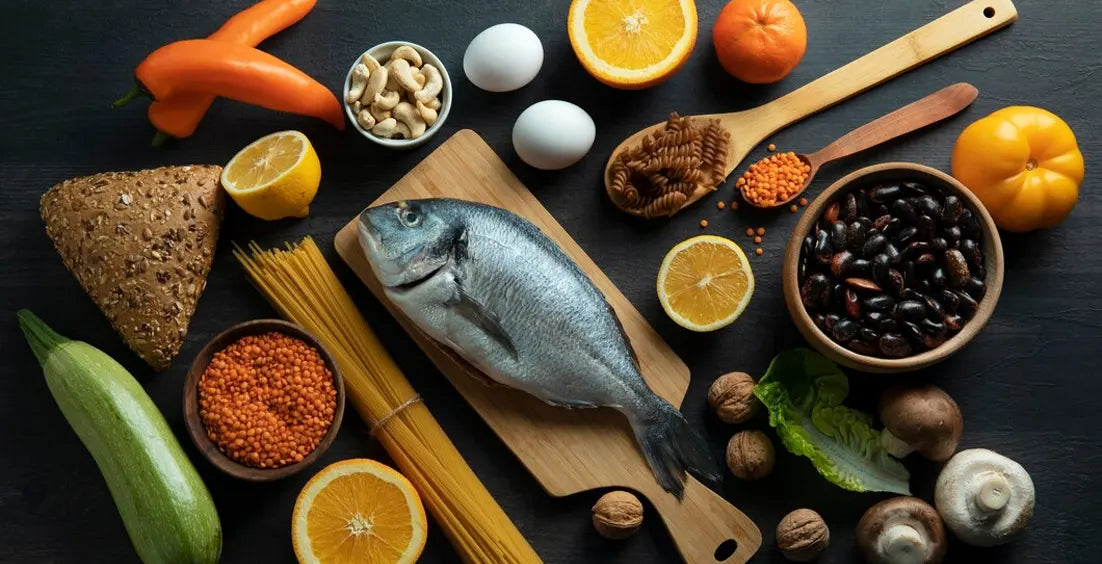
Eating foods with Vitamin E can positively transform your health. Vitamin E represents a critical nutrient that most people neglect while making dietary choices. Yet, it sustains powerful cellular defense mechanisms and supports vibrant health.
There is a wide choice of vitamin E sources, such as sunflower seeds crunch and avocados. Knowledge of how different vitamin E-rich foods work within your body enables you to boost your skin health, immunity, and maintain vibrant brain function.
The nutritious foods with vitamin E can serve as powerful allies to help you reach your maximum health and life span goals.
TLDR-Highlights
- Vitamin E aids the immune system, skin health, and antioxidant protection.
- The best natural sources consist of sunflower seeds, almonds, and wheat germ oil.
- The adults require 15 mg/day, which can be obtained through a healthy, balanced diet of whole foods.
- A deficiency is uncommon; however, it may provoke muscle weakness, eye problems, and neuropathy.
Foods High in Vitamin E
Here is a list of foods with vitamin E as a key component:
1. Sunflower Seeds
Sunflower seeds possess the highest concentration of natural vitamin E at 7.4 mg per ounce.
The nutrient-dense seeds offer a potent mixture of selenium, zinc, and healthy fats, which help your body effectively use vitamin E. Salads and smoothies benefit from sunflower seeds, as do people who enjoy them as hand-held snacks, thus increasing their vitamin E consumption for the day.
2. Almonds
One ounce of almonds delivers 6.8 mg of vitamin E, positioning them among the top vitamin E providers. Almonds offer essential heart health protection through monounsaturated fats while benefiting from vitamin E interactions with fiber, which improves vitamin E body absorption.
The food remains nutritionally dense regardless of whether consumers eat them raw, roasted, or as almond butter.
3. Wheat Germ Oil
Wheat germ oil stands at the top of the list of foods with vitamin E because it contains 20.3 mg per tablespoon. The oil needs unique storage space where heat and light exposure must be absent to retain its nutritious advantages.
4. Avocados
A medium-sized avocado contains 2.7 milligrams of vitamin E and healthy monounsaturated fats, which optimize the absorption of nutrients. Avocado’s creamy consistency and natural oil content facilitates excellent absorption of vitamin E within your body.
Healthy fats and vitamin E in avocados deliver exceptional benefits for skin health and cell protection.
5. Spinach
When looking for foods with vitamin E, spinach should feature in your list. A single serving of cooked spinach contains 1.2 milligrams of vitamin E, which is a relatively higher content among greens.
As a dark green vegetable, spinach combines vitamin E, iron and antioxidants to deliver a powerful nutritional value. So, regularly eating spinach provides multiple health benefits to internal systems and improves external beauty by combining essential nutrients.
6. Butternut Squash
Butternut squash provides 2.6 milligrams of vitamin E in every cooked cup while combining the nutrient benefits of sweet flavor compounds. This vegetable's orange color signifies more antioxidants, strengthening vitamin E benefits.
The fiber component assists in maintaining proper nutrient absorption and promotes digestive wellness.
7. Swiss Chard
Swiss chard exceeds all leafy greens due to its vitamin E content of 3.3 mg in each cooked serving. The colorful parts of Swiss chard produce various antioxidant substances that support the plant's vitamin E content.
This green vegetable maintains its dense collection of essential nutrients most americans are missing and can employ multiple cooking preparations.
8. Pine Nuts
Pine nuts are a remarkable source of vitamin E, containing about 2.6 mg of vitamin E and omega-3 fatty acids per ounce. Their exceptional taste works well as a snack and ingredient because they support healthy vitamin E absorption.
Because of their combined effects, they give healthy fats and vitamin E total antioxidant protection.
9. Olive Oil
Olive oil occupies a special space when listing Foods With Vitamin E. When you eat a tablespoon of olive oil, you receive 1.9 mg of vitamin E, protected by its good monounsaturated fats.
The structured oil meets all the requirements for cooking and serving purposes, supports better absorption of vitamin E, and provides stabilization. Adding olive oil as a food ingredient to your diet enables a simple way to obtain vitamin E.
Advertisement


10. Red Bell Peppers
A large red bell pepper contains 1.8 mg of vitamin E and offers generous amounts of vitamin C.
This pairing increases antioxidant protection, resulting in sweet, crisp eating pleasure. Consumers can enjoy vitamin E through the everyday use of these ingredients, whether raw or cooked.
11. Brazil Nuts
Brazil nuts' nutty creaminess provides 1.6 mg of vitamin E in each ounce and the well-known selenium value. They offer a unique blend of nutrients that protect the thyroid glands and function as antioxidants.
These nuts supply an outstanding source of vitamin E because they combine rich flavors with satisfying textures.
12. Fish/Trout
Fish is at the top of the list of foods with vitamin E. Fish are rich in omega-3 fatty acids that are vital for physical and mental well-being. Some types of fish, such as rainbow trout and Atlantic salmon contain high levels of gamma-tocopherol (vitamin E).
For example, an average trout serving contains 2 mg of vitamin E and omega-3 fatty acids. The protein-powered fatty fish becomes an excellent muscle-preserving antioxidant-protecting food source.
13. Hazelnuts
Hazelnuts are backed with vitamin E, minerals, and proteins. An ounce of hazelnuts has 4.3 mg of vitamin E, which creates exceptional nutritional value.
Because of their particular taste, hazelnuts work well in food preparation and support brain health due to their high nutritional value. When vitamin E teams up with healthful fat components, it delivers superior cellular defense.
14. Mango
One of the common Foods With Vitamin E is mango. Every mango contains 1.6 mg of vitamin E in its succulent tropical flavors. Consuming this fruit results in a complete nutritional experience because it contains vitamin E, fiber, and antioxidants.
Nutrients: Vitamin E (alpha-tocopherol) (mg)
| Food | Milligrams (mg) per serving | Percent Daily Value |
|---|---|---|
| Wheat germ oil | 20.3 | 135 |
| Sunflower seeds | 7.4 | 49 |
| Almonds | 6.8 | 45 |
| Fish/Trout | 2 | 37 |
| Brazil Nuts | 1.6 | 31 |
| Hazelnuts | 4.3 | 29 |
| Peanut butter | 2.9 | 19 |
| Mango | 1.6 | 15 |
| Spinach | 1.2 | 13 |
| Butter Squash | 2.6 | 9 |
Delicious Recipes to Boost Your Vitamin E Intake
The following is a list of yummy meals that will help you increase your vitamin E consumption:
Creamy Avocado Toastie
Delight your cravings with a simple but satisfying meal of a grilled cheese sandwich that has a rich serving of creamy avocado. Adding to its flavor, avocados are also packed with vitamin E; as such, the sandwich gets a healthy twist.
Sweet Potato & Chickpea Coconut Curry
This savory creamy curry entails potatoes and chickpeas slow cooked in a curried coconut sauce. It is very tasteful of consuming plant based full of vitamin E and many nutrients requirement for our body.
Tropical Mango Coconut Sorbet
If you are in the mood for a sweet treat, try a mango coconut sorbet. It is a tasty ice cream which is not only refreshing, but also has a plus of being enriched with vitamin E.
Sauteed Greens with Pine Nuts and Raisins
When turnip greens are tenderized and sautéed and then garnished with pine nuts and raisins, they become a delicious side dish. This combination presents a delicious way of preparing food that can help you include more vitamin E in your diet plan.
Roasted Butternut Squash Soup
Start your dinner plan with the roasted butternut squash soup to warm up your stomach. It’s mushy to the point where it’s not hard to believe it is a squash dish brimful of Vitamin E nutrients.
All these mouth-watering recipes not only stimulate your taste bud but also guarantees you vitamin E intake with every bite. Experience a delightful taste of healthier living.
Benefits of Vitamin E
Cellular Defense and Anti-Aging
As a frontline antioxidant agent, Vitamin E reaches deep into cell membranes to counter harmful free radicals. Through its defensive mechanism, vitamin E safeguards cellular structure and simultaneously reduces biological aging at the molecular level.
The antioxidant properties help to extend lifespan by guarding DNA health and protecting protein breakdown in crucial organs and tissues. So, enriching your diet with foods with vitamin E allows your body to build a strong cellular defense mechanism.
Enhanced Immune System Function
The sophisticated immune response functions better because this powerful nutrient enables the production and activity of natural killer cells. The immune system functions optimally from vitamin E because the compound improves cell-to-cell communication and has a role in inflammatory mediators.
An active immune system becomes crucial under stressful situations and environmental threats because it needs this extra protection.
Cardiovascular Protection
Incorporating foods with vitamin E in your diet can boost your heart’s health. The protective nature of Vitamin E for the heart and blood vessels becomes apparent through its antioxidant function, which stops LDL cholesterol from becoming damaged while enhancing blood circulation.
Its antioxidant properties help maintain blood vessel flexibility and sustain proper blood clotting functions. The cardiovascular benefits of vitamin E include wall protection for arteries and adequate blood pressure management.
In this video, Dr. Eric Berg DC shares the benefits of Vitamin E, its components, and how it supports heart health, protects arteries, and improves skin.
Cognitive Function Preservation
Vitamin E protects neural tissues because the brain has a high-fat composition and faces high levels of oxidative stress. The neural sheaths made from myelin require vitamin E to function properly, which ensures effective electrical signals between nerve cells.
The protective action on brain cells becomes essential as people age because it safeguards memory, learning abilities, and brain functioning.
Skin Barrier Support and Repair
Foods with vitamin E are crucial as they boost your skin’s antioxidant levels. Furthermore, this nutrient hydrates the skin's lipid layer while protecting against UV radiation and pollution.
Vitamin E's protective functions mix with skin repair mechanisms to build resilience and maintain a youthful complexion.
READ ALSO: How Does Vitamin E Help Your Skin?
Symptoms and Consequences of Vitamin E Deficiency
Vitamin E deficiency is rare and occurs when there is a condition that impairs the body’s capacity to digest fats. However, recognizing potential symptoms remains important, especially for at-risk patients.
Symptoms of Vitamin E Deficiency
- Muscle Pain and Weakness: Lack of vitamin E causes problems with muscles; one can experience pain and weakness in their muscles if they lack the vitamin.
- Vision Problems: This can cause some problems for the eyes and hinder vision to an extent that affects daily activities.
- Numbness and Tingling: It can be presented as a tingling or ‘pins and needles’ or paraesthesia, which is more likely to occur in hands or feet.
- Coordination and Balance Issues: Nerve degeneration resulting from vitamin E deficiency can result in impaired coordination and balance.
Advertisement


Potential Consequences
Long-term deficiency may produce more significant effects, particularly affecting neurological and muscular systems. Since it is cumulative, it may lead to:
- Peripheral Neuropathy: A disease that arises from damage to nerves, leading to pain and weakness mostly in the hands and feet.
- Immune Function Impairment: Since this vitamin is used in maintaining immune function, its lack in your diet might put you in a vulnerable position to infections.
- Increased Oxidative Stress: This vitamin works as an antioxidant and thus, its deficiency leads to poor oxidation process leading to chronic diseases.
If the deficiency of vitamin E is noticed early, then these complications can be avoided. In case of such symptoms, it is always wise to visit a healthcare provider and have him or her examine you so that other causes can be ruled out.
Potential Side Effects of Vitamin E Supplements
Vitamin E serves as an essential nutrient with antioxidant benefits, but you should understand possible adverse effects when taking it as a supplement.
- Increased Risk of Bleeding and Stroke: A primary concern with oral vitamin E supplements involves a higher bleeding risk. This may result in such side effects as a stroke when taking it at high levels.
- Digestive Issues: Some individuals experience gastrointestinal discomfort. You can also suffer from stomach aches, nausea, and diarrhea which are likely to interfere with your activities of the day.
- Fatigue: One of the other common side effect is fatigue for which no cause can be found. Sometimes the patient experience lethargy, which may be described as abnormal fatigue with no known causes related to sleep or work output.
These potential reactions emphasize why you should consult your healthcare provider before beginning supplements. Professional guidance ensures appropriate dosing for your specific health needs and medical history.
Vitamin E Daily Requirement
Foods with vitamin E are an essential aspect of your dietary needs. But, there are various factors that determine a person’s requirement of this essential vitamin, including age and health status.
- Adults: from 19 to 65 years old require 15 mg (22.4 IU) of vitamin E daily as per the recommended dietary allowance (RDA). Breastfeeding women must take 19 mg of vitamin E daily to sustain their health and babies.
Largeman-Roth, RDN,a registered dietitian-nutritionist tells TODAY.com that "Eating your vitamin E-rich foods with fat is the best way to make sure you’re getting the most benefit from the vitamin.”

- Infants and children: From birth to 6 months, infants need 4 mg of vitamin E, increasing to 5 mg for ages 7-12 months. Toddlers aged 1-3 need 6 mg daily, while children 4-8 require 7 mg. Kids aged 9-13 should get 11 mg daily, and teens 14-18 need 15 mg.
- Athletes and active individuals: People under intense oxidative stress can benefit from higher intake levels within the recommended range but should stay below 1,000 mg daily. Plant-based dieters should focus on nuts, seeds, and vegetable oils.
- People over 70: They can benefit from 17-19 mg of vitamin E daily to reduce oxidative stress and support immunity. The best way to boost selenium is through food, as natural sources offer better absorption and extra nutrients.
Conclusion
Learning about foods with vitamin E enables you to make better dietary choices that promote desired health outcomes. Natural food sources like spinach, Swiss chard, avocados, and nuts supply enough vitamin E to fulfill the required 15mg daily intake.
Vitamin E reaches its highest natural levels in sunflower seeds, almonds, and wheat germ oil, but vegan consumers can also obtain it through butternut squash and bell peppers.
Various vitamin E-rich foods collaborate to protect cells while benefiting skin health and supporting hair vitality. The bioavailable form of vitamin E becomes accessible to your body when you add these foods to your regular meals, whether you eat plant-based or want beauty enhancements.
You should add multiple food sources by combining nuts and seeds with colorful vegetables and fruits for optimal nutritional value.
Advertisement


FAQs
This article is for informational purposes only and is not a substitute for professional medical advice, diagnosis, or treatment. Statements made on this website have not been evaluated by the U.S. Food and Drug Administration. Always consult a qualified healthcare professional before making changes to your diet, supplements, medications, or healthcare routine.
Our Top Picks

Vision Guard Eye Care


References
WOWMD follows strict sourcing guidelines to ensure the accuracy of its content, outlined in our editorial policy. We use only trustworthy sources, including peer-reviewed studies, qualified experts, and information from top institutions.


- Foods High in Vitamin E: https://www.healthdirect.gov.au/vitamin-e-and-your-health
- Almonds and Cardiovascular Health: https://pmc.ncbi.nlm.nih.gov/articles/PMC5946253/
- Effects of Avocados on plasma lipid levels: https://pubmed.ncbi.nlm.nih.gov/1308699/
- Nutrients in Spinach: https://www.avera.org/balance/nutrition/spinach-packs-a-nutritional-punch/
- Health Benefits of Butternut Squash: https://health.ucdavis.edu/blog/good-food/health-benefits-of-winter-squash-and-ways-you-can-cook-them/2023/11
- Swiss Chard: All About It: https://cedarcirclefarm.org/tips/entry/swiss-chard-all-about-it
- Overview of Pine Nuts: https://nuthealth.org/nut-facts/pine-nuts/
- Vitamins of Olive Oil: https://oliveoilsfromspain.org/olive-oil-news/the-vitamins-in-olive-oil-everything-you-need-to-know/
- Are Red Bell Peppers Healthy?: https://health.clevelandclinic.org/red-pepper-benefits
- Effect of Brazil Nuts on Selenium Status: https://pmc.ncbi.nlm.nih.gov/articles/PMC8869304/
- Atlantic Salmon (Salmo salar L.) as a Marine Functional Source of Gamma-Tocopherol https://pmc.ncbi.nlm.nih.gov/articles/PMC4278211/
- NUTRITIONAL COMPOSITION OF HAZELNUTS AND ITS EFFECTS ON GLUCOSE AND LIPID METABOLISM https://www.actahort.org/books/445/445_41.htm
- Mango Nutrition Facts: https://www.uhhospitals.org/health-information/health-and-wellness-library/article/nutritionfacts-v1/mangos-raw-1-cup-sliced
- Vitamin E Daily Consumption: https://medlineplus.gov/ency/article/002406.htm