

Omega-3 Fatty Acids Benefits: According to a Dietician
Discover the benefits of omega-3 fatty acids, including heart, brain, and eye health. Learn about sources, benefits, and daily intake.
 By WOWMD Staff

 Fact Checked
Advertiser Disclosure: WOWMD independently vets all recommended products. If you purchase a featured product, we may be compensated. Learn why you can trust us.
Table of contents
- What are Omega-3s?
- Health Benefits
- Heart Health
- Cognitive Function
- Mental Health
- Bone & Joint Health
- Skin Benefits
- Reduce Inflammation
- Eye Health
- Diabetes Management
- Good Sources Of Omega-3s
- Did You Know?
- How To Take Omega-3s
- What Is the Best Dosage?
- User Testomonial
- Risks & Side Effects
- Omega-3 Checklist
- Conclusion
- FAQs


Did you know? Over 70% of U.S. adults don’t meet daily omega-3 needs, while deficiency is also rising in the UK, Canada, and Australia.
Omega-3 fatty acids are healthy fats essential to multiple bodily processes, notably cognitive function, heart health, and mood. Our bodies produce very little naturally, so we must ensure we take in adequate amounts through our diets to support optimal health and well-being.
In this article, we explore the key health benefits of omega-3 fatty acids including supporting heart, brain, bone, joint, skin, and eye health, reducing inflammation, helping to manage diabetes, improving mood, and strengthening the immune system.
TL;DR
- What are Omega-3s? → Essential fats for heart, brain, skin & joints.
- Why important? → Reduce inflammation, improve mood, boost immunity.
- Who needs it most? → Adults in USA, UK, Canada, Australia with low fish intake.
- How to get it? → Fatty fish, chia, flax, walnuts, or supplements.
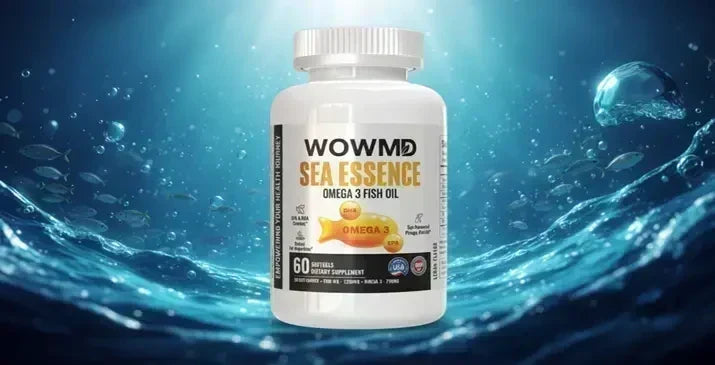
Shop WOWMD Sea Essence Omega-3 – USA Made
What Are Omega-3 Fatty Acids?
Omega-3 fatty acids are polyunsaturated fats required for optimal health, and they exist in three specific types: alpha-linolenic acid (ALA), eicosapentaenoic acid (EPA), and docosahexaenoic acid (DHA). The key bioactive forms are EPA and DHA, so we need them in higher amounts.
Advertisement


ALA exists only in plants, while DHA and EPA are found in fatty fish and seafood like sardines, mackerel, anchovies, salmon, herring, and tuna. The body does convert some ALA into EPA and DHA, for those who do not consume fish or seafood.
Good food sources of ALAs include chia seeds, walnuts, flaxseed, soybean, canola oil, and some leafy greens.
Health Benefits of Omega-3 Fatty Acid
 Image Credit: Health Benefits of Omega-3 Fatty Acid
There is a significant amount of scientific articles supporting the importance of consuming either foods or supplements rich in Omega 3s. Nonetheless, "intakes in the U.S. are abysmally low," according to Ann Skulas-Ray, assistant professor of nutrition at the University of Arizona in Tucson.
These are some of the most notable benefits of omega-3s:
| Health Benefit | Key Impact | Supporting Research |
|---|---|---|
| Heart | Lowers BP, triglycerides, stroke risk | eClinical Medicine 2021 |
| Brain | Enhances memory & focus | Cureus Review 2022 |
| Mental Health | Boosts serotonin, lowers anxiety | JAMA Psychiatry 2019 |
| Joints | Reduces inflammation & stiffness | Nutrients Review 2020 |
| Skin | Lowers acne, dryness, aging | Dermatology Review 2020 |
| Eyes | Supports retina, reduces dry eye | Frontiers Nutrition 2024 |
| Diabetes | Improves insulin & blood sugar | Springer Nutrition 2024 |
May Help Support Heart Health
Omega-3s, especially EPA and DHA, help to lower blood pressure and triglycerides, elevate HDL cholesterol, and potentially reduce the risk of heart disease, stroke, and heart arrhythmias.
These nutrients have potent anti-inflammatory properties, helping to alleviate swelling in the cardiovascular system. In addition, they may prevent the formation of potentially harmful blood clots by preventing platelets from binding together, improving circulation and vasodilation.
A 2021 research review in eClinical Medicine by Safi U. Khan, et al concluded that omega-3s especially EPA, may improve cardiovascular outcomes and reduce mortality[1].
The results were confirmed in a 2022 review in Current Atherosclerosis Reports by Samuel C. R. Sherratt, et al, which found that omega-3s may improve platelet function, lower inflammation, decrease cholesterol, and help prevent endothelial dysfunction[2].
Help Support Cognitive Function
Omega-3 fatty acids play an essential role in cognitive function starting before birth, they are important building blocks in developing the brain and nervous system of the growing fetus.
This makes it especially important for women to consume them while pregnant and breastfeeding. In addition, infants and children require optimal levels to form new cells and strengthen neural connections.
While ALA and EPA are central to brain function, DHA also supports the synthesis of key neurotransmitters like dopamine and serotonin to help enhance cognitive functions like memory, motivation, and mood.
A research review in Cureus by Ibrahim M Dighriri, et al found a connection between the consumption of omega-3s and improvements in memory, learning, cognitive well-being, and cerebral blood flow[3].
Research indicates that regular consumption of omega-3 fatty acids could slow the progress of cognitive decline and lower the risk of developing Alzheimer's disease and other dementias[4].
In this video, our valued client explains how WOWMD Sea Essence Omega 3 Fish Oil has supported her heart health, improved joint flexibility, and boosted cognitive function for a sharper mind.
May Improve Mental Health
Omega 3 fatty acids help boost levels of the neurotransmitters dopamine and serotonin, which play a significant role in mood and could help alleviate depression. In addition, some research indicates that omega-3s may increase GABA levels to help lower stress and anxiety[5].
A research review published in Translational Psychiatry by Yuhua Liao, et al found support for the benefits of omega-3s, particularly EPAs, in reducing depression symptoms[6]. In addition, a review in JAMA Network by Kuan-Pin Su, et al found an association between supplementation with omega-3s and a reduction in anxiety severity[7].
ALSO READ - How Omega-3 Fatty Acids Support Mental Health
Supports Bone & Joint Health
Research supports the potential benefits of EPA and DHA in helping to strengthen bones by improving calcium absorption, thus enhancing bone mineral density and reducing fracture risk[8]. As bones support the joints and keep them stable, this could also enhance their health and function.
Omega-3 fatty acids also are shown to reduce pain and inflammation in the joints and protect against cartilage loss. A review of studies published in Nutrients by Dean M. Cordingley and Stephen M. Cornish found clinical support for the benefits of omega-3s in the management of osteoarthritis[9].
Skin Benefits
Omega-3s have multiple benefits for skin health, most notably decreasing inflammation and redness and helping to heal skin conditions like atopic dermatitis and acne[10]. They may also slow oil production to reduce the risk of breakouts, boost hydration, alleviate dryness, and decrease signs of photoaging.
May Reduce Inflammation
Omega 3 fatty acids have powerful anti-inflammatory properties which help reduce swelling bodywide, supporting the health of the heart, brain, liver, pancreas, digestive tract, and kidneys. In addition, they may support the management of autoimmune conditions[11].
Omega-3s also help ease muscle and joint pain, improve function, and speed up recovery after exercise.
Explore WOWMD’s Omega-3 Supplements – Clean, Potent, USA-Made.
Eye Health
Omega-3s support ocular health by improving blood flow to the eyes, enhancing tear production, and helping to maintain retinal function. DHA exists naturally in the retina, and some research indicates that it plays a role in vision.
According to a research review in Frontiers in Nutrition by Yan Lee, et al, optimal omega-3 levels may lower the risk of developing age-related conditions like macular degeneration and glaucoma[12].
In addition, there is some evidence indicating that omega-3s could help alleviate dry eye syndrome and eliminate floaters.
Dr. Janice Fan
Dr. Janice Fan, a Doctor of Optometry, emphasizes the potential benefits of omega-3 supplementation, particularly for those with existing eye conditions. She states,For people with existing eye conditions, like dry eye syndrome or age-related macular degeneration, even higher doses might be beneficial. I've seen some patients respond well to doses of 2000-3000 mg per day. But, everyone's needs are different, and these higher doses should only be taken under the guidance of an eye doctor or healthcare provider.

READ MORE - How Omega-3's Can Help Treat Dry Eye?
Diabetes Management
Omega-3 fatty acids, especially EPA and DHA, may offer anti-diabetes benefits. Evidence suggests that they may improve insulin resistance and reduce diabetes-related inflammation that can exacerbate the condition[13].
In addition, these nutrients have been shown to lower triglycerides, decrease fasting glucose levels, and improve other parameters of metabolic syndrome.
A research review in Current Nutrition Reports by Sümeyra Şahin Bayram and Gül Kızıltan found support for the role of omega-3 fatty acids in managing blood sugar and lipid levels in people with type 2 diabetes[14].
Boost Your Health with Sea Essence Omega 3 Fish Oil– Shop Now!
Good Sources of Omega-3s
 Image Credit: Fish vs Plant Based Omega-3s Fatty Acid
Getting enough omega-3s is a must, since our bodies don't make much of them on their own. That's why it's so important to get them through your diet or supplements.
There are two main types of omega-3s you should focus on: EPA and DHA, found mainly in marine life, and ALA, found in plants.
Marine Sources (EPA & DHA)
These are the most effective forms of omega-3s because your body can use them directly. Think of them as the most powerful version.
- Fatty Fish: Salmon, mackerel, herring, and sardines are some of the best sources. Aim for at least two servings per week.
- Fish Oil Supplements: A great option if you don't eat much fish.
- Cod Liver Oil: This also contains vitamins A and D.
- Algae Oil: A good choice for vegans and vegetarians.
Plant Sources (ALA)
Your body can convert some ALA into EPA and DHA, but the conversion rate is very low. Still, these foods are a healthy addition to your diet.
- Flaxseed: You can use whole flaxseed or ground flaxseed meal.
- Chia Seeds: Sprinkle them in yogurt or smoothies.
- Walnuts: A fantastic snack and a good source of ALA.
- Soybeans: You can find ALA in tofu and edamame.
Did You Know?
- DYK? EPA & DHA are the most active forms of omega-3, but most people get less than 100 mg/day.
- DYK? Pregnant women in UK & Australia are commonly advised to supplement omega-3 for baby brain health.
- DYK? Canadians have among the lowest fish consumption in the G7.
How To Take Omega-3s
Taking omega-3 supplements is pretty simple. To get the best results and avoid any potential side effects like "fish burps," follow these simple tips:
- Take with food: Taking your supplement with a meal that contains some fat helps your body absorb the omega-3s better.
- Consistency is key: Try to take it at the same time every day—for example, with breakfast or dinner—so you don't forget.
- Follow the label: Always read the instructions on your specific supplement bottle, as dosages can vary.
Feel the Difference – Order WOWMD Sea Essence Omega 3 Fish Oil Today!
DYK: High doses above 3000 mg/day may increase bleeding risk if on blood thinners.
Advertisement


Omega-3 Fatty Acids Dosages
There isn't one single "right" dose for everyone, as it can depend on your age, health goals, and overall diet. However, there are some general guidelines.
- For Most Healthy Adults: A common dose is around 250–500 mg of combined EPA and DHA per day.
- For Specific Conditions: Your healthcare professional may recommend a higher dose for certain health goals, such as lowering triglycerides or managing inflammation.
- For Children and Pregnant Women: It's best to talk to a pediatrician or obstetrician to find the right dosage for their specific needs.
Important: Never take a high dose without talking to a healthcare provider first. They can help you determine the safest and most effective dose for you.
User Testomonial
- “My joints move better and feel less stiff with these. I keep buying them for that reason.” —Jes C., Verified Buyer ★★★★★
- “These softgels keep my joints flexible and mobile. I store them in the fridge to avoid any fishy taste.”—Betty M., Verified Buyer ★★★★☆
- “Just what I was looking for and very affordable. Excellent quality of omega-3 in the form of easy-to-swallow softgels.”—Joseph B., Verified Buyer ★★★★☆
Are Omega-3s Safe? (Risks & Side Effects)
For most people, taking omega-3 supplements is very safe. However, like any supplement, there are a few things to be aware of.
Side Effects To Watch For
Most side effects are minor and go away on their own. The most common ones are:
- Fishy aftertaste or "fish burps"
- Upset stomach
- Diarrhea
- Nausea
Taking your supplement with a meal can often help reduce these issues.
Can You Take Too Much?
Yes, it is possible. Taking very high doses (more than 3,000 mg per day) can increase the risk of bleeding. This is especially true if you are on blood thinners.
Potential Drug Interactions
Omega-3s can interact with certain medications, including:
- Blood Thinners: Also known as anticoagulants, like Warfarin. This is the most serious interaction, as it can increase your risk of bleeding.
- Blood Pressure Medications: Omega-3s can naturally lower blood pressure, so taking them with medication could cause your blood pressure to drop too low.
The Takeaway: Always be open with your healthcare provider and pharmacist about any supplements you're taking, especially if you are on any other medications. They can ensure everything is safe for you.
Advertisement


Omega-3 Checklist for Buyers
- Ingredients: Saw Palmetto and Lycopene.
- Non-GMO, gluten-free, and vegan-friendly.
- Clinically backed dosages.
- Ingredient transparency.
- GMP certification.
- Third-party testing.
- Real customer reviews.
Conclusion
Omega-3 fatty acids are essential to optimal health and functioning. Since we produce very little naturally, we must derive them from sources like fatty fish (EPA and DHA), and plant-based foods (ALA) such as chia seeds and walnuts.
Keeping your omega-3 levels high may lead to multiple benefits like enhancing heart and brain health, strengthening the bones, easing joint pain and inflammation, supporting the immune system, improving mental health, lowering blood sugar levels, and more.
Ensure that your diet includes plenty of fatty fish, nuts, seeds, and plant oils to optimize your omega-3 intake. In addition, taking a daily omega-3 supplement could help boost your levels to enhance overall health and well-being.
Omega-3s are vital for heart, brain, skin & joint health. Since intake is low in USA, UK, Canada & Australia, supplements can bridge the gap. WOWMD Sea Essence Omega-3 – clean, USA-made, 3rd party tested – supports daily wellness for the whole family. [Order Now].
Learn More About Omega-3:
FAQs
This article is for informational purposes only and is not a substitute for professional medical advice, diagnosis, or treatment. Statements made on this website have not been evaluated by the U.S. Food and Drug Administration. Always consult a qualified healthcare professional before making changes to your diet, supplements, medications, or healthcare routine.
Our Top Picks

Sea Moss Complex


Greens Blend

References
WOWMD follows strict sourcing guidelines to ensure the accuracy of its content, outlined in our editorial policy. We use only trustworthy sources, including peer-reviewed studies, qualified experts, and information from top institutions.


- Are You Getting Enough Omega-3 Fatty Acids? https://www.heart.org/en/news/2023/06/30/are-you-getting-enough-omega-3-fatty-acids
- Effect of Omega-3 Fatty Acids on Cardiovascular Outcomes: A Systematic Review and Meta-Analysis: https://www.thelancet.com/journals/eclinm/article/PIIS2589-5370(21)00277-7/fulltext
- Role of Omega-3 Fatty Acids in Cardiovascular Disease: the Debate Continues: https://www.ncbi.nlm.nih.gov/pmc/articles/PMC9834373/
- Effects of Omega-3 Polyunsaturated Fatty Acids on Brain Functions: A Systematic Review: https://www.ncbi.nlm.nih.gov/pmc/articles/PMC9641984/
- Dietary and Supplemental Long-Chain Omega-3 Fatty Acids as Moderators Of Cognitive Impairment and Alzheimer’s Disease: https://www.ncbi.nlm.nih.gov/pmc/articles/PMC8854294/
- Possible Antidepressant Mechanisms of Omega-3 Polyunsaturated Fatty Acids Acting on the Central Nervous System: https://www.frontiersin.org/journals/psychiatry/articles/10.3389/fpsyt.2022.933704/full
- Efficacy of Omega-3 PUFAs in Depression: A Meta-Analysis: https://www.nature.com/articles/s41398-019-0515-5
- Association of Use of Omega-3 Polyunsaturated Fatty Acids With Changes in Severity of Anxiety Symptoms: https://www.ncbi.nlm.nih.gov/pmc/articles/PMC6324500/
- Omega-3 Fatty Acids in Pathological Calcification and Bone Health: https://pubmed.ncbi.nlm.nih.gov/32548903/
- Omega-3 Fatty Acids for the Management of Osteoarthritis: A Narrative Review: https://www.ncbi.nlm.nih.gov/pmc/articles/PMC9413343/
- The Potential Uses of Omega-3 Fatty Acids in Dermatology: A Review: https://journals.sagepub.com/doi/abs/10.1177/1203475420929925
- Omega-3 Fatty Acids in Inflammation and Autoimmune Diseases: https://pubmed.ncbi.nlm.nih.gov/12480795/
- Association Between Fatty Acid Intake and Age-Related Macular Degeneration: A Meta-Analysis: https://www.frontiersin.org/journals/nutrition/articles/10.3389/fnut.2024.1403987/full
- Omega-3 Fatty Acids, Insulin Resistance and Type 2 Diabetes: https://www.ncbi.nlm.nih.gov/pmc/articles/PMC3430014/
- The Role of Omega- 3 Polyunsaturated Fatty Acids in Diabetes Mellitus Management: A Narrative Review | Current Nutrition Reports (springer.com) https://link.springer.com/article/10.1007/s13668-024-00561-9