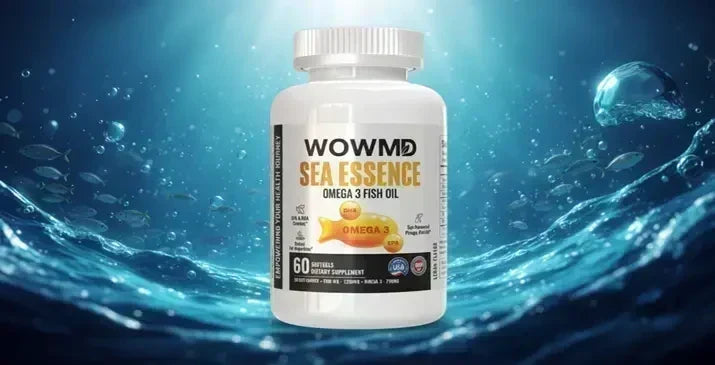


5 Best Brain Supplements With Omega-3 to Sharpen Your Focus
In this guide to the best brain supplements with omega-3, we review 5 top picks and break down DHA vs EPA, the right dose, and the best form to support memory, focus, and brain health.
 By WOWMD Staff

 Fact Checked
Advertiser Disclosure: WOWMD independently vets and sells featured products listed on this page. We may receive compensation from purchases. This does not influence our editorial standards. Learn why you can trust us.
Table of contents
- Introduction
- Omega-3 for the Brain
- Our Top Picks
- Comparison Table
- Key Ingredients
- Fish Oil vs Krill Oil vs Algae Oil
- How Much Omega-3 Do You Need for Your Brain?
- What to Look for
- Best Omega-3 for Adults, Seniors, and Memory
- Food Sources of Omega-3
- Science Behind
- What to Do if You Can't Eat Fish?
- Who Should You Take Fish Oil
- Can Omega-3 Help With Brain Fog?
- Conclusion
- FAQs

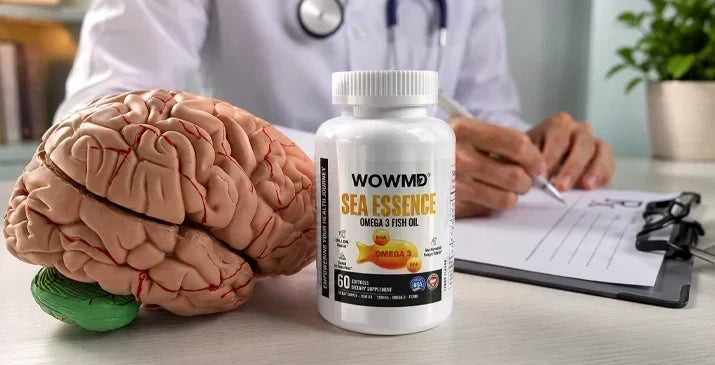
Introduction: Why Omega-3 is Key for Brain Health
Every day, your brain processes thousands of thoughts, memories, and decisions. It’s the powerhouse of your body, ensuring smooth coordination of mental and physical functions.
But just like any other part of your body, your brain needs the right fuel to perform at its best. Omega-3 fatty acids are among the most essential nutrients for maintaining brain health and improving cognitive functions.
What makes omega-3s special? These "good fats" are vital for supporting memory, focus, and overall mental performance. From sharper concentration to better problem-solving, omega-3 fatty acids can elevate your brain’s capabilities. Let’s explore how these nutrients work, what supplements contain them, and how they can fit into your lifestyle for long-term brain health.
TL;DR
- Omega-3s, mainly DHA and EPA, are key for omega 3 for brain health, supporting memory, focus, and clear thinking while lowering brain inflammation.
- We compared 5 top picks, so you can find the right fish oil, krill, or vegan omega-3 for your needs.
- In the krill oil vs fish oil choice, krill absorbs easily and adds antioxidants, while fish oil gives more EPA and DHA per dose.
- For real brain benefits, aim for 800 to 2,000 mg of EPA and DHA daily, and take it with a fatty meal for better absorption.
- Pick a triglyceride or phospholipid form with third-party testing, and give it 6 to 12 weeks of daily use to see results.
What Makes Omega-3 So Special for the Brain?
Your brain thrives on healthy fats, with omega-3 fatty acids being some of the most critical. They are primarily composed of DHA (docosahexaenoic acid) and EPA (eicosapentaenoic acid), both of which contribute uniquely to brain performance.
The Role of DHA and EPA in Brain Function
- DHA (Docosahexaenoic Acid): This is the primary structural fat in your brain, making up a significant portion of brain cell membranes.DHA enhances cell communication, ensuring your neurons fire effectively. This directly influences memory, focus, and learning capacity [1].
- EPA (Eicosapentaenoic Acid): Known for its anti-inflammatory properties, EPA helps reduce mental fatigue and stress, which are common barriers to optimal cognitive performance. Together, these fats form a powerhouse team for brain health [2].
“Omega-3 Fatty Acids (DHA & EPA): Critical for synaptic plasticity and reducing neuroinflammation. Found in fatty fish (salmon, sardines), walnuts, flaxseeds, and algae-based supplements,” explains Dr. William Scott Burgin, Professor of Neurology.
Omega-3’s Influence on Cognitive Abilities
Omega-3 fatty acids support several key brain functions, including:
- Memory Retention: By improving neuron communication, omega-3s strengthen memory recall, especially long-term memory.
- Focus and Attention: EPA and DHA improve neurotransmitter activity, which helps you stay focused on tasks.
- Learning Abilities: DHA enhances the flexibility of brain cells, allowing you to process new information faster and more efficiently.
When combined, these benefits make omega-3s indispensable for anyone looking to boost their brain performance naturally.
Advertisement


Our Top Picks
Best Overall: WOWMD Sea Essence Omega-3 Fish Oil
Best for Brain and Skin Support: Flawless Bloom Omega-3 EPA 180mg + DHA 120mg
Best Krill Oil for Brain: OmegaKrill
Best High-Potency EPA and DHA: Nordic Naturals Ultimate Omega
Best Single-Softgel Omega-3: Sports Research Triple Strength Omega-3 Fish Oil

Pros
- Supports memory, focus, and mental clarity.
- 720 mg of omega-3s with EPA and DHA per serving.
- DHA helps keep brain cells healthy and connected.
- Also supports joint mobility and nerve health.
- Helps reduce inflammation in the body.
- Gluten-free, non-GMO, and sugar-free.
Cons
- Softgels are on the larger side.
- Results build over a few weeks.
- Individual results may vary.
Form: Softgels | Dosage: 1 softgel 2 to 3 times daily | Servings per bottle: 60 servings | Price: $31.50 (1 bottle) | Third-party tested: Yes
Description:
WOWMD Sea Essence Omega-3 Fish Oil delivers 720 mg of omega-3 fatty acids, including EPA and DHA, in every serving. DHA is the main structural fat in your brain, so it helps keep your brain cells healthy and firing well for better memory and focus. EPA works alongside it to calm inflammation, which can ease brain fog and mental fatigue. The formula also supports joint mobility and nerve health, making it a solid daily choice for adults. It is gluten-free, non-GMO, and sugar-free.
Things to Consider:
A great daily pick for brain and whole-body support. Consult your healthcare provider if you take any medication.

02
Best for Brain and Skin Support
Flawless Bloom Omega-3 EPA 180mg + DHA 120mg
Pros
- EPA and DHA support brain, focus, and heart health.
- Vitamin E helps your body use the omega-3s.
- Also supports skin hydration and a healthy glow.
- Vitamin E keeps the oil fresh and prevents rancidity.
- Gluten-free, non-GMO, and hormone-free.
- 100 softgels for a longer supply.
Cons
- Not suitable for vegans (fish and gelatin).
- Not a fit for anyone with a fish allergy.
- Individual results may vary.
Form: Softgels | Dosage: 1 softgel twice daily | Servings per bottle: 100 servings | Price: $52.49 (1 bottle) | Third-party tested: Yes
Description:
Flawless Bloom Omega-3 pairs 180 mg of EPA and 120 mg of DHA with a touch of vitamin E in each softgel. EPA and DHA are the two omega-3s your brain relies on for memory, focus, and steady mental energy, and your body cannot make them on its own. The added vitamin E is a smart touch, since it helps your body absorb and use the omega-3s while keeping the oil from going rancid. It also supports skin hydration and a healthy glow, so you get brain and beauty benefits in one. Effects build over a few weeks of daily use.
Things to Consider:
A good daily pick for adults who want brain support with a skin bonus. Skip it if you have a fish allergy, and consult your provider if you take blood thinners.

Pros
- 1,400 mg omega-3s with high DHA for the brain.
- DHA is the main fat that builds brain cells.
- Krill oil absorbs easily for better brain uptake.
- Astaxanthin protects brain cells from oxidative stress.
- Also supports mood, memory, and mental clarity.
- IFOS-certified and independently third-party tested.
Cons
- Three softgels a day is a bigger dose to take.
- Not suitable for vegans or those with a fish allergy.
- Individual results may vary.
Form: Softgels | Dosage: 3 softgels daily | Servings per bottle: 90 servings | Price: $34.00 (1 bottle) | Third-party tested: Yes
Description:
OmegaKrill blends fish oil and krill oil to deliver 1,400 mg of omega-3s, with a high 1,040 mg of DHA per serving. That matters for your brain, since DHA is the main structural fat in brain cells and drives memory, focus, and clear thinking. The krill oil helps your body absorb these omega-3s well, so more reaches your brain where it counts. Added AstaReal astaxanthin is a strong antioxidant that helps shield brain cells from daily oxidative stress, while vitamin D supports mood and overall function. It is IFOS-certified and third-party tested, which makes it a clean, trusted daily choice.
Things to Consider:
A top pick for brain support and higher DHA. Consult your healthcare provider if you take blood thinners or any medication.

Pros
- 1,280 mg of omega-3s per serving for strong support.
- EPA and DHA fuel memory, focus, and clarity.
- Triglyceride form absorbs better for more brain uptake.
- Made from wild-caught sardines and anchovies.
- Third-party purity tested for a clean formula.
- Non-GMO, gluten-free, with a fresh lemon taste.
Cons
- Two softgels daily to reach the full dose.
- Not a fit for vegans or those with a fish allergy.
- Individual results may vary.
Form: Softgels | Dosage: 2 softgels daily | Servings per bottle: 90 servings | Price: $33.75 (1 bottle) | Third-party tested: Yes
Description:
Nordic Naturals Ultimate Omega delivers a high 1,280 mg of omega-3s per serving, sourced from wild-caught sardines and anchovies. The EPA and DHA in this dose support memory, focus, and clear thinking, since your brain relies on both to work at its best. It uses a re-esterified triglyceride form, which your body absorbs more easily, so more of the omega-3s reach your brain. EPA also helps calm inflammation, which can ease brain fog and mental fatigue. Third-party purity testing and a fresh lemon flavor make it a clean, easy daily choice.
Things to Consider:
A strong pick for adults who want a higher, well-absorbed omega-3 dose. Consult your healthcare provider if you take blood thinners or any medication.

Pros
- 1,250 mg of concentrated fish oil in one softgel.
- EPA and DHA support memory, focus, and clarity.
- Just one softgel a day for an easy routine.
- Sourced from wild Alaska pollock.
- 10-step refining for purity and no fishy aftertaste.
- Gluten-free with no fillers or fake flavors.
Cons
- Not suitable for vegans or those with a fish allergy.
- Results build over a few weeks.
- Individual results may vary.
Form: Softgels | Dosage: 1 softgel daily | Servings per bottle: 120 servings | Price: $53.95 (1 bottle) | Third-party tested: No
Description:
Sports Research Triple Strength Omega-3 packs 1,250 mg of concentrated fish oil into a single daily softgel, sourced from wild Alaska pollock. Each serving delivers strong levels of EPA and DHA, the two omega-3s your brain needs for memory, focus, and steady mental energy. EPA also helps calm inflammation, which can clear brain fog and sharpen thinking. A careful 10-step refining process keeps it pure with no fishy aftertaste, and the small softgels are easy to swallow. With no fillers or fake flavors, you get clean fish oil in a simple one-a-day dose.
Things to Consider:
A great pick if you want a strong omega-3 dose in just one softgel a day. Consult your healthcare provider if you take blood thinners or any medication.
Comparison Table
| Our Top Picks | WOWMD Sea Essence Omega-3 | Flawless Bloom Omega-3 | OmegaKrill | Nordic Naturals Ultimate Omega | Sports Research Triple Strength |
|---|---|---|---|---|---|
| Third-party tested | Yes | Yes | Yes | Yes | No |
| Highlights | Supports memory, focus, joint mobility, and nerve health with EPA and DHA. | Supports brain and heart health, plus skin hydration and glow. | High DHA with krill oil and astaxanthin for brain, mood, and memory. | High-potency EPA and DHA in an easy-to-absorb triglyceride form. | Concentrated fish oil for brain and focus, purified with no fishy aftertaste. |
| Customer Rating |  4.9/5 4.9/5 |
4.9/5 |
 4.3/5 4.3/5 |
 3.8/5 3.8/5 |
3.8/5 |
| Return Policy | 60 Days | 60 Days | 60 Days | 30 Days | 45 Days |
| Shipping | Free U.S. Shipping on Orders Over $60 | Standard Rates | Standard Rates | Standard Rates | Standard Rates |
Common Ingredients in Brain Health Supplements
Best brain health supplements are most effective when they combine omega-3 fatty acids with other powerful ingredients. These additional components amplify the cognitive benefits of omega-3s, creating a holistic approach to supporting brain function.
 Best Ingredient in Brain Health Supplements
Key Omega-3 Sources in Supplements
Fish Oil:
Fish oil is one of the richest sources of DHA and EPA, two omega-3 fatty acids critical for brain performance. It is derived from fatty fish like salmon, mackerel, sardines, and anchovies .
Fish Oil benefits support the regeneration of brain cells and improve the structure of neuronal membranes. High-quality fish oils often go through molecular distillation to remove contaminants like mercury, ensuring they are safe and effective for daily use.
While fish oil is packed with DHA and EPA, many plant sources offer alpha-linolenic acid (ALA), another essential omega-3 that your body can partially convert to DHA and EPA.
Eileen Wang, MSCP board-certified physician says that
Fish oil is probably the most common ingredient in Omega-3 supplements. It's easy to extract from fish while still being able to sell the rest of the animal for market, and this is what drives fish oil's availability.
Algal Oil:
Algal oil is an eco-friendly and vegan alternative to fish oil, making it ideal for individuals who avoid animal-based products. It is derived from microalgae and provides a concentrated dose of DHA, which is particularly important for maintaining brain cell membranes [4]. Algal oil is not only sustainable but also free of the fishy aftertaste that some people experience with fish oil.
Additional Ingredients That Work With Omega-3s
Ginkgo Biloba:
Ginkgo biloba is a herbal extract known for its ability to improve blood flow to the brain. By increasing oxygen and nutrient delivery, it supports mental clarity and focus.
Studies suggest that Ginkgo biloba may enhance memory recall and slow cognitive decline in aging adults [5]. Its antioxidant properties also protect the brain from oxidative stress, making it an excellent complement to omega-3 fatty acids.
“Antioxidant-Rich Foods: Berries (blueberries, strawberries), dark leafy greens, and dark chocolate combat oxidative stress linked to cognitive decline,” highlights Dr. William Scott Burgin.
Vitamin E:
Vitamin E is a powerful antioxidant that shields brain cells from damage caused by free radicals [6]. This protection is crucial for preventing age-related cognitive decline and preserving memory. "Vitamin E is the most important ingredient to pair with Omega-3s since it helps your body to metabolize and make use of the Omega-3's," Said by Eileen Wang.
Additionally, Vitamin E supports the health of brain cell membranes, ensuring they remain fluid and functional. Its role in improving circulation also enhances the delivery of omega-3s to brain tissues.
Phosphatidylserine:
Phosphatidylserine is a phospholipid that forms part of the structure of brain cell membranes [7]. It plays a key role in cell signaling and the maintenance of neuronal communication. "Omega-3s play a key role in protecting cells, including neurons, from damage," stated by Eileen Wang
Supplementing with phosphatidylserine has been shown to improve memory, concentration, and overall cognitive health. It works synergistically with omega-3 fatty acids to ensure optimal brain cell function, particularly in tasks that require attention and multitasking.
B-Vitamins:
The B-vitamin complex, which includes B6, B9 (folate), and vitamin B12 is essential for brain health. These vitamins support the production of neurotransmitters like serotonin and dopamine, which influence mood, focus, and mental energy.
“B vitamins are vital for methylation cycles and neurotransmitter synthesis (dopamine, serotonin, norepinephrine). Synergy, when it occurs, typically involves these compounds supporting different, yet interconnected, aspects of neuronal function and energy metabolism,” describes Dr Nick Bennett, a GMC-registered clinician.
B vitamins also play a role in reducing homocysteine levels in the blood, a factor associated with cognitive decline. When combined with omega-3s, B vitamins enhance brain energy metabolism, keeping your mind sharp and active [8].
“Common ingredients often touted for energy and focus include caffeine and L-theanine (found in green tea), creatine, B vitamins (especially B6, B9, B12), and adaptogens like Rhodiola rosea or Panax ginseng,” mentions Dr Nick Bennett.
Fish Oil vs Krill Oil vs Algae Oil: Which Is Best for Your Brain?
When people compare krill oil vs fish oil, they usually want to know which one helps their brain more. All three sources give you omega 3 for brain health, but they work in slightly different ways.
Fish oil is the most common and most affordable choice. It comes from fatty fish like salmon and sardines, and it gives you a strong dose of both EPA and DHA. For most people, a good fish oil for brain support is a simple, proven way to help memory and focus.
Krill oil is a bit different. When you look at krill oil vs fish oil for omega 3, krill delivers its omega-3s in a phospholipid form, the same form your brain cells use, so your body may absorb them more easily. Krill oil also has astaxanthin, a natural antioxidant that helps protect your brain cells. The catch is that krill usually has less EPA and DHA per softgel, so many people ask is krill oil is better than fish oil, and the honest answer is that it depends on the dose.
Algae oil is the top pick if you want a vegan omega-3 for brain support. It comes straight from microalgae, the same source fish get their omega-3s from, and it gives you clean DHA with no fishy taste.
How Much Omega-3 Do You Need for Your Brain?
Many people ask how much omega-3 for brain health they really need. For general health, about 250 to 500 mg of EPA and DHA a day is enough. But to get the full omega-3 for brain health benefits like better memory and focus, the research uses higher doses. Most studies on the best omega-3 for brain support used 800 to 2,000 mg of EPA and DHA daily.
You should not go overboard, though. Experts suggest staying under 5 grams (5,000 mg) a day unless a doctor tells you otherwise. If you take blood thinners, talk to your doctor first, since omega-3 for brain function support can affect clotting.
One simple tip makes a big difference. Take your omega-3 with a meal that has some fat in it. Studies show your body absorbs about three times more EPA and DHA this way, so your brain actually gets more of the benefits of omega-3 for brain health.
“An effective brain supplement targets specific neurochemical pathways or provides essential nutrients that may be deficient. The brain is complex, so effectiveness often stems from supporting foundational neurological function, not from a single compound acting as a magical 'boost,” clarifies Dr Nick Bennett.
What to Look for in a Quality Omega-3 Supplement?
With so many options available, choosing the right fish oil and omega-3 supplement can feel overwhelming. Here’s what to consider:
 What to Look for in Omega-3 Supplements
High-DHA Content
When it comes to brain performance, DHA is the most critical component. Look for supplements with a higher ratio of DHA to EPA, as it directly supports memory, learning, and cognitive function. DHA is particularly beneficial to the brain as it helps your brain cells to remain healthy and connected to one another.
Purity and Freshness
Ensure the supplement has been tested for contaminants like mercury and heavy metals, especially if sourced from fish oil. Freshness is equally important, as rancid oils lose their effectiveness and can produce harmful compounds.
Adequate Dosage
Experts recommend a daily intake of 250–500 mg of combined DHA and EPA for general brain health. If you’re looking for significant cognitive improvements, consult a healthcare provider for personalized advice.
Sustainability
Opt for products sourced from sustainable fisheries or eco-friendly algae farms to minimize environmental impact. Certifications like MSC (Marine Stewardship Council) can provide peace of mind.
Best Omega-3 for Adults, Seniors, and Memory
The right pick depends on who you are, so here is how the best brain supplements for adults break down by group.
For busy adults, a daily fish oil with a strong EPA and DHA dose is the easy choice. The best brain supplements for focus support mood and mental energy through long work days, and our Sea Essence pick fits this group well.
For older users, DHA matters most. The best brain supplements for seniors lean on high-DHA formulas, since DHA helps protect aging brain cells. A high-DHA krill option like OmegaKrill is a smart fit, and it also ranks among good brain supplements for older adults.
If recall is your goal, look for the best brain supplements for memory. Steady DHA doses over several weeks give the strongest support, which is why many rate a concentrated fish oil as one of the best brain supplements for memory and focus.
Best Food Sources of Omega-3 Fatty Acids
- Ground flaxseed: Just two tablespoons mixed in your oatmeal, yogurt, or smoothie can provide a strong dose of omega-3s.
- Chia seeds: Use them on your cereal or bake them into energy bars for a nutrient-filled snack.
- Walnuts: Great as a snack or thrown onto salads.
- Plant oils: Flaxseed oil, canola oil, and soybean oil are great cooking essentials that give a heart-healthy intake of ALA.
- Algal oil: Made from microalgae - the same source of omega-3s as fish - algal oil supplements are a very good vegan-friendly alternative and usually contain DHA.
“Caffeine acts as a stimulant through adenosine receptor antagonism, while L-theanine may modulate alpha brain waves, potentially improving focus without the jitteriness of caffeine alone,” notes Dr Nick Bennett.
Advertisement


The Science Behind Omega-3 and Brain Performance
Scientific studies consistently highlight the benefits of omega-3s for brain health. Here are some of the most compelling findings:
Memory Improvement
Research published in the Journal of Clinical Interventions in Aging shows that individuals with higher DHA levels tend to have better memory recall [9]. The hippocampus, the brain region responsible for memory, thrives on DHA-rich diets.DHA also aids in soothing inflammation within the brain, which is frequently the cause of problems such as brain fog, forgetfulness, and lack of vitality.
Reducing Mental Fatigue
A study in Frontiers in Aging Neuroscience found that EPA helps reduce inflammation in brain cells, combating mental fatigue and improving clarity [10]. This makes omega-3 supplements particularly useful for students and professionals facing high mental demands.Cognitive Protection
Regular intake of omega-3s has been linked to slower cognitive decline in older adults. Studies suggest that these fatty acids may help delay the onset of age-related conditions like Alzheimer’s disease [11].“The most effective ways to support mental focus are not found in a pill. These include adequate sleep, regular physical activity, a balanced diet rich in whole foods, stress management techniques (like mindfulness), and maintaining social connections. These lifestyle interventions have robust evidence for supporting overall brain health and cognitive function,” underscores Dr Nick Bennett.
What Should You Do if You Can’t Eat Fish?
If you are not allowed to eat fish, maybe because of the taste, allergies, you can still find ways to meet your omega-3 needs. Plant-based sources such as flaxseeds and chia seeds are good sources of ALA, which is a precursor of EPA and DHA, however, a very small amount is converted by the body. So, the majority of people choose to take a high-quality omega-3 supplement to complete their intake.
Should You Take Fish Oil for Your Brain?
Fish oil may be useful to certain individuals; however, it is not a universal brain booster. In case of mild memory impairments or if you have been informed that you have early cognitive impairment, omega-3s, particularly DHA, could be of some help.
Fish oil is something that can also be considered in case you have issues with depression as it has been proven that the supplements with greater concentrations of EPA can improve mood, especially when taken together with prescribed antidepressants.
With that said, it is unlikely that fish oil can enhance thinking in individuals who already have a healthy brain function and studies indicate that it does not aid people with Alzheimer's disease.
Can Omega-3 Help With Brain Fog?
If your thinking feels slow or cloudy, you may wonder about omega-3 for brain fog. Omega-3s can help here, mostly by lowering inflammation in the brain, which is a common cause of foggy thinking. EPA is the star for this, while DHA keeps your brain cells healthy, so together they support real omega-3 for brain function.
People also ask, does omega-3 help memory? The research says it can, especially for older adults or anyone low in omega-3s. This is also why fish oil for brain fog is such a common search. It works best as steady daily support, not a quick fix, so pair it with good sleep, exercise, and a healthy diet to keep your mind sharp.
“Omega-3 fatty acids support cell membrane integrity, and certain B vitamins are critical cofactors in neurotransmitter synthesis,” points out Dr Nick Bennett.
Advertisement


Conclusion
Omega-3 fatty acids are a cornerstone of brain health, providing essential support for memory, focus, and learning. Whether you incorporate omega-3s through diet or high-quality supplements, these fatty acids offer a natural and effective way to boost cognitive performance.
By understanding the role of DHA and EPA, recognizing the complementary ingredients in brain health supplements, and selecting products carefully, you can unlock your brain’s full potential. Take the first step today and enjoy the long-term benefits of a sharper, healthier mind.
FAQs
Meet The Experts
- Dr. William Scott Burgin, Professor of Neurology.
- Dr Nick Bennett, a GMC-registered clinician.
This article is for informational purposes only and is not a substitute for professional medical advice, diagnosis, or treatment. Statements made on this website have not been evaluated by the U.S. Food and Drug Administration. Always consult a qualified healthcare professional before making changes to your diet, supplements, medications, or healthcare routine.
Our Top Picks

Neuro Plus Brain & Focus Formula


Lion's Mane Mushroom

References
WOWMD follows strict sourcing guidelines to ensure the accuracy of its content, outlined in our editorial policy. We use only trustworthy sources, including peer-reviewed studies, qualified experts, and information from top institutions.


- Docosahexaenoic acid (DHA): An essential nutrient and a nutraceutical for brain health and diseases - https://pmc.ncbi.nlm.nih.gov/articles/PMC9087135/
- Importance of EPA and DHA Blood Levels in Brain Structure and Function - https://pmc.ncbi.nlm.nih.gov/articles/PMC8066148/
- Omega-3 fatty acids: a comprehensive scientific review of their sources, functions and health benefits - https://fjps.springeropen.com/articles/10.1186/s43094-024-00667-5
- How do algae oils change the omega-3 polyunsaturated fatty acids market? - https://www.ocl-journal.org/articles/ocl/full_html/2022/01/ocl210103/ocl210103.html
- Ginkgo biloba extract improves cognitive function and increases neurogenesis by reducing Aβ pathology in 5×FAD mice - https://pmc.ncbi.nlm.nih.gov/articles/PMC8014356/
- Effects of Vitamin E on Cognitive Performance during Ageing and in Alzheimer’s Disease - https://pmc.ncbi.nlm.nih.gov/articles/PMC4276978/
- Phosphatidylserine in the Brain: Metabolism and Function - https://pmc.ncbi.nlm.nih.gov/articles/PMC4258547/
- B Vitamins and the Brain: Mechanisms, Dose and Efficacy—A Review - https://pmc.ncbi.nlm.nih.gov/articles/PMC4772032/
- Omega-3 fatty acids: potential role in the management of early Alzheimer’s disease - https://pmc.ncbi.nlm.nih.gov/articles/PMC2854051/
- Long-chain omega-3 fatty acids and the brain: a review of the independent and shared effects of EPA, DPA and DHA - https://www.frontiersin.org/journals/aging-neuroscience/articles/10.3389/fnagi.2015.00052/full
- The Relationship of Omega-3 Fatty Acids with Dementia and Cognitive Decline: Evidence from Prospective Cohort Studies of Supplementation, Dietary Intake, and Blood Markers https://pmc.ncbi.nlm.nih.gov/articles/PMC10447496/