

The 5 Best Plant-Based Vegan Alternatives to Fish Oil
Explore the best fish oil alternatives for vegetarians, including plant-based omega-3 options like algae oil, chia seeds, walnuts, and flaxseed oil.
 By WOWMD Staff

 Fact Checked
Advertiser Disclosure: WOWMD independently vets all recommended products. If you purchase a featured product, we may be compensated. Learn why you can trust us.

Fish oil is an abundant source of a nutrient that every human needs: omega-3 fatty acids. Omega-3 fatty acids are healthy types of fat that humans need for physical energy, to insulate the organs, and to support normal cognition.
However, as the name suggests, fish oil comes from fish. And if you’re a vegan or simply can’t eat fish or fish byproducts for other reasons, getting your daily recommended intake of omega-3 fatty acids can be a real challenge.
The good news is that there is a fish oil alternative for vegans. In the following article, we will be talking about:
- how you can get your omega-3 fatty acids
- why getting a healthy amount of this nutrient is important
- how to choose the right fish oil vegetarian substitute
TL;DR
- Fish oil is a key source of omega-3 fatty acids essential for brain, heart, and joint health.
- Omega-3 fatty acids (EPA, DHA, ALA) support cognitive function, reduce inflammation, and improve eye health.
- Vegans can opt for plant-based alternatives like walnuts, flaxseed, chia seeds, algal oil, and leafy greens.
- Vegetarian omega-3 supplements are available, ensuring vegan-friendly, non-gelatin options.
The Benefits of Fish Oil
Before we start answering the question, ‘is there a vegan substitute for fish oil?’ we should first understand why this nutrient is beneficial in the first place. As we have already pointed out, fish oil alternative for vegans is a ready source of omega 3 fatty acids.
The most important types of omega-3 fatty acids are Eicosapentaenoic acid (EPA), alpha linoleic acid (ALA), and docosahexaenoic acid (DHA). All of these specific types of omega-3 fatty acids have very specific roles in the human body.
For example, DHA is a fatty acid that makes up much of the structure of the brain itself. It has also been proven to be important for lowering triglyceride levels, which means it can help promote good cardiovascular function[1]. This is why fish oil benefits for vegans are so important.
Advertisement


Then there is alpha linoleic acid (ALA) which is also very important for maintaining good improving your heart health. The Mount Sinai staff put together a comprehensive report on the heart-friendly effects of ALA and stated that:
“One population study found that eating a diet rich in alpha-linolenic acid reduced the risk of high blood pressure by about 30%.”[2]
They even found that ALA can benefit people with asthma as well. It’s also important to note that the human body cannot produce omega-3 fatty acids like ALA, EPA and DHA on its own.
That’s why it’s so important to make sure you are using a fish oil that helps lower your cholesterol, an alternative for vegans. Let’s take a look at a few more reasons why you should be making sure you are getting enough omega-3 fatty acids:
- May Help Manage Arthritis - Omega-3 fatty acids have been shown to benefit joint health by reducing inflammation. Arthritis inflammation can cause chronic joint issues and compromise the structural integrity of your joints. Adequate omega-3 fatty acid intake can help maintain your mobility and help you avoid aching, painful joints.
- May Help Reduce the Risk of Cognitive Decline - The National Institutes of Health conducted a study on the effects of omega-3 fatty acids on the brain: They discovered that adequate omega-3 fatty acid support for mental health correlated with improved learning ability, increased blood flow to the brain, sharper memory, and an overall decreased risk of developing serious cognitive impairments like Alzheimer’s and dementia[3].
Also Read: Best Joint Supplements for Arthritis
- May Help Support Eye Health - These types of polyunsaturated fats are also crucial to eye health. It has been discovered that omega-3 fatty acids support the structural integrity of the eyes and may work to reduce your risk of developing issues like age-related macular degeneration.
Advertisement


Fish Oil Alternative For Vegetarian and Vegan Diets
Now that you have a good idea of why the omega-3 fatty acids that you typically get from fish oil are so important to human health, you may be thinking about a vegan fish oil replacement. So let’s take a look at some vegan sources of omega-3 and 6:
 Fish Oil Alternative For Vegetarian
- Algal Oil - Algal oil is derived from algae and it is one of the only vegan options for getting your daily recommended intake of omega 3 fatty acids like EPA and DHA.
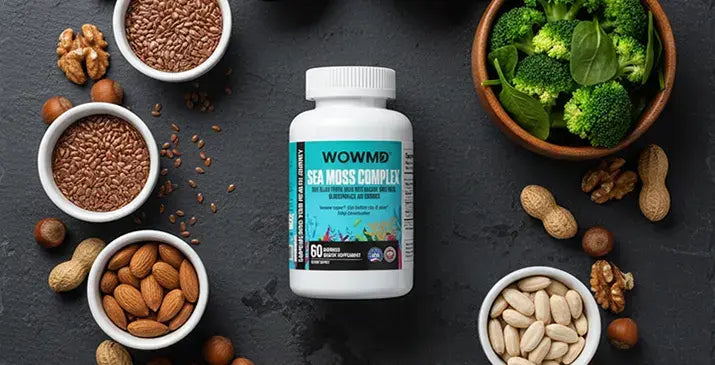
- Walnuts - Walnuts offer an easy way to get a vegan source of ALA. Consider quickly as a snack or adding them to your desserts, salads, and dinner recipes.
- Greens - Green, leafy vegetables like kale, brussels sprouts, and spinach are vegan alternatives to fish oil because they contain ALA.
- Flaxseed - Flax seeds are a fish oil alternative for vegans, contain ALA, and can help lower your overall cholesterol. They are also good sources of plant-based protein and fiber, which may help improve your digestive health.
- Chia Seeds - Chia seeds are another good source of ALA, a fish oil alternative for vegans, and can be added to your yogurt or smoothies to give you an instant omega-3 fatty acid boost.
Expert Advice on Fish Oil Alternatives
Dr. Jonathan Serman, wound-care physician and IFMCP, says;
I am often asked about plant-based omega 3 options from my patients that prefer to avoid fish oils. This is what I tell them:
The best vegetarian option is algae oil. It contains natural EPA and DHA. These are the same long-chain fatty acids that fish oil provides for cardiovascular and cognitive benefits.
Algae oil improves endothelial function (inside lining of blood vessels), lowers triglycerides, and helps balance inflammation.
Best Plant-Based Sources of Omega-3 Fatty Acids
For those seeking vegetarian alternatives to fish oil, consider incorporating these sources into salads or as side dishes. Canola oil serves as another excellent option for cooking, providing significant amounts of ALA (alpha-linolenic acid).
In this video, Amanda, a Registered Dietitian and Nutritionist, explains the benefits of fish oil and the importance of getting enough omega-3 and omega-6 fatty acids in your diet.
Vegetarian Omega 3 Supplements
Beyond whole foods, specific plant-based supplements provide a reliable way to meet your omega-3 needs. Algal-based supplements are particularly valuable as they contain pre-formed EPA and DHA, similar to fish oil but from plant sources.
They may make it much easier to know exactly how much omega-3 you are getting every day and there is no cooking or prep work involved.
If you are looking for supplements as a vegan replacement for fish oil, make sure that the product does not contain any gelatin and that it was not produced on machinery that also processes shellfish, dairy, and other non-vegan substances.
“Plant-based omega-3s are absorbed well when taken with meals containing healthy fats. I advise patients to find supplements that have a high DHA to EPA ratio, are processed by cold-press extraction, and have third-party purity testing” says Dr. Jonathan Serman.
Advertisement


How to Choose the Plant-Based Vegan Alternatives to Fish Oil
The right vegan fish oil alternative will depend largely on your specific health needs and wellness goals. It would be best to speak with your healthcare practitioner to help sort out your options, based on your specific medical history and dietary needs.
Conclusion
Being a vegan comes with a variety of challenges, but getting a good supply of omega-3 fatty acids doesn’t have to be one of them. Not when there are so many viable omega-3 fish oil substitute options available.
It’s all about finding options that work for you and that you can stick with, whether those are vegetables, nuts, seeds, or a good omega-3 supplement.
Whatever you choose, we hope you find a vegan omega-3 source to help maintain your good health.
FAQs
This article is for informational purposes only and is not a substitute for professional medical advice, diagnosis, or treatment. Statements made on this website have not been evaluated by the U.S. Food and Drug Administration. Always consult a qualified healthcare professional before making changes to your diet, supplements, medications, or healthcare routine.
Our Top Picks

Greens Blend

Neuro Plus Brain & Focus Formula


References
WOWMD follows strict sourcing guidelines to ensure the accuracy of its content, outlined in our editorial policy. We use only trustworthy sources, including peer-reviewed studies, qualified experts, and information from top institutions.


- Health benefits of docosahexaenoic acid (DHA): https://pubmed.ncbi.nlm.nih.gov/10479465/
- Alpha-linolenic acid: https://www.mountsinai.org/health-library/supplement/alpha-linolenic-acid
- Effects of Omega-3 Polyunsaturated Fatty Acids on Brain Functions: A Systematic Review: https://pmc.ncbi.nlm.nih.gov/articles/PMC9641984/