

How to Lower Cortisol: Diet, Sleep & Supplements
Learn how combining adaptogenic supplements, targeted diet changes, and daily relaxation techniques helps effectively lower high cortisol.
 By WOWMD Staff

 Fact Checked
Advertiser Disclosure: WOWMD independently vets all recommended products. If you purchase a featured product, we may be compensated. Learn why you can trust us.
Table of contents


Curious about how to reduce cortisol?
Discover effective strategies, including lifestyle changes and natural remedies, to help bring cortisol back into balance.
“Why lowering cortisol matters for weight loss, sleep, and mood”
Cortisol is a hormone produced by the adrenal glands that helps regulate various functions in the body, such as metabolism and immune response. However, when cortisol levels become too high due to prolonged stress or other factors, it can lead to health issues like weight gain, sleep problems, and even a weakened immune system.
Understanding how to balance cortisol is crucial for maintaining a healthy body and preventing long-term health problems including high blood pressure, heart disease, and type 2 diabetes. In some cases, using a supplement for lower blood pressure alongside stress management techniques may support overall cardiovascular health. Keeping cortisol in check helps balance mood, improve energy, and support the body’s natural healing processes.
TL;DR
- High cortisol from ongoing stress can affect sleep, weight, mood, digestion, and immunity over time.
- Regular exercise, 7 to 9 hours of sleep, and stress techniques like meditation and yoga help bring it back into balance.
- A diet rich in leafy greens, berries, nuts, and fish supports lower cortisol, while sugar and processed foods can spike it.
- Supplements like ashwagandha, magnesium, vitamin C, and probiotics may help the body manage stress.
- If symptoms like weight gain, irregular periods, or mood swings persist, see a healthcare provider to check for underlying causes.
Understanding Cortisol and Stress
Cortisol is often referred to as the body's "stress hormone" because it is released when you experience stress. When you're in a stressful situation, your adrenal glands release cortisol to help you manage the situation.
This is part of the body’s natural fight-or-flight response, which is essential for dealing with short-term stress. However, when stress becomes constant, it can lead to cortisol imbalance, which can increase risk for depression, heart disease, and cognitive health issues.
Prolonged high cortisol levels can also have negative effects on your body, affecting areas like on sleep, digestion, and even mood. In the long term, chronic high cortisol levels can cause high blood pressure, heart disease, and type 2 diabetes.
High cortisol levels can also increase abdominal fat, and lead to bone health conditions like osteoporosis and cognitive decline Some of the symptoms of high cortisol in females include weight gain (especially around the abdomen), irregular menstrual cycles, fatigue, and mood swings.
Other stress-related symptoms from excessive cortisol can include headaches, trouble concentrating, and feeling irritable. Understanding these connections can help you recognize when stress might be contributing to cortisol imbalance and take steps to address it early.
Advertisement


What Are the Signs of High Cortisol?
Some of the symptoms of elevated cortisol won't be apparent. However, the body has ways to tell when a person is experiencing elevated levels of the hormone. Some of these include the following:
- Unintended weight gain (especially the abdominal type)
- Presence of an unusually large amount of facial hair on females
- Always suffering from headache
- Lack of sleep quality and insomnia
- Mood changes (anxiety and depression, for example)
- Joint and muscle pains
- Problems with the gums
When someone is experiencing prolonged elevated cortisol levels, one must also take into account the potential diseases that this hormone imbalance could cause. These are:
- High blood pressure (hypertension)
- Type 2 diabetes
- Osteoporosis
- Dementia
If a person is showing some of the signs listed above, one should not wait before consulting with a doctor.
What Happens When Cortisol Is High?
Cortisol is one of the stress hormones that are secreted by the human body. In small doses, it is useful. But when there are high levels of cortisol for a long period of time, then it leads to many health problems.
Here is the list of the consequences of having too much cortisol in your body:
- Obesity – Because it stimulates food intake and fat deposition in some parts of the body (abdomen)
- Insomnia – Elevated cortisol influences the hormones responsible for sleep regulation
- Memory loss and cognitive impairments – The common symptoms are forgetfulness, inability to concentrate and fatigue
- Weakness of the immune system – Decreases the immunity of the body
- Cardiovascular and metabolic disorders – Long-lasting elevated cortisol increases the risks of such diseases as hypertension, diabetes type 2 and cardiovascular disease
Such conditions like chronic stress, medications, obesity, adrenal or pituitary gland diseases can be the cause of high levels of cortisol.
But thankfully, the means of naturally controlling your cortisol levels are rather efficient. Sleep and exercise more and learn to deal with stress properly.
Effective Strategies to Lower Cortisol Levels
Managing cortisol levels requires a combination of strategies that target the root causes of stress. Below are some proven ways to lower cortisol levels through everyday habits and choices:
Supplements and Natural Remedies
Using supplements and natural remedies can also help reduce high cortisol levels. Below are some key options that can support the body’s ability to manage stress and bring cortisol back into balance:
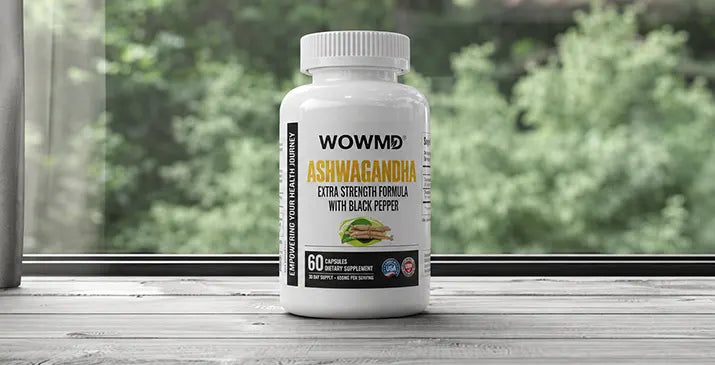
AshwagandhaAshwagandha is a popular adaptogenic herb known for its ability to lower cortisol. It helps the body manage stress more effectively by reducing cortisol production. Several studies have shown that Ashwagandha can help you sleep and significantly lower stress levels improve sleep quality, which can be helpful for those experiencing symptoms of high cortisol such as fatigue and mood swings[1].
Adaptogenic HerbsAdaptogens like Rhodiola Rosea and Holy Basil are herbs which help the body resist stress and regulation of cortisol levels[2]. These herbs work by supporting the adrenal glands, which are responsible for producing cortisol. Regular use of adaptogens can help restore balance and prevent cortisol imbalance over time.
Vitamin CVitamin C is not only good for immune function but also plays a role in controlling cortisol levels[3]. During times of stress, the body uses up more Vitamin C, so maintaining healthy levels can help reduce excess cortisol. Foods rich in Vitamin C, such as oranges, strawberries, and bell peppers, are examples of foods that can help lower cortisol naturally.
MagnesiumMagnesium is another essential nutrient that can help lower cortisol levels, especially in people who experience stress regularly. It supports sleep and relaxation, both of which are important for keeping cortisol levels in check[4]. As interest grows around questions such as does magnesium lower cortisol, many turn to supplements or foods that lower cortisol, like leafy greens, nuts, and seeds, can help you maintain healthy magnesium levels.
ProbioticsProbiotics are known for their role in gut health, but they also have a connection to stress and cortisol levels. Studies have shown that a healthy gut can support lower cortisol levels, especially during periods of stress[5]. Probiotic-rich foods for gut health like yogurt, kefir, and fermented vegetables can help balance cortisol levels naturally.
| Supplement | Key Benefit | Best Source | Ideal Use Case |
|---|---|---|---|
| Ashwagandha | Reduces stress | Capsules/Powder | Stress + Sleep support |
| Magnesium | Promotes sleep | Leafy greens, Nuts | Anxiety + Insomnia |
| Vitamin C | Adrenal support | Citrus, Berries | Stress recovery |
| Probiotics | Gut-brain axis | Yogurt, Kefir | Chronic stress |
- ✅ Exercise daily (30 mins)
- ✅ Sleep 7–9 hrs
- ✅ Include magnesium-rich foods
- ✅ Practice meditation/yoga
- ✅ Take adaptogens (Ashwagandha, Rhodiola)
Healthy Diet and Nutrition
What you eat plays a big role in controlling cortisol. A diet rich in foods that lower cortisol, such as leafy greens, berries, nuts, and fish, can help keep cortisol in check.
Reducing sugar and processed foods is also important since these can cause spikes in cortisol levels. Staying hydrated and eating balanced meals throughout the day supports your body’s ability to manage stress.
MacronutrientsMacronutrients, including carbohydrates, proteins, and fats, significantly have a control factor on cortisol levels. A balanced intake of these nutrients will stabilize blood sugar and give your body the energy it requires to deal with stress.
Healthy sources of each of these macronutrients provide an opportunity to lead a quality lifestyle while building support for your body in regard to handling tension.
- Carbohydrates: Whole grains (brown rice, quinoa), fruits (bananas, apples), and legumes (lentils, beans) provide a fiber-rich source of antioxidants that can help reduce stress in the body.
- Proteins: Protein from lean sources like chicken or turkey, fish like salmon or sardines, eggs, and plant-based proteins like tofu and tempeh can support many processes in the body for overall health.
- Fats: Healthy fats from avocados, olive oil, nuts such as almonds and walnuts, and seeds such as chia seeds and flaxseeds can provide omega-3 fatty acids that can help lower inflammation in the body and in turn help reduce stress in the body.
Advertisement


Micronutrients encompass your vitamins and minerals that help keep the levels of cortisol under control and essential for healthy living. You can derive stress-reducing qualities from essential micronutrients like magnesium, vitamin C, and B vitamins.
Moreover, a varied diet rich in these nutrients will equip your body to prepare itself to stay resilient against attacks of stress.
- Magnesium: Spinach, dark chocolate, pumpkin seeds, black beans are examples of magnesium-rich foods that can help support heart and metabolic health.
- Vitamin C: Oranges, strawberries, bell peppers, and broccoli that contain antioxidant properties that can help reduce stress in the body.
- B Vitamins: B vitamins present in whole grains such as oats, and brown rice as well as in leafy greens, eggs, and nuts can provide brain and nervous system support.
| Micronutrient | Macronutrient |
|---|---|
| Magnesium: Critical for relaxation and stress relief. | Carbohydrates: Whole grains (quinoa, brown rice), fruits (bananas) |
| Vitamin C: Reduces cortisol levels by supporting adrenal function. | Proteins: Lean meats (chicken, turkey), fish, eggs, tofu |
| B Vitamins: Help the body cope with stress. | Fats: Avocados, olive oil, nuts, seeds |
Lifestyle Modifications
One of the most effective ways to lower cortisol levels is by making small but important changes to your lifestyle. These changes can help reduce stress and balance cortisol production.
Some lifestyle modification activities you should engage in to help lower cortisol levels include:
Regular Exercise and Physical Activity
Exercise is a powerful way to manage stress and lower cortisol levels. Regular physical activity, such as walking, jogging, or swimming, can help your body use up excess cortisol.
It also improves your mood and energy levels, making it easier to handle stress. The key is to choose activities that you enjoy and can do regularly. Also, you should do at least 30 minutes of moderate physical activity every day.
In this video, our expert shares easy stretches and effective breathing exercises to lower stress and cortisol levels, helping you relax and recharge anytime, anywhere, for a calmer, more peaceful day.
Adequate Sleep and Rest
Getting enough sleep is essential for maintaining healthy cortisol levels. Lack of sleep can lead to cortisol imbalance, making it harder for your body to recover from stress[6].
Therefore, try to maintain a consistent sleep schedule and aim for 7 to 9 hours of sleep each night. Good rest gives your body time to recharge and helps regulate hormone levels.
Neetu Nair, PhD, a sleep specialist with over a decade of experience in clinical sleep research, shares;
Getting enough quality sleep is one of the most effective ways to reduce elevated cortisol levels. Sleep allows the body to recover and reset, which is essential for keeping hormones in balance. Inconsistent sleep patterns, on the other hand, can lead to cortisol imbalance, making it harder for your body to manage stress effectively.
Stress Management Techniques
Managing stress is a direct way to lower cortisol. Techniques like meditation[7], deep breathing exercises, and yoga are simple methods that can be done anywhere.
These activities help calm the mind and signal the body to reduce cortisol production. Practicing these stress management techniques regularly can make a significant difference in managing stress over time. You can also try WOWMD Relax & Recharge Duo for stress relief, calm mood, and relaxation support.
Time Management and Organization
Poor time management can lead to stress, which can raise cortisol levels. Organizing your tasks and setting priorities can help you feel more in control and reduce stress.
Therefore, break large tasks into smaller, easy-to-manage steps to make them feel more manageable. This can help to keep your cortisol levels balanced.
What Foods Can Help Reduce Cortisol?
None of the foods listed above would individually help you to lower your cortisol level. However, when combined, they will sort out your problem. Therefore, when analyzing the nutrient components of your foods which help you to regulate stress hormones, the problem will be solved.
First, there is magnesium which includes the following food types: beans, legumes, nuts, seeds, spinach, and dairy foods. All of them will assist you in maintaining the balance in your body.
Second, there are omega-3 fatty acids, including fish, shellfish, flaxseed oil, canola oil, and walnuts. These foods will help you to reduce inflammatory responses and stress reactions.
Third, you need to eat foods which include vitamin c, namely bell peppers, strawberries, broccoli, papaya, and tomatoes.
Last but not least, you should consume green tea because it contains L-theanine which is the natural substance that helps to reduce stress.
What Supplements Can Help Reduce Cortisol?
The presence of high cortisol levels will mean constant stress, fatigue, and imbalances. However, supplements for lowering cortisol levels may come in handy. Here are a number of useful supplements to reduce cortisol levels:
Omega-3 fatty acids that are found in fish oil will help to lower the levels of cortisol in the morning as well as to minimize emotional exhaustion within a period of eight weeks of taking the supplement.
Vitamin C is an effective supplement to regulate stress and to control the balance of cortisol.
L-theanine is a compound found in green tea that will help to reduce cortisol levels in a few hours and promote better quality sleep.
Rhodiola rosea is a plant adaptogen that is helpful against stress, lowers cortisol levels, and increases energy and general health.
Ginseng will help with stress management because of antioxidants it contains that in turn affect cortisol levels.
Lemon balm is a natural and mild herbal supplement that helps to handle stress and promote better sleep quality.
Professional Help
Sometimes, even with lifestyle changes and natural remedies, managing cortisol imbalance can prove to be difficult. What do you do then?
Consult a healthcare provider
If symptoms like weight gain, irregular periods, or mood swings persist, it could be a sign that your cortisol levels are still too high. A healthcare provider can run tests to check your cortisol levels and find out if there are any underlying causes that need attention.
Health issues that can cause high cortisol levels include chronic stress, anxiety disorders, and conditions like Cushing's syndrome. Other factors include depression, where approaches such as magnesium for depression are often explored for supporting emotional balance, along with sleep disorders like insomnia, obesity, and certain medications such as corticosteroids.
Thyroid imbalances and chronic infections may also elevate cortisol levels. Getting professional help early can prevent long-term health problems like high blood pressure, type 2 diabetes, and heart disease.
Therapy and counseling options
In addition to medical testing, therapy and counseling can also play a key role in managing stress. Since stress is a major contributor to high cortisol, talking to a professional can offer effective tools to reduce stress.
Therapies like cognitive-behavioral therapy (CBT) and mindfulness techniques can lower cortisol by helping you handle stress more calmly. So, when you consult a professional, you can get the personalized support you need and better understand how to keep your cortisol level in check and manage stress more effectively.
Advertisement


Conclusion
Lowering cortisol levels involves a combination of lifestyle changes, natural remedies, and, if needed, professional help. Regular exercise, a healthy diet rich in foods that lower cortisol, and techniques like meditation can all help manage stress and balance cortisol.
Cortisol lowering supplements such as Ashwagandha and magnesium can further support your efforts. It's important to take a holistic approach when dealing with cortisol imbalance, focusing on both physical and mental well-being.
Managing stress effectively is key to avoiding the negative effects of high cortisol levels. By taking these steps, you can reduce cortisol levels in your body and in turn improve your health. Don’t hesitate to prioritize your health and start making positive changes today.
Learn More About Stress & Sleep
FAQs
This article is for informational purposes only and is not a substitute for professional medical advice, diagnosis, or treatment. Statements made on this website have not been evaluated by the U.S. Food and Drug Administration. Always consult a qualified healthcare professional before making changes to your diet, supplements, medications, or healthcare routine.
Our Top Picks

Magnesium Glycinate

B-12 Complex Liquid

Anxiety Shield

References
WOWMD follows strict sourcing guidelines to ensure the accuracy of its content, outlined in our editorial policy. We use only trustworthy sources, including peer-reviewed studies, qualified experts, and information from top institutions.


- Ashwagandha: Is it helpful for stress, anxiety, or sleep? https://ods.od.nih.gov/factsheets/Ashwagandha-HealthProfessional/
- Stress management and the role of Rhodiola rosea: a review: https://pubmed.ncbi.nlm.nih.gov/29325481/
- Vitamin C: https://ods.od.nih.gov/factsheets/VitaminC-HealthProfessional/
- Association of magnesium intake with sleep duration and sleep quality: findings from the CARDIA study: https://www.ncbi.nlm.nih.gov/pmc/articles/PMC8996025/
- Stress, depression, diet, and the gut microbiota: human–bacteria interactions at the core of psychoneuroimmunology and nutrition: https://www.ncbi.nlm.nih.gov/pmc/articles/PMC7213601/
- The effects of physical activity on cortisol and sleep: A systematic review and meta-analysis: https://pubmed.ncbi.nlm.nih.gov/35777076/
- Increasing stress resilience in older adults through a 6-week prevention program: effects on coping strategies, anxiety symptoms, and cortisol levels: https://pubmed.ncbi.nlm.nih.gov/39834757/
- The effects of sustained mild sleep restriction on stress and distress among healthy adults: Findings from two randomized crossover studies: https://pubmed.ncbi.nlm.nih.gov/38342031/
- Meditation interventions efficiently reduce cortisol levels of at-risk samples: a meta-analysis: https://www.tandfonline.com/doi/full/10.1080/17437199.2020.1760727
- Increasing stress resilience in older adults through a 6-week prevention program: effects on coping strategies, anxiety symptoms, and cortisol levels https://pubmed.ncbi.nlm.nih.gov/39834757/
- Meditation interventions efficiently reduce cortisol levels of at-risk samples: a meta-analysis https://www.tandfonline.com/doi/full/10.1080/17437199.2020.1760727