

10 Best Probiotic Foods to Support Gut Health
Discover the best probiotic foods for gut health, including yogurt, kefir, kimchi, sauerkraut, and more to support digestion and a healthy microbiome.
 By WOWMD Staff

 Fact Checked
Advertiser Disclosure: WOWMD independently vets all recommended products. If you purchase a featured product, we may be compensated. Learn why you can trust us.


If you’re concerned about your gut health, adding more probiotic-rich foods can help optimize digestion and offer other health benefits. Probiotics are live microorganisms in your gut that kill harmful bacteria to create an optimally-balanced microbiome. This balance of gut flora is essential for healthy digestion, promoting regular bowel movements and helping to ease issues like gas, bloating, and constipation.
You can derive probiotics from certain foods or by taking supplements. What foods have probiotics? The majority of probiotic foods are fermented, as the fermentation process creates beneficial bacteria and other nutrients. However, high temperatures can kill probiotic bacteria, so it is important to look for labels that specify active cultures.
In this article, we review the benefits of probiotics and provide you with a list of the top foods to include in your diet for optimal gut and overall health.
TL;DR
- Probiotics are live microorganisms in the gut that help promote an optimal gut microbiome, improving overall digestive health.
- Key benefits include boosting immune function, improving cognitive health, supporting heart and endocrine systems, and aiding weight management.
- Top probiotic-rich foods include yogurt, sauerkraut, miso, tempeh, kefir, kimchi, aged cheeses, pickles, sourdough bread, and buttermilk.
- Probiotic-rich foods help with skin health, digestion, and overall wellness, and consuming them regularly can optimize gut health.
- Probiotic supplements are available if you can't get enough from food, but it’s important to consult with a healthcare provider for the correct dosage and timing.
Dietitians Reveal the Best Probiotic Foods to Support Gut Health
For optimal gut health and multiple other benefits, these are the top 8 foods high in probiotics to incorporate into your daily meals.
 Probiotic Foods to Support Gut Health
Yogurt
Made from milk fermented by probiotics, yogurt is often a rich source of lactic acid bacteria and bifidobacteria. However, it's important to look at the label to ensure it contains live cultures, as some yogurt loses its probiotic bacteria during processing.
In addition to probiotics, yogurt contains protein, calcium, zinc, and vitamins B2 and B12, and supports the health of the bones, heart, and immune system. Yogurt may also help with weight management, as the protein can help curb hunger. Evidence also indicates it could support energy metabolism and help lower the risk of type II diabetes [1] .
Sauerkraut
A favorite salty, sour-flavored Eastern European food, sauerkraut is shredded cabbage fermented with lactic acid. Often included as a side dish or topping on other foods like sausages, when unpasteurized it’s one of the richest probiotic food sources. However, make sure to choose it in this form, as the pasteurization process strips it of live, active bacteria.
Sauerkraut is also rich in fiber, which helps feed the probiotic bacteria for more optimal microbiome balance. It also contains nutrients like iron, potassium, vitamins C and K, lutein, and zeaxanthin, which help strengthen immunity, support eye health, and strengthen the bones.
Miso
Used frequently in Japanese dishes and soups, miso is a fermented seasoning made from salt, soybeans, and the fungus koji. It is a good source of probiotics and fiber to support a healthy microbiome and enhance gut health, and it also contains protein and nutrients like iron, vitamin K, B vitamins, and manganese [2].
Miso is high in choline, which plays a central role in cognitive functions like memory, learning, and focus. Research also supports the potential benefits of miso in strengthening heart health, balancing cholesterol and blood sugar, and helping with weight management.
Tempeh
A common meat substitute for people following a plant-based diet, tempeh is a fermented soybean-based food. In addition to being a complete protein source with all 9 amino acids, it is one of the foods high in probiotics and fiber that supports optimal microbiome balance and gut health.
Tempeh also contains protein, and the fermentation process produces vitamin B12. This food also contains iron, calcium, phosphorus, magnesium, and calcium. Evidence indicates it helps with weight management and may support the heart, brain, and immune system.
Dr. Shernell Surratt-Gary, DO, a clinical advisor says,
You can increase your intake of probiotics through fermented foods such as yogurt with live cultures, kefir, sauerkraut, kimchi, miso, tempeh, kombucha, and naturally fermented pickles, all of which supply diverse strains of healthy bacteria that help keep the gut microbiome diverse and resilient.
Kefir
Kefir is a fermented milk that is similar to yogurt, but richer in diverse natural probiotics. In addition to optimizing the microbiome to support gut health, the strains in this probiotic food may help prevent infection and strengthen the immune system.
Kefir also contains protein, calcium, magnesium zinc, phosphorus, selenium, and vitamins A, B2, B12, and D. Potential health benefits include supporting heart health, strengthening bones, decreasing inflammation, and balancing cholesterol. It is low in lactose and may be ideal for those with an intolerance.
Kimchi
A popular Korean dish, kimchi contains fermented cabbage and other vegetables with a blend of seasonings. Rich in lactic acid probiotic bacteria and prebiotic fiber, consuming this food helps balance the gut microbiota and enhance digestive health [3].
In addition to being one of the foods highest in probiotics, kimchi contains other key nutrients like iron, calcium, phosphorus, and vitamins A, B, C, and K. It offers additional health benefits like supporting immune health, strengthening bones, and decreasing inflammation.
Aged Cheeses
Most aged cheeses are fermented, and many like gouda, cheddar, cottage cheese, and mozzarella contain probiotic bacteria. However, even fermented cheeses don’t always have probiotics, so you have to check the nutrition label to ensure that it indicates live cultures.
While some cheeses are higher in calories and saturated fat than other foods on our list, including them at moderate levels supports gut health and offers several other health benefits.
Cheese contains protein, calcium, magnesium, zinc, vitamins A, D, and K, and B vitamins. It may help enhance heart and immune health, strengthen bones, and promote muscle growth.
Advertisement

 *All individuals are unique. Your results can and will vary.
Pickles
Do you like to add pickles to a sandwich, or munch on them as a side? Pickles are cucumbers fermented in salt and water, giving them a tangy sour flavor in most cases. While high in sodium, they are teeming with healthy probiotic bacteria to help your gut microbiome flourish and enhance digestive health.
Make sure to avoid pickles made with vinegar, as they do not contain live probiotics. Pickles are also rich in Vitamin K, calcium, and potassium, making them ideal for supporting bone health.
Sourdough Bread
Sourdough bread is made through natural fermentation, which means it’s packed with probiotics. Not only does it help your gut, but it also contains prebiotics that feed the good bacteria in your microbiome. Enjoying sourdough can boost digestion and help your body absorb nutrients better—an easy way to support gut health.
Buttermilk
Buttermilk, a fermented dairy drink, is full of probiotics that are great for your gut. It helps promote healthy bacteria in your digestive system, making digestion smoother. Plus, it’s packed with calcium and protein, which supports bone health and boosts your immune system—an easy way to get some probiotics into your day.
Benefits of Eating More Probiotic-Rich Foods
 10 Best Probiotic Foods
- May Help Improve Digestive Health: Probiotics work to balance the digestive system, which is why digestion becomes smoother and there is less gas or abdominal discomfort.
- May Help Enhance Immune Function: Probiotics elevate your immune system by making it produce more antibodies and also by giving support to immune cells, thus the body becomes resistant to infections. [4]
- May Help Support Mental Health: The use of probiotics may lead to improvement of one's mood and lessening of anxiety as well as depression because of the communication between the brain and gut [5].
- May Help Support Better Skin Health: When the digestive system is in good condition, it is likely that the skin will be healthier too, and thus problems such as acne or eczema caused by inflammation will disappear.
- May Help Support Weight Management: Probiotics can help with weight management by balancing gut bacteria, which may influence appetite and metabolism [6].
- May Help Reduce Antibiotic-Related Diarrhea: Probiotics help restore balance in your gut, reducing the risk of diarrhea caused by antibiotics.
Read Also: Can You Take Probiotics with Vitamins and Minerals?
Advertisement

 *All individuals are unique. Your results can and will vary.
Probiotics: How to Take Them and Timing?
If you want to increase your intake of probiotics, foods are the best source. There are no guidelines for the recommended daily intake, and you cannot overdose, so we suggest incorporating several fermented foods you enjoy into your diet regularly.
If you don’t consume enough foods high in probiotics, consider taking a supplement to enhance your gut health. Available in the form of capsules, gummies, or powder, these formulas provide the healthy bacteria your gut needs to flourish.
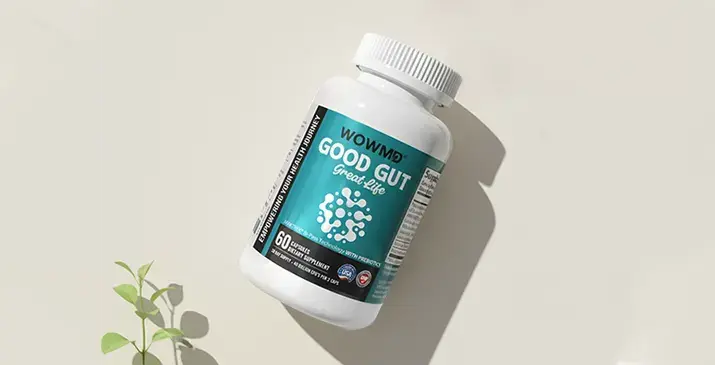
Good Gut Great Life by WOWMD is one such probiotic supplement designed to support digestive health. How should you take them? How should you take them?
According to Dr. Shernell Surratt-Gary, "Probiotic supplements are especially useful for people who don't regularly eat fermented foods, have dietary restrictions, or those who need extra support after illness, stress, or antibiotic use."
- Consult with a healthcare practitioner regarding the correct dosage and timing for you. Some people should take a supplement daily, while providers may recommend 2 or 3 days a week for others.
- Some probiotics are best taken on an empty stomach, while other strains should be combined with a meal. Follow the label directions and the advice of your healthcare practitioner.
- The ideal time to take your supplement depends on the strains included. Some are best taken in the morning, while others work better a couple of hours after dinner. Again, follow the label and the advice of your provider.
WOWMD Good Gut Great Life supplements are a convenient way to fill the gaps in your probiotic-rich diet. Perfect for those with busy schedules, you can easily incorporate them into your routine.
You can get a full guide on Can You Take Prebiotics and Probiotics Together? to understand how they work together to support your gut health.
Are There Any Risks or Side Effects of Probiotic Foods?
Adding probiotic-rich foods is generally safe and beneficial for most people. But there are certain things to keep in mind.
- If fermented foods aren't part of your usual diet, start slowly to avoid digestive discomfort.
- Rapid increases in probiotic intake may cause mild issues like gas, bloating, or changes in bowel habits.
- Introduce one new probiotic food at a time, and give your body a few days to adjust before adding more.
- Most symptoms are temporary as your gut microbiome rebalances.
- If symptoms persist, reduce intake and consult a healthcare provider.
- People with weakened immune systems or certain health conditions should consult a healthcare provider before making significant dietary changes.
In conclusion, gradual adjustments allow you to enjoy the benefits of probiotics while keeping your gut comfortable. Starting slowly helps prevent discomfort and ensures a smoother transition to healthier habits.
Advertisement

 *All individuals are unique. Your results can and will vary.
Conclusion
Incorporating a range of fermented probiotic foods into your diet is one of the best ways to optimize your gut health, boost your mood, support weight management, and strengthen your immune system. What foods have probiotics? The list of foods high in probiotics includes miso, tempeh, aged cheeses, kefir, pickles, kimchi, sauerkraut, yogurt, and more.
If you don't get enough probiotics from your diet, consider taking a supplement to boost your digestive well-being. Consult with a healthcare practitioner regarding the ideal product, dosage, and timing of use.
If you don’t have the time to get a proper probiotic-rich diet, try WOWMD Good Gut Great Life. One of the best supplements to support your gut health.
READ ALSO: Gut Health Supplements For Women
This article is for informational purposes only and is not a substitute for professional medical advice, diagnosis, or treatment. Statements made on this website have not been evaluated by the U.S. Food and Drug Administration. Always consult a qualified healthcare professional before making changes to your diet, supplements, medications, or healthcare routine.
Our Top Picks

Colon Sweep

Greens Blend


References
WOWMD follows strict sourcing guidelines to ensure the accuracy of its content, outlined in our editorial policy. We use only trustworthy sources, including peer-reviewed studies, qualified experts, and information from top institutions.


- The Potential Role of Yogurt in Weight Management and Prevention of Type 2 Diabetes: https://pubmed.ncbi.nlm.nih.gov/27332081/
- Fermentation and the Microbial Community of Japanese Koji And Miso: A Review: https://ift.onlinelibrary.wiley.com/doi/10.1111/1750-3841.15773
- Effects of Kimchi Intake on the Gut Microbiota and Metabolite Profiles of High-Fat-Induced Obese Rats: https://pmc.ncbi.nlm.nih.gov/articles/PMC11435375/
- The Interplay between the Gut Microbiome and the Immune System in the Context of Infectious Diseases Throughout Life and the Role of Nutrition in Optimizing Treatment Strategies: https://pmc.ncbi.nlm.nih.gov/articles/PMC8001875/
- The Role of Diet on the Gut Microbiome, Mood, and Happiness: https://pmc.ncbi.nlm.nih.gov/articles/PMC10055576/
- Effects of Probiotics and Synbiotics on Weight Loss in Subjects with Overweight or Obesity: A Systematic Review: https://pmc.ncbi.nlm.nih.gov/articles/PMC8540110/