

 Anti-aging
 Anxiety & Depression
 Beauty
 Blood Pressure Control
 Blood Sugar Support
 Bone Health
 Brain & Memory
 Cellular Health
 Digestion
  Energy & Vitality
 Eye Health
 General Wellness
 Hair, Skin & Nails
 Heart Health
  Immunity Support
 Joint Support
 Liver Support
 Men's Health
 Mood
Mood
 Muscle and Fitness
 Pain & Inflammation
 Respiratory and lungs
 Sleep Support
 Sports Nutrition
 Stress Support
 Thyroid Support
 UTI Balance
 Weight Management
 Women's Health
 Alpha Man Power Pack
 All-Day Fat Burn Trio
 Better Immunity Bundle
  Calm & Sleep Duo
 Cognitive Health & Vision Combo
 Complete Weight Loss Bundle
 Core Vitality Trio
 Energy Booster Combo
 Focus Fuel Trio
 Glow & Balance Duo
 Health Balance Trio
 Heart Care Bundle
 Joint Health Support Combo
 Men's Immunity & Prostate Health Bundle
 Metabolism Boost Duo
 Natural Skin Care Bundle
 Peak Performance Duo
 Relax & Recharge Duo
 Skin Detoxification Bundle
 Smart Energy Trio
 Stress + Energy + Wellness Combo
  Total Burn Ignite Trio
 Total Harmony Pack
 Workout Supplements Combo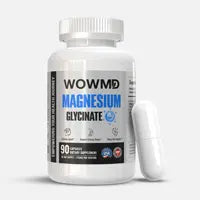
 Anti-Aging Skincare
 Body Care
 Eye Care
 Facial Cleansers
 Facial Toners
 Hair Care
 Moisturizers
 Serums
 Shop All Skincare
 Dehydrated Skin
 Dullness
 Fine Lines + Wrinkles
 Redness Prone
 Skin Discoloration
 Uneven Skin Texture



Best Vitamins & Supplements for Stress and Anxiety in 2026
Stress relief starts with the right vitamins. Discover the top vitamins & supplements for anxiety and how they enhance brain function, mood, and relaxation
 By WOWMD Staff

 Fact Checked
Advertiser Disclosure: WOWMD independently vets all recommended products. If you purchase a featured product, we may be compensated. Learn why you can trust us.

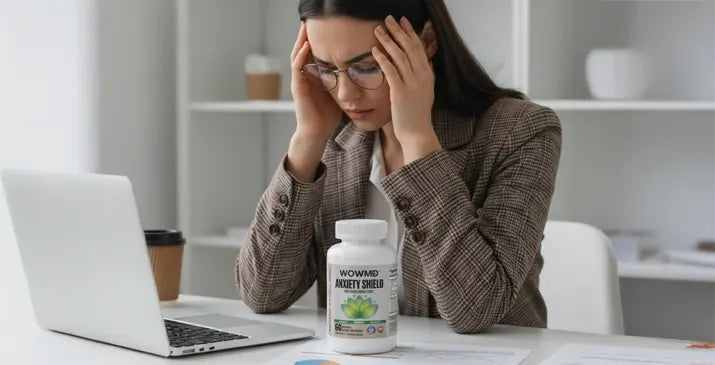
You’re feeling stressed and anxious. Okay, so what’s weighing on you today? Is it the never-ending to-do list? The pressure to perform?
Or perhaps the overwhelming thoughts that keep you up at night? Whatever it is, these challenges make even the simplest tasks feel monumental.
Here’s the good news: the right vitamins can help ease this burden. According to research, certain vitamins should be taken to improve mental abilities, support brain health, regulate mood, and fight off the physical and mental toll of stress[1].
Vitamins like B12, D, and magnesium work wonders in calming your system, improving cognitive function, and promoting relaxation. It’s all about nourishing your brain, so it can fend off stress naturally.
Today, let’s explore the essential vitamins that help combat stress and anxiety. Our goal is to guide you toward the right supplements that will boost your mental well-being and empower you to tackle life’s demands with more calm and clarity. Ready to dive in? Read on.
TL;DR
- Vitamin B Complex, Vitamin D, Vitamin C, Magnesium, and Omega-3s can help reduce stress, regulate mood, and support brain health.
- These vitamins aid in mood regulation, reduce cortisol levels, and improve sleep, offering natural stress relief.
- A lack of essential vitamins can worsen stress and anxiety, making supplementation crucial for mental well-being.
- Adaptogens like Ashwagandha and Rhodiola are also effective for reducing stress naturally.
- It may take a few weeks for noticeable results.
Understanding Stress and Anxiety
Stress and anxiety have invaded our lives. Stress occurs when we get overwhelmed with external pressures such as deadlines or a difficult situation resulting in a fight or flight response.
This may increase your pulse rate, blood pressure and cause you to feel anxious. However, anxiety is not necessarily associated with external stressors. It is rather a chronic sense of worry, tension, and fear that may manifest itself even when nothing is going on.
Stress may also cause such symptoms as headaches, tension in the muscles, fatigue, and insomnia. On the contrary, anxiety may lead to rapid breathing, elevated heart rate, sweating, nervousness and lightheadedness. Even simple tasks can turn into great challenges.
Stress and anxiety management are essential in enhancing concentration, productivity and general wellness. Incorporation of vitamins and supplements that aid in the control of stress is one of those methods.
You should select the correct ones depending on your personal needs, and a professional in healthcare can help in choosing the proper path. These vitamins will make your life better, balanced, and calmer by adding them to your diet.
Advertisement


Why Vitamins Matter
Vitamins are among the most unknown workers of human health, they are also very important for overcoming stress and anxiety. Vitamin deficiency results in stress and related complications which affect the mental and physical health of humans. By getting the right vitamins, one is in a position to have the right boosters in the body that control stress.
How Vitamin Deficiency May Impact Stress and Anxiety
Lack of essential vitamins can indeed make coping with stress so very challenging. For instance, B vitamins, such as B12 and B6, are critical vitamins for brain health that produce essential hormones responsible for mood regulation.
Without them, anxiety and depression have the potential to worsen. Vitamin D is another big one; low levels are linked to mood disorders, including stress and anxiety because it aids the production of serotonin and assists with cognition.
We also cannot ignore the role of magnesium in muscle and nerve function and protection against stress[2]. It is rather difficult to deal with stress when the amount of magnesium in the body is low. They are essential for brain health and reduce stress and anxiety, which are common among human beings in the present generation.
How some vitamins contribute to enhancing the quality of mental health
It is therefore notable that proper vitamin intake can help a lot improve your mental health. It can therefore be advisable to start your day with B-complex vitamins; these help to reduce stress and incidences of stress. Omega-3 which contains EPA and DHA also eases your mood and decreases inflammation, which is highly effective in managing anxiety.
To reduce stress and anxiety, one must make sure that they get enough vitamin D from the sun, food, or supplements. The benefits of taking magnesium glycinate supplements will enhance muscle relaxation and promote sleep, thus controlling stress.
By consuming foods that contain all the necessary vitamins that the human body requires with supplements when the need arises, one can develop a strong ability to fight stress and also enhance his or her psychological well-being.
Top Vitamins for Stress and Anxiety
Stress and anxiety are super common, but managing them well can boost your quality of life. Did you know that certain vitamins can help your body deal with these challenges? Let’s check out some of the best vitamins for stress and anxiety that you might want to add to your daily routine.
 Best Vitamins for Stress and Anxiety
Best Vitamins for Stress and Anxiety
- Vitamin B Complex: This group of eight essential nutrients is great for stress relief. They boost brain function, energy, and mood. Here’s what they do:
- Vitamin B12: It helps produce neurotransmitters that regulate mood and emotions. It is also the best vitamin for skin.
- Vitamin B6: Aids in making serotonin and dopamine, which are key for mood regulation.
- Vitamin C: Known for boosting immunity, Vitamin C also fights the oxidative stress that comes with anxiety. It can reduce blood pressure and lower cortisol levels, which rise when you’re stressed.
- Vitamin D: The "sunshine vitamin" is crucial for brain health and emotional balance. If you don't get much sunlight, taking a supplement can improve your mood and reduce anxiety.
- Magnesium: This mineral is known for its calming effects. It helps regulate your nervous system, reducing stress and anxiety symptoms. It’s also important for muscle relaxation and sleep.
- Omega-3 Fatty Acids: Found in fish oil, Omega-3s have strong anti-inflammatory properties. They support brain health, balance mood, reduce stress, and ease anxiety symptoms.
Vitamin B Complex
Benefits of B Vitamins for StressThese vitamins are lifesavers when it comes to moderating stress levels in our bodies. Not only that, the vitamin B complex also plays a major role in maintaining a healthy brain and reducing stress.
These vitamins are used in carrying out cellular metabolic processes and also in synthesizing mood-regulating elements such as serotonin and dopamine.
Research has revealed that B vitamins are very effective in lessening stress, depression, and anxiety because they work effectively for the nervous system[3].
Other micronutrients such as vitamin B6, B12, and folic acid contribute to the health of the brain as well as the regulation of stress hormones in the body.
Best Vitamin B Food Sources and Supplemental Forms- Food Sources: B vitamins are found in grains, meat, eggs, beans, seeds, nuts, spinach, and potatoes. These can also be found in powdered drink mix recipes.
- Challenges with Diet: Busy lifestyles may make it hard to get enough B vitamins from food alone.
- Supplements: Vitamin B complex supplements (tablets, capsules, or powder) can help fill the gap and support stress management.
- Recommendation: Vitamin B complex is ideal for stress and anxiety, helping improve mental well-being and resilience.
Advertisement


Vitamin D
Vitamin D is essential in our diet as it has a universal effect on our body, from your mental health to your immune system. Vitamin D deficiency causes anxiety, and as such, being stressed requires the intake of this natural vitamin[4].
Also referred to as the ‘sunshine vitamin’ because its production in the body is stimulated by sunlight. But as most of us spend significant time indoors, it becomes easy to lack some of these vital nutrients.
The Connection Between Vitamin D Deficiency and AnxietyDo you know that lack of vitamin D makes you stressed or have anxiety feeling? Vitamin D plays a significant role in the nervous system, especially for the proper functioning of our emotions.
If these receptors do not receive enough vitamin D, it interferes with the nervous system and thus stress and anxiety levels may be high.
It is also important not to let your Vitamin D levels decrease because these feelings can be alleviated by maintaining your Vitamin D levels, which is why vitamin D is among the best vitamins for stress and anxiety.
How to Ensure Adequate Vitamin D IntakeDr. Sarah Bonza, MD Dr. Sarah Bonza, MD, a board-certified US physician, explains that,vitamin D plays a role in mood and brain health. Several public health studies in the US have even found a correlation between low levels of vitamin D and higher rates of mood disorders such as anxiety and depression. This is because vitamin D helps modulate the production of neurotransmitters like serotonin and dopamine, which influence mood.

Making sure you get enough Vitamin D isn't hard. Here are some tips:
- Sun Exposure: Spend 15–30 minutes outside daily with some skin exposed to sunlight. It's the best way to get Vitamin D naturally.
- Food Sources: Increase your intake of Vitamin D foods; these include fish especially, salmon and mackerel, egg yolks, and vitamin D-fortified foods like milk, orange juice, and cereals.
- Supplements: In the cases where you get little sunlight or have a deficiency in Vitamin D from the food you eat, especially in winter, you should go for supplements. Consult a healthcare professional for the right dosage you need.
By following these steps, you can maintain good Vitamin D levels, helping you manage stress and anxiety better. When it comes to the best vitamins for stress, Vitamin D is a standout for its many benefits to your mental and physical health.
Vitamin C
How Vitamin C helps in reducing stressAnother supplement that can be taken to fight stress and enhance the health of the body is Vitamin C. These include fighting free radicals, boosting immunity, and enhancing the body’s capacity to cope with stress daily.
Research shows that high doses of this vitamin could help lower cortisol, the stress hormone, which makes stress easier to handle[5].
Supplementation suggestions and Food sourcesSupplements: Vitamin C supplements are especially helpful for those with limited time to prepare nutrient-rich meals or who have deficiencies. It’s available in chewable tablets, capsules, and powders, making it easy to boost your intake.
Dietary Sources: Vitamin C is abundant in many foods, so it’s easy to incorporate into your diet. Try adding:
- Oranges, grapefruits, and lemons
- Strawberries, kiwi fruit, and bell peppers
- Brussels sprouts and broccoli
Magnesium
Role of Magnesium in calming the nervous systemMagnesium is essential for over 300 metabolic activities in our bodies, and it is especially important for calming a frenetic nervous system and relieving stress.
Adequate amounts of this mineral assist regulate the neurochemicals that indicate calmness in the brain, solidifying its status as one of the best stress-fighting nutrients[6]. This essential element acts as a stimulant, releasing tense arteries and facilitating blood flow, which has a calming effect.
Best magnesium supplements and Food Sources- Magnesium Glycinate: Magnesium Glycinate is known for its high absorbability and mild laxative effects, making it a top choice for those seeking effective stress relief.
- Magnesium Citrate: Another great option due to its bioavailability and effectiveness in promoting relaxation and reducing stress[7].
- Magnesium-Rich Foods: Incorporating magnesium-rich foods like dark leafy greens, nuts, seeds, and whole grains into your diet can naturally boost magnesium intake and support stress management.
- Magnesium supplements and magnesium-rich foods can enhance your body's ability to cope with stress.
- Regular magnesium intake, whether through supplements or food, helps improve your body’s resilience to daily challenges.
Omega-3 Fatty Acids
Importance of Omega-3s for brain healthEver wondered how to keep your brain sharp as a tack and your mood balanced like a tightrope walker? The secret might be Omega-3 fatty acids! These essential fats serve as brain boosters, crucial for maintaining optimal brain function.
They help keep our brain cells flexible and working efficiently, which is key for good memory, focus, and mental clarity—sounds awesome, right?
Studies demonstrate taking enough Omega-3s can boost your brainpower and even improve your mood [8]. They also reduce inflammation, which may lower the risk of brain illnesses and help with stress and anxiety. If you're seeking vitamins to feel calmer and cheerful, Omega-3s should be your sure selection.
Effective Omega-3 supplements and food sourcesIncorporating Omega-3s into your lifestyle is easier than you think:
- Supplements: Fish oil supplements are a great option, providing EPA and DHA—two key Omega-3s that support brain health.
- Fatty Fish: If you prefer natural food sources, fatty fish like salmon, mackerel, and sardines are excellent choices for Omega-3s.
- Plant-Based Options: For those following a plant-based diet, flaxseeds, chia seeds, and walnuts are rich in ALA, a type of Omega-3 your body can convert into EPA and DHA.
- Combination Approach: A mix of supplements and natural food sources ensures a steady supply of these brain-boosting nutrients.
Did You Know?
- DYK? Magnesium helps calm the nervous system and reduce stress.
- DYK? Vitamin B12 is essential for regulating mood and energy.
- DYK? Omega-3 fatty acids support brain health and reduce inflammation.
- DYK? Vitamin D can enhance emotional well-being, especially in winter.
Additional Supplements
 Ashwagandha and Rhodiola
Adaptogens like Ashwagandha and Rhodiola
Adaptogens, such as Ashwagandha for sleep and Rhodiola for enhancing energy and mental clarity, are good alternatives for helping people stay calm and composed even during stressful circumstances.
These time-tested herbal supplements, used in Ayurvedic and Western medicine, are well-known for their ability to manage stress healthily.
Ashwagandha is well-known for lowering cortisol levels, which allows you to relax and sleep better, making it an excellent natural stress reliever. Ashwagandha has been shown to reduce stress and enhance perspective over time[9].
When is the best time to take Ashwagandha? While you can take ashwagandha at any time of day, the optimal timing often depends on individual goals.
Rhodiola is another incredibly effective adaptogen that boosts vitality, state of mind, and mental performance under pressure. According to studies, Rhodiola can increase strength, reduce burnout symptoms, and improve overall well-being[10]. Including these adaptogens in your stress management strategy is a natural and practical way to improve how your body manages stress.
Herbal supplements beneficial for stress relief
Thinking about what vitamin is best for stress? Combine traditional adaptogens such as Ashwagandha and Rhodiola with other supplements that aid in relaxation for a complete approach. By incorporating these natural solutions into your wellness routine, you can better manage stress and maintain overall health.
Watch Alanna Gardner share how WOWMD Anxiety Shield reduced her stress and brought calmer days. Made with natural ingredients like Ashwagandha and Chamomile, it supports mental wellness. See how it can help you feel more relaxed and in control!
How to Choose the Best Supplements for Stress and Anxiety
Choosing the right supplements for stress and anxiety is an important step toward better mental health. With so many options out there, it can be tough to know which ones are best. Here’s a straightforward guide to help you make informed choices.
Tips for Picking Quality Supplements
When selecting supplements, quality matters. Here are some easy tips to help you choose wisely:
- Stick with Trusted Brands: Choose supplements from well-known brands with a good reputation. Look for those that offer third-party testing and certifications, so you know you’re getting the real deal.
- Check the Ingredients: Make sure the label lists all the ingredients and their amounts. You should know exactly what you’re taking.
- Avoid Unnecessary Additives: Steer clear of supplements with fillers, artificial colors, or preservatives. Clean-label products are usually better.
- Choose the Right Form: Supplements come in capsules, tablets, powders, and liquids. Pick the type that suits your lifestyle and preferences.
Customer Testimonials:
Here's what our customers are saying about Anxiety Shield:
- "I love how Anxiety Shield helps me stay calm and composed. I feel like I’m more emotionally stable, and I’m not as easily stressed out by daily pressures." -Lily
- "I’ve been using Anxiety Shield for about two months, and I feel more in control of my emotions. My anxiety has significantly decreased, and I’m much more focused." -Elliot F.
- "WOWMD Anxiety has helped me manage daily stress and feel more balanced throughout my day. I feel more centered and at peace." -Liam Y.
>> Try WOWMD Anxiety Shield for a natural boost to your mental clarity and calm. [Order Now]
What to Look for on the Label - Buyer Checklist
Understanding the label is key to getting what you need:
- Serving Size: Check how much you should take and how many servings are in the container.
- Daily Value Percentage: Look at the percentage of the daily value (%DV) for each nutrient to see how much of your daily intake you’re getting.
- Ingredients List: Review the active ingredients to ensure the product contains what you need.
- Third-Party Testing: Check if the product is tested by an independent lab for safety and quality assurance.
- Non-GMO and Gluten-Free: If you have dietary restrictions, make sure the product is non-GMO and gluten-free.
- Additives and Fillers: Avoid products with unnecessary artificial colors, preservatives, or fillers.
Advertisement


Getting the Dosage Right
The right dosage is crucial:
- Start Slow: Begin with a lower dose and increase it gradually based on how your body responds.
- Follow Instructions: Stick to the dosage instructions on the label or from your healthcare provider.
- Consider Vitamin Longevity: It's important to know how long do vitamins stay in your system. Water-soluble vitamins may require more frequent replenishment, while fat-soluble vitamins can be stored longer. This understanding can help you plan your supplementation effectively.
- Consult a Professional: Always talk to a healthcare provider before starting any supplements to avoid interactions with medications or health conditions.
Talking to Healthcare Providers
Before adding any vitamins or supplements to your routine, it’s essential to consult a healthcare professional. They can give you personalized advice based on your specific health needs, ensuring the supplements you choose are safe and effective for you.
Recommendations for Incorporating Vitamins and Supplements into Daily Routines
Adding the right vitamins and supplements to your daily life can help you handle stress and anxiety better. Here are some simple tips to get started:
- Kickstart Your Day with a Vitamin B Complex: Take a B-Complex supplement in the morning to boost brain function, energy levels, and mood. It helps you tackle stress right from the start of your day.
- Include Omega-3 Rich Foods or Supplements: Add Omega-3 fatty acids to your diet with fatty fish, flaxseeds, and walnuts, or take a high-quality fish oil supplement. Omega-3s support strong brain function and emotional balance.
- Get Some Sunlight and Vitamin D: Spend 15-30 minutes outside daily to soak up natural sunlight, and consider taking a Vitamin D supplement, especially in winter or if you're indoors a lot.
- Boost Your Diet with Vitamin C-Rich Foods: Eat Vitamin C-rich foods like citrus fruits, strawberries, bell peppers, and broccoli. Supplements can also help you get enough of this important nutrient.
- Include Magnesium for a Calming Effect: Support your nervous system with magnesium supplements. Dark green leafy vegetables, nuts, and whole grains are also great sources.
- Consult Healthcare Professionals: Always talk to healthcare providers to find the right dosage and make sure the supplements fit well with your overall health plan and any medications you might be taking.
Following these tips can help you manage daily stress and anxiety better, leading to a higher quality of life. The key to effective stress management is understanding and using the best vitamins for stress and anxiety and integrating them into your daily routine.
Conclusion
Managing stress and anxiety requires a balanced approach, with vitamins and supplements offering key support for mental health. Vitamins like B Complex, D, C, magnesium, and Omega-3s help regulate mood and reduce stress.
A lack of essential vitamins can worsen mental health, making supplementation important. Adaptogens like Ashwagandha and Rhodiola also help combat stress naturally.
Consult a healthcare professional before starting supplements to ensure proper dosages and avoid side effects. With the right vitamins and supplements, you can manage stress, improve mental health, and achieve a more balanced life.
Long-term stress relief comes from a healthy lifestyle that supports both physical and emotional well-being.
>> Stressed, fatigued, and mentally foggy? [Shop WOWMD Anxiety Shield Now]
Learn more about the essential nutrients for stress:
FAQs
Our Top Picks


You May Also Like

Popular Stories
- Magnesium for Menopause: How It Helps and Which Form Is Best
- Magnesium for Brain Health: What Science Says and What Actually Works
- Magnesium for Period Cramps: Does It Actually Work?
- Magnesium for Heart Health: What the Research Actually Shows
- Magnesium for Depression: What the Science Says About Mood, Mental Health & the Best Forms to Take
- Magnesium for Bloating: How It Works, Which Form Helps Most, and What to Expect
References
WOWMD follows strict sourcing guidelines to ensure the accuracy of its content, outlined in our editorial policy. We use only trustworthy sources, including peer-reviewed studies, qualified experts, and information from top institutions.


- Improving Cognitive Function with Nutritional Supplements in Aging: A Comprehensive Narrative Review of Clinical Studies Investigating the Effects of Vitamins, Minerals, Antioxidants, and Other Dietary Supplements https://www.ncbi.nlm.nih.gov/pmc/articles/PMC10746024/
- The Role of Magnesium in Neurological Disorders https://www.ncbi.nlm.nih.gov/pmc/articles/PMC6024559/
- Vitamin B6: A new approach to lowering anxiety, and depression? https://www.ncbi.nlm.nih.gov/pmc/articles/PMC9577631/
- Associations between Dietary Intake of Vitamin D, Sun Exposure, and Generalized Anxiety among College Women https://www.ncbi.nlm.nih.gov/pmc/articles/PMC9780868/
- Vitamin C supplementation attenuates the increases in circulating cortisol, adrenaline, and anti-inflammatory polypeptides following ultramarathon running https://pubmed.ncbi.nlm.nih.gov/11590482/
- Effect of magnesium and vitamin B6 supplementation on mental health and quality of life in stressed healthy adults: Post‐hoc analysis of a randomised controlled trial https://www.ncbi.nlm.nih.gov/pmc/articles/PMC9292249/
- Effects of Magnesium Citrate, Magnesium Oxide, and Magnesium Sulfate Supplementation on Arterial Stiffness: A Randomized, Double‐Blind, Placebo‐Controlled Intervention Trial https://www.ncbi.nlm.nih.gov/pmc/articles/PMC9075273/
- Effects of Omega-3 Polyunsaturated Fatty Acids on Brain Functions: A Systematic Review https://www.ncbi.nlm.nih.gov/pmc/articles/PMC9641984/
- Ashwagandha (Withania somnifera)—Current Research on the Health-Promoting Activities: A Narrative Review https://www.ncbi.nlm.nih.gov/pmc/articles/PMC10147008/
- Rhodiola rosea as an adaptogen to enhance exercise performance: a review of the literature https://www.ncbi.nlm.nih.gov/pmc/articles/PMC10784128/