

The 6 Best Vitamins for Brain Health and How They Work
Discover the best vitamins for brain health, including B12, D, E, C, and folate, and learn how they support memory, focus, and cognitive health.
 By WOWMD Staff

 Fact Checked
Advertiser Disclosure: WOWMD independently vets all recommended products. If you purchase a featured product, we may be compensated. Learn why you can trust us.
Table of contents

Overview
We always hear about the need for healthy bodies, but how often do we give any thought to the health of our brains? Our brains need good nutrition just like our muscles to perform optimally.
This article walks you through a few insightful brain health needs and identifies key vitamins and nutrients that, when added to your diet, can really help boost cognitive function.
You will learn how these little powerhouses work, understand their impact on memory, focus, and overall mental clarity, and learn practical ways to incorporate them into your diet.
Be it a student, professional, or anybody else who values the well-being of the brain, this article should give you valuable insights on how to feed your brain for peak performance.
TL;DR
- Brain vitamins work best when you're deficient. B12, vitamin D, iron, and folate are the ones worth testing.
- Omega-3s and B vitamins have the strongest research for memory and everyday brain function.
- For adults over 60, a daily multivitamin has real evidence — three large trials found better memory and slower cognitive aging.
- Ginkgo and most brain blends don't work. Ginkgo failed its biggest trial outright.
- Give it 12 weeks. If nothing shifts, look at sleep and stress before buying more supplements.
Why Vitamins Are So Important to Brain Health?
Consider your brain as an engine that runs perfectly; the engine requires the appropriate fuel in order to run at optimal levels. Vitamins come as the “fuel” that aids in many brain functions. These valuable nutrients assist:
- Keep you sharp for tasks like important work presentations.
- Maintain your brain’s health and resilience as you age(Ref).
Vitamins play key roles by:
- Supporting the health of your brain cells.
- Aiding in the production of neurotransmitters (the chemicals that help brain cells communicate).
- Protecting your brain from different types of damage.
Not getting the proper mix of vitamins can lead to:
- Feeling groggy or unfocused.
- Poor concentration.
- Being overly agitated or “revved up” over time.
“Vitamins are crucial for optimal brain function. Vitamins act as cofactors for enzymes involved in the synthesis of neurotransmitters, energy production, and antioxidant defense,” explains Dr Nick Bennett, a GMC-registered clinician.
Advertisement


Top Vitamins for Brain Health
 Best Vitamins and Nutrients for Brain Health
So, let's get down to brass tacks about the star players in the vitamin world that give your brainpower a boost.
Vitamin B12
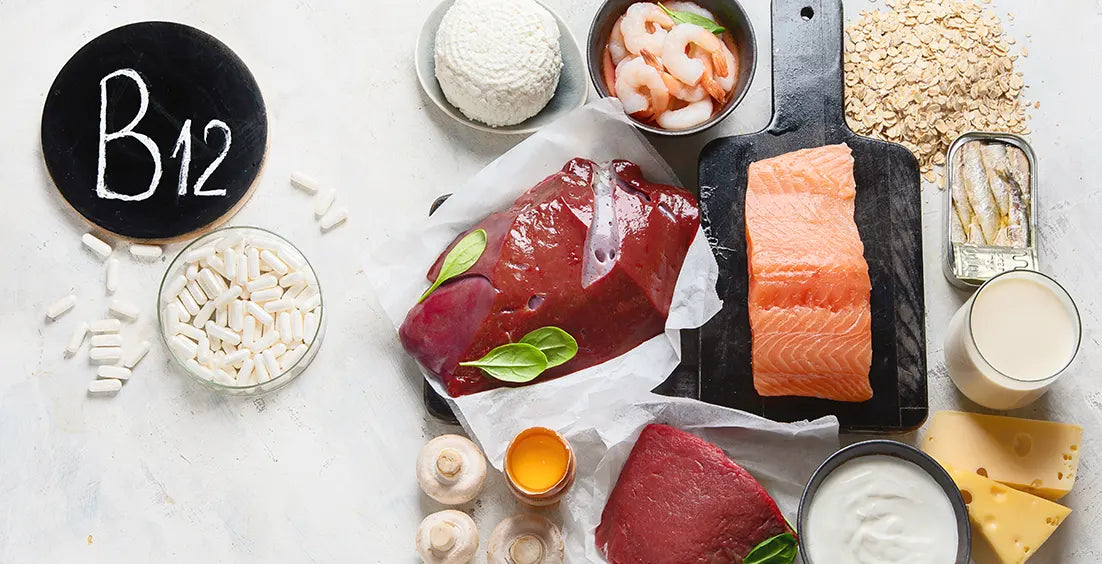
The Energy Booster Vitamin B12 is like the spark plug that juices up your brain. It maintains healthy nerve cells, including those in your gray matter. Ever had foggy moments or difficulty concentrating? Low B12 may be the culprit.
Food sources of B12 are animal sources: meat, fish, and dairy. So if you were vegetarian or vegan-either way-you'd want to supplement with B12, just to be sure you're getting it. Just like always, it's best to chat with your doctor before starting any new regimen of supplements.
“B vitamins as a group play numerous roles in brain function, including energy production, synthesis of several neurotransmitters, DNA/RNA production and repair, and more. Vitamins B12, B6, and B9 (Folate) are often considered the most critical when it comes to preventing common deficiencies, nerve damage, and fatigue,” notes Emma Shelton, RDN, LDN.
Vitamin D
Vitamin D is the Mood Moderator Besides strong bones, it ensures good health in the brain. It helps modulate mood and cognitive performance. Low levels of vitamin D have been associated with an increased risk of depression and cognitive decline.
Kristie Tse, a psychotherapist explains that vitamin D is a crucial element, playing a significant role in neuroprotection and supporting neurotransmitter function. Its impact on mood and cognitive function is profound, often contributing to a sense of well-being and emotional balance. She stated that her clients with sufficient vitamin D levels generally exhibit better emotional regulation and experience less cognitive fog.

Although your body can synthesize vitamin D by exposure to sunlight, many of us do not get enough sun exposure-especially during the long winter months. Fatty fish, egg yolks, and fortified foods can help boost levels. If you're concerned about your vitamin D intake, a blood test can identify whether a supplement is in order.
READ MORE - Can Vitamin D and B12 be Taken Together?
Vitamin E: The Brain Protector
Think of it this way: Vitamin E is the neurons' bodyguard. A very powerful antioxidant, it helps your neurons fight off all kinds of oxidative stress that would, over time, damage neurons. Some studies even suggest that higher intakes of vitamin E help elders slow down their cognitive decline.
Vitamin E mostly occurs in nuts, seeds, and vegetable oils. Snack on a handful of almonds, or put some sunflower seeds in your salad for a tasty intake.
Vitamin C: The Stress Buster
But it is not just about fighting off colds; vitamin C is really a superhero when it comes to the health of your brain. The vitamin protects your brain cells from damage and helps in producing neurotransmitters, much like how WOWMD 5-HTP supports mood balance and mental well-being. It may even contribute to reducing mental fatigue and elevating your mood and acting as one of the essential vitamins for stress relief.
Oranges are a prominent source of vitamin C, but the nutrient is also freely available in a host of other foods, including strawberries, bell peppers, and broccoli, among others. Consuming an array of colorful fruits and vegetables helps guarantee adequate intake.
Folate (Vitamin B9): The Fog Clearer
Want to feel less like you walk around in some sort of mental haze? Folate may be the answer. This B vitamin is important not only for cognitive function but has also been associated with improved speed and clarity of the mind.
The richest sources of folate are leafy greens, legumes, and fortified grains. This is particularly important for fetal development of the brain during pregnancy and infancy. Whether you are pregnant or not, the best way to consume folate is from foods natural rather than from supplements.
“Vitamin B9, also known as folate, is also essential to proper functioning and development of the nervous system,” highlights Emma Shelton.
Omega-3 Fatty Acids
Although technically not a vitamin, the importance of omega-3 fatty acids to brain health is worth mentioning. Healthful fats support the activity and development of the brain, especially DHA. They act harmoniously with all other vitamins in supporting the best brain health possible.
Dr. Achillefs Ntranos, a neurologist and the founder of Achilles Neurology Clinic in Beverly Hills, California, shared his thoughts on Omega-3 fatty acids for mental health.He said that Omega-3s have been associated with a reduced risk of depression and anxiety. They appear to modulate neurotransmitter systems, particularly serotonin and dopamine, which are key in mood regulation.
Dr. Ntranos stated that he frequently recommends adequate Omega-3s to his patients with neurological conditions, either through diet (fatty fish, walnuts, flaxseeds) or high-quality supplements.

If you do not like fish, consider a quality fish oil or algae-based omega-3 supplement.
How to Choose the Best Vitamins for Brain Health
 Best Vitamins for Brain Development
With so many choices, it may be very confusing to choose the best vitamins for brain health. Here is how you will make an informed decision to put you on the right track for better functioning of your brain:
- Research reliable companies that use third-party testing.
- Check the ingredients and dosages.
- Consider multi-ingredient supplements that possess the capacity for improving brain function.
- Keep away from products with unnecessary fillers or artificial ingredients.
- Consult a health professional, mainly if you are taking medications.
But while vitamins might be the lion's share of greatness for the brain, they don't act within a vacuum. A number of minerals and compounds interact with these vitamins to synergistically help keep your brain sharp.
“These nutrients can provide relief from symptoms and improve cognitive functioning in affected areas. However, there is little evidence to support the use of any vitamin or nutrient for improving normal cognitive functioning in healthy individuals,” emphasizes Dr Nick Bennett.
Advertisement


Supplements to Take for Better Brain Health
Magnesium-no-brainer mineral
Magnesium is often called nature's relaxant, but its benefits extend far beyond simply making a person dreamy. This mineral contributes to learning and memory while regulating neurotransmitters.
It might even defend against age-related cognitive decline. You can guarantee an uptick in your intake of magnesium if you start bringing more of the following into your life:
- Dark leafy greens, including spinach and kale
- Nuts and seeds-in particular, almonds and pumpkin seeds
- Whole grains
- Dark chocolate in moderation, of course!
READ MORE - Best Brain Supplements for Focus & Memory Enhancement
Zinc: The Brain Structure Supporter
Zinc mineral is highly essential for overall brain health and plays a vital role in neurotransmitter activity. It may also help protect against cognitive decline. Here are some ways you can incorporate zinc into your diet:
- Shellfish, such as oysters
- Lean meats
- Pumpkin seeds
- Legumes and beans
Iron: The Oxygen Transporter
Iron is a very significant metal to the brain as it helps in carrying oxygen to the brain. It enables the production of neurotransmitters and affects intellectual development in children. The key sources for iron are listed below:
- Red meat
- Green vegetables such as spinach
- Legumes
- Cereals Iron
Choline and Antioxidants: The Brain Protectors
Choline is a nutrient not well-known, but important for nourishing the parts of the brain concerned with memory and learning. It is especially critical for fetal brain development and may even prevent age-related memory loss. Good sources of choline include eggs, liver, and soybeans.
Antioxidants, such as flavonoids, carotenoids, and polyphenols, defend your brain cells from oxidative stress. Find these protective compounds in colorful fruits and vegetables, berries, dark chocolate, and green tea.
In this video, our valued client Hannah Ware shares how WOWMD Neuro Plus improved her brain health, focus, and problem-solving. She talks about the boost to her energy, mental clarity, and quality of life. Watch her review to see why she recommends Neuro Plus for better cognitive function.
Lifestyle Tips to Improve Brain Health
While nutrition plays an important role, other aspects of lifestyle are equally important in maintaining and enhancing the health of your brain. Here are some key habits you want to incorporate into your daily routine:
- Boost Cognitive Health with Brain Activities: Engage your mind in puzzles, learn a new language or instrument to create cognitive reserve and keep your mind sharp (Ref).
- Stay Socially Active: To improve brain functioning, engage in socialization by joining clubs or volunteering, or do routine meet-ups with friends and family (Ref).
- Manage Stress Effectively: To avoid anxiety and depression, meditate or practice deep breathing/yoga daily to decrease the level of stress hormone (Cortisol) and enhance concentration (Ref).
- Eat for Brain Health: Choose an anti-inflammatory diet that is based on fruits, vegetables, whole grains, and omega-3 fatty acids that help you overcome inflammation and maintain memory and cognition (Ref). Complement these habits with WOWMD's Neuro Balance Stack for better results.
Try WOWMD’s Neuro Plus for a noticeable lift in memory & mood. Backed by real users.
Advertisement


Do Brain Vitamins Actually Work?
Some do. Many don't. And the difference usually comes down to one thing: whether you were short on that nutrient in the first place.
That's the part most articles skip. If your vitamin B12 is low, correcting it can noticeably sharpen your thinking. If your B12 is already fine, taking more won't make you smarter. The same pattern holds for vitamin D, folate, and iron. These nutrients fix a problem; they don't upgrade a brain that's already running well.
About one in four adults over 50 takes some kind of brain health supplement. A lot of that money goes to products with very little behind them. But a handful of nutrients do have real research support, and one recent finding on daily multivitamins has genuinely changed the conversation.
How Much Should You Take? Brain Vitamin Dosages
Amounts matter, and most articles leave them out. Here are the daily figures for adults, along with the ceilings worth respecting.
- Vitamin B12 — 2.4 mcg is the daily recommendation, though supplements often contain far more, and that's generally fine because your body simply passes what it doesn't use. There's no established upper limit. Look for methylcobalamin if you're over 60, as it tends to be better absorbed.
- Vitamin D — 600 IU daily for most adults, 800 IU over 70. Many people take 1,000–2,000 IU, which is widely considered safe. Don't go past 4,000 IU daily without a blood test and your doctor's input.
- Folate (B9) — 400 mcg daily. Don't exceed 1,000 mcg from supplements, because high folate can mask a B12 deficiency while nerve damage quietly continues.
- Vitamin B6 — 1.3–1.7 mg daily. This one has a real ceiling: stay under 100 mg a day. Long-term high-dose B6 has been linked with nerve damage in the hands and feet.
- Omega-3 (EPA + DHA) — 1,000–2,000 mg daily is the usual range in cognitive research. Check the label carefully, since a "1,000 mg fish oil" capsule often contains only about 300 mg of actual EPA and DHA.
- Magnesium — 310–420 mg daily from all sources. Keep supplemental magnesium under 350 mg, or you'll find out quickly why higher doses loosen the bowels.
- Zinc — 8 mg for women, 11 mg for men. Cap at 40 mg. Long-term high zinc blocks copper absorption.
- Iron — 8 mg for men, 18 mg for women before menopause. Only supplement iron if a blood test says you're low. Too much iron is genuinely harmful.
- Choline — 425 mg for women, 550 mg for men, with an upper limit of 3,500 mg.
- Vitamin E — 15 mg daily. High-dose vitamin E is where the bleeding risk comes in, so mention it to your doctor if you take blood thinners.
- Vitamin C — 75–90 mg daily, upper limit 2,000 mg.
Beyond Vitamins: Other Brain Supplements Worth Knowing
Several popular brain supplements aren't vitamins at all, but they come up constantly in the same searches. Here's a short, honest read on each.
- Phosphatidylserine has arguably the best memory research of this group. Trials at 100–300 mg daily have shown improvements in short-term memory and recall, particularly in older adults with mild memory complaints. Generally well tolerated.
- L-theanine is an amino acid from tea leaves. Research points to calmer, steadier attention rather than a stimulant effect, with benefits most noticeable in people who feel anxious or scattered. Up to 250 mg a day is recognised as safe. It pairs well with caffeine, taking the edge off jitteriness.
- Curcumin, the active compound in turmeric, has small studies showing improvements in working memory, attention and mood. Plain turmeric powder is poorly absorbed, so look for a formulation designed for absorption.
- Lion's mane is a mushroom with real laboratory interest and mixed human results. A few small trials in older adults with mild cognitive complaints showed modest improvement. Doses in studies run 500–3,000 mg. Promising rather than proven, and skip it if you're allergic to mushrooms.
- Bacopa monnieri is a traditional herb with a reasonable amount of trial evidence for memory, usually at around 300 mg of a standardised extract. It's slow; most studies ran 12 weeks before seeing results. Stomach upset is the common complaint.
- Creatine is best known for the gym, but there's growing research on cognition, with the clearest effects in people who are sleep-deprived or eat little meat. Around 5 g daily is standard, and it's one of the most studied supplements in existence for safety.
- Ashwagandha shows small-study benefits for memory and focus under stress. Worth flagging: it can interact with thyroid, blood pressure, and blood sugar medication, and there have been rare reports of liver problems.
Side Effects of Brain Health Vitamins
At normal doses, most brain vitamins are well tolerated. Problems generally show up when people take much more than they need, often from stacking several products that contain the same nutrients.
- Omega-3 commonly causes fishy burps, mild nausea, or loose stools. Taking capsules with food or keeping them in the freezer helps a lot.
- Zinc on an empty stomach causes nausea in a lot of people. Long-term high doses interfere with copper absorption.
- Iron is the most common cause of stomach upset and constipation among these. It's also the one you shouldn't take without a blood test.
- Magnesium loosens the bowels above roughly 350 mg of supplemental magnesium. Magnesium glycinate is gentler than oxide.
- Vitamin B6 is the one with a real long-term risk. Sustained high doses have been linked to nerve damage causing tingling and numbness in the hands and feet. Stay well under 100 mg a day.
- Vitamin D in excess causes weakness, fatigue, appetite loss, and bone pain, usually from very high doses taken for months without testing.
- Vitamin E at high doses increases bleeding risk.
- Ashwagandha and lion's mane are generally well tolerated, though ashwagandha has had rare liver-related reports and lion's mane should be avoided by anyone with a mushroom allergy.
“Many of the vitamins can cause negative side effects when taken in excess. Most notably, high levels of certain B vitamins can cause nerve damage or skin problems. Some of the fat-soluble vitamins, like Vitamin E, can cause increased risk of bleeding when taken with blood thinners,” cautions Dr Nick Bennett.
Do Brain Vitamins Interact With Medications?
Some do, and a few of these are worth knowing about.
- Omega-3 and blood thinners. Omega-3s have a mild blood-thinning effect. If you take warfarin, apixaban, or daily aspirin, mention your fish oil to your doctor.
- Vitamin E and blood thinners. Same concern, stronger at high doses.
- Ginkgo and blood thinners. This is the combination doctors flag most often, since ginkgo affects platelets.
- Metformin and B12. Long-term metformin use lowers B12 absorption. Many people on metformin for years are quietly deficient, which is worth knowing if brain fog is why you're reading this.
- Acid reducers and B12. Long-term omeprazole and similar drugs reduce the stomach acid needed to release B12 from food. Same issue, same recommendation: ask for a B12 test.
- Ashwagandha can interact with thyroid, blood pressure, and blood sugar medication.
- Iron and thyroid medication shouldn't be taken together. Keep them at least four hours apart, since iron blocks absorption of levothyroxine.
Best Brain Vitamins by Age and Life Stage
What your brain needs shifts depending on where you are in life.
- Women. Iron is the standout, especially with heavy periods, since low iron shows up as fog and fatigue long before it shows up as anaemia. Around menopause, vitamin D and omega-3s are worth keeping in good range, though hormones are doing most of the driving.
- Men. Broadly the same nutrients, minus the iron emphasis; men rarely need iron supplements and shouldn't take them without a test.
- Adults over 50. This is the group with the most to gain. B12 absorption falls with age even on a good diet, so this is the age to have it checked. The COSMOS multivitamin findings apply specifically to this group, making a daily multivitamin one of the few genuinely evidence-backed options here.
- Students and teenagers. Most teenagers don't need brain supplements. Sleep, breakfast, and screen limits do more than anything in a bottle. The exceptions worth checking are iron in teenage girls and vitamin D in anyone who's rarely outdoors.
- Vegans and vegetarians. B12 supplementation isn't optional — it's essentially the only reliable source when you don't eat animal products. Iron, zinc, and omega-3 (an algae-based DHA supplement works well) are the other three worth attention.
- Pregnancy. Folate and choline both matter for a developing brain, and prenatal vitamins are built around this. Don't add extra supplements on top of a prenatal without checking with your doctor first.
Conclusion
Keeping your brain well-nourished with the right vitamins and nutrients will empower efforts at cognitive health improved memory and concentration to protect against age-related decline. Clearly, these are about keeping one's mind sharp and agile.
Take a minute now to reflect on your diet and lifestyle. What could you add, or change in your daily life, to best fuel your brain to fire on all cylinders? Perhaps you should try adding more of those foods into your diet, or discuss with your doctor if you might be a good candidate for supplementing.
It all circles back to the idea that a healthy brain is the foundation of living a flamboyant and abundant life. Investing in your brain health today means creating a brighter, sharper tomorrow. So go ahead, take care of your mind future self will thank you!
FAQs
Meet The Experts
- Dr Nick Bennett, a GMC-registered clinician.
- Emma Shelton, RDN, LDN.
This article is for informational purposes only and is not a substitute for professional medical advice, diagnosis, or treatment. Statements made on this website have not been evaluated by the U.S. Food and Drug Administration. Always consult a qualified healthcare professional before making changes to your diet, supplements, medications, or healthcare routine.
Our Top Picks

Sea Essence Omega 3 Fish Oil

Lion's Mane Mushroom

Ashwagandha Extra Strength Formula

References
WOWMD follows strict sourcing guidelines to ensure the accuracy of its content, outlined in our editorial policy. We use only trustworthy sources, including peer-reviewed studies, qualified experts, and information from top institutions.


- https://www.ncbi.nlm.nih.gov/pmc/articles/PMC7019700/
- Vitamin B12 (Cobalamin) https://www.mountsinai.org/health-library/supplement/vitamin-b12-cobalamin
- Vitamin D deficiency and depression in adults: systematic review and meta-analysis https://www.cambridge.org/core/journals/the-british-journal-of-psychiatry/article/vitamin-d-deficiency-and-depression-in-adults-systematic-review-and-metaanalysis/F4E7DFBE5A7B99C9E6430AF472286860
- Vitamin E protects against oxidative damage and learning disability after mild traumatic brain injury in rats https://pubmed.ncbi.nlm.nih.gov/19841436/
- High Vitamin C Status Is Associated with Elevated Mood in Male Tertiary Students https://www.ncbi.nlm.nih.gov/pmc/articles/PMC6071228/
- Folic acid supplementation improves cognitive function by reducing the levels of peripheral inflammatory cytokines in elderly Chinese subjects with MCI https://www.ncbi.nlm.nih.gov/pmc/articles/PMC5120319/
- Effects of Omega-3 Polyunsaturated Fatty Acids on Brain Functions: A Systematic Review https://www.ncbi.nlm.nih.gov/pmc/articles/PMC9641984/#sec-a.h.ctitle
- The role of magnesium therapy in learning and memory https://www.ncbi.nlm.nih.gov/books/NBK507270/
- The Important Role of Zinc in Neurological Diseases https://www.ncbi.nlm.nih.gov/pmc/articles/PMC9855948/
- Iron Biology in Immune Function, Muscle Metabolism and Neuronal Functioning https://www.sciencedirect.com/science/article/pii/S0022316622146675
- The relation of dietary choline to cognitive performance and white-matter hyperintensity in the Framingham Offspring Cohort https://www.ncbi.nlm.nih.gov/pmc/articles/PMC3252552/
- Regular exercise changes the brain to improve memory, thinking skills https://www.health.harvard.edu/blog/regular-exercise-changes-brain-improve-memory-thinking-skills-201404097110
- About Sleep's Role in Memory https://www.ncbi.nlm.nih.gov/pmc/articles/PMC3768102/
- 3 ways to build brain-boosting social connections https://www.health.harvard.edu/blog/3-ways-to-build-brain-boosting-social-connections-202109082585
- Nutritional psychiatry: Your brain on food https://www.health.harvard.edu/blog/nutritional-psychiatry-your-brain-on-food-201511168626