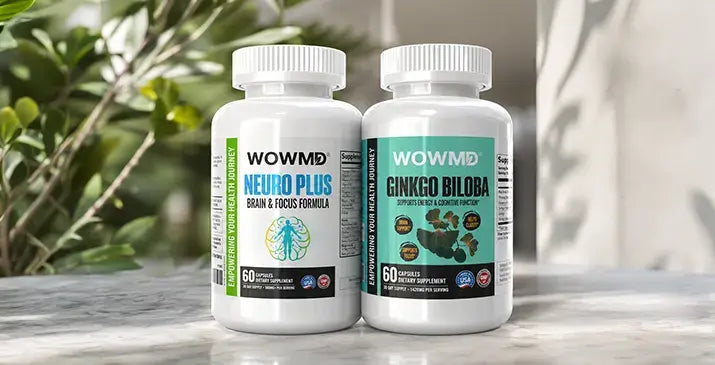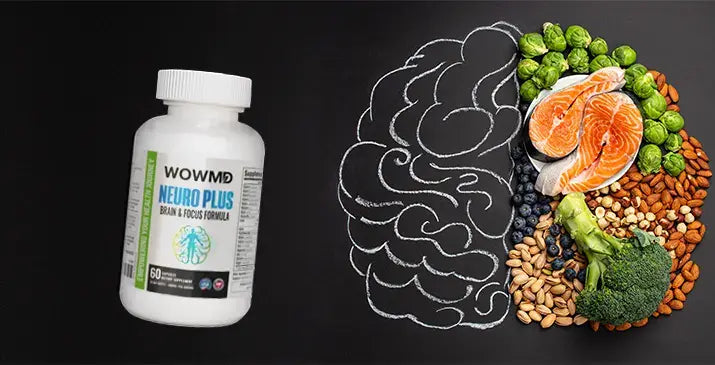


5 Best Supplements for Long-Term Brain Health in 2026
Discover the best supplements for long-term brain health, including key nutrients that may support memory, focus, mental clarity, and cognitive function.
 By WOWMD Staff

 Fact Checked
Advertiser Disclosure: WOWMD independently vets and sells featured products listed on this page. We may receive compensation from purchases. This does not influence our editorial standards. Learn why you can trust us.


Your brain is one of the most important organs in your body factors like stress, an unhealthy diet, environmental factors, and natural aging can take a toll on brain health. These effects may show up as memory lapses, difficulty focusing, or feeling less mentally sharp than usual.
Maintaining brain health matters at every stage of life. By providing specific brain-supporting nutrients, these supplements may help support normal memory and overall cognitive function. But what should you look for in these supplements? The answer starts with their ingredients.
In this article, we'll explore the foundational components of brain health supplements and how their ingredients may help support normal brain function.
Disclaimer: This article is for informational and educational purposes only and is not a substitute for professional medical advice, diagnosis, or treatment. Dietary supplements should not be used as a replacement for prescribed medication or medical care. Speak with a qualified healthcare professional before starting a new supplement, especially if you take medication, are pregnant or breastfeeding, or have an existing health condition.
TL;DR
- The best supplements for long-term brain health often contain nutrients like omega-3s, B vitamins, antioxidants, magnesium, and zinc, which may help support normal memory, focus, and mental clarity.
- We ranked each pick on ingredient transparency, third-party testing, customer ratings, and return policy.
- Most evidence comes from single ingredients rather than finished products, so results vary and may take a few weeks to notice.
- Supplements are only one part of brain health — a balanced diet, regular exercise, and good sleep matter just as much.
- Talk to your doctor before starting any brain supplement, especially if you take prescription medicines.
How Does Brain Supplement Work?
Before discussing specific ingredients, it's important to understand what a brain health supplement is meant to do. Supplements are not magic pills; instead, they may help fill nutrient gaps that play a role in normal brain function.
- Nutritional Support: Many people don’t get enough essential nutrients from their daily diets. Supplements fill these gaps by providing key vitamins, minerals, and compounds that may help directly support brain & memory health.
- Cell Protection: Free radicals, produced naturally by the body, can damage brain cells over time. Antioxidants help neutralize these free radicals, which may help support normal brain cell health.
- Cell Communication: Ingredients like omega-3 fatty acids are part of the structure of brain cells and may help support normal communication between neurons.
Advertisement

 *All individuals are unique. Your results can and will vary.
Each ingredient in a supplement plays a specific role, and many formulas combine several of them in one capsule. With the right blend of nutrients, a brain supplement may help support normal memory and focus in healthy adults.
ALSO READ: Best Doctor-Approved Supplements for Brain Health
How We Selected the Best Brain Supplements
- Ingredient Quality: We prioritize products made with well-researched brain-support ingredients, such as Bacopa Monnieri, choline, and Phosphatidylserine, rather than relying on marketing claims alone.
- Clinical Evidence: We look at available research on each key ingredient to understand how it may support normal memory and focus, how safe it is, and how strong the evidence really is.
- Formulation: We consider the formula as a whole, including the ingredient combination, dosages, and whether it is designed to support memory, focus, mental clarity, or occasional mental tiredness.
- Manufacturing Standards: We favor products made in GMP-certified or FDA-registered facilities, and we give extra weight to products that go through third-party testing.
- Transparency: Clear labels and complete ingredient information help us assess how open and trustworthy a product is, including what each capsule contains and in what amounts.
- Safety & Value: We consider product safety, dietary fit such as vegetarian, gluten-free, or caffeine-free options, and whether the price offers reasonable value for the formula.
- Real User Experience: We look at verified customer feedback to understand how a product performs in everyday use, including reported changes in focus and clarity, satisfaction, and common concerns.
- Ease of Use: We consider how simple the daily serving is, whether one or two capsules, and how easily it fits into a busy work or study routine.
Meet The Experts
- Delia McCabe, PhD, Neuroscientist, Consultant, Austin, Texas Metropolitan Area, Texas, United States
- Courtney Stefanski, Physician Board Certified in Physical Medicine, Greater Chicago Area, Illinois, United States
- Natalie, Product Tester 1, a 34-year-old working mom of two
- Hannah, Product Tester 2, a 26-year-old marketing professional
Our Top Picks
Best Overall: WOWMD Neuro Plus Brain & Focus Formula
Best Brain Supplements: Cogniultra
Best Brain Enhancing Supplements: Gundry MD Power Phenols
Best for Memory Support: Mind Lab Pro
Best Plant-Based Brain Supplement: Ageless Brain by PureHealth Research:

Why We Love It?
- May help support normal focus and clear thinking through the day
- May help support normal memory and ease occasional mental tiredness
- One easy-to-swallow capsule, once or twice daily
- Vegetarian and gluten-free, with a 60-day return policy
Things To Consider
- It takes a few weeks of regular use to notice results
- Any effects may take a few weeks of regular use
Key Ingredients: Manganese (as Manganese Amino Acid Chelate), RAE Vitamin A (as Beta-Carotene), Vitamin C (as Ascorbic Acid), Chromium (as Chromium Picolinate), Calcium (as Calcium Carbonate) | Size: 60 Capsules | Best For: Memory, focus, and mental clarity | Dosage: 1 capsule 1-2 times daily | Form: Capsules | Price: $35.88 |
Description:
WOWMD Neuro Plus Brain & Focus Formula is a daily capsule that may help support normal mental sharpness. It uses nutrients that may help support normal memory, focus, and clear thinking and ease occasional mental tiredness. One of its key nutrients, Choline, plays a role in making acetylcholine, a messenger brain cells use to communicate. Whether you are a student, work long hours, or just want to stay sharp, taking it as directed may help support normal brain function.
Benefits: May help support normal memory, focus, and mental clarity, and ease occasional mental tiredness
How to use: Take one capsule 1-2 times daily with water.
Tester’s View On WOWMD Neuro Plus Brain & Focus Formula
In this video, Kaylan shares their experience with WOWMD Neuro Plus Brain and Focus Formula. With a hectic, constantly on-the-go life, they realized their routine lacked structure and focus, and after repeatedly getting sidetracked while facing deadlines, they knew they had to act.
The supplement offers a 30-day supply of two small but impactful capsules a day—easy to take, though not the best-smelling. Since starting, Kaylan says they can now stay on task, finish what they start, and move confidently to the next, calling it a tool to enhance focus rather than a shortcut to becoming the world's smartest person.

Why We Love It?
- May help support normal memory, focus, and everyday mental clarity
- Made with ingredients like Bacopa Monnieri, green tea extract, and GABA
- Simple two-capsule daily dose that fits into any routine
- It is made in the USA in an FDA-registered, GMP-certified facility (not FDA approval)
Things To Consider
- Results build up over a few weeks of regular use
- Any effects may take a few weeks of regular use
Key Ingredients: Bacopa Monnieri Extract, Green Tea Extract, GABA, Zinc, Biotin | Size: 60 Capsules | Best For: Memory, focus, and mental clarity | Dosage: 2 capsules daily | Form: Capsules | Price: $46.55 |
Description:
Cogniultra® is a daily capsule that the brand says may help keep your mind sharp and focused. It blends Bacopa Monnieri, green tea extract, GABA, zinc, and biotin, which may help support normal memory and focus and ease occasional brain fog. Whether you notice occasional forgetfulness or just want steadier focus through a busy day, two capsules a day may offer simple, natural support.
Benefits: May help support normal memory recall, focus, and mental clarity, and ease occasional mental fatigue
How to use: Adults take two capsules daily with water.
Tester’s View on Cogniultra


Our tester found the capsules easy to include in a daily routine. After taking them regularly, they liked having a simple supplement step focused on memory, focus, and everyday mental clarity. The routine was straightforward and did not require making changes to the rest of their day.
Verdict: Cogniultra combines vitamins, amino acids, choline, green tea extract, bilberry fruit extract, and other ingredients in a formula designed for everyday cognitive support. It is positioned to support memory, concentration, mental clarity, and overall brain wellness. The product is also described by the manufacturer as made in an FDA-inspected facility and comes with a 60-day money-back guarantee for eligible first single-bottle purchases.

Why We Love It?
- May help support normal brain health, focus, and steady mental energy
- Made with studied ingredients like lutein, zeaxanthin, and Hawaiian Astaxanthin®
- Simple one-capsule morning dose that fits into any routine
- Third-party tested and made in a GMP-certified facility
Things To Consider
- Any effects may take a few weeks of regular use
- Each person may respond a little differently
Key Ingredients: Algae Fucoxanthin Extract, Black Cumin Seed Oil, Vitamin E, Tocotrienol/Tocopherol Complex from Palm Fruit, Lutein, Zeaxanthin, Hawaiian Astaxanthin® | Size: 30 Capsules | Best For: Brain health and mental focus | Dosage: 1 capsule daily | Form: Capsules | Price: $44.95 |
Description:
Gundry MD Power Phenols is a daily capsule and it may help keep your mind clear and focused. It blends lutein, zeaxanthin, astaxanthin, and algae extract, which the brand says may help support normal blood flow and the body's antioxidant defenses. Whether you notice occasional brain fog, memory slips, or trouble concentrating, one capsule each morning may help support normal focus through the day.
Benefits: May help support normal mental focus, clear thinking, steady energy, and antioxidant defenses
How to use: Take one (1) capsule daily each morning with a glass of water.
Tester’s View on Gundry MD Power Phenols


Our tester liked how straightforward the daily routine was, with just one capsule needed in the morning. It fit easily alongside the rest of their morning habits, and the capsule was simple to take with a glass of water.
Verdict: Gundry MD Power Phenols brings together lutein, zeaxanthin, Hawaiian astaxanthin, BrainPhyt™ algae extract, black cumin seed oil, and a tocotrienol and tocopherol blend. The formula is positioned for daily cognitive and brain wellness and does not contain sugar, dairy, soy, lectins, or artificial sweeteners. The suggested use is one capsule each morning with water.

Why We Love It?
- May help support normal focus, memory, and mental clarity through the day
- Made with studied ingredients like Cognizin, Phosphatidylserine, Rhodiola Rosea, and L-Theanine
- Simple two-capsule daily dose that fits into any routine
- Made in a GMP-certified facility and free from caffeine, gluten, and GMOs
Things To Consider
- Any effects may take a few weeks of regular use
- Each person may respond a little differently
Key Ingredients: Cognizin, Phosphatidylserine, Rhodiola Rosea, L-Theanine | Size: 60 Capsules | Best For: Memory, focus, and mental clarity | Dosage: 2 capsules daily | Form: Capsules | Price: $69.00 |
Description:
Mind Lab Pro is a daily nootropic capsule that may help support normal brain performance. It blends Cognizin, Phosphatidylserine, Rhodiola Rosea, and L-Theanine, which may help support normal memory and focus, without caffeine or synthetic additives. Whether you are handling a demanding job, studying for exams, or simply want clearer thinking, two capsules a day may help you stay alert and motivated.
Benefits: May help support normal memory, recall, focus, and calm mental clarity, and ease occasional mental fatigue
How to use: Adults take two (2) capsules per day with water.

Why We Love It?
- May help support normal memory, focus, and clear thinking day to day
- Made with natural ingredients like Camu Camu, Cacao, Guayusa, and Pau D’Arco
- Simple two-capsule daily dose that fits into any routine
- GMO-free, vegetarian, gluten-free, with no artificial flavors
Things To Consider
- Any effects may take a few weeks of regular use
- Each person may respond a little differently
Key Ingredients: Pau D’Arco, Guayusa, Dragon’s Blood, Camu Camu, Cacao, Cinnamon | Size: 60 Capsules | Best For: Memory and mental clarity | Dosage: 2 capsules daily | Form: Capsules | Price: $64.95 |
Description:
Ageless Brain by PureHealth Research is a daily capsule that may help keep your mind sharp and focused. It brings together plant-based ingredients like Camu Camu, Cacao, Guayusa, and Dragon's Blood, which may help support normal memory and alertness and ease occasional brain fog. Whether you want to sharpen your focus at work or support your everyday brain health, two capsules a day may offer steady support.
Benefits: May help support normal memory recall and focus, and ease occasional brain fog
How to use: Adults take two (2) capsules daily with water.
Comparison Table
| Our Top Picks | WOWMD Neuro Plus Brain & Focus Formula | Cogniultra | Gundry MD Power Phenols | Mind Lab Pro | Ageless Brain by PureHealth Research |
|---|---|---|---|---|---|
| Third-party tested | Yes | Yes | Yes | Yes | No |
| Highlights | Manganese, vitamin A, vitamin C, chromium & calcium, which may help support normal memory, focus and clear thinking | Bacopa Monnieri, green tea extract, GABA, zinc & biotin, which may help support normal memory and focus | Lutein, zeaxanthin, Hawaiian Astaxanthin & algae extract, which may help support normal blood flow and antioxidant defenses | Cognizin, Phosphatidylserine, Rhodiola Rosea & L-Theanine, which may help support normal memory and focus, without caffeine | Camu Camu, Cacao, Guayusa & Dragon's Blood, which may help support normal memory and alertness |
| Customer Rating |  4.9/5 4.9/5 |
4.9/5 |
4.9/5 |
 3.5/5 3.5/5 |
 3.3/5 3.3/5 |
| Shipping | Free U.S. Shipping Over $60 | Free Shipping in USA | Free U.S. Shipping for orders $49+ | Shipping Charges Applicable | Shipping Charges Applicable |
Common Ingredients for Brain Protection
Natural Brain health supplements often feature a variety of ingredients that may help support normal mental sharpness. Let's look at some of the most common components.
Antioxidants: Protecting Brain Cells from Stress
Antioxidants are crucial for maintaining brain health because they neutralize free radicals, which are unstable molecules that damage cells over time. This oxidative stress is linked to normal aging. Antioxidants may help protect brain cells from oxidative stress and support their normal function.
Key Examples:
- Vitamin C: An antioxidant nutrient that may help protect cells from oxidative stress and support normal brain function.
- Flavonoids: Found in fruits like berries, flavonoids are plant compounds with antioxidant activity.
By including natural powerful antioxidants in your daily routine, you can protect your brain against long-term damage, making them a cornerstone of supplements for protecting brain function
Omega-Rich Oils: Supporting Brain Structure and Function
Omega-3 fatty acids are among the most important nutrients for brain health. These essential fats are a key component of brain cell membranes and may help support normal communication between neurons. .
Delia McCabe, PhD, Neuroscientist, Consultant, and author of Lighter Brighter You!, emphasizes the crucial role of omega-3 fats in maintaining neuronal health.
Delia McCabe
She explains, Omega-3 fats are involved in neuronal health via their supportive roles in energy and neurotransmitter synthesis and activity. The brain comprises 60% fat (at dry weight), and 20-22% of that fat needs to be made up of omega-3 and some omega-6 fats, which also support brain health.

Benefits of Omega-3s:
- May help support normal memory and attention in healthy adults.
- Evidence for memory benefits in healthy adults is still mixed.
- Supporting overall brain plasticity (the brain’s ability to adapt and form new connections).
Getting enough omega-3 fatty acids for brain health from food or supplements may help support normal brain structure and function as you age.
Herbal Extracts: Boosting Focus and Mental Clarity Naturally
Many brain supplements include herbal ingredients with a long history of use in traditional medicine. These herbs may help support normal mental clarity and ease occasional stress and fatigue.
Common Herbal Ingredients:
- Ginkgo Biloba: May help support normal blood flow to the brain, though evidence for focus and memory in healthy adults is mixed.
- Rhodiola Rosea: May help ease occasional mental fatigue and support alertness.
READ ALSO: Best Brain Supplements for Memory and Focus
Herbal extracts are popular additions to brain supplements for memory support, but natural does not always mean safe, and some herbs can cause side effects.
It is important to remember that herbal supplements may interact with some medications, or can have adverse effects on your health. Always talk to your doctor before adding herbal extracts, or other dietary supplements, to your daily routine.
Nutrients That Nourish the Brain
1. Vitamins: Essential Nutrients for Memory and Concentration
Vitamins are vital for brain health, as they play a role in normal energy production and nerve function. A lack of key vitamins can affect how well you think and focus.
Key Vitamins for Brain Health:
- B Vitamins: Especially B6, B9 (folate), and B12, which play a role in normal energy metabolism and normal brain function.
- Vitamin D: Often called the "sunshine vitamin," it plays a role in normal brain function. Some estimates suggest about 40% of U.S. adults have low vitamin D levels. It is estimated that almost 40% of Americans are deficient in vitamin D
READ ALSO: What Are the Best Vitamins for the Brain?
Advertisement

 *All individuals are unique. Your results can and will vary.
2. Minerals: Balancing Brain Signals and Energy Levels
Minerals like magnesium and zinc play a key role in brain health by supporting communication between neurons and maintaining energy levels.
- Magnesium: May help ease occasional stress and support normal sleep, both of which are vital for brain function. This makes it a useful option for those exploring brain fog magnesium support.
- Zinc: Plays a role in memory formation and learning. Signs of zinc deficiency are associated with brain fog and slower cognitive responses.
Together, minerals and vitamins create a balanced nutritional foundation, making them essential components of the best supplements for long-term brain health.
Courtney Stefanski, Physician Board Certified in Physical Medicine says, A diet that is whole-food plant based provides brain promoting nutrition. One of the most important nutrients for brain health is Omega-3 fatty acids, which are required to maintain the health and function of our brain cells, or neurons.
How These Ingredients Work Together
Brain supplements often combine these ingredients in one formula.
- Antioxidants and Omega-3s: Antioxidants may help protect brain cells from oxidative stress, while omega-3s may help support normal communication between them.
- Herbs and Vitamins: Herbal extracts may help support normal focus and energy, while vitamins supply nutrients the brain uses every day.
Combining ingredients does not guarantee better results, and most evidence comes from single ingredients rather than finished formulas.
Why Consistency Matters When Taking Brain Health Supplements
Taking supplements now and then makes it hard to tell whether they help. Brain supplements are meant for daily use, and any effects may take time to notice.
- Cumulative Intake: Many nutrients, like omega-3s, take time to build up in your system, so any effects may take weeks.
- Daily Nourishment: Your brain relies on a steady supply of nutrients to maintain its normal function.
- Easy Tracking: A daily routine makes it easier to take a supplement as directed and notice how you feel.
Making supplements part of your daily routine is a simple way to take them as directed.
What To Look For Before Taking Brain Health Supplements
Brain supplements can be helpful, but you need to use them carefully. Taking too much of certain things can cause problems. Too much vitamin E can increase bleeding risk, and too much vitamin B6 can affect your nerves over time. Always follow the dose on the label.
When buying supplements, pick ones that have been tested by an outside company. This helps confirm that what is written on the label is actually inside the bottle. Stay away from products that promise big results overnight or have very high doses.
Some supplements can also react badly with medications you already take. Always talk to your doctor before adding anything new to your routine.
Courtney Stefanski, Physician Board Certified in Physical Medicine explains, People should first determine if they have a nutritional deficiency by seeking evaluation by their physician. If taking a supplement to boost brain health, or try to optimize cognition, be discerning when reading health claims. You should also be aware that supplements can affect other medications you are taking or have a deleterious effect on our body, and contribute to liver or kidney dysfunction.
Natural Ways to Boost Brain Health
Taking care of your brain does not have to be hard. Eating well is a good place to start a diet built around whole foods and healthy fats gives your brain the nutrients it needs to stay sharp. Staying physically active helps too. Even a short daily walk can do a lot for your memory, mood, and focus over time.
Sleep is just as important. Try to get seven to nine hours every night because poor sleep is one of the biggest causes of brain fog and memory problems. Keeping health conditions like high blood pressure and diabetes under control with your doctor's help also plays a big role in protecting your brain long term.
Do not overlook the simple things either. Spending time with friends and family keeps your mind engaged, and activities like puzzles or learning something new are great ways to keep your brain fit and active.
Courtney Stefanski, Physician Board Certified in Physical Medicine says, The most natural and most effective way to boost brain health is through our diet. Exercise is also neuroprotective and is a core intervention for cognitive decline. It increases blood flow to the brain and changes neurotransmitters like dopamine and serotonin, and thus improves memory and cognition. Maintaining healthy sleep habits also supports brain health, as restorative sleep is needed to maintain a healthy brain metabolism.
Conclusion
By choosing the best brain health supplements with clear labels and third-party testing, you may help support normal memory, focus, and overall cognitive function. Look for supplements that include antioxidants, omega-rich oils, herbal extracts, vitamins, and minerals for broad nutritional support. These habits may help you support your brain health as you get older.
Advertisement

 *All individuals are unique. Your results can and will vary.
FAQs
This article is for informational purposes only and is not a substitute for professional medical advice, diagnosis, or treatment. Statements made on this website have not been evaluated by the U.S. Food and Drug Administration. Always consult a qualified healthcare professional before making changes to your diet, supplements, medications, or healthcare routine.
Our Top Picks

Sea Essence Omega 3 Fish Oil

Lion's Mane Mushroom

Ashwagandha Extra Strength Formula

References
WOWMD follows strict sourcing guidelines to ensure the accuracy of its content, outlined in our editorial policy. We use only trustworthy sources, including peer-reviewed studies, qualified experts, and information from top institutions.


- Oxidative Stress and the Aging Brain: From Theory to Prevention - https://www.ncbi.nlm.nih.gov/books/NBK3869/
- Vitamin C Function in the Brain: Vital Role of the Ascorbate Transporter (SVCT2) - https://pmc.ncbi.nlm.nih.gov/articles/PMC2649700/
- Dietary intake of berries and flavonoids in relation to cognitive decline - https://pmc.ncbi.nlm.nih.gov/articles/PMC3582325/
- The Importance of Marine Omega-3s for Brain Development and the Prevention and Treatment of Behavior, Mood, and Other Brain Disorders - https://pmc.ncbi.nlm.nih.gov/articles/PMC7468918/
- Ginkgo biloba - https://www.mountsinai.org/health-library/herb/ginkgo-biloba
- Rhodiola rosea - https://www.sciencedirect.com/topics/agricultural-and-biological-sciences/rhodiola-rosea
- Improving Cognitive Function with Nutritional Supplements in Aging: A Comprehensive Narrative Review of Clinical Studies Investigating the Effects of Vitamins, Minerals, Antioxidants, and Other Dietary Supplements - https://www.mdpi.com/2072-6643/15/24/5116
- Prevalence of Vitamin D Deficiency and Associated Risk Factors in the US Population (2011-2012)- https://pmc.ncbi.nlm.nih.gov/articles/PMC6075634/
- Magnesium and stress - https://www.ncbi.nlm.nih.gov/books/NBK507250/
- Zinc in Cognitive Impairment and Aging - https://pmc.ncbi.nlm.nih.gov/articles/PMC9312494/