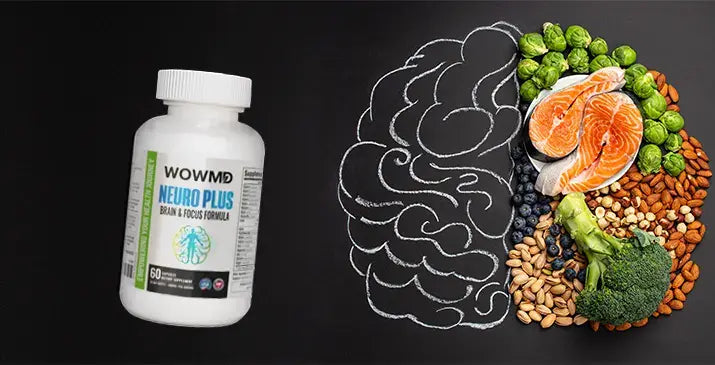


Natural Brain Supplements for Focus and Memory
Explore natural brain supplements that may support memory, focus, and cognitive health. Learn about key ingredients, benefits, and what to consider.
 By WOWMD Staff

 Fact Checked
Advertiser Disclosure: WOWMD independently vets all recommended products. If you purchase a featured product, we may be compensated. Learn why you can trust us.

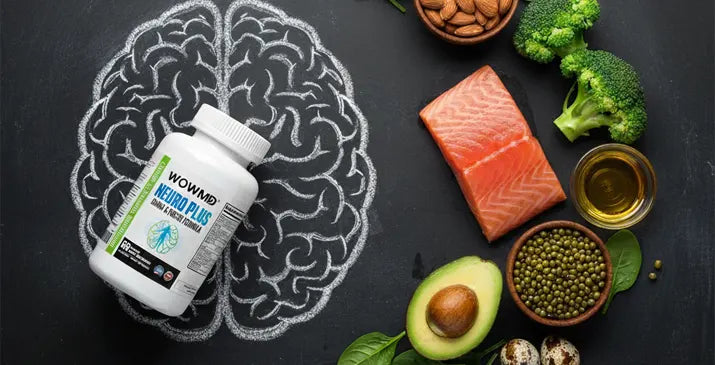
With the rise in mental stress, increased multitasking, and longer work hours, cognitive health has become a primary wellness goal. Many people are seeking ways to boost their focus, memory, and overall mental resilience, often choosing natural brain supplements.
The best natural brain supplements offer a range of benefits, from supporting mental clarity to enhancing memory and focus. This shift towards natural options highlights a preference for herbal, plant-based ingredients over synthetic ones, which may have harsher side effects.
Natural brain supplements have become top-rated natural supplements for brain enhancement, and people now look to them as natural brain boosters for memory and focus and herbal brain supplements for cognitive function. Below, we’ll explore the ingredients and evidence behind these powerful supplements.
TL;DR
- Omega-3s, Ginkgo, and Bacopa improve memory and brain function naturally by supporting brain cell communication and circulation.
- Lion's Mane and Phosphatidylserine help slow cognitive decline and protect neurons, promoting long-term brain health.
- Consistent use of brain supplements shows noticeable improvements in memory, focus, and energy within 2-4 weeks.
- Side effects are rare but can include mild digestive discomfort; always start with a lower dose.
- Supplements complement, not replace, a balanced diet, regular exercise, and good sleep for optimal brain health.
Key Benefits of Natural Brain Supplements
Mental Clarity and Sharpness
Natural supplements can help clear mental fog and sharpen focus. Key ingredients in these supplements work to enhance neurotransmitter activity and improve blood flow, supporting alertness.
Memory Support
Memory decline can be a concern at any age. Ingredients like phosphatidylserine and omega-3 fatty acids can provide memory support, promoting both short-term and long-term memory retention.
Stress Management
Chronic stress can harm cognitive function. Certain herbal ingredients like Rhodiola Rosea act as adaptogens, helping the brain manage stress by reducing cortisol levels, which, in turn, can enhance mental calm and resilience.
Overall Cognitive Resilience
Long-term brain health relies on protecting neurons from oxidative stress and inflammation. Anti-inflammatory and antioxidant-rich ingredients can slow age-related cognitive decline, preserving cognitive resilience.
Advertisement


Top Ingredients Found in Natural Brain Supplements
This section highlights ingredients commonly found in the best brain supplements with natural ingredients.
| Ingredient | Benefits | Function |
|---|---|---|
| Ginkgo Biloba | Improves memory and circulation | Increases blood flow to the brain |
| Bacopa Monnieri | Supports learning and focus | Boosts neurotransmitter function |
| Rhodiola Rosea | Reduces mental fatigue and stress | Acts as an adaptogen |
| Lion’s Mane Mushroom | Supports nerve growth and cognitive repair | Stimulates nerve growth factor |
| Phosphatidylserine | Enhances memory and slows decline | Supports cell communication |
| Omega-3 Fatty Acids | Structural brain support and mood regulation | Essential for brain cell structure |
| Curcumin | Anti-inflammatory for brain clarity | Reduces oxidative stress |
| Green Tea Extract | Boosts focus and relaxation | Contains L-theanine for calm concentration |
| Vitamin D | Reduces cognitive decline and boosts memory | Supports brain health and reduces dementia risk |
| Vitamin B12 | Supports brain cells, improves memory | Key for neurotransmitter production and cognitive function |
| Zinc | Enhances memory and mood regulation | Vital for brain signaling and processing information |
| Choline | Improves memory and focus | Essential for acetylcholine production (memory neurotransmitter) |
| Coenzyme Q10 (CoQ10) | Protects the brain from oxidative stress | Antioxidant that supports energy production in brain cells |
| Resveratrol | Protects the brain from oxidative stress and inflammation | An antioxidant that helps protect brain cells and supports cognitive function |
The Science Behind Each Ingredient: How They Impact Brain Health
Each natural ingredient in cognitive health supplements has unique effects on brain health, often supported by scientific studies that validate their benefits. Here’s a closer look at these ingredients, with references to relevant research:
Ginkgo Biloba: Memory and Cognitive Support
Why is Ginkgo Biloba Important for Brain Health?
Ginkgo Biloba, known for its role in improving blood flow, has long been valued for memory support. Increased blood circulation enhances oxygen and nutrient delivery to brain cells, promoting cognitive performance.
What does the research say?
Research from the American Journal of Translational Research indicates that Ginkgo may benefit people with cognitive impairments by improving memory and attention.[1]
How to Incorporate Ginkgo Biloba for Cognitive Health?
- Foods: Ginkgo Biloba is typically consumed through supplements.
- Supplements: Standard doses range from 120 mg to 240 mg daily.
Potential Side Effects:
Ginkgo is generally safe, though it may cause minor digestive upset in some individuals. High doses may lead to dizziness or headaches.
ALSO READ: Ginkgo Biloba Benefits for the Brain
Bacopa Monnieri: Enhancing Memory and Cognition
Why is Bacopa Monnieri Important for Brain Health?
Bacopa Monnieri is packed with antioxidants and promotes healthy brain function by enhancing neurotransmitter activity, particularly serotonin, which is vital for cognitive processes.
Dr. James Meschino, a nutritional medicine educator, states that "Bacopa significantly improved verbal learning, memory acquisition, and delayed recall."
What does the research say?
In a 2016 study published in the Evidence-based Complementary and Alternative Medicine, Bacopa supplementation was shown to enhance memory retention and cognitive processing, especially in older adults who took it consistently for 12 weeks.[2]
How to Incorporate Bacopa Monnieri for Cognitive Health?
- Foods: Bacopa is typically found in supplement form.
- Supplements: Common doses range from 300 mg to 450 mg daily.
Potential Side Effects:
Bacopa is generally well-tolerated, but it may cause mild digestive discomfort or fatigue in some individuals.
Rhodiola Rosea: Reducing Stress and Mental Fatigue
Why is Rhodiola Rosea Important for Brain Health?
Rhodiola Rosea is an adaptogen that helps balance cortisol levels, reducing stress and preventing mental fatigue, which is essential for maintaining focus and energy.
What does the research say?
A study published in the Molecules Journal highlights its effectiveness in lowering fatigue and improving focus during stressful situations. Participants reported reduced mental fatigue and greater energy over six weeks of Rhodiola use.[3]
How to Incorporate Rhodiola Rosea for Cognitive Health?
- Foods: Rhodiola is consumed through supplements.
- Supplements: Common dosages range from 200 mg to 400 mg daily.
Potential Side Effects:
Rhodiola is typically safe but may cause irritability or dizziness in sensitive individuals.
In this video, Lauren, a nurse practitioner, shares how WOWMD Neuro Plus has enhanced her focus, energy, and mental clarity, helping her stay sharp and manage stress during her busy day.
Lion’s Mane Mushroom: Boosting Brain Health
Why is Lion’s Mane Important for Brain Health?
Lion’s Mane promotes the production of nerve growth factor (NGF), essential for brain plasticity, repair, and protection.
Dr. Zalan Alam, a General Practitioner and Director of Medical Education, says: “I use lion’s mane, derived from a type of mushroom, to boost focus and reduce brain fog without the energy spikes and crashes associated with caffeine. I prefer it in adaptogenic coffee form, which provides the same energy levels as coffee but without the crashes.”
What does the research say?
A 2023 study on nutrients found that people taking Lion’s Mane had significant improvements in cognitive function over a 16-week period.[4]
How to Incorporate Lion’s Mane for Cognitive Health?
- Foods: Lion’s Mane is available in fresh or dried forms.
- Supplements: Doses typically range from 500 mg to 3,000 mg per day.
Potential Side Effects:
Lion’s Mane is generally safe, though some individuals may experience mild digestive issues.
Phosphatidylserine: Supporting Brain Cells and Communication
Why is Phosphatidylserine Important for Brain Health?
Phosphatidylserine is crucial for neuron communication and has shown benefits in slowing age-related cognitive decline.
What does the research say?
A double-blind, randomized controlled study was conducted to evaluate the effects of soybean-derived phosphatidylserine (Soy-PS) on cognitive functions in elderly Japanese individuals with memory complaints.
The study involved 78 participants aged 50-69 years and lasted for 6 months, with follow-up measurements taken 3 months after the treatment. The research concluded that Soy-PS supplementation improved memory functions, particularly delayed verbal recall.[5]
How to Incorporate Phosphatidylserine for Cognitive Health?
- Foods: Phosphatidylserine is mostly available in supplement form.
- Supplements: Recommended doses range from 100 mg to 300 mg per day.
Potential Side Effects:
Phosphatidylserine is typically safe but can cause insomnia or digestive issues in some cases.
Omega-3 Fatty Acids (DHA and EPA): Essential for Cognitive Function
Why are Omega-3s Important for Brain Health?
DHA and EPA are vital for maintaining the structure of brain cells. Studies have shown that low levels of DHA are linked to cognitive decline, and supplementation can improve mood and memory.
What does the research say?
A 2016 review in Frontiers in Aging Neuroscience confirms that omega-3s play a key role in cognitive health, especially in older adults.[6]
How to Incorporate Omega-3 Fatty Acids for Cognitive Health?
- Foods: Oily fish like salmon and mackerel are rich in DHA and EPA.
- Supplements: Omega-3s typically come in doses of 1 g to 3 g per day.
Potential Side Effects:
Omega-3 supplements may cause gastrointestinal issues like nausea or a “fishy” aftertaste.
READ MORE - Omega-3 Benefits for Mental Health
Curcumin (from Turmeric): A Natural Antioxidant for Brain Protection
Why is Curcumin Important for Brain Health?
Curcumin is an anti-inflammatory compound with powerful antioxidant effects, protecting brain cells from oxidative stress.
What does the research say?
A 2018 study in The American Journal of Geriatric Psychiatry showed that turmeric and curcumin supplementation led to significant improvements in memory and attention in adults.[7]
How to Incorporate Curcumin for Cognitive Health?
- Foods: Curcumin is found in turmeric, a common spice in curries and soups.
- Supplements: Typical doses range from 500 mg to 1,000 mg per day.
Potential Side Effects:
Curcumin is generally safe but may cause digestive upset or allergic reactions in some individuals.
Green Tea Extract (L-Theanine): Boosting Focus and Relaxation
Why is Green Tea Extract Important for Brain Health?
L-Theanine, found in green tea, promotes relaxation without causing drowsiness, ideal for sustaining attention.
What does the research say?
Research from PubMed shows that L-Theanine helps improve alpha brain wave activity, which is associated with a calm but alert mental state, supporting better focus and cognitive performance.[8]
How to Incorporate Green Tea Extract for Cognitive Health?
- Foods: Green tea is a natural source of L-Theanine.
- Supplements: L-Theanine supplements typically range from 100 mg to 200 mg per day.
Potential Side Effects:
Green Tea Extract is generally safe, though some people may experience mild digestive issues or slight drowsiness, particularly if taken in high doses. It is advisable to start with a lower dose and consult a healthcare provider if unsure.
Vitamin D: Essential for Cognitive Health
Why is Vitamin D Important for Brain Health?
Vitamin D plays a crucial role in keeping the brain healthy and reduces the chances of cognitive impairment.
Researchers have found that individuals with sufficient Vitamin D levels perform cognitive tasks better, have a lower risk of developing dementia, and experience overall improved brain function.
What does the research say?
A study published in the Journal of Aging Research (April 30, 2020) explored the association between low vitamin D levels and cognitive impairment. This longitudinal study involved 13,044 participants over 20 years in the USA.
It aimed to assess how vitamin D levels correlate with cognitive decline and dementia, with findings indicating a possible association between low levels of vitamin D and cognitive impairment.[9]
How to Incorporate Vitamin D for Cognitive Health?
- Sunlight: Getting about 15-30 minutes of sunlight exposure daily helps the body produce Vitamin D.
- Supplements: Vitamin D3 (cholecalciferol) is the most effective supplement for improving brain health and cognitive function. Recommended dosage typically ranges from 600 IU to 2000 IU per day, depending on age and baseline Vitamin D levels.
Potential Side Effects:
Vitamin D is generally safe, but excessive intake may cause symptoms like nausea and constipation.
Vitamin B12: The Cognitive Support Vitamin
Why is Vitamin B12 Crucial for Brain Function?
Vitamin B12 is important in the maintenance of brain cells and the production of neurotransmitters. B12 deficiency is linked to cognitive impairment, loss of memory, and mood fluctuations. This is of particular concern among the elderly, vegetarians, and patients with absorption problems.
What does the research say?
The study "Deficiency of Vitamin B12 and Its Relation with Neurological Disorders" was published on 18 March 2020 in The Journal of Basic and Applied Zoology. It reviews various studies on B12 deficiency and its neurological impacts, highlighting symptoms like apathy and irritability.[10]
How to Boost B12 Levels
- Animal-Based Foods: Beef, eggs, and dairy products are rich sources of Vitamin B12.
- Supplements: For those with low levels or a plant-based diet, B12 supplements (500-1000 mcg daily) can help maintain cognitive function.
Potential Side Effects:
Vitamin B12 is generally safe, but high doses may cause minor side effects like dizziness or digestive upset in some individuals.
ALSO READ: Best Cognitive Supplements
Zinc: A Vital Mineral for Brain Signaling
Why is Zinc Essential for Cognitive Health?
Zinc is really important for our brains – it helps us process information and allows our brain cells to communicate. If you don't have enough zinc, it can actually affect your memory, make learning more difficult, and even impact your mood.
What does the research say?
A systematic review and dose-response meta-analysis was conducted to evaluate the efficacy of zinc supplementation on clinical symptoms of Attention Deficit Hyperactivity Disorder (ADHD) in children.
Six randomized clinical trials, involving 489 school-aged children, were included in the analysis. The study found that zinc supplementation had a significant effect on ADHD total scores but no significant effect on hyperactivity or inattention scores. [11]
How to Incorporate Zinc into Your Diet
- Foods: Beef, oysters, pumpkin seeds, and chickpeas are rich in zinc.
- Supplements: Zinc supplements (8-15 mg daily) can help support brain health and cognitive function.
Potential Side Effects:
Zinc is generally safe when taken in appropriate doses. High doses may cause nausea, vomiting, and a metallic taste.
Choline: The Memory Enhancer
Why is Choline Crucial for Brain Health?
Choline is a nutrient that helps produce acetylcholine, a neurotransmitter important for memory, mood, and overall brain function. Not getting enough choline can lead to issues like poor cognitive performance and memory problems.
What does the research say?
A study reviewed by Cureus examines how choline influences cognitive development in offspring, suggesting its preventive role in cognitive deficits, with a sample of over 100 pregnant women, conducted in 2023. [12]
How to Boost Choline Levels
- Eggs: One of the best sources of choline.
- Supplements: Choline supplements, like phosphatidylcholine or choline bitartrate, are available in dosages ranging from 250 mg to 500 mg daily.
Potential Side Effects:
Choline supplements may cause side effects like nausea, digestive upset, or a fishy body odor in some individuals.
Advertisement


Resveratrol: The Antioxidant for Brain Protection
Why is Resveratrol Important for Brain Health?
Resveratrol is a compound found in red wine, grapes, and some berries. It’s packed with antioxidants that help protect the brain from oxidative stress and inflammation, both of which can lead to cognitive decline.
What does the research say?
A study published in Molecular Neurobiology in 2010 by Albert Y. Sun and colleagues reviewed the neuroprotective effects of resveratrol for neurodegenerative diseases.
The research highlighted resveratrol's potential to protect brain cells from oxidative stress, focusing on stroke, Alzheimer's, and Parkinson's diseases. The study showed that resveratrol activates SIRT1 and vitagenes, which help mitigate damage caused by oxidative stress.
Research on animal models demonstrated resveratrol's effectiveness in protecting against neurodegenerative conditions.[13]
How to Incorporate Resveratrol for Cognitive Health?
- Foods: Red wine, grapes (especially the skin), and berries like blueberries and cranberries are great natural sources.
- Supplements: Resveratrol supplements typically range from 100 mg to 500 mg per day, which have been shown to provide neuroprotective benefits.
Potential Side Effects:
Resveratrol is generally safe, but in very high doses, it can cause digestive upset or interfere with blood thinners. As with any supplement, it's best to consult with a healthcare provider before starting.
How to Evaluate a Quality Natural Brain Supplement
Here are tips for evaluating the best brain supplements with natural ingredients:
- Read Ingredient Labels: Look for clear labeling of each ingredient’s source and concentration.
- Opt for Organic and Sustainably Sourced Ingredients: This can ensure fewer pesticides and better-quality raw materials.
- Avoid Unnecessary Additives: Some fillers and synthetic binders can detract from a supplement’s effectiveness.
- Check for Standardized Extracts: This indicates higher quality, as standardized extracts are more potent and consistent in their benefits.
Why Combination Matters in Brain Supplements
 Brain Boost: Synergy
Combining ingredients in natural brain supplements can enhance the effectiveness of each component through synergistic effects. Here are some common synergistic combinations:
Ginkgo Biloba + Phosphatidylserine
Together, Ginkgo’s blood flow-enhancing properties and phosphatidylserine’s role in cell communication provide well-rounded support for memory. This combination can improve memory retention and recall speed.
Bacopa Monnieri + Rhodiola Rosea
Bacopa boosts focus and learning capacity, while Rhodiola combats stress. Used together, they help reduce mental fatigue and maintain clear, focused thinking, even under pressure.
Lion’s Mane Mushroom + Omega-3 Fatty Acids
Lion’s Mane aids in neural repair and growth, while Omega-3s support the structural integrity of neurons. Together, they offer enhanced protection and recovery for cognitive function over the long term.
Curcumin + Green Tea Extract (L-Theanine)
Curcumin’s anti-inflammatory benefits, combined with L-Theanine’s calming effects, create a potent duo for mental clarity and stress relief, ideal for focused work or study sessions.
These combinations make the best natural brain supplements more effective by supporting multiple aspects of cognitive health, from stress reduction to memory enhancement.
Natural Brain Supplements vs. Synthetic Nootropics: Which is Better?
Long-Term Efficacy
- Natural Supplements: Ideal for ongoing brain health as they support gradual cognitive improvements and neuroprotection. The effects build over time, promoting resilience and clarity.
- Synthetic Nootropics: May provide an immediate mental boost, but their effects often wear off quickly, making them less sustainable for long-term cognitive health.
Holistic Benefits
- Natural Supplements: These supplements often offer added benefits for overall health, such as reducing inflammation or improving circulation, supporting both body and brain.
- Synthetic Nootropics: Primarily designed to boost cognition but often lack the broader health benefits found in herbs for memory and focus for cognitive function.
Safety and Side Effects
- Natural Supplements: Generally safe for long-term use, with fewer side effects. Natural brain boosters for memory and focus usually include plant-based ingredients that are gentler on the body.
- Synthetic Nootropics: Often deliver quicker results but may come with higher risks of side effects like headaches, irritability, and, in some cases, dependency.
Conclusion
When looking for the best brain supplements with natural ingredients, focusing on your specific cognitive needs can guide your choices. For memory improvement, ingredients like phosphatidylserine and omega-3 fatty acids are beneficial.
If mental clarity and stress resilience are top priorities, consider Rhodiola Rosea or Bacopa Monnieri. Remember, the best natural brain supplements offer a balanced mix of ingredients that support memory, focus, and long-term brain health.
Selecting a supplement that suits your lifestyle and goals doesn’t have to be challenging. By understanding ingredient functions and prioritizing quality and transparency in sourcing, you can make well-informed choices.
Incorporating natural brain boosters for memory and focus into your routine is a proactive step toward enhancing cognitive health. Consistency, along with a mindful lifestyle, will help you achieve the mental clarity and resilience you seek in daily life.
Advertisement


FAQs
This article is for informational purposes only and is not a substitute for professional medical advice, diagnosis, or treatment. Statements made on this website have not been evaluated by the U.S. Food and Drug Administration. Always consult a qualified healthcare professional before making changes to your diet, supplements, medications, or healthcare routine.
Our Top Picks

Sea Essence Omega 3 Fish Oil

Lion's Mane Mushroom

Ashwagandha Extra Strength Formula

References
WOWMD follows strict sourcing guidelines to ensure the accuracy of its content, outlined in our editorial policy. We use only trustworthy sources, including peer-reviewed studies, qualified experts, and information from top institutions.


- Ginkgo biloba extract improves cognitive function and increases neurogenesis by reducing Aβ pathology in 5×FAD mice - PMC https://pmc.ncbi.nlm.nih.gov/articles/PMC8014356/
- Effects of 12-Week Bacopa monnieri Consumption on Attention, Cognitive Processing, Working Memory, and Functions of Both Cholinergic and Monoaminergic Systems in Healthy Elderly Volunteers - PMC https://pmc.ncbi.nlm.nih.gov/articles/PMC3537209/
- The Effectiveness of Rhodiola rosea L. Preparations in Alleviating Various Aspects of Life-Stress Symptoms and Stress-Induced Conditions—Encouraging Clinical Evidence - PMC https://pmc.ncbi.nlm.nih.gov/articles/PMC9228580/
- The Acute and Chronic Effects of Lion’s Mane Mushroom Supplementation on Cognitive Function, Stress and Mood in Young Adults: A Double-Blind, Parallel Groups, Pilot Study - PMC https://pmc.ncbi.nlm.nih.gov/articles/PMC10675414/
- Soybean-Derived Phosphatidylserine Improves Memory Function of the Elderly Japanese Subjects with Memory Complaints. Journal of Clinical Biochemistry and Nutrition. https://doi.org/10.3164/jcbn.10-62
- Effects of Omega-3 Fatty Acid Supplementation on Cognitive Functions and Neural Substrates: A Voxel-Based Morphometry Study in Aged Mice https://www.frontiersin.org/journals/aging-neuroscience/articles/10.3389/fnagi.2016.00038/full
- Memory and Brain Amyloid and Tau Effects of a Bioavailable Form of Curcumin in Non-Demented Adults: A Double-Blind, Placebo-Controlled 18-Month Trial - The American Journal of Geriatric Psychiatry https://www.ajgponline.org/article/S1064-7481(17)30511-0/fulltext
- The Effects of L-theanine on Alpha-Band Oscillatory Brain Activity During a Visuo-Spatial Attention Task https://www.researchgate.net/publication/247392900_The_Effects_of_L-theanine_on_Alpha-Band_Oscillatory_Brain_Activity_During_a_Visuo-Spatial_Attention_Task
- Low Vitamin D and Its Association with Cognitive Impairment and Dementia. Journal of Aging Research, 2020, 6097820. https://doi.org/10.1155/2020/6097820
- Deficiency of vitamin B12 and its relation with neurological disorders: A critical review. The Journal of Basic and Applied Zoology, 81(1), 1-9. https://doi.org/10.1186/s41936-020-00148-0
- The effect of zinc supplementation in children with attention deficit hyperactivity disorder: A systematic review and dose-response meta‑analysis of randomized clinical trials. Critical Reviews in Food Science and Nutrition, 62(32), 9093–9102. https://doi.org/10.1080/10408398.2021.1940833
- Choline Supplementation in Pregnancy: Current Evidence and Implications. Cureus, 15(11), e48538. https://doi.org/10.7759/cureus.48538
- Resveratrol as a Therapeutic Agent for Neurodegenerative Diseases. Molecular Neurobiology, 41(2-3), 375. https://doi.org/10.1007/s12035-010-8111-y