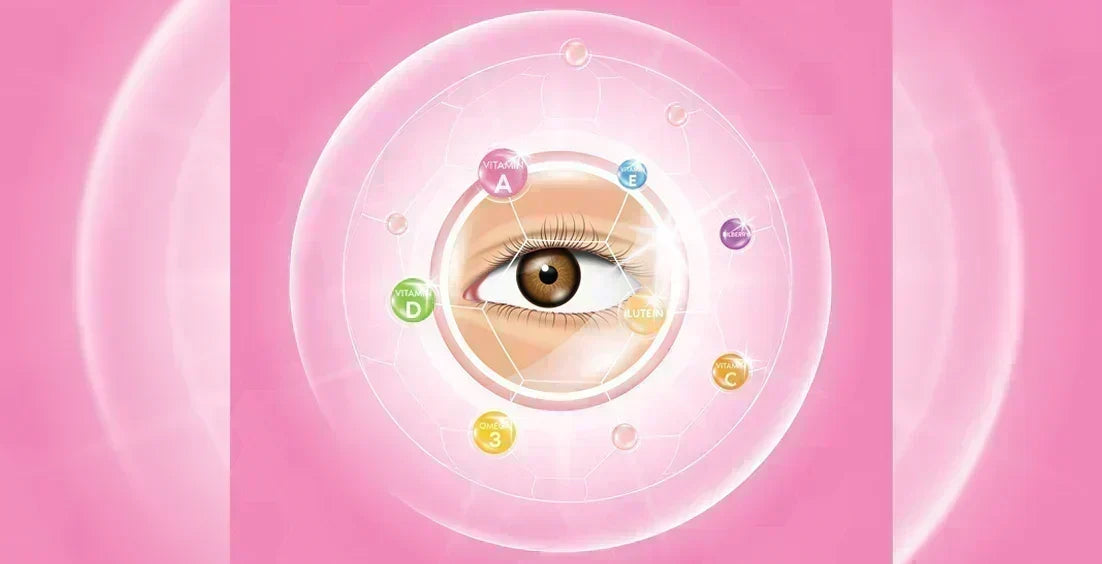


Protecting Your Eyes from Blue Light: 6 Simple Tips
Learn how to protect your eyes from blue light with simple tips to reduce digital eye strain, improve comfort, and support long-term eye health.
 By WOWMD Staff

 Fact Checked
Advertiser Disclosure: WOWMD independently vets all recommended products. If you purchase a featured product, we may be compensated. Learn why you can trust us.

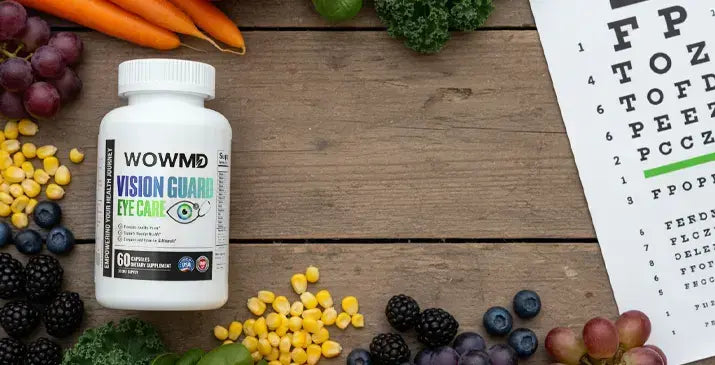
On average, U.S. adults spend 7+ hours daily on screens, while UK, Canadian, and Australian professionals also face rising digital eye strain. Protecting vision today prevents long-term damage tomorrow.
If you’ve ever felt your eyes burn, blur, or ache after hours of staring at a screen, then it’s a clear sign your vision is under stress. Many people experience the same discomfort, yet often dismiss it as part of modern living.
What you may not realize is that the light from digital devices does more than cause temporary strain. Prolonged exposure to this blue light can disrupt sleep patterns, affect focus, and even impact long-term vision health. That makes blue light protection for the eyes a priority for anyone who spends significant time on screens.
This is why proven products like WOWMD Vision Guard Eye Care are important. Built with eye-focused nutrients such as Lutein and Zeaxanthin, it provides targeted support for screen users. Before we explore how it works, let’s look at what blue light actually is and how it affects your eyes.
TL;DR
- Q1: What does eye care address? It targets strain, clarity, and long-term vision protection.
- Q2: How does blue light affect eyes? It disrupts sleep, reduces focus, and damages long-term vision.
- Q3: What are the blue light protection steps? Adjust screen settings, use glasses, and follow prevention tips.
- Q4: How does nutrition help the eyes? Vitamins and antioxidants support long-term eye health and protection.
- Q5: What makes Vision Guard effective? Combines Lutein, Zeaxanthin, and vitamins for eye protection.
What is Blue Light?
Blue light is a type of visible light with short wavelengths and high energy. The sun is the strongest natural source, but artificial sources such as phones, tablets, computer screens, and LED lighting add significant exposure.
Because digital devices are used so close to the eyes and for long stretches of time, the impact feels stronger than natural exposure.
A common myth is that all blue light is harmful. In reality, moderate amounts of natural blue light from the sun help regulate sleep patterns, mood, and alertness [1]. The concern arises from constant, prolonged exposure to artificial sources that keep the eyes under stress and may disrupt healthy sleep.
Did you know
- DYK? Sunlight is the biggest natural source of blue light — essential for mood & alertness.
- DYK? Artificial blue light exposure has doubled in the last 20 years due to smartphones & LEDs.
How Blue Light Affects Your Eyes?
Too much blue light from digital devices can trigger discomfort, often described as digital eye strain [2]. Common symptoms include dry eyes, blurred vision, and frequent headaches after long hours of screen use. In addition, blue light disrupts melatonin production, the hormone that signals your body to rest. This is why late-night screen use often leads to trouble falling asleep and lower sleep quality.
| Impact of Blue Light | Short-Term Effect | Long-Term Risk |
|---|---|---|
| Digital Eye Strain | Dry eyes, blurred vision, headaches | Productivity decline |
| Sleep Disruption | Melatonin suppression | Insomnia, fatigue |
| Retinal Stress | Oxidative damage | Macular degeneration |
Why Do Your Eyes Need Protection in the Digital Age?
Digital eye strain prevalence is 50% among U.S. office workers, 60% among Canadian teens, and rising rapidly in Australia and the UK
Screens are now part of almost every activity, including work, school, entertainment, and even social connections. While this access makes life more convenient, it also puts your vision under constant pressure.
Protecting your eyes from screen time is no longer just about comfort [2]. It is about preventing strain today and avoiding more serious issues in the future.
Advertisement


Increasing Screen Time and Its Consequences
 Screen Time Impacts on Vision Health
On average, adults now spend 7 to 10 hours each day on digital devices, while students often add several more hours for study and entertainment. This level of exposure forces the eyes to work harder than they were designed to, leading to digital eye strain [3].
The signs often start small with slight headaches, occasional blurriness, dry eyes, or an irritated feeling. Over time, these symptoms can interfere with focus at work, lower productivity, and even make it harder for students to concentrate.
While adjustments such as screen filters or blue light blocking glasses for screens can ease the pressure, it’s important that you recognize these symptoms of digital eye strain.
Know More: Omega-3 Fatty Acids For Dry Eye Disease
Long-Term Risks of Blue Light Exposure
Temporary discomfort is only part of the concern. Research shows that years of exposure to artificial blue light may damage the retina, raising the risk of macular degeneration and other serious conditions.
A review in the International Journal of Ophthalmology notes that prolonged blue light exposure can accelerate retinal stress and contribute to age-related vision decline [4]. These risks make prevention a priority, not an afterthought.
This is where blue light damage prevention tips become valuable. Simple actions such as adjusting device settings or limiting late-night screen use can reduce stress on the eyes.
Pairing these habits with the best eye care supplements for screen use strengthens protection, helping you maintain clarity and reduce the chance of long-term vision problems.
💡 DYN? Prolonged screen time can increase your risk of macular degeneration (an eye condition that causes a loss of central vision, making it difficult to see fine details, read, and recognize faces).
💡 DYN? Research shows that years of blue light exposure may contribute to long-term vision problems [10].
How to Protect Your Eyes from Blue Light?
There is no way to avoid screens completely, but there are effective steps you can take to reduce their impact. A mix of smart screen habits and the right nutrition creates a strong foundation for healthier vision.
 Tips to Reduce Blue Light Exposure
Practical Tips to Reduce Blue Light Exposure
Small changes in how you use your devices can ease strain and protect your eyes.- Adjusting screen settings: Most phones and computers now include night mode or blue light filters. Turning these on reduces the harsh glare that strains your vision.
- Use blue light blocking glasses: Blue light blocking glasses for screens add an extra layer of protection during long work or study sessions, especially under artificial lighting.
- Taking regular screen breaks: Following the 20-20-20 rule which entails looking 20 feet away for 20 seconds every 20 minutes, gives your eyes a chance to rest and recover.
Advertisement


💡 DYN? Blue light from digital devices can interfere with your sleep patterns by reducing melatonin production.
Exposure before bed can make it harder to fall asleep, impacting the quality of your rest.
>> Eyes feeling dry and strained after long screen hours? Protect them with WOWMD Vision Guard Eye Care
Nutrition and Lifestyle for Eye Health
Your diet is just as important as your screen habits. Vitamins A, C, and E help defend the eyes against oxidative stress caused by prolonged light exposure. They also support tissue repair and visual clarity.
In this video, Dr. Allen shares the 5 best foods for eye health, including those rich in Vitamin C and A. Learn how simple foods like carrots, spinach, and oranges can help protect your vision and keep your eyes healthy
| Nutrient | Role in Eye Health | Best Food Sources |
|---|---|---|
| Lutein & Zeaxanthin | Filter harmful blue light | Kale, spinach, Vision Guard supplement |
| Vitamin A | Prevents dryness & night blindness | Carrots, sweet potato |
| Vitamin C | Antioxidant, supports vessels | Oranges, bell peppers |
| Vitamin E | Protects retina from stress | Nuts, seeds |
| Omega-3 | Prevents dry eye, supports retina | Salmon, mackerel, flaxseeds |
Carrots, spinach, kale, and other leafy greens are excellent sources of antioxidants and serve as nutrient-rich food with vitamin A.
Fish such as salmon or mackerel provide omega-3 fatty acids that support eye structure and reduce dryness. Together, these foods create a nutrient-rich base for strong vision and long-term eye health.
 Nutrition and Lifestyle for Eye Health
How WOWMD Vision Guard Eye Care Helps Protect Your Eyes?
Supplements have been proven to be very effective in supporting eye health, especially for people who spend long hours on digital devices. WOWMD Vision Guard Eye Care is a trusted option because it is specially designed with nutrients that directly target the effects of blue light and digital strain. Its formula combines antioxidants and vitamins that work together to protect clarity, reduce fatigue, and support long-term eye health.
Q: What makes WOWMD Vision Guard effective?
A: It combines lutein, zeaxanthin, vitamin A, C, and E — nutrients proven to filter blue light, reduce strain, and support long-term eye clarity.
Key Ingredients in WOWMD Vision Guard Eye Care
The strength of this product comes from a carefully chosen blend of active ingredients known for their benefits to vision. They include:
 Power of Vision Guard Ingredients
- Lutein: Found in leafy greens, Lutein acts as a natural filter for blue light [5]. It helps protect the retina from damage and supports sharper vision.
- Zeaxanthin: This antioxidant works alongside Lutein, shielding the eyes from oxidative stress and helping maintain healthy visual performance [6].
- Vitamin A: Vitamin A is essential for eyesight, good night vision. Vitamin A also supports the surface of the eye, reducing dryness and irritation caused by screens [7].
- Vitamin C: A powerful antioxidant that defends eye tissues against free radicals. It supports blood vessels in the eyes and helps prevent long-term damage [8].
- Vitamin E: Known for its protective role against oxidative stress, Vitamin E helps maintain healthy cells in the retina and supports clear vision [9].
Together, these ingredients create a protective barrier against the effects of prolonged screen exposure while promoting long-term eye health.
Also Read: Lutein for Eye Health: Protect Vision
Christian Lappe, PhD, Expertise in Medical Physics, Biomedical Optics, Stated that;
The blue-violet light has very high energy due to the short wavelengths and thus the potential to cause eye damage. Long-term effects are a separate issue. That is the continuous exposure of the retina to a specific lighting source, which can lead to metabolic processes and changes in the retina.
Why Choose WOWMD Vision Guard Eye Care?
If you are searching for dependable support against digital strain, this supplement offers both proven ingredients and positive experiences from users.
Ricardo P. shared, “My eyes feel less strained, with clearer vision, especially at night. Happy with the results so far.”Another user, Silmarwen V., noted, “My eyes feel less strained and tired after a long day. The capsules are easy to take, and I stick to the daily dose with no issues.”
What makes it even better is how simple it is to stay consistent. All it takes is just two capsules a day with water to build steady protection. Over time, this routine supports clearer vision, less strain, and stronger eye health.
Advertisement


Checklist for buyers while considering Eye Supplements
- Contains non-GMO herbal ingredients.
- Reduces eye strain and fatigue naturally.
- Enhances night vision and clarity.
- Supports overall eye health and comfort.
- Backed by positive user reviews.
- Offers a 60-day money-back guarantee.
Customer Testimonials
My vision feels clearer, and my eyes don’t get as tired since taking these capsules. — Edna P.
These eye care capsules have helped lessen my eye strain, especially after long hours of screen time. — Alicia M.
>> Struggling with digital eye strain or poor sleep? Try WOWMD Vision Guard Eye Care to reduce strain and protect your eyes from blue light. [Shop Now]
Everyday Eye Protection Tips
✅ Turn on night mode/blue light filter
✅ Follow 20-20-20 rule
✅ Stay hydrated to reduce dryness and irritation.
✅ Avoid late-night scrolling
✅ Use humidifiers to prevent dry eyes
✅ Eat eye-friendly foods (carrots, spinach, salmon)
✅ Take clinically backed supplements
Conclusion
Digital devices are part of work, learning, and entertainment, but they come with a cost. Long hours on screens expose your eyes to blue light, leading to strain, poor sleep, and even long-term risks such as macular degeneration. Protecting your eyes from digital strain is essential for comfort today and vision health tomorrow.
Simple steps like adjusting screen settings, following the 20-20-20 rule, and eating foods rich in Vitamins C, A, and E all support stronger vision. Supplements provide additional help, especially for people who spend significant time on devices every day.
WOWMD Vision Guard Eye Care offers targeted nutrition designed for this purpose. It supports clarity, reduces fatigue, and strengthens long-term vision health. Try WOWMD Vision Guard Eye Care for optimal protection.
FAQs
This article is for informational purposes only and is not a substitute for professional medical advice, diagnosis, or treatment. Statements made on this website have not been evaluated by the U.S. Food and Drug Administration. Always consult a qualified healthcare professional before making changes to your diet, supplements, medications, or healthcare routine.
Our Top Picks

Sea Essence Omega 3 Fish Oil


Greens Blend

References
WOWMD follows strict sourcing guidelines to ensure the accuracy of its content, outlined in our editorial policy. We use only trustworthy sources, including peer-reviewed studies, qualified experts, and information from top institutions.


- Blue Light and Digital Screens Revisited: https://pmc.ncbi.nlm.nih.gov/articles/PMC11252550/
- Digital Eye Strain- A Comprehensive Review: https://pmc.ncbi.nlm.nih.gov/articles/PMC9434525/
- The associations between screen time and mental health in adolescents: a systematic review: https://pmc.ncbi.nlm.nih.gov/articles/PMC10117262/
- Research progress about the effect and prevention of blue light on eyes: https://pmc.ncbi.nlm.nih.gov/articles/PMC6288536/
- Lutein: more than just a filter for blue light: https://pubmed.ncbi.nlm.nih.gov/22465791/
- Lutein and Zeaxanthin and Their Roles in Age-Related Macular Degeneration: https://pmc.ncbi.nlm.nih.gov/articles/PMC8874683/
- Effects of short-term oral vitamin A supplementation on the ocular tear film in patients with dry eye: https://pmc.ncbi.nlm.nih.gov/articles/PMC6462169/
- Unveiling the Spectrum of Ophthalmic Manifestations in Nutritional Deficiencies: A Comprehensive Review: https://pmc.ncbi.nlm.nih.gov/articles/PMC10777438/
- Molecular Mechanisms Underlying the Therapeutic Role of Vitamin E in Age-Related Macular Degeneration: https://pmc.ncbi.nlm.nih.gov/articles/PMC9114494/
- Research progress about the effect and prevention of blue light on eyes: https://pmc.ncbi.nlm.nih.gov/articles/PMC6288536/