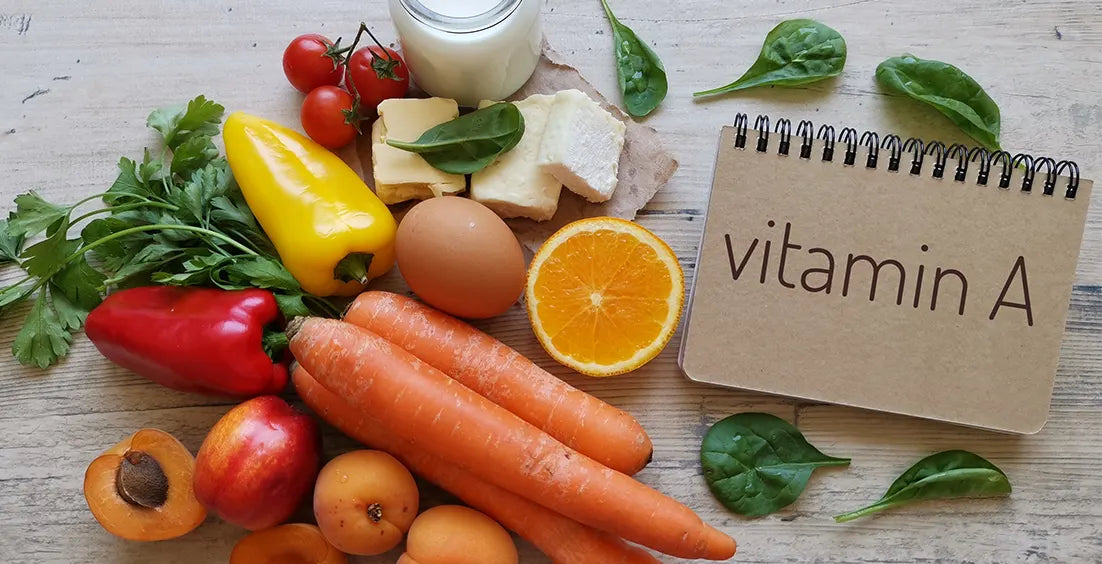


Foods High in Vitamin A: Top 15 Healthy Choices
Discover foods high in vitamin A that support eye health, immunity, and skin. Explore the best natural sources to add to your daily diet.
 By WOWMD Staff

 Fact Checked
Advertiser Disclosure: WOWMD independently vets all recommended products. If you purchase a featured product, we may be compensated. Learn why you can trust us.

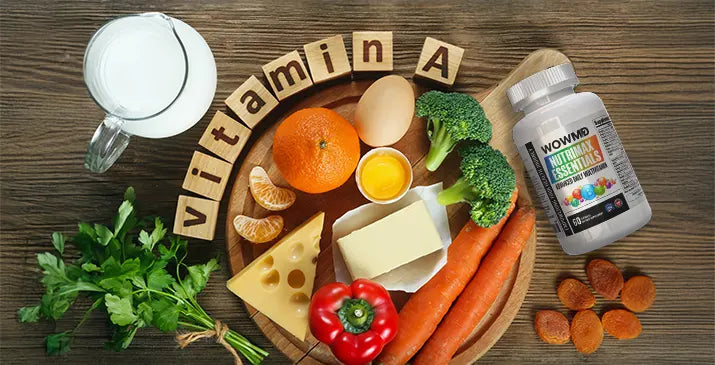
Vitamins help keep your body running smoothly, and Vitamin A is no exception. Essential for sharp vision, a strong immune system, and healthy skin, it’s one nutrient you don’t want to overlook. But what foods contain Vitamin A? How can you ensure you’re getting enough of it?
Vitamin A is a fat-soluble vitamin available in two forms: animal-based sources, which provide preformed Vitamin A, and Plant-based foods, which are rich in provitamin A carotenoids that your body converts into usable form.
Now more than ever, there’s a growing awareness about the importance of nutrient-rich diets. And, so, many people are exploring foods high in vitamin A to help avoid deficiencies and maintain their health. This article will guide you through the best vitamin A foods, recommended daily intake levels, and tips for making the most of this essential nutrient in your meals.
TL DR
- Vitamin A: Essential for healthy vision, skin, and immunity.
- Boost immunity and skin with Vitamin A-rich foods.
- Top sources of Vitamin A: Animal and plant foods.
- Increase Vitamin A intake with sweet potatoes, spinach, and eggs.
What is Vitamin A and Why Does Your Body Need It?
Vitamin A is a vital nutrient your body relies on to maintain essential functions. This fat-soluble Vitamin, as we mentioned earlier, comes in two primary forms;
- Preformed Vitamin A (retinol): Found in animal-based foods such as eggs, liver, and dairy products.
- Provitamin A carotenoids (e.g., beta-carotene): Found in plant-based foods like carrots, sweet potatoes, and spinach. The body converts carotenoids into active Vitamin A, making these high-vitamin A foods an excellent addition to your meals.
Advertisement


Vitamin A provides a range of benefits, including:
- Supports eye health: It supports eye health, helps prevent night blindness, and protects against age-related vision issues.
- Boosts immune system functionality: It boosts the immune system and strengthens your body’s ability to combat infections.[1]
- Promotes healthy skin and bodily linings: Maintains the integrity of your skin and mucous membranes.
- Essential for growth and reproduction: Aids in cellular communication, supporting development and fertility.
While Vitamin A is crucial, balance is important. A deficiency can lead to issues like dry eyes, night blindness, and weakened immunity. On the other hand, excessive intake—commonly from overusing supplements—can cause toxic effects, such as nausea or liver damage.
We recommend going for natural sources, like foods high in vitamin A, to help maintain safe and effective levels of good health.
Mark Hyman, a functional medicine doctor and author, states that
Vitamin A is essential for maintaining healthy vision, immune function, and skin. Incorporating a balanced mix of animal and plant-based sources, such as sweet potatoes, spinach, and eggs, is key to ensuring adequate intake.

Best Vitamin A Foods for Skin, Eyesight & Immunity
 Best foods rich in Vitamin A
Animal-Based Sources of Vitamin A (Preformed Vitamin A)
Foods from animal sources provide preformed Vitamin A, which your body can use directly. These include:
- Liver: Beef and lamb liver are among the foods highest in Vitamin A. A single serving can deliver over 700% of your daily value, making it one of the richest sources.[2]
- Fish: Cod liver oil is packed with Vitamin A and also offers Vitamin D, making it one of the best foods with Vitamin A and D.[3] Other fatty fish like herring and mackerel add variety while contributing significant amounts.
- Dairy: Dairy products such as cheese, milk, yogurt, and butter are easy-to-find Vitamin A foods. These items are excellent for those looking for foods rich in vitamins A and D.[4]
- Eggs: Egg yolks are a convenient addition to meals, offering a moderate contribution of Vitamin A.
Advertisement


Plant-Based Sources of Vitamin A (Provitamin A Carotenoids)
Plant-based foods contain provitamin A carotenoids, which your body converts into active Vitamin A. Some top options include:
- Orange and Yellow Vegetables: Sweet potatoes, carrots, and butternut squash are standout vitamin A food items. One serving of sweet potatoes can provide over 100% of your daily requirement.
- Leafy Greens: Kale, spinach, and collard greens are foods with the most Vitamin A among greens, packed with nutrients and antioxidants.
- Fruits: Fruits like mangoes, cantaloupe, papaya, and dried apricots are delicious, high Vitamin A foods to satisfy a sweet tooth while boosting your intake.
- Peppers: Red bell peppers are another colorful option that contains Vitamin A along with other beneficial nutrients.
In this video, our client Russ Godfrey talks about his experience with NutriMax Essentials, a multivitamin that boosted his energy and immune support. After just two weeks, he noticed improved sleep and the ability to take longer walks.
How to Improve Vitamin A Absorption Naturally
For effective absorption of provitamin A from plant-based sources, pair these foods with healthy fats. For example, drizzle olive oil over roasted carrots or toss spinach into a salad with avocado. Healthy fats help your body convert carotenoids into active Vitamin A more efficiently.
Looking for a natural way to strengthen your immune system? Along with adding Vitamin A-rich foods like sweet potatoes and spinach, try WOWMD NutriMax Essentials for added immune support.
Customer Reviews
Helps boost my immunity and keeps me energized. Definitely a must for staying healthy. - Chantal E. 
I feel more energized and ready to take on the day! - Sarah J. 
This multivitamin keeps my immune system strong—definitely works! - Brian A. 
How to Get More Vitamin A from Everyday Foods
Boosting your Vitamin A intake can be simple with the right strategies. The key is to include a mix of both animal-based and plant-based foods in your daily meals. For example;
- Enjoy eggs or dairy products like milk and cheese with breakfast, and add a side of leafy greens or sweet potatoes to your lunch or dinner. If necessary, fortified products such as cereals and spreads are excellent sources of Vitamin A and D.
- To improve the absorption of provitamin A from vegetables, pair them with healthy fats. Drizzle olive oil over spinach or toss avocado into a red pepper salad for a delicious, nutrient-boosted dish. Soups made with sweet potatoes or carrots also provide an easy and warming way to up your Vitamin A intake, while smoothies featuring mango or cantaloupe make a refreshing alternative.
- For those with specific dietary restrictions, there are still plenty of options. Vegetarians and vegans can focus on carotenoid-rich foods like spinach, kale, and butternut squash. If you struggle to meet your needs through diet alone—especially individuals with genetic mutations that reduce carotenoid conversion—consider supplements to maintain optimal levels.
Recommended Intake of Vitamin A
The Recommended Dietary Allowance (RDA) for Vitamin A varies by age and life stage (Ref). Adult males need 900 mcg/day, while adult females require 700 mcg/day. During pregnancy vitamin A needs increase to 770 and lactating women, 300 mcg/day.
Vitamin A intake is measured in Retinol Activity Equivalents (RAEs) to account for the differing contributions of preformed Vitamin A versus provitamin A carotenoids from foods. Try to stay below the upper limit of 3,000 mcg/day to avoid toxicity, especially from supplements or high vitamin A foods like liver.
Advertisement


Combining Nutrition and Caution
While Vitamin A is vital for health, exceeding safe levels can be harmful. Pregnant women, in particular, should avoid excessive intake, as it can negatively affect fetal development.
Multivitamins and supplements are a convenient way to meet daily needs, but ensure they don’t surpass the Recommended Dietary Allowance (RDA). Most people can achieve adequate levels through a balanced diet with foods high in Vitamin A, such as sweet potatoes, eggs, and spinach.
Also, consult a healthcare professional to align your intake with your unique health needs and avoid the risks of overconsumption.
Did You Know?
- DYK? Vitamin A is crucial for vision and prevents night blindness.
- DYK? Sweet potatoes are packed with Vitamin A, covering 100% of your daily needs in one serving.
- DYK? Provitamin A carotenoids like beta-carotene support immune health.
- DYK? Animal sources like liver and eggs provide preformed Vitamin A for skin health.
- DYK? Vitamin A supports cell growth, essential for healing and reproductive health.
- Opt for a mix of animal & plant-based sources for full Vitamin A benefits.
- Choose non-GMO, vegan, and gluten-free options.
- Follow the recommended Vitamin A intake to avoid toxicity.
- Enjoy free shipping and a money-back guarantee for added peace of mind.
Vitamin A Checklist for Buyers
Conclusion
Vitamin A plays a crucial role in keeping your body healthy, from supporting vision to boosting immunity. Throughout this article, we’ve seen the best animal-based and plant-based sources, easy ways to add vitamin A foods to your meals, and the importance of staying within safe intake limits.
Balanced varied diet paired with mindful nutrition can help you meet your needs safely and effectively. Take the time to plan meals that include high vitamin A foods like sweet potatoes, eggs, spinach, and mangoes. Just a little effort and you’ll enjoy the long-term rewards of better health and vibrant living!
READ MORE:
FAQs
This article is for informational purposes only and is not a substitute for professional medical advice, diagnosis, or treatment. Statements made on this website have not been evaluated by the U.S. Food and Drug Administration. Always consult a qualified healthcare professional before making changes to your diet, supplements, medications, or healthcare routine.
Our Top Picks


Vision Guard Eye Care

References
WOWMD follows strict sourcing guidelines to ensure the accuracy of its content, outlined in our editorial policy. We use only trustworthy sources, including peer-reviewed studies, qualified experts, and information from top institutions.


- A survey of vitamin A concentrations in the liver of food-producing animals: https://doi.org/10.1080/02652039809374595
- Cod Liver Oil, but Not Retinoic Acid, Treatment Restores Bone Thickness in a Vitamin A-Deficient Rat: https://doi.org/10.3390/nu14030486
- What is vitamin A and why do we need it? | https://pmc.ncbi.nlm.nih.gov/articles/PMC3936685/
- Role of Vitamin A in the Immune System: https://doi.org/10.3390/jcm7090258