

Is Vitamin A Good for Your Skin? Benefits and How To Use
Discover the benefits of vitamin A for skin, including acne support, smoother texture, and healthier-looking skin, plus safe usage tips.
 By WOWMD Staff

 Fact Checked
Advertiser Disclosure: WOWMD independently vets all recommended products. If you purchase a featured product, we may be compensated. Learn why you can trust us.
Table of contents


Vitamin A is known as one of the most important nutrients for maintaining healthy, youthful skin. It is known for its role in cellular regeneration, which allows it to be a key ingredient in your skincare routine. Whether you want smoother and clearer skin or you want it to be radiant, vitamin A is there to help.
In this article, we will take the time to explore more about the benefits of vitamin A, as well as how to incorporate it into your routine. This can help you feel better while avoiding a potential vitamin A deficiency in your skin.
TL;DR – Vitamin A for Skin at a Glance
- Boosts collagen & smooths skin
- Helps fade dark spots & acne
- Retinol (animal-based), beta-carotene (plant-based)
- Use at night, start slow, moisturize after
- Add carrots, spinach, sweet potatoes to your meals
What is Vitamin A?
Vitamin A is a fat-soluble vitamin that comes in two forms:
- Pre-formed vitamin A including retinol and retinoids found in animal-based foods.
- Provitamin A including beta-carotene found in plant-based foods.
Advertisement


Benefits of Vitamin A for the Skin
Vitamin A benefits for skin are numerous, which is why it is such an important ingredient in skincare products. Some of the top advantages of using vitamin A for skin care include:
May Help Promote Collagen Production
Vitamin A stimulates the production of collagen. Collagen is the protein responsible for keeping the skin firm and youthful. Collagen helps maintain skin elasticity while reducing the appearance of fine lines and wrinkles. (Ref)
By promoting collagen synthesis, vitamin A can help combat signs of aging while keeping the skin smooth and plump.
May Help Improve Skin Texture
One of the reasons that vitamin A is used in skincare is that it accelerates cell turnover. This helps shed the dead skin cells while promoting the growth of new cells. (Ref)
Regular use of vitamin A can lead to smoother skin texture. Add this to a more even skin tone and you will have the radiant complexion you desire.
May Help Fights Acne
Retinoids are often prescribed to treat acne. This is due to their ability to unclog pores and reduce inflammation. By encouraging rapid shedding of skin cells, vitamin A helps prevent the buildup of dead skin cells that lead to acne outbreaks. (Ref)
These retinoids can also help reduce oil production, which can help fight off acne outbreaks.
May Help Reduce Hyperpigmentation
Vitamin A is known to help fade hyperpigmentation. This can include issues like melasma, sun damage, and dark spots.
By helping speed up the natural exfoliation of the skin, vitamin A will remove the pigmented cells. This leads to a more even skin tone. And it can reduce discoloration over time.
May Help Hydrates and Nourishes the Skin
Vitamin A works to support the natural barrier of the skin, holding moisture in place. This can be beneficial for those with dry or flaky skin. Vitamin A will improve skin hydration. This makes the skin feel soft and nourished.
How to Use Vitamin A in Skin Care
If you are looking for a way to incorporate vitamin A into your skincare routine, it’s important to know the ways to maximize the benefits, all while avoiding potential problems. Some tips to help with this include:
- Start slow: Vitamin A can be potent. For some people, it causes dryness, redness, and irritation when first used. Start with a lower concentration a few times a week. Slowly increase the frequency to see how that goes.
- Use in the evening: Vitamin A can make the skin more sensitive to the skin. This can cause more damage too. Try to apply these products at night so that they can get to work, without damage from the sun.
- Pair with a moisturizer: Since vitamin A can sometimes cause flakiness or dryness, consider following it up with a good moisturizer. Look for one that can soothe the skin and lock in moisture, without clogging pores.
- Be consistent: Consistency is key when using vitamin A for skin care. It can take a few weeks of consistency to see the improvements that you want.
- Consult with a dermatologist: If you have sensitive skin or skin conditions, it is best to talk to a dermatologist first. They can recommend the right form and concentration of vitamin A that will work best for you.
Advertisement


How Does Vitamin A Deficiency Affect the Skin
Is your skin dry, acne-prone, or showing dark spots? These may be signs of Vitamin A deficiency. In this video, a doctor explains the causes, symptoms, and effective treatments to restore your skin and overall health with this essential nutrient.
Vitamin A deficiency will have some noticeable impacts on the health and appearance of the skin. Some common symptoms of vitamin A deficiency include:
- Rough and dry skin: A prominent sign of vitamin A deficiency is dry, rough, or flaky skin. Since vitamin A helps keep skin moisturized and beautiful, a lack of this nutrient can cause bad-looking skin.
- Acne and blemishes: A deficiency in vitamin A can disrupt the process of cell turnover. This can cause acne and clogged pores. Skin can become more prone to blackheads, blemishes, and other acne issues.
- Hyperpigmentation: Without enough vitamin A, skin is prone to developing dark spots and other forms of hyperpigmentation. Vitamin A helps reduce this problem by accelerating skin cell turnover.
- Increased risk of infections: Vitamin A helps keep the skin’s outer layer a strong barrier against pathogens and pollutants. A deficiency can weaken this barrier, making the skin more susceptible to irritation and infections.
- Thickened skin: In some severe situations, a deficiency in vitamin A can cause the skin to thicken and get rough. This is more common on the arms, knees, and elbows.
Food Sources of Vitamin A
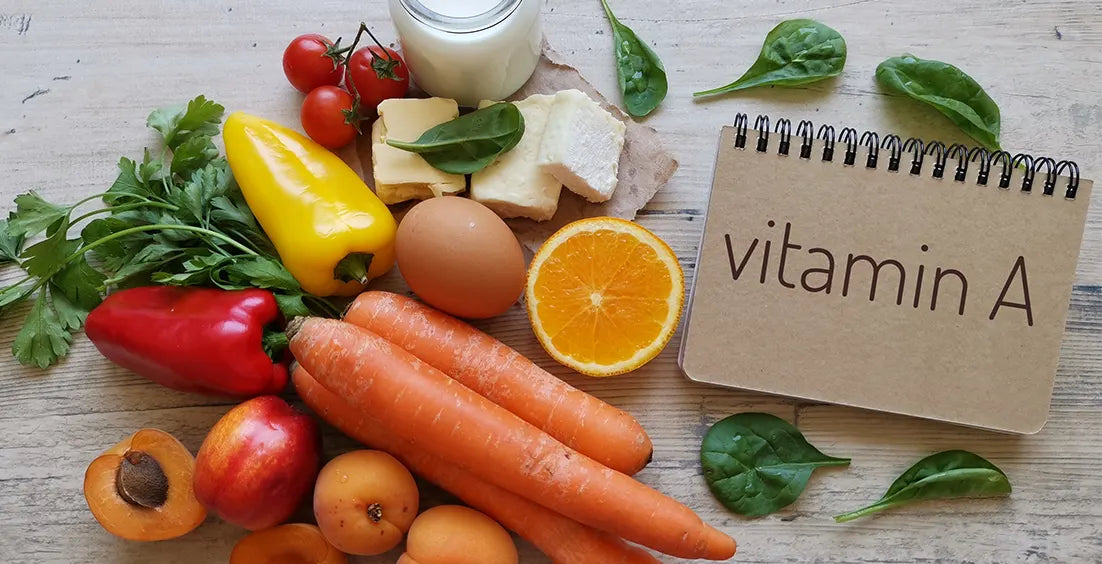
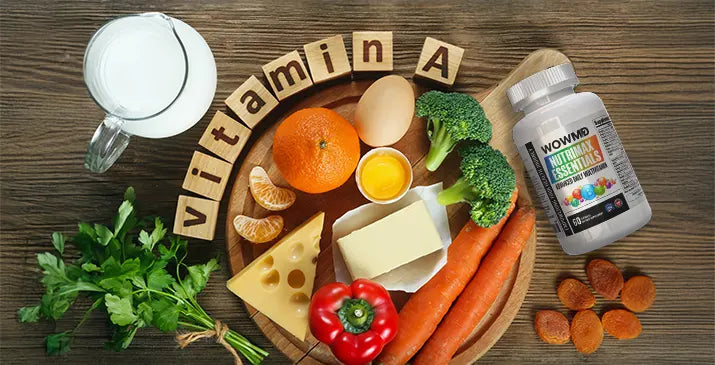
There are several ways that you can get vitamin A into your diet. A balanced and healthy diet is one of the best options, but you may choose to go with topical options as well. Some foods that are full of vitamin A include:
Megan Rossi, a registered dietitian and gut health expert, explains:
Vitamin A plays an important role in supporting skin health by promoting cell turnover and collagen production. To ensure you’re getting enough, incorporate orange and green vegetables like sweet potatoes, spinach, and carrots into your meals.

- Carrots
- Cantaloupe
- Mangoes
- Red bell peppers
- Liver
- Eggs
- Spinach and kale
- Sweet potatoes
Including these best green foods in your diet can help support the health of the skin from the inside out. This will help you get enough vitamin A for optimal skin function.
Final Thoughts
Vitamin A is an essential nutrient that provides a lot of great benefits for the health of your skin. Whether you would like to reduce the appearance of fine lines, fight off acne, or just improve your skin health, vitamin A is a nutrient that you need to add to the mix. Get plenty of vitamin A in your diet and see a big change in your skin health!
Advertisement


FAQs
This article is for informational purposes only and is not a substitute for professional medical advice, diagnosis, or treatment. Statements made on this website have not been evaluated by the U.S. Food and Drug Administration. Always consult a qualified healthcare professional before making changes to your diet, supplements, medications, or healthcare routine.
Our Top Picks



References
WOWMD follows strict sourcing guidelines to ensure the accuracy of its content, outlined in our editorial policy. We use only trustworthy sources, including peer-reviewed studies, qualified experts, and information from top institutions.


- Retinoids for skincare - https://pmc.ncbi.nlm.nih.gov/articles/PMC9618501/
- Vitamin A and collagen - https://pubmed.ncbi.nlm.nih.gov/6234916/
- Vitamin A and skin care - https://pmc.ncbi.nlm.nih.gov/articles/PMC8675340/
- Vitamin A and acne - https://pubmed.ncbi.nlm.nih.gov/35674761/