


The Best Supplements for Arthritis & Joint Pain in Seniors
Discover the best supplements for arthritis seniors use to support joint comfort, mobility, and healthy aging with evidence-based insights and tips.
 By WOWMD Staff

 Fact Checked
Advertiser Disclosure: WOWMD independently vets all recommended products. If you purchase a featured product, we may be compensated. Learn why you can trust us.

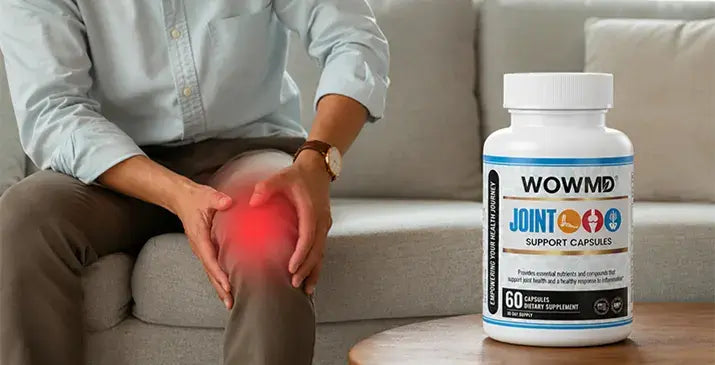
Growing older doesn't mean giving up an active lifestyle. Many women over 50 find themselves struggling with joint discomfort that can limit their mobility and enjoyment of daily activities. Joint health becomes increasingly important as we age, with our bodies experiencing natural wear and tear over the years.
Joints are like the hinges that keep our body moving smoothly. As we get older, these hinges start to creak and become less flexible. Factors like age, weight, previous injuries, and genetics all play a role in how our joints function. Paying attention to joint health early gives your body the support it needs to keep up with the things you love. The good news? There are ways to support and maintain joint health that can help you stay active and independent.
TL;DR
- Common causes of arthritis include aging, joint wear and tear, autoimmune issues, past injuries, and genetics.
- Omega-3 fatty acids, Vitamin D, Collagen, Glucosamine, and Turmeric are key supplements for reducing inflammation and improving flexibility.
- Regular use of joint supplements can reduce pain, improve mobility, and support long-term joint function.
- Supplements like glucosamine and turmeric can be taken daily, but always consult your healthcare provider for personalized advice and dosage.
- Start with low doses and monitor potential side effects, including digestive discomfort or interactions with other medications.
Is There a Joint Supplement That Actually Works?
The world of joint supplements can feel overwhelming. With countless options available, it's natural to wonder if these supplements are just marketing hype or genuine helpers. The truth lies somewhere in between. While no supplement is a magic cure, certain nutrients can provide meaningful support for joint health.
Common Causes of Joint Problems and Arthritis
- Aging can gradually wear down cartilage, leading to joint stiffness and discomfort.
- Common causes include osteoarthritis, rheumatoid arthritis, and other degenerative joint diseases.
- Excess body weight places added pressure on joints, especially the knees and hips.
- Previous injuries may increase the risk of long-term joint problems.
- Repetitive movements from work or sports can strain joints over time.
- Autoimmune conditions may cause inflammation and damage within the joints.
- Genetics and a sedentary lifestyle can also contribute to the development of arthritis.
Advertisement

Best Ingredients for Joint Support Supplements
Omega-3 Fatty Acids
Omega-3s are like natural inflammation fighters and chronic pain relief for your body. Krill oil and fish oil are rich in omega-3 fatty acids (DHA and EPA), which help prevent inflammation. Although they support the heart and the brain, their effects on osteoarthritis (OA) symptoms are less obvious.
Fish oil and Omega-3 supplements are an effective way to ensure you're getting these essential fatty acids. They work by calming inflammation throughout the body, which is often a primary source of joint pain [1].
Vitamin D
Many seniors struggle with vitamin D deficiency , which can impact joint health. This essential vitamin helps your body absorb calcium and supports bone strength. Think of vitamin D as the foundation that keeps your skeletal system strong and resilient [2].
Collagen
Collagen is like the shock absorber for your joints. As we age, our natural collagen production decreases, which can lead to less flexible and more painful joints. Supplementing with collagen can help support joint cushioning and may reduce discomfort [3].
Dr. Shernell Surratt-Gary, DO, a clinical advisor says, "Collagen supplements may also support bone and joint health. Collagen provides the amino acids needed for bone matrix formation and joint cartilage repair. Research suggests that collagen can improve bone mineral density and reduce joint pain by stimulating the body's own collagen production".
Glucosamine
Glucosamine is a compound naturally found in cartilage. As we age, our bodies produce less of this important substance. Supplements can help support cartilage health and potentially slow down joint degradation [4].
Turmeric
Turmeric is more than just a spice. Its active compound, curcumin, has powerful anti-inflammatory properties. Many seniors find relief from joint discomfort by incorporating turmeric supplements into their daily routine [5].
"When it comes to arthritis, the pain you experience has less to do with your joints being “bone on bone” and more to do with the inflammation that is produced in the joint. Inflammation makes your nerves more sensitive to pain stimuli and deteriorates your joints faster. Therefore, I almost always recommend fish oil and curcumin first, "explains Dr. Jason Winkelmann, ND, DC
Studies suggest that curcumin supplements, especially in forms that are better absorbed by the body, may help ease joint pain for people with osteoarthritis, particularly in the knees.
Magnesium
Magnesium is essential for joint health because it helps your body absorb calcium and activate vitamin D, both of which are key for strong bones. Research also points to the role of magnesium for joint pain, as it supports the enzymatic processes that regulate inflammation and cartilage function. Plus, it’s involved in hundreds of processes that support bone strength and overall joint function [6].
"Magnesium is essential to periarticular muscles since it is necessary to promote the channel gating of calcium. Without it they are in a state of partial contraction, which puts the joint in unequal loading throughout all of the movement cycles, explains" Alexander Acosta, MD
Boswellia
Boswellia is an herbal extract from the Boswellia serrata tree, known for its natural boswellic acids. It may support joint comfort by helping the body manage inflammation and may improve knee pain and physical function in people with osteoarthritis [7].
Chondroitin
Chondroitin sulfate is a natural compound found in cartilage, where it helps maintain structure and cushioning. Supplements are often used to support joint flexibility and may provide modest relief for osteoarthritis-related discomfort, though results can vary [8].
"Collagen, glucosamine and chondroitin target structure deterioration. Boswellia serrata and curcumin act against inflammation. It's held together by the bone metabolism regulated by vitamin D and magnesium," explains David Zhong, Certified Personal Trainer | Kinesiologist
MSM (Methylsulfonylmethane)
MSM is a sulfur-containing compound commonly included in joint support formulas. It may help maintain connective tissue comfort and support improvements in knee discomfort and physical function when used consistently [9].
Advertisement


Benefits of Dietary Supplements for Joint Health
Dietary supplements offer several potential benefits for seniors:
- Reduced inflammation
- Improved joint flexibility
- Enhanced mobility
- Potential pain reduction
- Support for overall joint function
- Slower cartilage breakdown over time
- Better lubrication within the joints
- Stronger surrounding muscles and connective tissue
- Easier movement during daily activities
- Support for bone density and structure
- Quicker recovery after physical activity
- Reduced morning stiffness
Beyond these core benefits, the best joint health supplements can also provide a sense of hope and empowerment. Many seniors find that taking proactive steps toward joint health helps them feel more in control of their aging process. The psychological boost of doing something positive for your body can be just as important as the physical benefits.
Important Considerations for Seniors
Should Women Over 50 Take Glucosamine?
Many healthcare professionals recommend glucosamine for women over 50, especially those experiencing joint discomfort. However, it's crucial to consult with your doctor first. Every person's health needs are unique, and what works for one may not work for another.
The decision to take glucosamine isn't just about managing current discomfort. It's also about preventing future joint problems. Some research suggests that early intervention with glucosamine might help slow down joint degradation, potentially preserving mobility and independence in later years.
Combining Supplements Safely
Is it okay to take turmeric and glucosamine chondroitin together? Generally, yes. These supplements can work well in combination. However, always check with your healthcare provider to ensure they don't interact with any medications you're currently taking.
Read More: Best Glucosamine and Chondroitin Supplements for Healthy Joints: A Complete Guide.
Supplement combinations can be like creating a personalized wellness recipe. Each ingredient brings its own unique benefits, and when carefully selected, they can work synergistically to support your joint health. Think of it as building a comprehensive support system for your body.
Do Supplements Really Help With Joint Pain?
Personal experiences vary widely, but many users find hope in these natural approaches, often incorporating options like WOWMD Grass-Fed Collagen Peptides Powder (Chocolate) into their daily routine. Supplements aren't about overnight miracles but about gradual, sustainable improvements. Patience and consistency are your best allies in managing joint health. Always consult your healthcare provider before starting any new supplement, especially if you have a medical condition or take other medications.
Exercises for Supporting Joint Health
Gentle exercises can complement your supplement routine:
- Swimming
- Walking
- Yoga
- Light stretching
- Tai Chi
These activities help maintain joint flexibility and muscle strength without putting too much stress on your joints.
Movement is medicine for aging joints. Beyond the listed exercises, the key is finding activities you enjoy. Dancing, gardening, or even gentle home workouts can be wonderful ways to keep your joints moving and healthy. The most important exercise is the one you'll actually do consistently.
What to look for when Choosing the Right Supplement?
When selecting a joint supplement:
-
Look for Reputable Brands:
Choose brands with a strong reputation for quality, transparency, and customer satisfaction. Established manufacturers are more likely to follow strict safety and production standards.
-
Check for Third-Party Testing:
Third-party testing verifies that the supplement contains the ingredients listed on the label and is free from harmful contaminants.
-
Read Customer Reviews:
Customer reviews can provide real-world insights into a product's effectiveness, taste, and overall user experience. Focus on detailed reviews that discuss long-term results rather than isolated opinions.
-
Consult Your Healthcare Provider:
A healthcare professional can recommend supplements that align with your specific health needs and medications. Their guidance helps ensure the supplement is both safe and appropriate for your condition.
Always combine your own research with advice from healthcare professionals. It's important to consult your healthcare provider or other trusted experts when considering new supplements.
Potential Side Effects of Joint Health Supplements in Seniors
Like any supplement, joint health products can cause side effects. Some people might experience:
- Mild digestive discomfort
- Allergic reactions
- Interactions with existing medications Always start with low doses and monitor how your body responds.
Understanding potential side effects is about being a smart, proactive health consumer. Your body is unique, and what works for one person might not work exactly the same for another. Keeping a health journal can help you track how your body responds to new supplements.
Advertisement


Conclusion
Joint health is a journey, not a destination. Supplements can be a valuable tool in maintaining your mobility and quality of life. Remember, there's no one-size-fits-all solution. What works best is a combination of proper nutrition, gentle exercise, and professional medical guidance.
Stay active, stay informed, and don't let joint discomfort hold you back from enjoying life to its fullest!
Your journey with joint health is deeply personal. Embrace each small improvement, celebrate your body's resilience, and approach your wellness with kindness and patience. Every step you take is a step towards a more comfortable, active future.
Joint health in seniors can be improved by taking supplements, and WOWMD Joint Support is one of the best options for it. and is one of the best options for it.
Frequently Asked Questions
Meet The Experts
- Dr. Shernell Surratt-Gary , DO, Clinical Advisor.
- Dr. Jason Winkelmann , ND, DC.
- David Zhong , Certified Personal Trainer | Kinesiologist.
- Alexander Acosta , MD.
This article is for informational purposes only and is not a substitute for professional medical advice, diagnosis, or treatment. Statements made on this website have not been evaluated by the U.S. Food and Drug Administration. Always consult a qualified healthcare professional before making changes to your diet, supplements, medications, or healthcare routine.
Our Top Picks


Sea Essence Omega 3 Fish Oil

Turmeric Boost

References
WOWMD follows strict sourcing guidelines to ensure the accuracy of its content, outlined in our editorial policy. We use only trustworthy sources, including peer-reviewed studies, qualified experts, and information from top institutions.


- Omega-3 Fatty Acids for Joint Health: A Comprehensive Guide - Rheum4us https://rheum4us.org/omega-3-fatty-acids-for-joint-health/
- Vitamin D and Bone Health - The Journal of Nutrition https://jn.nutrition.org/article/S0022-3166(22)01747-3/fulltext
- (PDF) Collagen: A Brief Analysis https://www.researchgate.net/publication/337856728_Collagen_A_Brief_Analysis
- Effectiveness and Safety of Glucosamine in Osteoarthritis: A Systematic Review - PMC https://pmc.ncbi.nlm.nih.gov/articles/PMC10366893/
- Anti-Inflammatory Effects of Curcumin in the Inflammatory Diseases: Status, Limitations and Countermeasures - PubMed https://pubmed.ncbi.nlm.nih.gov/34754179/
- An update on magnesium and bone health https://pmc.ncbi.nlm.nih.gov/articles/PMC8313472/
- Efficacy and tolerability of Boswellia serrata extract in treatment of osteoarthritis of knee--a randomized double blind placebo controlled trial https://pubmed.ncbi.nlm.nih.gov/12622457/
- Chondroitin for osteoarthritis https://www.cochranelibrary.com/cdsr/doi/10.1002/14651858.CD005614.pub2/full
- Efficacy of methylsulfonylmethane supplementation on osteoarthritis of the knee: a randomized controlled study https://pubmed.ncbi.nlm.nih.gov/21708034/