

Probiotics for Women: Key Benefits and How to Choose
Discover how probiotics for women support gut, vaginal, and immune health. Learn the benefits, best strains, and how to choose the right supplement.
 By WOWMD Staff

 Fact Checked
Advertiser Disclosure: WOWMD independently vets all recommended products. If you purchase a featured product, we may be compensated. Learn why you can trust us.

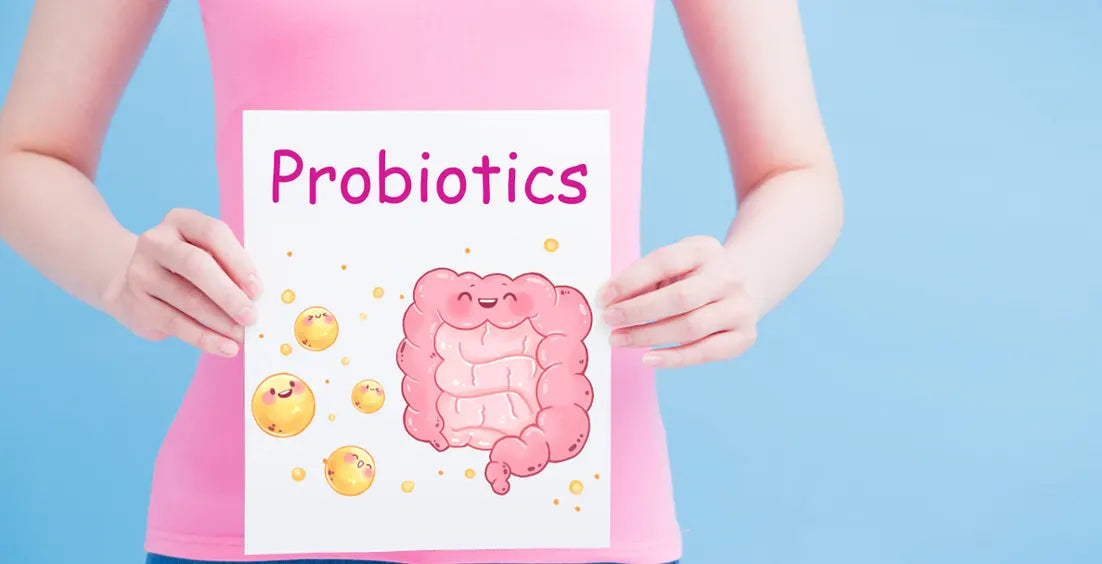
Did you know that tiny friendly bacteria can be your body's best friends? Every woman wants to feel healthy and strong. Probiotics are these helpful microorganisms that support women's health from head to toe. These friendly bacteria work like magic in our bodies, helping us feel better day after day.
More and more women are finding out just how amazing probiotics can be for their health. Think of them as an army of good bacteria working hard to keep you feeling your best.
Could these little heroes be what your body needs? Let's explore how these natural health boosters can change your life for the better.
Key Takeaways
- Enhanced Gut & Vaginal Health: Probiotics help balance bacteria in the gut and vagina.
- Boosted Immunity & Hormonal Balance: They support the immune system and may assist in regulating hormones.
- Improved Digestion & Mental Wellness: Regular intake aids digestion and can positively impact mood.
- Daily Use Considerations: Incorporating probiotics every day can be beneficial, though personal needs vary.
Understanding Probiotics and Their Role in Women's Health
Probiotics are live bacteria and yeasts that are beneficial to our health, especially the digestive system. Often referred to as "good" or "friendly" bacteria, they help keep the gut healthy by maintaining a balanced microbiome.
The main question is: what do probiotics do for women?
For women, probiotics play a crucial role not only in digestive health but also in supporting vaginal and urinary tract health.
Advertisement


Benefits of Probiotics for Women
1. Digestive Health:
A balanced gut microbiome is essential for efficient digestion. Probiotics aid in breaking down food, absorbing nutrients, and preventing digestive issues like bloating, constipation, and diarrhea. Regular consumption of probiotics can help maintain this balance, reducing the occurrence of gastrointestinal discomfort.
2. Vaginal Health:
The vagina maintains a delicate balance of bacteria. Disruptions can lead to infections such as bacterial vaginosis (BV) and yeast infections. Probiotics, particularly strains like Lactobacillus acidophilus, help sustain an optimal pH and prevent the overgrowth of harmful bacteria, thereby supporting vaginal health.
3. Urinary Tract Health:
Urinary tract infections (UTIs) are a common concern among women. Probiotics may help prevent UTIs by inhibiting the growth of pathogens in the urinary tract. Incorporating probiotics into daily routines can be a natural approach to reducing the risk of recurrent infections.
4. Immune System Support:
A significant portion of the immune system is located in the gut. Probiotics enhance immune function by promoting the production of natural antibodies and stimulating immune cells. This support is crucial for women, as it helps the body fend off common infections and illnesses.
Dr. Kate Scarlata, Registered Dietitian, Probiotic Expert shares, “Probiotics are essential in supporting immune function by enhancing the production of natural antibodies and stimulating immune cells.”
5. Mental Health and Mood Regulation
Emerging research suggests a connection between gut health and mental well-being, often referred to as the gut-brain axis. Probiotics may influence the production of neurotransmitters like serotonin, potentially alleviating symptoms of anxiety and depression. Maintaining a healthy gut microbiome can thus have positive effects on mood and cognitive functions.
6. Weight Management
Some studies indicate that certain probiotic strains can aid in weight loss and reduce belly fat. They may influence appetite-regulating hormones and increase fat-regulating proteins, contributing to weight management efforts. Incorporating probiotics into a balanced diet and exercise regimen can support these goals.
7. Skin Health
The benefits of probiotics extend to skin health. A balanced gut microbiome can reduce inflammation, potentially improving conditions like acne, eczema, and rosacea. Probiotics may also enhance skin hydration and resilience, contributing to a healthier complexion.
8. Allergy Prevention
Probiotics may help prevent or alleviate allergies by modulating immune responses. They can reduce the body's inflammatory responses to allergens, potentially decreasing the severity of allergic reactions. This benefit is particularly valuable for women with seasonal or food allergies.
9. Bone Health
Emerging evidence suggests that probiotics might play a role in bone health by enhancing calcium absorption and bone density. This is especially important for women, who are at a higher risk of osteoporosis as they age. Incorporating probiotics can be a proactive measure in maintaining bone strength.
10. Heart Health
Certain probiotic strains have been linked to heart health benefits, such as lowering blood pressure and cholesterol levels. Maintaining cardiovascular health is crucial, and probiotics can be a part of a heart-healthy lifestyle.
These 10 benefits of probiotics illustrate why many experts emphasize the purpose of probiotics for women as a crucial component of daily health routines.
Sources of Probiotics
Probiotics can be obtained from various foods and supplements. Fermented foods are natural sources rich in beneficial bacteria. Incorporating these into your diet can enhance your probiotic intake. Here are some probiotic-rich foods:
- Yogurt: Contains live cultures like Lactobacillus and Bifidobacterium.
- Kefir: A fermented milk drink with diverse probiotic strains.
- Kimchi: A Korean fermented vegetable dish rich in Lactobacillus.
- Sauerkraut: Fermented cabbage containing beneficial microbes.
- Miso: A Japanese fermented soybean paste with probiotics.
- Tempeh: A fermented soybean product with natural probiotics.
- Kombucha: A fermented tea beverage containing live cultures.
For those who may not consume these foods regularly, probiotic supplements are available. It's important to select gut health supplements for women with specific strains that address their health concerns.
Advertisement


Choosing the Right Probiotic for Women
Not all probiotics are the same, and different strains provide distinct benefits. When selecting a probiotic, consider the following factors:
1. Strain Specificity – Look for well-researched strains such as:
- Lactobacillus rhamnosus: Supports gut and vaginal health.
- Lactobacillus acidophilus: Helps maintain vaginal flora balance.
- Bifidobacterium longum: Promotes digestive health and immunity.
- Lactobacillus reuteri: Assists in preventing urinary tract infections (UTIs) and supports overall vaginal health.
2. Colony Forming Units (CFUs) – This refers to the number of live bacteria in the supplement. A general recommendation is to choose probiotics with at least 10-20 billion CFUs for optimal benefits.
3. Survivability – Some probiotics are better at surviving stomach acid and reaching the gut intact. Enteric-coated capsules or spore-forming strains offer better resilience. However, be sure not to open these capsules, as doing so may decrease their effectiveness.
4. Added Prebiotics – Prebiotics serve as food for probiotics, helping them thrive in the gut. Look for supplements that include prebiotics like inulin or fructooligosaccharides (FOS).
Read More :
5. Multi-Strain Formulas – A combination of different strains may provide more comprehensive health benefits. Multi-strain probiotics can improve digestive balance, immune support, and vaginal health.
6. Third-Party Testing and Quality Assurance – Choose reputable brands that undergo rigorous testing to ensure potency and purity.
Is It Good for Women to Take Probiotics Every Day?
Yes, taking probiotics daily can be highly beneficial for women. Consistency is key when it comes to maintaining a balanced gut microbiome. Daily intake of probiotics can:
- Enhance digestive health and prevent bloating.
- Support vaginal flora balance, reducing the risk of infections.
- Boost the immune system and improve overall well-being.
- Promote nutrient absorption, ensuring better digestion.
To maximize effectiveness, it is recommended to take probiotics at the same time each day, preferably with food, to improve their survival rate in the digestive system.
Advertisement


The Role of Probiotics in Hormonal Balance
Emerging research suggests that gut health and hormonal balance are closely linked. The gut microbiome plays a role in metabolizing and regulating hormones such as estrogen.
When the gut flora is balanced, it helps prevent estrogen dominance, which is linked to conditions like PMS, polycystic ovary syndrome (PCOS), and menopausal symptoms.
Probiotics may assist in:
- Reducing symptoms of hormonal imbalances, such as bloating and mood swings.
- Supporting estrogen metabolism to promote reproductive health.
- Enhancing mental well-being by influencing neurotransmitter production.
Maintaining gut health through probiotics may therefore contribute to overall hormonal balance and well-being in women of all ages.
You can also check out the informative video presentation by Dr. Shelley Meyer on the best probiotics for managing hormone imbalance.
Potential Side Effects and Considerations
While probiotics are generally safe, some women may experience mild side effects, especially when first introducing them into their routine. These may include:
- Temporary bloating or gas as the gut microbiome adjusts.
- Mild digestive discomfort in some individuals.
- Allergic reactions in rare cases, particularly for those sensitive to certain strains or additives.
If you have a compromised immune system or underlying health conditions, consult a healthcare provider before starting probiotics. Additionally, choosing a probiotic that aligns with your specific needs—whether for gut health, immunity, or vaginal microbiome balance—can help you achieve better results.
Conclusion
Probiotics play a crucial role in women’s health, offering a wide range of benefits from digestive support to immune function and vaginal health. Incorporating probiotic-rich foods or supplements into a daily routine can be a simple yet effective way to enhance overall well-being.
By choosing the right probiotic strains and maintaining a balanced diet, women can support their gut health and enjoy long-term benefits.
For optimal results, consistency is key—whether through diet or supplementation, maintaining a healthy gut microbiome is an investment in overall wellness. Women looking to improve digestion, immunity, and reproductive health can greatly benefit from making probiotics a daily habit.
FAQs
This article is for informational purposes only and is not a substitute for professional medical advice, diagnosis, or treatment. Statements made on this website have not been evaluated by the U.S. Food and Drug Administration. Always consult a qualified healthcare professional before making changes to your diet, supplements, medications, or healthcare routine.
Our Top Picks

Turmeric Boost

Greens Blend

Max Detox ACAI Berry Complex

References
WOWMD follows strict sourcing guidelines to ensure the accuracy of its content, outlined in our editorial policy. We use only trustworthy sources, including peer-reviewed studies, qualified experts, and information from top institutions.


- Systematic Review: Probiotics in the Management of Lower Gastrointestinal Symptoms: https://pmc.ncbi.nlm.nih.gov/articles/PMC5900870/
- Use of probiotic lactobacilli in the treatment of vaginal infections: In vitro and in vivo investigations: https://pmc.ncbi.nlm.nih.gov/articles/PMC10106725/
- Probiotics for preventing urinary tract infections in adults and children: https://pmc.ncbi.nlm.nih.gov/articles/PMC8720415/#:~:text=Probiotics%20
- Probiotics and Immune Health: https://pmc.ncbi.nlm.nih.gov/articles/PMC4006993/
- Gut microbiota’s effect on mental health: The gut-brain axis: https://pmc.ncbi.nlm.nih.gov/articles/PMC5641835/#:~:text=Healthy%20gut%20function%20has%20been,nervous%20system%20(CNS)%20function.&text=Hormones%2C%20neurotransmitters%20and%20immunological%20factors,directly%20or%20via%20autonomic%20neurons
- The Use of Probiotics in Preventing and Treating Excess Weight and Obesity: https://pmc.ncbi.nlm.nih.gov/articles/PMC11187407/
- The Role of Probiotics in Skin Health and Related Gut-Skin Axis: https://pmc.ncbi.nlm.nih.gov/articles/PMC10385652/
- Probiotics in Allergy and Immunological Diseases: https://pmc.ncbi.nlm.nih.gov/articles/PMC10999892/#:~:text=Probiotics%20are%20gaining%20increasing%20recognition,immune%20defense%20against%20respiratory%20infections
- Effects of Probiotics Supplementation on Bone Mineral Content and Bone Mass Density: https://pmc.ncbi.nlm.nih.gov/articles/PMC3920759/