

Prebiotics vs. Probiotics: Which One Is Best for Your Gut?
Learn the difference between prebiotics and probiotics, their benefits, and how they work together to support gut health and overall wellness.
 By WOWMD Staff

 Fact Checked
Advertiser Disclosure: WOWMD independently vets all recommended products. If you purchase a featured product, we may be compensated. Learn why you can trust us.

Gut health is a hot topic, and probiotic versus prebiotic is a common debate. While both support digestion and overall well-being, they serve different roles.
Probiotics are beneficial bacteria while prebiotics are the fiber-rich foods that feed these good bacteria, helping them thrive.[1]
“Think of probiotics as workers, that perform essential jobs in our gut such as breaking down food, supporting immune balance, and helping with B12 and vitamin K. Prebiotics are the tools and food they need to do their job” says Salena Rothenberger, Certified Functional Medicine Practitioner.
A balanced diet naturally contains both, but supplements can also provide added benefits. Understanding probiotics vs prebiotics is key to optimizing digestion, improving immunity, and enhancing gut function.
n this guide, we will break down their differences and how they work together. Also, we will discuss the best ways to incorporate them into your routine for positive results.
What's the Difference Between Prebiotics and Probiotics?
A healthy gut is the foundation of overall well-being, and probiotics with prebiotics play a key role in maintaining digestive balance. Knowing the difference between probiotics and prebiotics can help you make informed choices that support your gut microbiome.
What Are Probiotics?
“Probiotics are the "good" bacteria in the gut that impact just about every aspect of our health including digestion of food, absorption of nutrients, producing hormones and neurotransmitters, and producing short-chain fatty acids (SCFA's) that have powerful anti-inflammatory properties” explains Katelin Maidment RD.
How Do Probiotics Work?An article published in Frontiers in Microbiology in 2023 stated that probiotics are live microorganisms that support health when consumed in adequate amounts. Their key mechanisms include:
- Competitive Exclusion: Probiotics outcompete harmful bacteria for nutrients and binding sites in the gut.[2]
- Intestinal Barrier Improvement: They enhance mucin production and strengthen the gut's mucosal barrier.[2]
- Immunomodulation: Probiotics influence immune cells to regulate inflammation and immune balance.[2]
- Neurotransmitter Production: They produce serotonin and GABA, affecting mood and gut function through the gut-brain axis.[2]
Advertisement


You can find probiotics in fermented foods, such as:
- Yogurt and kefir (rich in Lactobacillus and Bifidobacterium)
- Kimchi and sauerkraut (fermented vegetables packed with live cultures)
- Miso and tempeh (fermented soy-based foods)Kombucha (fermented tea with probiotics and antioxidants)
Check out the complete list of probiotic-rich foods in the article - “Probiotic Foods to Support Gut Health”
If you’re not consuming enough probiotic-rich foods, top probiotic supplements can be a convenient way to boost gut health.
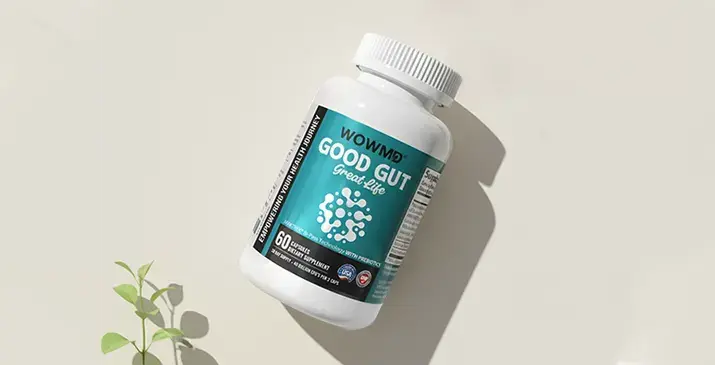
Check out this video where Tom talks about his 90-day gut health journey with WOWMD Good Gut Great Life, a probiotic supplement that helped him boost his digestion and overall wellness.
What Are Prebiotics?
Unlike probiotics, prebiotics aren’t live bacteria. “Prebiotics are the 'fuel' that probiotics feed off to grow, survive, and multiply in number and diversity, and are found in fiber-rich foods like fruits, vegetables, nuts, seeds, and beans,” explains Katelin Maidment, RD.
How Do Prebiotics Work?An article published in Foods in 2019 stated that prebiotics are non-digestible fibers that feed beneficial gut bacteria. When these bacteria digest prebiotics, they produce short-chain fatty acids (SCFAs), such as butyrate, which support gut and overall health.
- Gut Microbiota Support: Prebiotics promote the growth of beneficial bacteria like Bifidobacteria and Lactobacilli while suppressing harmful pathogens.[3]
- Fermentation Benefits: The fermentation process produces SCFAs that lower colon pH, support intestinal cells, and help regulate immune function.[3]
- Systemic Effects: These fermentation products enter the bloodstream and can influence the immune system, cardiovascular health, and even the nervous system.[3]
A diet rich in plant-based fiber is the best way to get prebiotics. Common sources include:
- Fruits & Vegetables – Bananas, apples, onions, garlic, asparagus.
- Whole Grains – Oats, barley, and wheat bran.
- Legumes – Chickpeas, lentils, kidney beans.
- Chicory Root & Jerusalem Artichokes – Excellent sources of inulin, a powerful prebiotic fiber.
Check out the complete list of fiber-rich foods in the article “High-Fiber Foods”
 Benefits of fermented foods
How Probiotics and Prebiotics Work Together
Think of probiotics as seeds and prebiotics as the fertilizer that helps them grow. Together, they form synbiotics. This probiotics and prebiotics difference is why consuming both together leads to the best results.
Salena Rothenberger, D.PSc, CFMP, CHC, Certified Functional Medicine Practitioner, explains;
Regarding synbiotics, they are not simply a combo of pre/probiotics. True synbiotics have a synergy between the two that matches the proper “tool” for the “worker”.
For instance, pairing Bifidobacterium longum with galacto-oligosaccharides(GOS), Inulin, or PHGG would be a symbiotic pairing because any of those combos specifically supports that microbe’s growth and activity.
Whereas psyllium paired with Bifido family isn’t going to be beneficial in helping support Bifido strains, rather it should be paired with Roseburia family and other butyrate producers.
Why Should I Take Both Probiotics and Prebiotics?
An article published in Nutrients in 2017 mentioned that synbiotics offer enhanced health benefits by improving probiotic survival and effectiveness.
Key benefits include:
- Enhanced Gut Health: Probiotics help manage conditions such as irritable bowel syndrome and diarrhea, while prebiotics create an environment where beneficial bacteria thrive.[4]
- Immunomodulation: Both strengthen immune responses; probiotics influence immunoglobulin production, and prebiotics stimulate immune cells.[4]
- Metabolic Health: Probiotics show promise for conditions like obesity, type 2 diabetes, and non-alcoholic fatty liver disease. Prebiotics support metabolic pathways and improve lipid metabolism.[4]
Maximizing the Benefits of Probiotics with Prebiotics
To get the most out of probiotics with prebiotics, follow these tips:
- Store probiotics properly: Many probiotic supplements need refrigeration to keep the bacteria alive and active.
- Support gut recovery after antibiotics: Antibiotics kill both harmful and beneficial bacteria. Replenishing with probiotics and prebiotics can restore balance.
- Incorporate fiber-rich prebiotics: Foods like onions, garlic, bananas, and asparagus provide essential nourishment for probiotics to thrive.
When to Consider Adding Synbiotics to Your Diet
Experts suggest that pairing probiotics with prebiotics can be particularly beneficial in the following situations:
- Aging: Older adults often experience a decline in gut bacteria diversity, making supplementation beneficial.[5]
- Digestive Issues: If you experience bloating, constipation, or diarrhea, balancing gut bacteria can help.[5]
- After Antibiotic Use: Antibiotics disrupt gut flora; replenishing with probiotics and prebiotics can speed recovery.[5] “However, there are some probiotics contraindicated during antibiotic use, and it's best to consult a pharmacist if currently on antibiotic use,” adds Salena Rothenberger.
What Are Synbiotic Foods and Which Foods Qualify?
Synbiotic foods are unique because they combine both probiotics (the beneficial live bacteria) and prebiotics (fiber or nutrients that feed those bacteria) in a single, gut-friendly package.
This winning combo helps deliver healthy microbes to your digestive system while providing the nourishment they need to thrive.
Some everyday foods naturally fit the bill as synbiotics, including:
- Aged cheeses: Many aged cheeses contain live cultures along with naturally occurring prebiotic fibers from milk.
- Kefir: This tangy, fermented dairy drink packs active probiotic strains plus prebiotic nutrients.
- Sauerkraut: Beyond offering gut-friendly bacteria, unpasteurized sauerkraut also contains fiber to support those microbes.
Pairing these foods with other fiber-rich choices can further amplify your gut health benefits.
Advertisement


How Can You Tell if Your Gut Needs More Prebiotics, Probiotics, or Both?
Digestive issues like bloating, irregularity, or discomfort may signal an imbalance in your gut bacteria. “If someone has bowel irregularities, often a probiotic can be helpful,” says Salena Rothenberger.
If your diet lacks fiber-rich fruits, vegetables, or fermented foods, your microbiome might not be getting what it needs. A limited dietary variety or recent antibiotic use can also deplete beneficial bacteria and their fuel.
To support gut health, focus on colorful, diverse meals with whole grains, legumes, plenty of produce, and fermented foods like yogurt, kimchi, or kombucha.
Gut health supplements can help if dietary restrictions are a concern. If digestive issues persist, consult a healthcare provider or dietitian for personalized guidance.
Potential Risks and Side Effects of Probiotics and Prebiotics
Are probiotics and prebiotics supplements safe? For most healthy individuals, probiotics and prebiotics are generally safe and well-tolerated. However, as with any supplement, there are potential side effects and precautions to consider.
While health agencies state that commercial probiotics and prebiotics are safe for most people, some individuals may experience adverse effects[6].
Common Side Effects of Prebiotics and Probiotics
- Digestive Discomfort: “The most common side effect is loose stools when starting probiotics,” says Salena Rothenberger. When first introducing probiotics and prebiotics into your diet, you may experience gas, bloating, constipation, or loose stools. These symptoms are usually temporary as your gut adjusts.
- Allergic Reactions: Though rare, some people may be allergic to specific strains of bacteria used in probiotic supplements. “For some, they can also experience histamine-type symptoms, especially when one is sensitive to histamines and the strains are histaminic,” adds Salena Rothenberger.
- Overgrowth of Gut Bacteria: In rare cases, excessive consumption of probiotic-rich foods or supplements can lead to bacterial overgrowth in the gut, potentially causing digestive issues.
- Impact on Individuals with Digestive Conditions: Those with irritable bowel syndrome (IBS) or inflammatory bowel disease (IBD) should introduce probiotics and prebiotics slowly, as sudden dietary changes can worsen symptoms.
- Antibiotics Contradictions: “Recent studies have suggested that Lactobacillus acidophilus can interfere with recovery and even increase c.diff risk if used while antibiotics are still active and within the first week post-use,” says Salena Rothenberger.
Precautions When Taking Probiotics and Prebiotics Supplements
- Children Under 12: Some probiotics are recommended for kids taking antibiotics. But it's best to consult a pediatrician before giving probiotics to young children.
- Pregnancy and Breastfeeding: While generally considered safe, pregnant and breastfeeding individuals should get medical approval before starting probiotics or prebiotics supplements.
- Product Quality and Regulation: Unlike prescription drugs, probiotics and prebiotics supplements are not strictly regulated by the U.S. Food and Drug Administration (FDA). This means the quality and potency of supplements may vary. Look for USP-verified or third-party-tested products to ensure purity and effectiveness.
- Regarding Antibiotic Use: “Safer options during antibiotic use include Saccharomyces boulardii and Lactobacillus rhamnosus GG or Lactobacillus casei, both well-studied for reducing antibiotic-associated diarrhea when spaced more than 2 hours from antibiotics,” says Salena Rothenberger.
Advertisement


Conclusion
Understanding pre vs probiotics is essential for maintaining gut health. Probiotics introduce beneficial bacteria, while prebiotics nourish and support their growth, creating a balanced microbiome.
For optimal digestion, immunity, and gut function, incorporating both into your diet—through fiber-rich foods and fermented products—can be highly beneficial. If needed, high-quality supplements can help fill the gaps.
While generally safe, some individuals may experience mild digestive discomfort when first introducing probiotics and prebiotics. If you have underlying health conditions or are pregnant, consult a healthcare provider before starting supplements.
A well-balanced gut supports overall well-being, making pre vs probiotics an essential part of a healthy lifestyle.
FAQs
Meet the Experts
- Katelin Maidment, Registered Dietitian at Eternal Wellness LLC in New Auburn, Wisconsin, United States
- Salena Rothenberger, D.PSc, CFMP, CHC, is a Certified Functional Medicine Practitioner, wellness educator, and founder of The Functional Perspective in Texas, United States
This article is for informational purposes only and is not a substitute for professional medical advice, diagnosis, or treatment. Statements made on this website have not been evaluated by the U.S. Food and Drug Administration. Always consult a qualified healthcare professional before making changes to your diet, supplements, medications, or healthcare routine.
Our Top Picks

Colon Sweep

Greens Blend

Birch Chaga Truffles

References
WOWMD follows strict sourcing guidelines to ensure the accuracy of its content, outlined in our editorial policy. We use only trustworthy sources, including peer-reviewed studies, qualified experts, and information from top institutions.


- Nutrition and Healthy Eating: https://www.mayoclinic.org/healthy-lifestyle/nutrition-and-healthy-eating/expert-answers/probiotics/faq-20058065
- Probiotics: mechanism of action, health benefits and their application in food industries: https://pmc.ncbi.nlm.nih.gov/articles/PMC10470842/
- Prebiotics: Definition, Types, Sources, Mechanisms, and Clinical Applications: https://pmc.ncbi.nlm.nih.gov/articles/PMC6463098/
- Effects of Probiotics, Prebiotics, and Synbiotics on Human Health: https://pmc.ncbi.nlm.nih.gov/articles/PMC5622781/
- Effects of Probiotics and Prebiotics on Frailty and Ageing: A Narrative Review: https://www.researchgate.net/publication/337434920_Effects_of_Probiotics_and_Prebiotics_on_Frailty_and_Ageing_A_Narrative_Review
- Probiotics: Usefulness and Safety: https://www.nccih.nih.gov/health/probiotics-usefulness-and-safety