

5 Best Supplements For Low Energy At Work (2026 Guide)
Low energy at work is more common than you think. This guide breaks down the best supplements for low energy at work, from CoQ10 to ashwagandha, so you can stay sharp, focused and productive all day.
 By WOWMD Staff

 Fact Checked
Advertiser Disclosure: WOWMD independently vets all recommended products. If you purchase a featured product, we may be compensated. Learn why you can trust us.

Introduction
Struggling to stay awake during back-to-back meetings? Low energy at work is more common than you think. But with the best supplements for low energy at work, you can stay sharp, energized, and productive all day long.
Low energy at work is a common challenge, but it doesn’t have to define your day. With the right tools, like the best supplements for low energy at work, you can reclaim your stamina and stay sharp.
This guide covers that. We’ll explore scientifically supported solutions — from B-complex vitamins to adaptogens like ashwagandha — that can transform your workday and help you show up at your best.
Steph Ley, Workplace Nutritionist, explains, "Deficiencies in B-complex vitamins, iron, and magnesium directly impair how our mitochondria produce ATP (the body's energy currency). When employees experience the dreaded '3pm slump,' targeted supplementation can help bridge nutritional gaps, but it must be paired with functional lifestyle habits to truly restore focus."
TL;DR
- The best supplements for low energy at work include CoQ10, magnesium, creatine, ashwagandha, and ginseng, which support cellular energy production and help fight fatigue.
- This guide covers essential energy vitamins and minerals like vitamin B12 and folic acid, along with natural energizers such as green tea, ginkgo biloba, and quercetin to match different types of tiredness.
- Choosing the right supplement depends on the cause of your fatigue, whether it's low nutrient levels, stress, poor focus, or a demanding work schedule.
- For the best results, take caffeine or green tea in the morning for alertness, while melatonin is best reserved for the evening to support restful sleep and next-day energy.
- The right combination of supplements can improve stamina, enhance concentration, stabilize energy throughout the day, and reduce stress to help you stay productive at work.
You started the day fine. Then somewhere between the second meeting and lunch, the focus drained out of you, and by three o'clock you are reading the same email for the fourth time. That slump is far more common than most people admit, and it usually has less to do with willpower than with what your cells have to work with.
That is where the best supplements for low energy at work come in. B vitamins and iron close the nutritional gaps behind fatigue, CoQ10 and creatine fuel energy production at the cellular level, and adaptogens like ashwagandha and ginseng steady the stress that quietly wears you down. This guide walks through the science-backed options, when to take each one, and how to match the right pick to your specific type of tiredness.
Our Top Picks: Best Supplements for Low Energy at Work
Best Overall: WOWMD CoQ10 Energy Max
Best Caffeine-Free Energy Powder: Gundry MD Energy Renew
Best Probiotic for Men's Energy: Biotics 8
Best Greens and Probiotic Blend: ActivatedYou Morning Complete
Best Creatine Capsules: Optimum Nutrition Micronized Creatine Monohydrate

Pros
- Provides 200 mg of CoQ10 per capsule
- Supports cellular energy production
- Offers antioxidant and cardiovascular support
- Vegan-friendly and gluten-free
- Free from artificial additives
Cons
- Available primarily through the official website
- Must be taken with a meal for better absorption
Form: Capsules | Dosage: 1 capsule daily with a meal | Servings per container: 30 | Price: $44.99 per bottle | Third-party tested: Yes
Key Ingredients:
Coenzyme Q10 as Ubiquinone, 200 mg
Description:
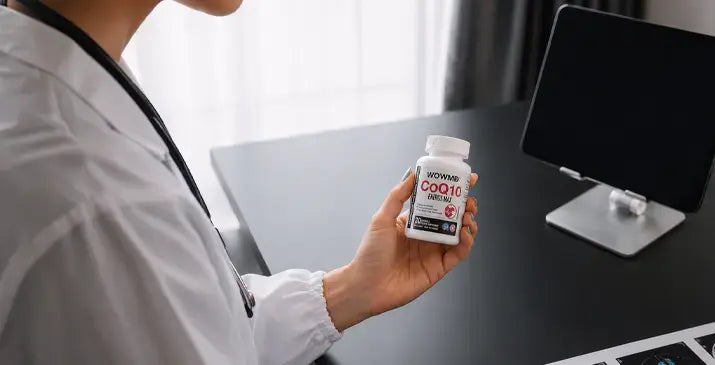
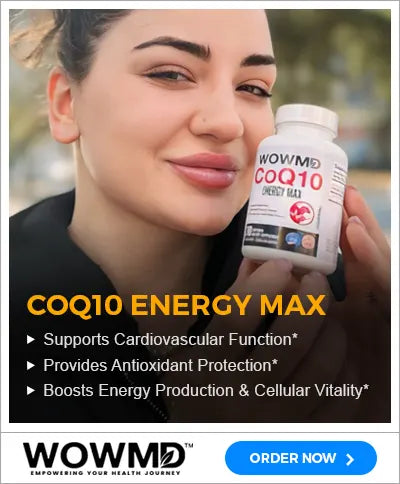
Each plant-based capsule delivers 200 mg of Coenzyme Q10, a compound cells rely on to generate energy. CoQ10 also works as an antioxidant, helping protect cells from oxidative stress, and it lends support to cardiovascular function and physical endurance. The single-capsule serving keeps the routine simple for anyone who wants daily energy support without adding another powder or drink to the morning.
Things to Consider:
CoQ10 is fat soluble, so pairing the capsule with a meal helps your body absorb it. If you take blood thinners, blood pressure medication, or statins, a quick check with your doctor will confirm it fits alongside your current routine.
Customer Testimonial:
I started taking CoQ10 Energy Max because I often felt drained by midafternoon. After several weeks of consistent use, I noticed steadier energy and better stamina during busy workdays. The single-capsule serving is convenient, and I appreciate that it does not contain artificial additives. –Megan Carter

Pros
- Provides D-ribose and acetyl L-carnitine
- Contains antioxidant-rich superfruit extracts
- Free from caffeine and added sugar
- Independently tested by a third-party laboratory
- Backed by a 90-day guarantee
Cons
- Requires mixing with water
- Sweetened with stevia
- Product-specific rating is not displayed
Form: Powder | Dosage: 1 scoop mixed with 8 to 10 ounces of cold water | Servings per container: 30 | Price: $74.95 per jar | Third-party tested: Yes
Key Ingredients:
D-Ribose, Acetyl L-Carnitine, Hibiscus Extract, Beetroot Extract, Goji Berry, Pomegranate, Amla, Acai, Schisandra, and other polyphenol-rich fruit extracts
Description:
Gundry MD Energy Renew pairs D-ribose with acetyl L-carnitine in a caffeine-free powder. D-ribose feeds ATP production, while acetyl L-carnitine supports mitochondrial activity and cellular metabolism. Rounding out the formula is a polyphenol blend drawn from hibiscus, beetroot, goji berry, pomegranate, amla, and acai. The result is steady energy support across the workday, without the stimulants that drive most energy drinks.
Things to Consider:
The powder dissolves best in cold water, and daily consistency gives the formula the best chance to show results. Stevia, natural flavor, and maltodextrin are part of the blend, which is useful to know if you follow a specific eating plan.
Customer Testimonial:
Energy Renew has become an easy part of my morning routine. I mix one scoop with cold water before work, and the flavor is refreshing. It gives me a smooth lift in energy, and I do not experience the jittery feeling I get from coffee. –Jason Miller

Pros
- Provides 20 billion CFUs per serving
- Contains 10 probiotic strains
- Includes prebiotic fiber and digestive enzymes
- Shelf-stable with no refrigeration required
- Gluten-free, soy-free, and dairy-free
Cons
- Requires three capsules daily
- Formulated specifically for men
- Third-party testing is not clearly disclosed
Form: Capsules | Dosage: 3 capsules daily with water | Servings per container: 30 | Price: $64.99 per bottle | Third-party tested: No
Key Ingredients:
Saccharomyces boulardii, Lactobacillus casei, L. rhamnosus, L. plantarum, L. acidophilus, L. paracasei, L. fermentum, Bifidobacterium longum, B. breve, B. bifidum, Chicory Root Fiber, Digestive Enzymes, and Vitamin D
Description:
Ten probiotic strains supply 20 billion CFUs per serving here, alongside prebiotic chicory root fiber, digestive enzymes, and vitamin D. The formula is built around men's digestive comfort and microbiome balance, with follow-on support for the gut-brain connection that shapes focus, mood, and afternoon energy. Capsules are shelf-stable, so no refrigeration is needed, and the blend is free from gluten, soy, and dairy.
Things to Consider:
Give your system a few days to settle in when starting any new probiotic, since that adjustment period is normal. Taking the three capsules alongside a meal makes the serving easy to fold into a routine you already keep.
Customer Testimonial:
Biotics 8 has made a noticeable difference in how I feel throughout the day. My digestion feels more comfortable, I experience less bloating after meals, and my morning energy has improved. The capsules are easy to take, and I like that they require no refrigeration. –Ryan Thompson

Pros
- Combines eight wellness-support blends
- Provides 10 billion CFUs per serving
- Contains four grams of prebiotic fiber
- Includes greens, antioxidants, and adaptogens
- Vegan and free from artificial colors
Cons
- Higher price per jar
- Must be refrigerated after opening
- Some ingredient amounts are grouped into blends
Form: Powder | Dosage: 1 scoop mixed with 8 ounces of water | Servings per container: 30 | Price: $79 per jar | Third-party tested: No
Key Ingredients:
Organic Tapioca Fiber, Cinnamon Bark, Spinach, Broccoli, Kale, Mulberry Leaf, Barley Grass, Berberine HCl, Green Tea Extract, Ginger, Turmeric, Bitter Melon, Rhodiola, Astragalus, Milk Thistle, Aloe Vera, and a 10-billion-CFU Probiotic Blend
Description:
What sets Morning Complete apart is its scope: eight blends in a single scoop, covering prebiotic fiber, probiotics, greens, antioxidants, adaptogens, and plant extracts. Every serving carries four grams of fiber and 10 billion CFUs at the time of manufacture. Together they support digestion, daily energy, metabolic wellness, and blood sugar already within a normal range.
Things to Consider:
Mix the scoop into cool or room-temperature water rather than a hot drink, since warmth can reduce probiotic viability. Aloe vera is part of the blend, so starting with the standard serving lets you see how your digestion responds before making it a daily habit.
Customer Testimonial:
I have used Morning Complete every morning for about two months. The Apple Cinnamon flavor is pleasant and mixes easily with water. I feel less sluggish after breakfast, my digestion seems more regular, and the daily scoop has become a simple habit I can maintain. –Lauren Mitchell

Pros
- Provides pure creatine monohydrate
- Supports ATP recycling and cellular energy
- Requires no measuring or powder mixing
- Banned-substance tested
- Keto-friendly and gluten-free
Cons
- Full label directions require several capsules daily
- Primarily designed for active individuals
- Amazon pricing and availability may change
Form: Capsules | Dosage: 2 capsules per serving; follow the complete label directions | Servings per container: 50 | Price: From $19.99 for 100 capsules | Third-party tested: Yes, banned-substance tested through the Informed Choice program
Key Ingredients:
Micronized Creatine Monohydrate, 2.5 g per serving
Description:
Creatine in capsule form solves a practical problem. Each two-capsule serving provides 2.5 grams of micronized creatine monohydrate with no scooping, measuring, or clumping involved. Creatine supports ATP recycling, muscle power, training capacity, and recovery during demanding physical activity. Batches also go through banned-substance testing under the Informed Choice program, which matters for anyone competing in tested sport.
Things to Consider:
Full label directions call for two capsules with morning, afternoon, and evening meals, so tying each serving to a meal keeps the schedule simple. Staying well hydrated helps your body make use of creatine, and the directions printed on your bottle are the ones to follow.
Customer Testimonial:
These creatine capsules are easier than measuring and mixing powder every day. I take them consistently with meals and have noticed better workout endurance with less fatigue during demanding sessions. They are convenient, portable, and have not caused any stomach discomfort. –Brandon Walker
Comparison Table
| Product Name | WOWMD CoQ10 Energy Max | Gundry MD Energy Renew | Biotics 8 | ActivatedYou Morning Complete | Optimum Nutrition Micronized Creatine Monohydrate |
|---|---|---|---|---|---|
| Third-Party Tested | Yes | Yes | No | No | Yes |
| Highlights | 200 mg CoQ10, cellular energy, cardiovascular and antioxidant support | D-ribose, acetyl L-carnitine, polyphenols, caffeine-free energy support | 20 billion CFUs, 10 probiotic strains, digestive enzymes, vitamin D | Prebiotics, 10 billion CFUs, greens, antioxidants, adaptogens, and metabolic support | 2.5 g creatine, ATP support, strength, performance, and recovery |
| Customer Rating | 4.8/5 | 4.6/5 | 4.6/5 | 4.3/5 | 4.0/5 |
| Return Policy | 60-day guarantee | 90-day money-back guarantee | 60-day money-back guarantee | 90-day money-back guarantee | Amazon or individual seller return policy applies |
| Shipping | Free U.S. shipping on orders over $60 | Free U.S. shipping on orders of $49 or more | Free shipping on orders over $84.99; U.S. and U.K. delivery generally within five business days | Free U.S. shipping on orders of $50 or more | Availability, delivery charges, and eligibility vary by seller and location |
When To Take Supplements For Low Energy At Work
Timing changes how much benefit you get from energy supplements. Stimulating options like caffeine, green tea, and ginseng belong in the morning or early afternoon, since taking them late can interfere with sleep.
CoQ10 is fat-soluble, so pair it with a meal for better absorption. Iron absorbs best on an empty stomach alongside a source of vitamin C, while magnesium and melatonin suit the evening because they support the rest your next workday depends on.
B vitamins fit into breakfast. Consistency matters more than the exact hour; most people notice steadier energy after a few weeks of daily use.
Advertisement

How To Choose The Best Supplements?
Start with the kind of tiredness you have. Stress-driven exhaustion responds to adaptogens like ashwagandha and ginseng, while sluggishness tied to diet gaps calls for B12, iron, or magnesium. From there, read the label.
Clinically studied dosages, full ingredient transparency, and third-party testing separate a serious formula from clever packaging, and proprietary blends that hide amounts are worth skipping. Consider format too, since a single daily capsule is easier to stick with than a powder you have to mix. Finally, check the return policy. A money-back guarantee gives you room to test the best supplements for low energy at work.
What does an expert say about choosing a supplement?
Steph Ley, Workplace Nutritionist, says, "When evaluating energy supplements, consumers should watch out for blends that hide low dosages behind fancy branding. Look for full ingredient transparency, clinically backed dosages, and third-party testing to ensure purity. An important thing to be aware of when choosing supplements for energy is to avoid supplements overloaded with synthetic caffeine. This can mask fatigue with a spike in cortisol and adrenaline, leading to an inevitable afternoon crash rather than sustained cellular energy."
Best Ingredients In Supplements To Boost Energy At Work
CoQ10
Feeling sluggish mid-morning? CoQ10 can give your cells the energy they need. Coenzyme Q10 (CoQ10) is a powerful antioxidant that plays a key role in cellular energy production. It is found naturally in the body, and according to a 2024 study (Ref), helps mitochondria generate adenosine triphosphate (ATP), the primary fuel for energy.
Low CoQ10 levels can lead to fatigue, so supplementation is essential if you need an energy boost.
Magnesium
Feeling tired in the afternoon? Try magnesium to boost ATP naturally. Magnesium is essential for over 300 biochemical reactions in the body, many of which involve energy production (Ref).
A magnesium deficiency can manifest as fatigue, muscle weakness, or difficulty concentrating, making it one of the best vitamins for energy and tiredness. It supports ATP creation, stabilizing energy levels throughout the day.
According to Ben Frederick, MD, "CoQ10 and magnesium are two I'd highlight because they support cellular energy production directly, and I wasn't getting enough magnesium from food alone. Ashwagandha and ginseng can help with stress-driven fatigue, and I found they work best as a second layer once deficiencies are addressed."
Iron
Always feeling drained? Iron could be the key to better energy levels. Iron plays a crucial role in oxygen transportation by helping the body produce hemoglobin, which carries oxygen throughout the body (Ref). Insufficient iron levels can lead to iron-deficiency anemia, a common cause of extreme tiredness.
Iron is one of the best vitamins for energy for women, particularly those of reproductive age, due to their higher risk of deficiency. Taking iron supplements effectively combats fatigue and boosts energy levels when dietary intake from sources like red meat or spinach isn’t sufficient.
Ashwagandha
Stressed and low on energy? Ashwagandha can help you feel rejuvenated. Ashwagandha, a renowned adaptogenic herb from Ayurvedic medicine, is a natural stress-reliever.
A 2023 study shows that ashwagandha enhances stamina and mental clarity (Ref). Available in capsule, tea, and powder forms, this herb is especially popular among those searching for good energy supplements rooted in nature.
Creatine
Struggling to focus on that afternoon project? Creatine helps fuel your brain. Typically associated with athletes, creatine is an underrated ally for mental energy as well. According to a 2019 study, it helps replenish ATP, ensuring your cells have the fuel they need for bursts of both physical and cognitive effort (Ref).
For office workers struggling with tight deadlines or intense brainstorming sessions, creatine is one of the best supplements for low energy at work.
Vitamin C
Feeling run down? Vitamin C can help your body convert fat into energy. You know Vitamin C for its immune-boosting properties, but its role in energy metabolism is equally significant (Ref). It helps convert fat into energy by supporting carnitine synthesis.
Additionally, vitamin C combats oxidative stress, which can drain your energy over time. A diet filled with oranges or bell peppers provides a rich supply, but supplements ensure consistent intake.
Ginseng
Need a natural pick-me-up? Ginseng can boost both physical and mental energy. Ginseng has been used for centuries to combat fatigue and improve alertness (Ref). It’s packed with active compounds called ginsenosides, and provides both mental and physical energy.
Unlike caffeine-based solutions, ginseng offers a gradual and steady boost without the midday crash. Whether you choose it in tea, capsules, or powdered form, ginseng enhances endurance while reducing stress.
Vitamin D
Struggling with afternoon fatigue? Vitamin D might be the missing piece. Known as the ‘sunshine vitamin’, vitamin D maintains strong bones but also plays a key role in energy regulation (Ref). A deficiency in this vitamin often results in fatigue, especially for those spending their workdays indoors.
Vitamin D supplements offer an effective way to mitigate tiredness, keeping focus sharp and energy constant. It’s also considered one of the best vitamins for energy for women.
B vitamins - Vitamin B Complex and Vitamin B12
Feeling foggy and drained? B vitamins can help fuel your body’s energy needs. B vitamins are essential for converting the food you eat into usable energy (Ref). Vitamin B12 stands out, preventing fatigue by supporting red blood cell production and maintaining brain and nerve health.
Vegans and vegetarians, often deficient in B12, especially stand to gain from supplementation. These vitamins provide a quick, reliable lift to your focus and stamina.
Folic acid
Struggling to concentrate? Folic acid can improve brain function and energy. Folic acid, a form of vitamin B9, is critical for red blood cell production and tissue growth.
A deficiency can cause fatigue and mental fog. It works synergistically with B12, enhancing its effects and ensuring optimal brain function.
Caffeine
Need a quick pick-me-up? Caffeine can give you the boost you need. Caffeine is the go-to energy booster for a reason (Ref). It blocks adenosine, a brain chemical that promotes sleepiness, quickly sharpening your focus and improving alertness.
While coffee and tea are the most common sources, controlled doses through supplements avoid overconsumption.
Advertisement


Omega 3
Feeling mentally drained? Omega-3s help improve focus and boost energy. Omega-3 fatty acids improve brain function and mood, perfect for work-related fatigue (Ref). These healthy fats improve circulation and reduce inflammation, indirectly supporting energy levels.
Omega-3s, found in fatty fish or supplements, help you stay mentally sharp and physically resilient throughout your day.
Green tea
Want steady energy throughout the day? Green tea gives you calm, sustained focus. Green tea is a natural blend of caffeine and L-theanine, delivering a calm yet focused type of energy (Ref). Its antioxidants counteract oxidative stress, a key contributor to low energy.
Melatonin
Can’t seem to recharge? Melatonin might help you get the restful sleep you need. Although melatonin is primarily known as a sleep aid, it’s crucial for establishing restorative rest (Ref). Poor sleep drains energy reserves, leaving you unfocused and tired.
Melatonin regulates your sleep cycles, ensuring you wake up refreshed, ready to tackle the demands of your workday.
Ginkgo biloba
Losing focus? Ginkgo biloba can help boost your brain’s alertness. Ginkgo biloba improves blood flow to the brain, enhancing alertness and reducing mental fatigue (Ref).
This traditional herbal remedy treats energy slumps by improving oxygen delivery, a great supplement for tackling low energy at work.
Maca
Low on energy? Maca might help you power through the day. Maca (Lepidium meyenii) is a plant grown in Peru, valued mainly for its potential to support energy.
A 2024 review reported that supplements and products made with Maca root may raise energy levels, improve athletic performance, and ease anxiety (Ref).
Ribose
Feeling drained? Ribose works at the cellular level to help. Ribose is a compound your body uses to make energy in the form of ATP.
Taking ribose can meaningfully lift your energy levels. In one study, ribose was given both orally and intravenously to treat people dealing with chronic fatigue syndrome (Ref). That said, only a handful of studies have looked at its effects in humans. Adults typically take between 5 and 15 grams of ribose a day, usually split into smaller doses. You'll also find it in meat, cheddar cheese, and mushrooms.
Quercetin
Running on empty? Quercetin may help keep your energy steady. Quercetin is another compound tied to energy metabolism. It turns up in vegetables, fruits, tea, and wine.
In one study, taking 500 milligrams of quercetin a day for two months lowered symptoms of chronic fatigue (Ref).
Check out the video below for a comprehensive overview of WOWMD Essential Supplements—the best supplements for boosting low energy at work and supporting your family's health and wellness.
Precautions And Safety Measures
Supplements support your routine; they do not replace medical care. Persistent fatigue can point to thyroid issues, anemia, sleep apnea, or other conditions that deserve a proper diagnosis, so speak with a healthcare provider before assuming a deficiency. Stick to label doses.
Iron in particular should only be supplemented after testing confirms low levels. Anyone taking blood thinners, blood pressure medication, statins, or antidepressants should check for interactions first, and the same applies during pregnancy or breastfeeding. Watch your total caffeine intake across coffee, tea, and capsules. Introduce one product at a time so you can tell what is working.
Advertisement


Conclusion
So, still feeling drained and ready for a change? From CoQ10 to vitamin B12, we’ve seen how the right supplements can transform your energy levels, sharpen your focus, and help you conquer workday fatigue. Each option, whether it’s magnesium for stress relief or ginseng for sustained focus, offers a targeted solution to feeling your best.
But if you're searching for an all-in-one answer, the WOWMD Stress + Energy + Wellness Combo stands out. It pairs the calming power of Ashwagandha with the energy-boosting benefits of B-12 Complex Liquid for a seamless balance of vitality and relaxation. Try it today!
FAQs
Meet The Experts
- Steph Ley , BANT-Registered Nutritionist | Workplace Nutritionist
- Dr. Ben Frederick , MD, Physician
Our Top Picks

CoQ10 Energy Max

MgBalance Magnesium Powder

VitaSun Vitamin K2+D3

References
WOWMD follows strict sourcing guidelines to ensure the accuracy of its content, outlined in our editorial policy. We use only trustworthy sources, including peer-reviewed studies, qualified experts, and information from top institutions.


- Coenzyme Q10: https://pubmed.ncbi.nlm.nih.gov/30285386/
- Magnesium and Human Health: Perspectives and Research Directions: https://doi.org/10.1155/2018/9041694
- Review on iron and its importance for human health: https://pmc.ncbi.nlm.nih.gov/articles/PMC3999603/
- Ashwagandha (Withania somnifera)—Current Research on the Health-Promoting Activities: A Narrative Review: https://doi.org/10.3390/pharmaceutics15041057
- Effects of creatine supplementation on cognitive function of healthy individuals: A systematic review of randomized controlled trials: https://doi.org/10.1016/j.exger.2018.04.013
- Vitamin C in Disease Prevention and Cure: An Overview: https://doi.org/10.1007/s12291-013-0375-3
- Ginseng for the Treatment of Chronic Fatigue Syndrome: A Systematic Review of Clinical Studies: https://doi.org/10.1177/2164957X221079790
- The Role of Vitamin D in Health and Disease: A Narrative Review on the Mechanisms Linking Vitamin D with Disease and the Effects of Supplementation: https://doi.org/10.1007/s40265-023-01875-8
- B Vitamins: Functions and Uses in Medicine: https://doi.org/10.7812/TPP/21.204
- Effects of Omega-3 Polyunsaturated Fatty Acids on Brain Functions: A Systematic Review: https://doi.org/10.7759/cureus.30091
- Beneficial effects of green tea: A literature review: https://doi.org/10.1186/1749-8546-5-13
- Melatonin, energy metabolism, and obesity: a review: https://doi.org/10.1111/jpi.12137
- Ginkgo biloba extract improves cognitive function and increases neurogenesis by reducing Aβ pathology in 5×FAD mice: https://pmc.ncbi.nlm.nih.gov/articles/PMC8014356/
- Exploring the chemical and pharmacological variability of Lepidium meyenii: a comprehensive review of the effects of maca: https://pmc.ncbi.nlm.nih.gov/articles/PMC10910417/
- Understanding D-Ribose and Mitochondrial Function: https://journals.aiac.org.au/index.php/ABCMED/article/view/4131
- Two-month period of 500 mg lecithin-based delivery form of quercetin daily dietary supplementation counterbalances chronic fatigue symptoms: A double-blind placebo controlled clinical trial: https://www.sciencedirect.com/science/article/pii/S0753332223012519?via%3Dihub