

Iron Benefits: What Iron Does for Your Body
Discover the benefits of iron for energy, brain, immunity, hair, and skin. Learn about iron-rich foods, daily needs, and safe intake.
 By WOWMD Staff

 Fact Checked
Advertiser Disclosure: WOWMD independently vets all recommended products. If you purchase a featured product, we may be compensated. Learn why you can trust us.

Iron is an essential mineral in the body; it is important for different functions like red blood cells, supply of oxygen to the body organs, and hormone synthesis. Iron benefits for the skin are collagen synthesis, wound healing and ensuring the skin stays nourished.
Other iron benefits include sleep improvement and support for the immune system. Iron deficiency in the body can lead to different health problems like fatigue, pale skin, shortness of breath, dizziness, headache, and many more.
Hence, a need to maintain the required level of iron in the body. Some sources of iron include Eggs, salmon, tuna, dark leafy greens, and many more. Another way to maintain the required level of iron in your body is by using iron supplements.
Regardless of how you choose to increase iron intake, the goal is to ensure it is not too low or high. This article will explore why iron is important for the human body.
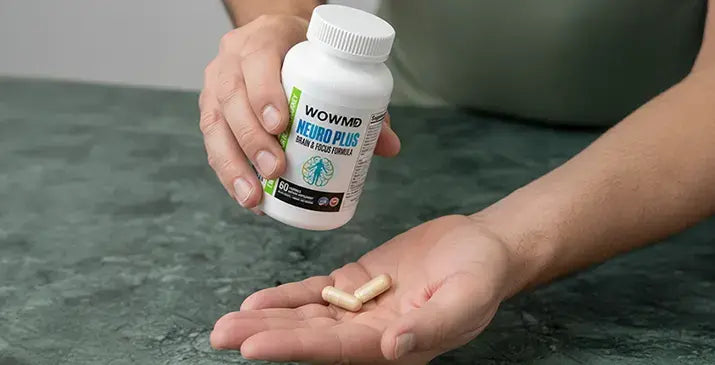
Boost Focus Now! Try WOWMD Neuro Plus for sharper clarity. Shop now!
TL;DR
- Iron supports brain function, immunity, and skin health.
- Deficiency causes fatigue, pale skin, and weakened immunity.
- Heme iron is better absorbed than non-heme iron.
- Balance iron intake to avoid deficiency or excess.
- Iron boosts hair growth, energy, and skin nourishment.
What are the Benefits of Iron
 Benefits of Iron
1. Aids Brain health
The brain requires enough oxygen-rich blood to function optimally. One of the iron benefits for the body is oxygen transportation and neurotransmitter synthesis[1].
This means that when you are able to regulate and maintain the necessary balance of iron in the body, it will have a positive effect on the brain's physiological functions.
In this video, our valued customer shares her experience with WOWMD Neuro Plus Brain & Focus Formula, highlighting how the supplement has improved her mental clarity, enhanced focus, and supported overall brain function.
2. May Help Boost Immunity
One of the essential nutrients that help ensure you are able to be healthy and active daily is iron. Since it helps with oxygen transportation, less iron means less oxygen in your body system. Iron deficiency will further affect other body functions, including the immune system.
According to research published in the National Library of Medicine, iron deficiency and excess can affect the functions of your immune system[2].
3. Support Healthier Hair
Iron helps the body produce hemoglobin, a protein responsible for transporting oxygen to your body cells[3]. Part of the body cells are the ones responsible for hair growth.
One of the benefits of iron on the hair is the improved growth, as long as you are able to maintain the level of iron in the body.
In addition, iron supplements for females ensure they don't have to deal with hair loss. A study conducted on 210 patients to investigate the relationship between iron and hair loss suggested that iron may play some role in the premenopausal female pattern of hair loss[4].
Iron is vital for healthy skin, hair, and nails. Deficiency can lead to pale skin, brittle nails, and thinning hair. The video here explains how to boost iron levels with diet and supplements.
Advertisement


4. May Help Reduce Fatigue
One of the iron benefits for males is the supply of energy, especially in active males. Iron ensures a supply of oxygen around the body, and the body uses the oxygen for energy to help ensure you don’t feel fatigued.
A study concluded that iron supplementation helps improve mood, stress, and fatigue in nonanemic endurance athletes[5].
Did You Know?
- Iron aids in collagen synthesis for healthy skin.
- It boosts brain function and oxygen delivery to cells.
- Women need more iron than men, especially during menstruation.
- Heme iron from meat is more easily absorbed than plant-based non-heme iron.
Comparison Table
| Health Aspect | Benefit/Function of Iron | Effect of Iron Deficiency/Imbalance |
|---|---|---|
| Immunity | Essential nutrient; helps with oxygen transportation. | It can affect immune system function (deficiency or excess). |
| Hair | Helps produce hemoglobin to transport oxygen to cells for hair growth. | It can lead to thinning hair and may play a role in premenopausal female pattern hair loss. |
| Energy/Fatigue | Ensures the supply of oxygen around the body, which is used for energy (reduced fatigue). | Leads to fatigue due to less oxygen in the body system. |
| Skin/Nails | Vital for healthy skin and nails. | It can lead to pale skin and brittle nails. |
Iron Nutritional Facts
Although iron is mostly found in the hemoglobin, it is also found in every cell in the body[6].
Women require more iron intake than men. Women between 19 and 50 need a daily dose of 18mg, while men in the same age range, 19 and older, only require 8mg per day.
Women eating plant-based diets tend to consume more iron, but have higher rates of iron deficiency anemia, as non-heme iron, mostly found in plants, is not as well absorbed as heme-iron, found in meat products[7].
Iron-deficiency anemia is the most common nutrient deficiency in the world[8].
Stephanie Weinberg Levin, M.D., a psychiatrist at Michigan Medicine and the VA Ann Arbor Healthcare System, says, "Iron is the most common nutrient deficiency and can have a big impact. You can be iron-deficient without having anemia, but many mental health care providers aren’t aware that iron deficiency by itself has been linked to worse symptoms or that supplementation has been linked to improved symptoms. But there is evidence there."
Recommended Daily Iron Dosage
While iron is important to the body, you need to ensure it is not deficient and also not in excess. How much iron per day depends on your age and sex. The National Institutes of Health recommends daily allowances for iron[9].
| Age | Male | Female | Pregnancy | Lactation |
|---|---|---|---|---|
| Birth to 6 months | 0.27 mg* | 0.27 mg* | - | - |
| 7–12 months | 11 mg | 11 mg | - | - |
| 1–3 years | 7 mg | 7 mg | - | - |
| 4–8 years | 10 mg | 10 mg | - | - |
| 9–13 years | 8 mg | 8 mg | - | - |
| 14–18 years | 11 mg | 15 mg | 27 mg | 10 mg |
| 19–50 years | 8 mg | 18 mg | 27 mg | 9 mg |
| 51+ years | 8 mg | 8 mg | - | - |
List of Iron-Rich Foods
 List of Iron-Rich Food
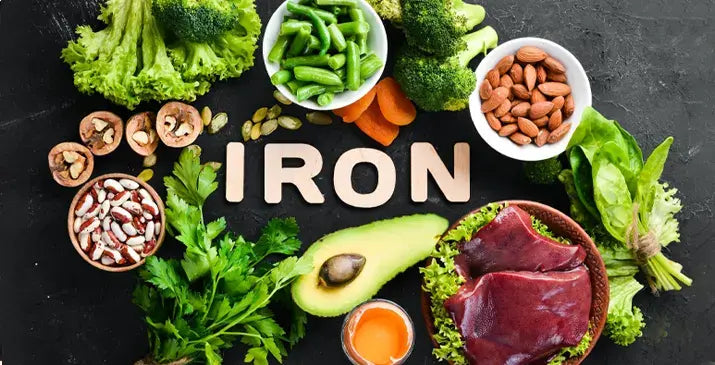
There are different forms of iron: heme and non-heme. Heme iron is present in fish, poultry, and meat. Examples of heme iron-rich foods are:
- Beef
- Lamb
- Ham
- Turkey
- Chicken
- Oyster
- Clam
- Canned light tuna
- Pork, and many more.
On the other hand, non-heme iron is present in plant-based foods like fruits, nuts, and vegetables. Examples of non-heme foods are[10]:
- Strawberries
- Watermelon
- Raisins
- Spinach
- Sweet potatoes
- Dark chocolate
- Enriched rice or bread
- Kale, and many more.
Is Iron Safe?
Iron is important for many people, especially when their body needs extra support. But too much iron can be harmful. If your iron levels are already good, taking extra iron may cause problems like oxidative stress, which can harm your cells.
Taking too much iron can also lead to iron poisoning, which is serious and even life-threatening. That’s why it’s always a good idea to check with a healthcare provider before starting an iron supplement.
Advertisement


Side Effects of Iron
Iron supplements are helpful for many people, but they can come with some side effects. Here are a few common ones:
- Constipation
- Nausea
- Diarrhea
- Vomiting
- Dark-colored stools
Some types of iron are more likely to cause these issues. For example, ferrous sulfate, a commonly used form, can cause constipation and nausea more often than other forms like iron bisglycinate.
Taking too much iron, especially in high doses or every day, can increase the chances of experiencing these side effects.
If you feel uncomfortable, it’s a good idea to talk to your healthcare provider. They may suggest a different form of iron or adjusting the amount you take. In some cases, taking iron less often could help.
Very high levels of iron can cause serious problems, such as heart issues and kidney damage. Always follow the recommended dosage and check with your healthcare provider if you're concerned.
What To Look For
When buying an iron supplement, choose trusted brands that follow strict safety rules. Look for products that are certified by organizations like the U.S. Pharmacopeia or NSF International, which ensure the supplements are safe and effective.
Pick a supplement that works best for you. If you have trouble swallowing pills, you can try liquid or powder forms.
Unless a doctor says otherwise, avoid taking high-dose iron, as it’s not needed for most people. Always choose quality, ease, and the right amount when picking your iron supplement.
User Testimonial
- “Mental clarity and mood are better since I started. It’s not a stimulant, but it works. Sticking with it!” —Pamela P., Verified Reviewer ★★★★☆
- “My focus and memory have improved a lot. I feel sharper and less stressed. Keeping this as part of my daily routine.”—Lisa M., Verified Reviewer ★★★★★
- “These capsules improve my focus and keep me sharp all day.”—Justin R., Verified Reviewer ★★★★★
Advertisement


Iron Checklist for Buyers
- Ensure you consume adequate iron from food or supplements.
- Balance iron levels to avoid both deficiency and excess.
- Women and pregnant individuals need higher iron intake.
- Choose a combination of heme and non-heme iron-rich foods.
Conclusion
Iron is as important as oxygen in the body system. This is because iron is responsible for transporting oxygen to all body cells. Therefore, an iron deficiency means certain body cells might not be able to get the required level of oxygen to function properly.
To ensure the body functions properly, there is a need to maintain the level of iron in the body. You can do this by eating iron-rich foods or taking iron supplements that are created to help ensure adequate levels of iron in the body.
Stay Sharp! Enhance brain power with Neuro Plus. Get yours today!
FAQs
This article is for informational purposes only and is not a substitute for professional medical advice, diagnosis, or treatment. Statements made on this website have not been evaluated by the U.S. Food and Drug Administration. Always consult a qualified healthcare professional before making changes to your diet, supplements, medications, or healthcare routine.
Our Top Picks

Neuro Plus Brain & Focus Formula

Sea Moss Complex

VitaSun Vitamin K2+D3

References
WOWMD follows strict sourcing guidelines to ensure the accuracy of its content, outlined in our editorial policy. We use only trustworthy sources, including peer-reviewed studies, qualified experts, and information from top institutions.


- The role of iron in the skin and cutaneous wound healing: https://www.frontiersin.org/journals/pharmacology/articles/10.3389/fphar.2014.00156/full
- The role of iron in brain ageing and neurodegenerative disorders: https://pmc.ncbi.nlm.nih.gov/articles/PMC5672917/
- Iron and immunity: immunological consequences of iron deficiency and overload: https://pmc.ncbi.nlm.nih.gov/articles/PMC3173740/
- Dietary Iron: https://www.ncbi.nlm.nih.gov/books/NBK540969/
- Iron Plays a Certain Role in Patterned Hair Loss: https://pmc.ncbi.nlm.nih.gov/articles/PMC3678013/
- Influence of iron supplementation on fatigue, mood states and sweating profiles of healthy non-anemic athletes during a training exercise: A double-blind, randomized, placebo-controlled, parallel-group study: https://pmc.ncbi.nlm.nih.gov/articles/PMC9932653/
- Iron Facts: https://healthpromotion.uga.edu/nutrition/iron/
- Iron: https://nutritionfacts.org/topics/iron/
- Iron: https://nutritionsource.hsph.harvard.edu/iron/
- iron: https://ods.od.nih.gov/factsheets/Iron-HealthProfessional/
- Iron Rich Foods: https://www.redcrossblood.org/donate-blood/blood-donation-process/before-during-after/iron-blood-donation/iron-rich-foods.html