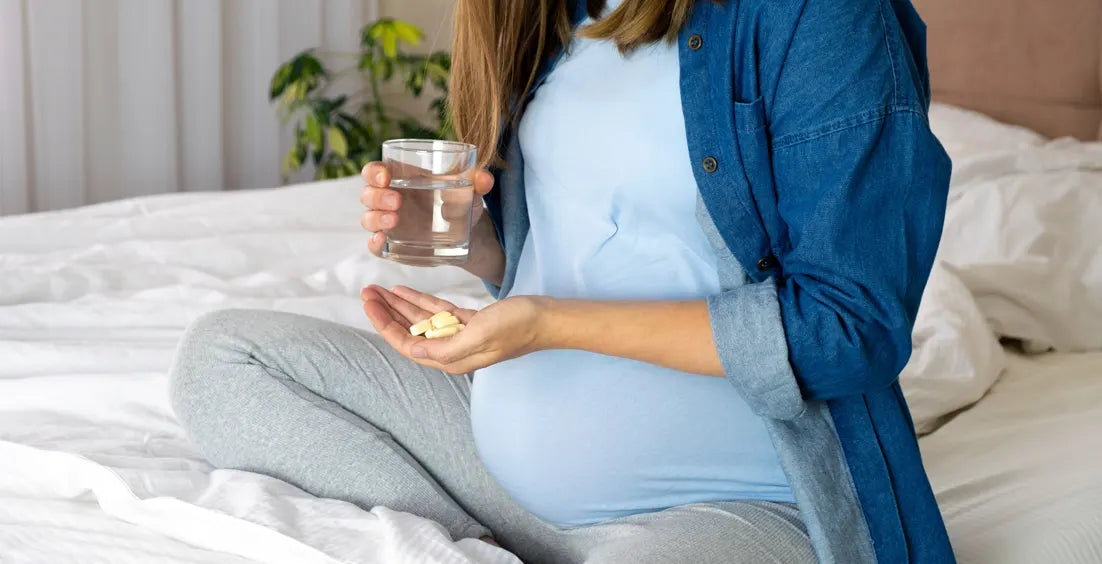


Iron Supplements for Women: What You Need To Know
Everything women should know about iron: what it does in the body, the symptoms of running low, recommended daily amounts, supplement types, and the smartest time to take one.
 By WOWMD Staff

 Fact Checked
Advertiser Disclosure: WOWMD independently vets all recommended products. If you purchase a featured product, we may be compensated. Learn why you can trust us.
Table of contents
- What Does Iron Do for A Woman’s Body
- Why Women Need More Iron?
- Signs of Iron Deficiency
- Benefits of Iron Supplements
- Types of Iron Supplements
- How Can Iron Absorption Be Improved?
- How Much Iron Per Day for a Woman?
- Iron Rich Foods
- How to Take Iron ?
- Who Should Test / When?
- Checklist for Buyers
- Conclusion
- FAQs

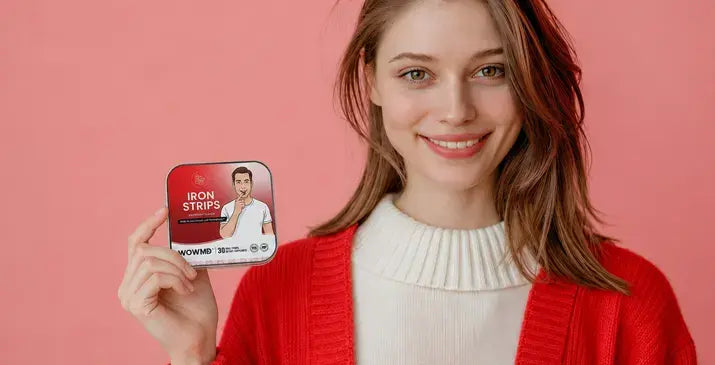
Persistent fatigue, hair thinning, and low energy are among the most common complaints women bring to their doctors. Low iron is one of the most frequently overlooked causes.
Iron plays an important role in human health. It is a mineral that is imperative to normal human growth and development. It also regulates the uptake of oxygen in blood cells and may be responsible for getting oxygen to your muscles [Ref].
Iron deficiency can cause fatigue, a compromised immune response, and even a poor outlook. Proper iron levels become even more important for women as hormone fluctuations brought on by menstruation and pregnancy can severely diminish iron levels.
With that said, it is very important for women to keep an eye on their iron levels and to take measures to boost their iron intake if they are at risk of deficiency. In the following article, we will discuss the roles iron plays in women's health.
TL;DR
- Iron is an essential mineral behind hemoglobin production, oxygen transport, energy metabolism, cognition, and immune function.
- Iron deficiency in women is common due to menstruation and pregnancy, showing up as fatigue, pale skin, brittle nails, hair thinning, and brain fog.
- Correcting low iron supports steadier energy, sharper focus, healthier hair growth, and stronger immune response.
- Daily iron needs shift by life stage: 18 mg for women 19 to 50, 27 mg in pregnancy, 9 to 10 mg while breastfeeding, and 8 mg after 51.
- Iron supplements work best taken in the morning with vitamin C, away from calcium, coffee, and tea, and always within your doctor's recommended dose.
What Does Iron Do for A Woman’s Body
Iron helps your body build hemoglobin, the protein in red blood cells that carries oxygen from your lungs to every tissue you have. It also feeds myoglobin in your muscles, supports energy production inside your cells, and keeps immune cells working the way they should. Your body stores the extra as ferritin, which is the reserve it pulls from when intake drops.
Women typically need more iron than men because iron deficiency can be caused by menstrual bleeding and hormone shifts during pregnancy. Iron plays a role in a healthy pregnancy as well.
That's because a growing fetus demands more resources, such as iron and oxygen, to develop properly. Iron also plays a role in hair resilience, which is why some iron-deficient women experience more severe hair loss.
Iron deficiency may also cause chronic fatigue, which is why it has been purported that this mineral is especially important for women during their reproductive and developmental years.
Proper iron levels can ensure adequate physical and mental energy during these crucial phases of a woman's life.
Your body stores iron as ferritin. Low ferritin can cause fatigue, brain fog, and poor exercise tolerance, even when hemoglobin is still technically within the normal range. That is why testing both markers matters, not just one [Ref].
Advertisement


Why Do Women Need More Iron?
Adult women typically need more iron than men because the menstrual cycle can be particularly draining on a woman’s iron levels. Plus, the fatigue that is naturally caused by hormonal shifts can be exacerbated due to low iron levels in women.
Iron also plays a role in many basic and vital processes regarding women's health, including:
- Red Blood Cell Production: Iron is needed to produce hemoglobin, the key protein that makes up healthy red blood cells.
- Oxygen Transportation: Iron also ensures proper oxygen uptake by blood cells, helping deliver oxygen to the muscles and other bodily tissues.
- Energy Metabolism: Too little iron can inhibit mitochondrial function, which may result in limited energy expenditure [Ref].
- Cognitive Function: Iron supports neurotransmitter synthesis and neurological development. Research shows that iron deficiency can impair brain function and contribute to cognitive challenges, including brain fog and difficulty concentrating, especially among women of reproductive age [Ref].
- Immune Function: Another of the iron benefits for females is that affects immune function. Some medical authorities believe that iron is essential for the development of immune cells and therefore pivotal for immune response.
The Benefits of Iron Supplements for Women
 Benefits of Iron For Women
As with most supplementation, there is a time and place for it. Supplementation is a practical option when:
- Ferritin falls below 30 ng/mL
- Dietary intake cannot meet demand, such as during heavy menstruation, pregnancy, or with a vegan diet
- A clinician has confirmed iron deficiency anemia.
Clinical evidence shows that iron supplementation can reduce fatigue scores in iron-deficient women within as little as 4 weeks and restore hemoglobin in iron-deficiency anemia within 8–12 weeks. The key is to use tothe right form and dose for your situation.
If it is difficult to get enough iron in the diet, or if an individual's iron deficiency is so severe, then supplementation can be helpful. There are a handful of different types of supplementation — ferrous sulfate, ferrous gluconate, ferrous bisglycinate, and ferric citrate, just to name a few. In addition, they can come in various forms, such as capsules, pills, liquids, or IV.
Iron supplements for women can also boost physical energy, as blood cells can carry more oxygen to the muscles.
Signs and Symptoms of Iron Deficiency in Women
Luckily, there are some typical and noticeable signs of iron deficiency. For instance, shortness of breath may be a sign that you are iron-deficient. Physical symptoms such as brittle nails and hair loss have also been observed in iron-deficient women.
As iron affects energy expenditure and oxygen uptake in blood cells, you may also experience chronic fatigue if you have low iron levels. Some less obvious symptoms may include:
- Persistent fatigue & weakness
- Shortness of breath with minimal exertion
- Pale skin, brittle nails, hair thinning
- Restless legs, frequent headaches, cognitive fog
- Pica (nonfood cravings) in some cases Tip: If you have several symptoms, get a ferritin + CBC test.
A serum ferritin below 30 ng/mL is generally considered suboptimal even when hemoglobin is within range [Ref]. Clinicians sometimes call this "iron depletion without anemia," and it is worth addressing before it progresses to full iron-deficiency anemia.
Did You Know?
- Iron deficiency is one of the most common nutrient deficiencies worldwide, particularly affecting women.
- Your body absorbs iron better when it's taken with vitamin C -rich foods (like citrus fruits or bell peppers).
- Menstrual bleeding can deplete iron stores by up to 15–30 mg each cycle; women with heavier periods lose even more.
- Iron is crucial for brain health, and deficiency may lead to cognitive impairments, especially in children and pregnant women.
- Iron plays a role in boosting your immune system, helping fight off infections more effectively.
How Much Iron Do Women Need at Each Life Stage?
The amount of iron women need varies by age and life stage. Iron deficiency is common in women, particularly during menstruation and pregnancy, when the body's iron needs increase.
Iron Requirements for Teenagers
Once a girl begins menstruating, her iron requirement increases to 15 milligrams (mg) per day. Monthly blood loss during menstruation can reduce iron levels and increase the risk of iron deficiency and anemia. This risk may be higher for those who experience heavy menstrual periods.
Iron Requirements for Pregnant Women
During pregnancy, the recommended daily iron intake increases to 27 mg per day. The developing baby needs oxygen, while the mother's body produces more blood to support both her and the baby. Iron is essential for producing hemoglobin, which carries oxygen throughout the body, and also supports the baby's brain development.
After delivery, adequate iron intake remains important to help replenish red blood cells and replace iron lost during childbirth.
Iron Requirements for Adult Women
Women of reproductive age who are not pregnant generally need 18 mg of iron per day. This higher requirement is primarily related to regular menstrual blood loss and generally continues until menopause.
Iron Requirements for Older Women
After menopause, women no longer lose iron through monthly menstruation, so their daily iron requirement decreases. Women aged 51 years and older generally need 8 mg of iron per day.
Advertisement


Types of Iron Supplements
The best iron supplement for women will depend largely on the type of iron used, as different types offer different benefits. Let's take a look at the different kinds of iron supplements, their benefits, and their shortcomings:
Ferrous Sulfate Iron
Ferrous sulfate has demonstrated the ability to replenish depleted iron stores in some clinical trials. That's why it is sometimes used to treat anemia and general iron deficiency [Ref]. It contains approximately 20% elemental iron — a standard 325 mg tablet delivers roughly 65 mg of elemental iron per dose. However, it may cause side effects like cramps, digestive complications, and constipation.
Ferrous Gluconate Iron
This form of iron may be highly bioavailable and well absorbed by the body. You can get it in a variety of forms, including liquid and tablet forms. It may also address low iron levels.
Ferrous gluconate contains approximately 12% elemental iron, which contributes to its milder GI profile compared to ferrous sulfate. It is a solid middle-ground choice for women who need repletion but can't tolerate ferrous sulfate.
Ferrous Bisglycinate (Iron Bisglycinate)
Ferrous bisglycinate is a chelated form of iron, meaning iron is bound to two glycine amino acids. This chelated structure may involve additional transport pathways beyond the standard DMT1 transporter used by ionic iron forms (the exact mechanism is still being investigated) and, importantly, it reduces interactions with dietary inhibitors such as phytates and polyphenols. The result is fewer GI side effects — including less constipation and nausea — while maintaining good absorption rates [Ref].
It is often the preferred choice for people who have experienced GI intolerance with ferrous sulfate. Typical elemental iron content per capsule ranges from around 20–36 mg, depending on the product, but its higher bioavailability may compensate for a smaller dose.
Ferric Citrate Iron
Ferric citrate may be beneficial for people who have, or are at risk of developing, kidney problems, as it may help reduce excess phosphorus.
Beyond addressing iron deficiency, it can also bind dietary phosphorus in the gut, which makes it useful for people with kidney disease who need to manage phosphorus levels. However, it can also cause constipation and stool abnormalities.
Heme Iron Polypeptide
Heme iron is derived from animal sources. The body absorbs it substantially more efficiently than nonheme iron forms. The absorption rates for heme iron typically range from 25–30%, compared to 3–5% for nonheme iron, depending on iron status and diet [Ref]. It also tends to cause fewer GI side effects. It is not suitable for vegetarians or vegans.
Quick comparison:
- Ferrous sulfate - For fast repletion
- Ferrous biglycinate or gluconate - For GI tolerance
- Ferric citrate – For kidney disease patients managing phosphorus
- Heme iron polypeptide – For maximum absorption with fewer side effects (non-vegan only)
Side Effects of Iron Supplements and How to Manage Them
GI side effects — including constipation, nausea, and dark stools — are the most common reason people stop taking iron supplements. Most can be managed with the right form, dose, and timing. Let's go over each of them:
Constipation:
Constipation is the most frequently reported complaint, especially with ferrous sulfate. In this case, you can:
- Switch to ferrous bisglycinate or ferrous gluconate
- Try alternate-day dosing
- Increase water and fiber intake
- Take the supplement with a small amount of food can help.
Nausea
Nausea tends to be dose-dependent. Start with a lower dose and gradually increase or take the supplement with food to reduce this effect.
Dark stools
Dark or black stools are a harmless but common side effect of iron supplementation. They are not a cause for concern unless accompanied by pain or bright red blood, in which case you should contact your doctor.
Iron overdose is a serious risk, especially in households with young children. Keep iron supplements stored safely out of reach. The tolerable upper intake level for adults is 45 mg of elemental iron per day from supplements; therapeutic repletion doses prescribed by a clinician may exceed this and should be taken only under medical supervision [Ref].
How Can Iron Absorption Be Improved When Taking Supplements?
- Take it in the morning before breakfast, when stomach acid is highest, and competing foods are absent.
- If iron troubles your tummy, pop it with a small snack.
- You could also enhance iron absorption by taking your supplement with something containing vitamin C, such as orange juice or a strawberry.
- Do not consume your iron supplement with dairy products or food that contains calcium, as it reduces the absorption of iron. Space them at least two hours apart.
- Coffee and tea interfere with the absorption of iron. It's best to avoid them when taking the supplement, or to wait at least 1 hour before or after.
- Ask your healthcare provider about alternate-day dosing.
- Iron supplementation can be more effective when the timing and diet are adjusted.
How Much Iron Per Day for a Woman?
So, how much iron per day does a woman need for optimal health? The optimal amount changes in different stages of a woman's life [Ref]. For instance, non-pregnant adult women should get about 18 mg per day. Women over 50 should aim for about 8 mg per day.
Pregnant women need the most. It is recommended that they intake about 27 mg per day. Breastfeeding women should get around 9–10 mg per day.
Note: These are RDA values for dietary iron intake, not therapeutic repletion doses. Therapeutic doses prescribed for iron deficiency anemia are often higher and should only be taken under medical supervision/strong>. The tolerable upper intake level for adults is 45 mg/day from supplements.
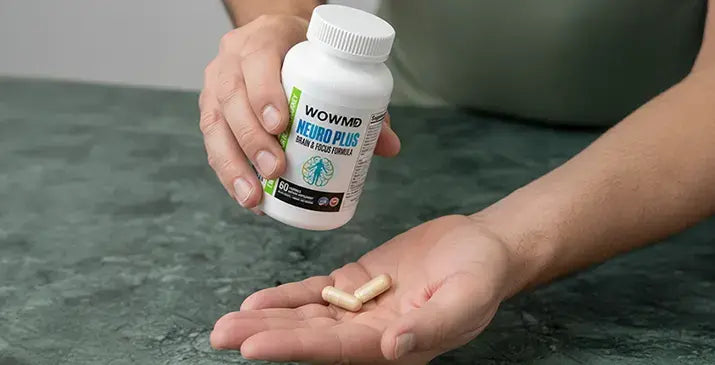
A nurse practitioner, Lauren, shares how WOWMD's Neuro Plus boosts her focus, energy, and mood during busy shifts. It also includes iron, which plays a key role in supporting energy levels. Iron is essential for the production of hemoglobin, which helps transport oxygen to the brain, promoting mental clarity and focus.
What Are Some Iron-Rich Foods?
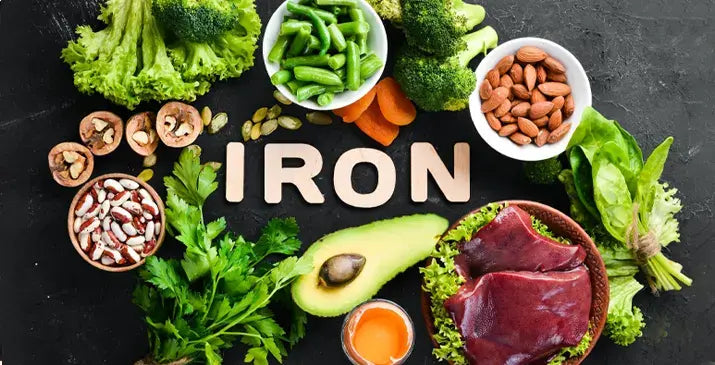
If you suspect that you aren’t getting enough iron in your diet, you may want to schedule an iron test with your doctor. If you want to increase your iron levels without injections or supplements, try eating iron-rich foods which include:
- Legumes
- Red meat
- Beef
- Pork
- Clams
- Eggs
- Pumpkin seeds
- Tofu
- Spinach
- Tuna
- Kale
- Green beans
- Collards
- Green peas
- Raisins
- Broccoli
- Cashews
- Lentils
- Leafy green vegetables
Pairing nonheme iron foods with a vitamin C source — lemon juice on lentils, bell pepper in a tofu stir-fry — may improve nonheme iron absorption [Ref]. Vitamin C helps convert iron to a form that the gut absorbs more readily, and this effect is most pronounced when taken alongside individual iron-rich meals or supplements.
Read More — Best Vitamins for Women in Your 20s or 30s
How to Take Iron ?
- Test: Request ferritin + CBC before starting.
- Choose: Pick an iron form (bisglycinate if GI sensitive; ferrous sulfate for repletion if tolerated). Also, confirm that you are reading the elemental iron content, not the total compound weight.
- Dose: Follow the label or the clinician's prescription.
- Time: Take with vitamin C; avoid calcium, tea, and coffee around your dose.
- Monitor: Retest ferritin after 8–12 weeks and adjust as needed.
Who Should Test / When?
- Women with heavy periods, fatigue, or hair loss.
- Pregnant women should attend their first prenatal visit and mid-pregnancy as recommended.
- Vegetarians/vegans and endurance athletes.
- People with GI disease, prior gastric surgery, or chronic blood loss.
- Women with a history of bariatric surgery or inflammatory bowel disease, as malabsorption significantly increases deficiency risk.
Checklist for Buyers
- Choose the right iron type (ferrous sulfate, gluconate, citrate, or bisglycinate).
- GI sensitivity? Choose ferrous bisglycinate or ferrous gluconate over ferrous sulfate. Bisglycinate's chelated structure reduces free iron in the gut, which translates into less constipation and nausea.
- Need fast repletion? Ferrous sulfate at 325 mg delivers approximately 65 mg of elemental iron.
- Vegetarian or vegan? Avoid heme iron polypeptide products. Look for a nonheme form paired with added vitamin C to support absorption.
- Kidney disease? Ask your doctor about ferric citrate, which also binds dietary phosphorus and may serve a dual purpose.
- Pregnant? Look for a prenatal iron supplement providing approximately 27 mg of elemental iron per serving.
- Ensure third-party testing for purity. Prioritize products that are USP Verified, NSF Certified, or Informed Sport certified. These confirm that what is on the label is in the bottle.
- Opt for bioavailable forms like ferrous gluconate or ferrous bisglycinate.
- Watch for side effects like constipation.
- Verify dosage aligns with your needs. Always check the elemental iron content on the label, not the total compound weight.
- Look for added vitamin C to enhance absorption.
- Read reviews and ensure the brand's reputation.
Advertisement


Conclusion
Women need to pay extra close attention to their iron levels because they are much more susceptible to iron deficiency than men. Iron is especially important for women because it gets considerably drained during menstruation and pregnancy.
Iron is also important to proper fetal development and cognitive performance. Keep an eye out for iron deficiency symptoms, see your doctor regularly, and eat iron-rich foods to help maintain your iron levels within the healthy range.
If you stay mindful of your health, diet, and lifestyle, you can avoid iron deficiency and live your best life as a happy, healthy woman.
Before taking an iron supplement, ask to speak with your doctor and a registered dietitian to determine which type and dose are best for you.
>> Feeling drained? Support healthy iron levels and restore your focus with WOWMD Neuro Plus Brain & Focus Formula. Start your journey to more energy today.
FAQs
This article is for informational purposes only and is not a substitute for professional medical advice, diagnosis, or treatment. Statements made on this website have not been evaluated by the U.S. Food and Drug Administration. Always consult a qualified healthcare professional before making changes to your diet, supplements, medications, or healthcare routine.
Our Top Picks

M50 - Menopause Essential


Collagen Complex

References
WOWMD follows strict sourcing guidelines to ensure the accuracy of its content, outlined in our editorial policy. We use only trustworthy sources, including peer-reviewed studies, qualified experts, and information from top institutions.


- Iron (NIH ODS Consumer) — https://ods.od.nih.gov/factsheets/Iron-Consumer/
- Iron (NIH ODS Health Professional) — https://ods.od.nih.gov/factsheets/Iron-HealthProfessional/
- Iron Homeostasis and Energy Metabolism in Obesity — https://pmc.ncbi.nlm.nih.gov/articles/PMC9633967/
- The role of iron in brain aging and neurodegenerative disorders — https://pmc.ncbi.nlm.nih.gov/articles/PMC5672917/
- Iron Supplement (Ferrous Sulfate) — https://my.clevelandclinic.org/health/drugs/14568-iron-oral-supplements-for-anemia
- Iron Rich Foods — https://www.redcrossblood.org/donate-blood/blood-donation-process/before-during-after/iron-blood-donation/iron-rich-foods.html
- Stoffel et al. Alternate-day iron dosing — https://www.thelancet.com/article/S2352-3026(17)30182-5/abstract