

How Much Berberine Should You Take? Dosage Guide
Learn how much berberine to take, when to take it, potential benefits, side effects, and key safety considerations.
 By WOWMD Staff

 Fact Checked
Advertiser Disclosure: WOWMD independently vets all recommended products. If you purchase a featured product, we may be compensated. Learn why you can trust us.


Introduction
Are you familiar with berberine and how it can affect your state of health? It is a natural substance, which is found in different plants and has recently been the topic of discussion regarding the efficiency of natural treatments for different illnesses.
While it is essential to pay attention to Berberine dosage to increase the chances of benefiting from its use, this is particularly important if you are already taking other medications.
In this article, we'll dive deep into the world of berberine, exploring its origins, mechanisms of action, and the all-important question like how much berberine should you take? What is the best time to take Barberine and more.
What is Berberine?
Berberine is an enigmatic natural product which made an impression as an effective remedy for various ailments and diseases in traditional medicine systems of the world. It appears as a bright yellow crystalline substance and is categorised under a group of chemicals known as Ipoquinoline alkaloids.
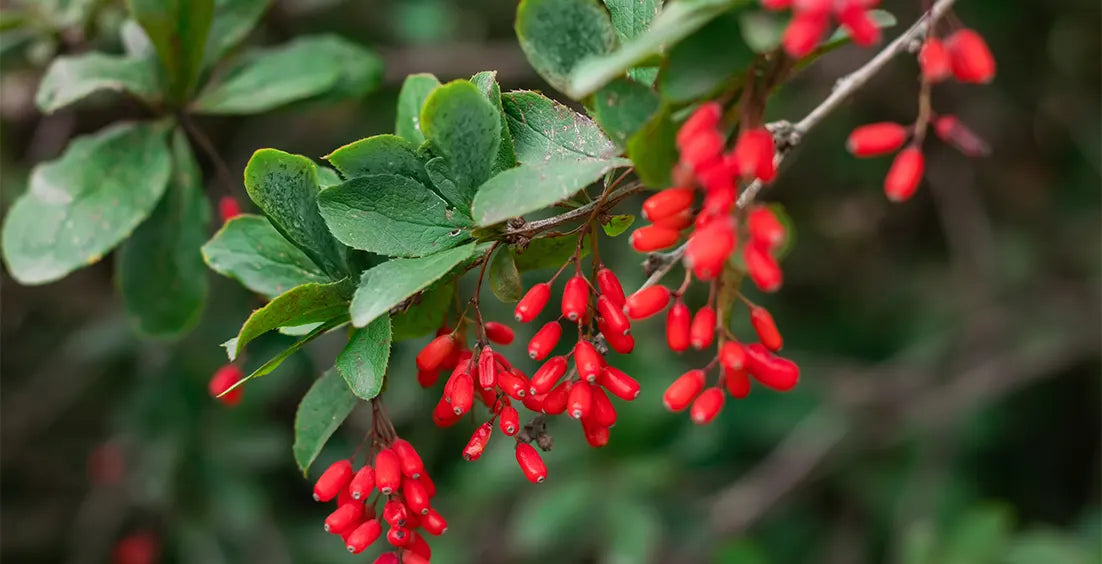
This selective toxins are present in various plant species, especially those belonging to the Berberidaceae, Ranunculaceae, and Papaveraceae families. The Berberis vulgaris plant, also called barberry or European barberry is one of the most famous sources of berberine.
Advertisement

 *All individuals are unique. Your results can and will vary.
Other noteworthy sources include rhizome of Coptis chinensis having its origin in China, Phellodendron amurense stem bark originated from North Eastern part of China, and Hydrastis containing parts which belong to goldenseal.
The present finding indicates that plants containing berberine have been used in China for over 2000 years to cure various diseases. Berberine can also be found in several Ayurvedic herbs and medicines, an ancient Indigenous Indian healing system, for its supposed medicinal potential.
Notably, Berberine has a bitter taste and it is reportedly due to this value that the chemical has some of its health benefits. Although it naturally occurs in some plants, it can also be purchased in the form of good berberine supplements. This supplement tends to have a standardized extract of berberine, meaning that it has a specific level of the active compound present in it.
Health Benefits of Berberine
Berberine is a bioactive compound found in several plants, including goldenseal, barberry, and Oregon grape. It has been traditionally used in Chinese and Ayurvedic medicine for its various health benefits. Here are some of the key health benefits of berberine:
Effect on Diabetes and Blood Sugar Control
One of the most well-studied applications of berberineis its potential to support healthy blood sugar levels. Studies have suggested that berberine may help improve insulin sensitivity and glucose metabolism.
ALSO READ: Does Berberine Lower Blood Sugar?
The dosage used is around 500-1,500 mg per day, divided into multiple doses. This makes it a promising natural approach for individuals with type 2 diabetes or prediabetes.
Matt Grammer, LPCC-S
According to Matt Grammer, a LPCC-S, licensed counselor and a mental health entrepreneur says, berberine raises insulin sensitivity and lowers the liver's glucose synthesis. However, this can cause hypoglycemia in individuals without diabetes or those currently taking other hypoglycemic drugs.

Role in Cholesterol and Heart Health
Berberine has also garnered attention for its potential to support heart health by influencing cholesterol levels. Research indicates that berberine may help lower LDL (bad) cholesterol while increasing HDL (good) cholesterol levels, thereby potentially reducing the risk of heart disease. The research used around 500-1,000 mg of berberine per day, suggesting an ideal dosage for managing cholesterol and heart health.
In this video, Jennie Mathews shares her experience with WOWMD Berberine Essentials, detailing how the supplement has helped regulate her blood sugar, support cardiovascular health, and assist with weight management.
Impacts on Obesity and Weight Management
Some studies have explored the potential role of berberine in weight management. By influencing metabolic processes and regulating appetite-related hormones, berberine may help promote healthy weight loss and support weight maintenance efforts. Research explains around 800-1000mg of berberine for weight loss.
Benefits for Digestive Health and Infections
Beyond its metabolic effects, berberine has also shown promise in supporting digestive health. Its antimicrobial properties may help combat certain bacterial and fungal infections, while its anti-inflammatory effects may alleviate symptoms associated with conditions like irritable bowel syndrome (IBS).
It was found that 200-500 mg per day of berberine can be beneficial for digestive health and infections.
While recommendations for berberine dosage timings can vary, here are some general guidelines based on research:
Upper Limits and Safety Considerations: As per our research, stay below 1,500 mg of berberine per day to minimize the risk of adverse effects. However, it's important to note that higher doses may be appropriate in certain cases under the guidance of a healthcare professional.
Form and Timing of Administration
Berberine supplements are available in various forms, each with its own advantages and considerations. Different Forms of Berberine Supplements:
- Capsules: Convenient and easy to swallow, with consistent dosing.
- Tablets: Similar to capsules but may be easier to split for adjusting doses.
- Tinctures: Liquid extracts that can be added to water or other beverages.
Best Time to Take Berberine
The ideal time to take berberine depends on your personal routine and health goals. Some people prefer taking it in the morning to support energy metabolism, while others take it in the evening to align with their digestion and blood sugar management.
The most important factor is consistency—incorporating berberine into your daily routine so it becomes a sustainable habit. To make it easier, try linking berberine intake with an existing habit, such as having it with breakfast or before bedtime.
Advertisement

 *All individuals are unique. Your results can and will vary.
Life can be unpredictable, so don’t stress over minor timing adjustments—what matters most is making it a regular part of your wellness regimen.
If you have any health conditions or take medications, consult your doctor before using berberine, as it may interact with certain drugs. Some healthcare providers recommend cyclical dosing—taking berberine for a set period followed by a short break—to minimize potential side effects or tolerance.
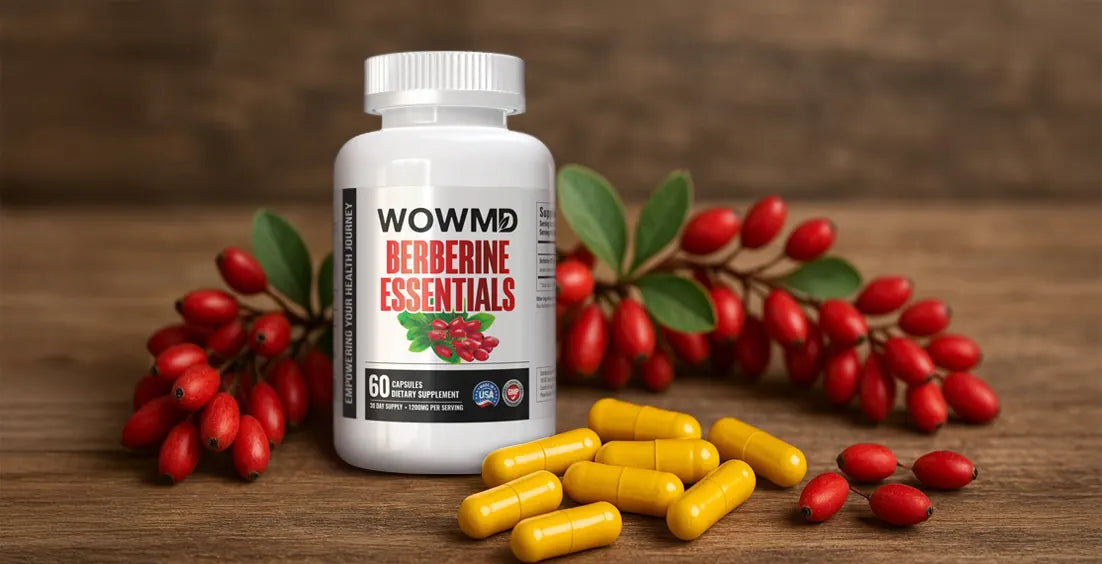
For a high-quality berberine supplement, you can also try WOWMD Berberine, which offers a pure and potent formula to support metabolic health, blood sugar balance, and overall well-being.
Cycle or Pulsed DosingIn some cases, healthcare professionals may recommend a pulsed or cyclical dosing approach, where berberine is taken for a certain period, followed by a break to minimize potential side effects or tolerance.
Factors Affecting Dosage
Evidently, there is considerable potential for using Berberine for various health problems; however, clients should bear in mind that the required daily dosage of berberine can differ depending on certain circumstances. In the same way, any dietary supplement or medication should also be taken not more than the recommended dose to gain the maximum benefits without harming the body.
Individual Health Conditions and GoalsDepending on the health conditions you wish to treat the dosage of berberine may vary from one individual to another. For instance, the amount of dosage needed to manage diabetes II may be different from the amount required for health or gut issues.
Age and Body WeightPotential dosage of berberine and other related factors can also be influenced by the recently pointed age, weight and body mass. In most cases, fewer amounts should be administered in cases of children and people with lesser body mass while more concentration is best for people with larger body mass and adults.
Interactions with Medications or SupplementsThis might affect the pharmacokinetics of berberine or other ingredients present in the formulation, so it is important to report any medications that one may be using. For instance, it can amplify the results of drugs used in diabetes or blood thinning medications, thus, the need to seek the advice of a doctor.
Duration of UseThe longer one takes berberine supplements, the longer it will take for one to find the dosage that suits them. For example, for short-term use, such as for relieving diarrhoea, people may need to take a higher dosage compared to patients with chronic diseases like diabetes and raised cholesterol.
What Precautions Do Need to Take?
- Pregnant or Breastfeeding Women: Currently, it is unclear whether pregnant or breastfeeding women should be taking berberine due to limited research, and therefore it should not be taken without consulting a doctor.
- Children: The safety and effective dose in children have not been clearly defined, therefore, it should to be taken by children as well as any herbal supplement under the strict supervision of a medical doctor.
- Individuals with Liver or Kidney Impairment: As with any supplement or natural compound, those who have liver or kidney problems should consult with their doctor before taking berberine, or possibly avoid it entirely since the kidneys and liver process this substance.
Be on the lookout for side effects while you’re taking the product and stop taking it immediately if you are to experience nasty side effects.
Advertisement

 *All individuals are unique. Your results can and will vary.
Conclusion
It is quite an enigmatic natural compound that may be used for the prevention and cure of a wide array of diseases such as diabetes, high cholesterol, obesity, and some gastrointestinal disorders. Nonetheless, knowledge of the right portion or quantity is very important indeed to fully harness its advantages and at the same time to counter any adverse outcomes.
It is advisable to consult a healthcare provider for recommendations on the amount to be taken for the same bearing in mind the person’s health state, age, weight and other drugs or supplements taken. Regarding dosage, it is pertinent to seek advice from a doctor, healthcare provider, or pharmacist first and also, begin with a smaller dose before gradually increasing the dosage if required and if possible.
By adhering to the guidelines highlighted above for a safer way of using this compound, integrating berberine into your schedule and sticking to other healthy measures, one can be in a position to realize the possible benefits provided by this natural compound without much harm.
FAQs
This article is for informational purposes only and is not a substitute for professional medical advice, diagnosis, or treatment. Statements made on this website have not been evaluated by the U.S. Food and Drug Administration. Always consult a qualified healthcare professional before making changes to your diet, supplements, medications, or healthcare routine.
Our Top Picks

Berberine Essentials

Blood Sugar Ultra Advanced Formula

Greens Blend

References
WOWMD follows strict sourcing guidelines to ensure the accuracy of its content, outlined in our editorial policy. We use only trustworthy sources, including peer-reviewed studies, qualified experts, and information from top institutions.


- Plant isoquinoline alkaloids: Advances in the chemistry and biology of berberine (sciencedirect.com)
- Berberine: Botanical Occurrence, Traditional Uses, Extraction Methods, and Relevance in Cardiovascular, Metabolic, Hepatic, and Renal Disorders (frontiersin.org)
- Glucose-lowering effect of berberine on type 2 diabetes: A systematic review and meta-analysis - PMC (nih.gov)
- Effect of Berberine on Cardiovascular Disease Risk Factors: A Mechanistic Randomized Controlled Trial - PMC (nih.gov)
- Berberine is a promising supplement — but it’s not a magical weight-loss solution (mayoclinic.org)
- Berberine and Weight Loss: What You Need To Know
- Berberine and inflammatory bowel disease: A concise review (sciencedirect.com)
- Effects of Berberine on the Gastrointestinal Microbiota