

Can You Take Psyllium Fiber In Pregnancy? Potential Benefits & Risks
Learn whether psyllium fiber is considered safe during pregnancy, how it may help with occasional constipation, and the side effects to watch for.
 By WOWMD Staff

 Fact Checked
Advertiser Disclosure: WOWMD independently vets all recommended products. If you purchase a featured product, we may be compensated. Learn why you can trust us.
Table of contents
- Introduction
- What Is Psyllium Husk?
- Happens When You Take In Pregnancy
- Psyllium Husk Pregnancy And Blood Sugar Control
- Pregnancy Make You Constipated
- Is Psyllium Safe?
- Side Effects & Allergic Reactions
- Who Should Avoid Psyllium And When To Seek Help
- Special Situations And Pregnancy Stages
- Easy Ways to Add Psyllium to Your Day
- How to Take Psyllium the Right Way
- Conclusion
- FAQs

Constipation is one of the most common problems in pregnancy. Your hormones change. Your uterus grows and presses on your gut. Iron supplements may slow digestion further for some people. Many women want a gentle way to feel better.Dietary changes, adequate fluids, and appropriate physical activity may help. If these measures are insufficient, your prenatal care team may recommend a laxative
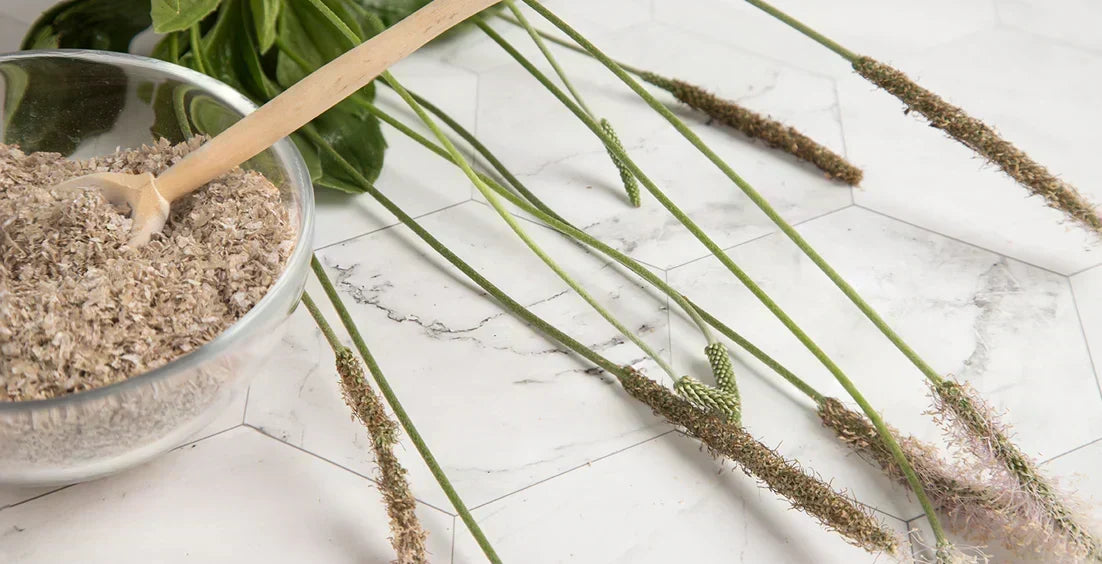
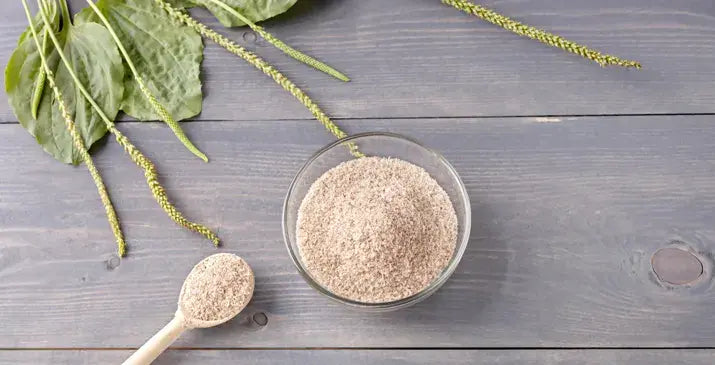
Psyllium husk is one of the options they hear about. It is the outer shell of the psyllium seed, and it turns up in fiber supplements like Metamucil. It can soak up water and may form a soft gel in the gut.
That gel may help soften stool becuase it retains water and adds bulk to the stool, which can make it easier to pass. Psyllium acts within the digestive tract and is not systemically absorbed. Bulk-forming laxatives such as psyllium, also called ispaghula, are commonly considered suitable during pregnancy when used as directed.
TL;DR
- Psyllium husk may be considered a lower-risk option during pregnancy by many healthcare providers, as it is generally not absorbed into the bloodstream.
- As a gel-forming soluble fiber, psyllium may help soften stool and might help ease occasional constipation linked to hormonal changes or iron supplements.
- Minor digestive side effects like gas and bloating can occur, especially when rapidly increasing daily fiber intake.
- Pair psyllium supplements with high fluid intake, as too little fluid may raise the risk of choking or blockage. Your healthcare provider can advise how much fluid is right for you. Your healthcare provider can advise how much fluid is right for you.Take each dose with at least 8 ounces—about 240 mL—of fluid, or the amount specified on your product label. Never swallow dry psyllium powder. People with prescribed fluid restrictions should seek individualized advice before use.
- Always consult your healthcare provider or OB-GYN before introducing new fiber supplements into your pregnancy routine.
What Is Psyllium Husk?
Psyllium is a seed — and psyllium husk is the outer covering of psyllium. You can typically find psyllium husk in fiber supplements like Metamucil®. Some people may find psyllium husk gentler on their digestive system.
Psyllium is typically considered safe during pregnancy because the body doesn't absorb it. Psyllium is mainly used as a dietary fiber to relieve symptoms of constipation and mild diarrhea.
Psyllium is a seed and psyllium husk is simply the outer shell of that seed. Psyllium husks are usually involved in fiber supplements like Metamucil®. But gel-forming fiber supplements, like psyllium husk, might be easier on your digestion.
It is also for this reason that Psyllium may be viewed as a lower-risk option during pregnancy, as it is generally not absorbed. Psyllium is commonly used to help support regular bowel movements.
Advertisement

 *All individuals are unique. Your results can and will vary. These statements have not been evaluated by the Food and Drug Administration. This product is not intended to diagnose, treat, cure, or prevent any disease.
What Happens When You Take A Psyllium Husk In Pregnancy?
Psyllium husk is derived from the seeds of the Plantago ovata plant. It's a soluble fiber known for its ability to absorb water and form a gel-like substance in the digestive system. This property may help to:
- May Support Regularity: By softening stools and making them easier to pass, psyllium husk may help ease occasional constipation, a common issue during pregnancy.
- Support Digestive Health: Psyllium promotes regular bowel movements and overall digestive health, which can be beneficial during pregnancy when digestive discomfort is prevalent.
Psyllium, Pregnancy, and Blood Sugar: What to Know
Psyllium husk may form a gel in the gut, which might slow how quickly sugar from food is absorbed. This may help support healthy blood sugar levels already within the normal range, which is something many pregnant women need to manage carefully.
In general adults, studies show psyllium fiber can improve post-meal glucose levels and overall blood sugar control. Its role during pregnancy is not yet well established, so it may be best to discuss it with your doctor.
Your healthcare provider can advise how much fluid is right for you. Take each dose with at least 8 ounces—about 240 mL—of fluid, or the amount specified on your product label. Never swallow dry psyllium powder. People with prescribed fluid restrictions should seek individualized advice before use.
If you have gestational diabetes, talk to your doctor before taking psyllium, as fiber may affect blood sugar levels and might interact with diabetes medications. But it should never replace your doctor's recommended diet plan, monitoring routine, or prescribed medication.
Why Pregnancy Can Make You Constipated?
Pregnancy and constipation often go together. According to Cleaveland Clinic, pregnancy hormones may slow digestion, and the growing uterus can press on the bowels, which might make bowel movements harder. This, along with increased stress, anxiety, and less physical activity, may contribute to constipation during pregnancy.
Another reason you might be constipated during pregnancy is if your doctor has prescribed iron pills. Iron supplements may cause constipation in some people. If you are taking iron, talk to your doctor about ways to relieve constipation.
Advertisement

 *All individuals are unique. Your results can and will vary. These statements have not been evaluated by the Food and Drug Administration. This product is not intended to diagnose, treat, cure, or prevent any disease.
Is Psyllium Safe During Pregnancy?
Many pregnant women deal with constipation during pregnancy, and psyllium husk fiber is one option some people may consider to help support regularity. Because it does not get absorbed into the bloodstream, it may be considered a lower-risk option for many pregnant women, though your healthcare provider can help decide if it is right for you.
Yes—psyllium is generally considered suitable during pregnancy when used as directed and appropriate for the individual. Pregnancy medication guidance commonly recommends bulk-forming laxatives, including ispaghula, when dietary and lifestyle measures have not helped enough
Published pregnancy-specific safety data are limited, but no adverse fetal effects have been reported with bulk-forming laxatives in the guidance reviewed here. Its lack of systemic absorption is reassuring; it does not remove the need to use the product correctly
The most important thing to remember is to drink enough water when taking it. Psyllium husk for constipation generally needs enough fluid to work as intended. Without it, the fiber can swell up and cause discomfort or even a blockage.
It is best to skip it and speak to your doctor first if you have trouble swallowing, severe stomach pain, or frequent vomiting.
For some people, fiber supplements like psyllium may be a practical option during pregnancy when used as directed and approved by a healthcare provider. Check the full ingredient list. Safety guidance for psyllium alone should not automatically be applied to products containing additional laxatives, herbs, or other active ingredients
Tips That May Help With Constipation During Pregnancy
Here are some tips to manage constipation throughout pregnancy: Bathroom Habits- Morning Routine: Try to go to the bathroom every morning. Some people find that a glass of warm water may help encourage a bowel movement.
- Listen to Your Body: Always go to the bathroom when you feel the urge. Do not delay.
- Take Your Time: Give yourself plenty of time in a relaxed, stress-free environment. A quiet, private space is best.
- Use a Stool: Put your feet on a stool when using the toilet. A squat-like position may make it easier for some people.
- Massage: If constipation is severe or ongoing, contact your healthcare provider for guidance.
- Healthy Eating: Eat plenty of fruits, whole grains, bread, and fresh vegetables every day. They contain fiber, which may help support regularity.
- Fruits High in Sorbitol: Apples, apricots, grapes, peaches, pears, plums, raspberries, and strawberries. Sorbitol may have a mild natural laxative effect.
- High-Fiber Foods: Choose foods like whole grains or wholegrain breads instead of refined, processed foods. If you're not used to high-fiber foods, introduce them gradually to avoid bloating.
- Stay Consistent: Keep up with a high-fiber diet even if you don't see immediate results. It may take a few days to weeks to notice a difference.
ALSO READ: Best Foods to Eat While Pregnant
Hydration- Drink Plenty of Water: Fluid needs often increase in pregnancy. Your healthcare provider can advise how much is right for you. ACOG generally recommends 8–12 cups of water daily during pregnancy. Individual needs vary; follow personalized instructions if you have a condition requiring fluid restriction.
- Fruit Juices: Small amounts of prune or apricot juice may help some people. Check with your provider if you are monitoring blood sugar.
- Increased Hydration in the Third Trimester: Fluid needs may increase in later pregnancy, so ask your provider what’s appropriate in the later stages of pregnancy.
- Gentle Exercise: Engage in gentle activities like walking, swimming, cycling on a stationary bike, or yoga. These may help support regularity and overall well-being, if your provider says exercise is safe for you.
Advertisement

 *All individuals are unique. Your results can and will vary. These statements have not been evaluated by the Food and Drug Administration. This product is not intended to diagnose, treat, cure, or prevent any disease.
The Side Effects And Allergic Reactions Of Using Psyllium Husk?
While psyllium husk may offer potential benefits for some people, during pregnancy it can cause minor side effects and allergic reactions similar to those experienced by the general population.
Some people might experience gas and bloating, mainly because they add more fiber to their diet than they are used to.
Allergic reactions to psyllium husk are rare but can happen. A mild allergic reaction might cause itching in your eyes, nose, or skin. A serious allergic reaction, called anaphylaxis, is very rare but can cause skin rashes, trouble breathing, and tightness in the chest or throat.
If you have these symptoms, you should contact your healthcare provider immediately.
Who Should Avoid Psyllium And When To Seek Help
Psyllium husk may be well tolerated by many people, but it is not suitable for everyone. If you have trouble swallowing, a known gut blockage, severe stomach pain, or ongoing vomiting, it is best to skip it completely.
Taking a bulk-forming fiber supplement in these situations can put unnecessary pressure on your digestive system and make existing problems worse.
Once you start taking it, pay attention to how your body responds. If you notice your stomach pain getting worse, persistent nausea, or any signs of a digestive blockage, stop using it right away and speak to your doctor. When in doubt, always check with a healthcare professional before adding psyllium fiber to your daily routine.
Special Situations And Pregnancy Stages
Not every pregnancy is the same, so some situations need extra thought before taking fiber supplements for constipation.
Carrying twins puts added pressure on your digestive system. Psyllium husk may still be safe, but check with your doctor first.
If you have had bowel surgery before, talk to a specialist before trying any bulk-forming fiber supplement. Past procedures can affect how your gut responds.
After delivery, postpartum constipation is very common. Psyllium is generally not absorbed into the bloodstream, but it is best to check with your healthcare provider before using it while breastfeeding. Staying hydrated and, if your provider approves, gentle pelvic floor exercises may also help. If symptoms continue after birth, speak to your doctor for the right plan.
How Psyllium Is Commonly Taken
Adding psyllium husk to your routine does not have to be complicated. Here are a few easy ideas to get started:
- With Water and Lemon: Psyllium is often mixed into a full glass of water. Follow the product label or your provider’s guidance for the amount, squeeze in some fresh lemon, and drink it right away before it gels up.
- In your Morning Smoothie: Some people add psyllium husk powder to a smoothie. Just make sure to add a little extra liquid so it blends well and stays easy to drink.
- Stirred into Yogurt: Some people stir psyllium into yogurt, followed by a full glass of water with fresh fruit, and eat it immediately. It may be a convenient option for a light breakfast or snack.
General Tips for Taking Psyllium
If you are new to psyllium husk, a few simple habits may help it work as intended and might reduce discomfort.
Starting with a smaller amount and increasing gradually is often suggested and give your body a few days to get used to it before increasing the amount. This may help reduce bloating and stomach discomfort.
Adequate fluid is important. Product labels generally direct you to take each dose with at least a full glass (8 oz) of fluid. And keep drinking water throughout the day. This is especially important if you exercise or live somewhere hot.
If you take any medications, product labels commonly suggest separating psyllium from other medicines by at least 2 hours, as it may affect absorption. Ask your pharmacist about your medications, including prenatal vitamins and iron.
Lastly, do not rely on psyllium alone. Eating fruits, vegetables, and whole grains alongside it may help support healthy digestion.
Conclusion
Constipation is one of the most common complaints in pregnancy, and it may become more noticeable as pregnancy progresses. Psyllium husk may be one gentle option to discuss with your healthcare provider.
As a soluble fiber, it may help soften stool, which can make passing it easier. It is generally not absorbed by the body, which is one reason many healthcare providers consider it a lower-risk option during pregnancy.
Still, it may work best alongside healthy habits. Staying hydrated, eating fiber-rich foods, and gentle movement (if your provider approves) may also help.
Starting with a small amount may help your stomach adjust. Some people may notice mild gas when first starting. Anything that feels like an allergic reaction needs quick medical care. Talk to your doctor before you begin any fiber supplement for constipation so they can advise whether it is right for you and what amount may be appropriate.
FAQs
This article is for informational purposes only and is not a substitute for professional medical advice, diagnosis, or treatment. Statements made on this website have not been evaluated by the U.S. Food and Drug Administration. Always consult a qualified healthcare professional before making changes to your diet, supplements, medications, or healthcare routine.
Our Top Picks

Good Gut Great Life

Sea Moss Complex

Greens Blend

References
WOWMD follows strict sourcing guidelines to ensure the accuracy of its content, outlined in our editorial policy. We use only trustworthy sources, including peer-reviewed studies, qualified experts, and information from top institutions.


- Psyllium is a seed: https://health.clevelandclinic.org/psyllium-husk
- Psyllium is typically considered safe: https://www.mayoclinic.org/healthy-lifestyle/pregnancy-week-by-week/expert-answers/pregnancy-constipation/faq-20058550
- Psyllium is mainly used as dietary fiber: https://en.wikipedia.org/wiki/Psyllium
- Psyllium husk can relieve constipation: https://www.mountsinai.org/health-library/supplement/psyllium
- Psyllium promotes regular bowel movements: https://www.ncbi.nlm.nih.gov/pmc/articles/PMC6358997/
- The effect of dietary fiber supplement on prevention of gestational diabetes mellitus in women with pre-pregnancy overweight/obesity: A randomized controlled trial https://pmc.ncbi.nlm.nih.gov/articles/PMC9465204/