

Vitamin D and Bone Health: Is Vitamin D Good For Bones?
Learn how vitamin D supports bone health, improves calcium absorption, and helps maintain strong bones. Discover benefits, sources, and deficiency risks.
 By WOWMD Staff

 Fact Checked
Advertiser Disclosure: WOWMD independently vets all recommended products. If you purchase a featured product, we may be compensated. Learn why you can trust us.

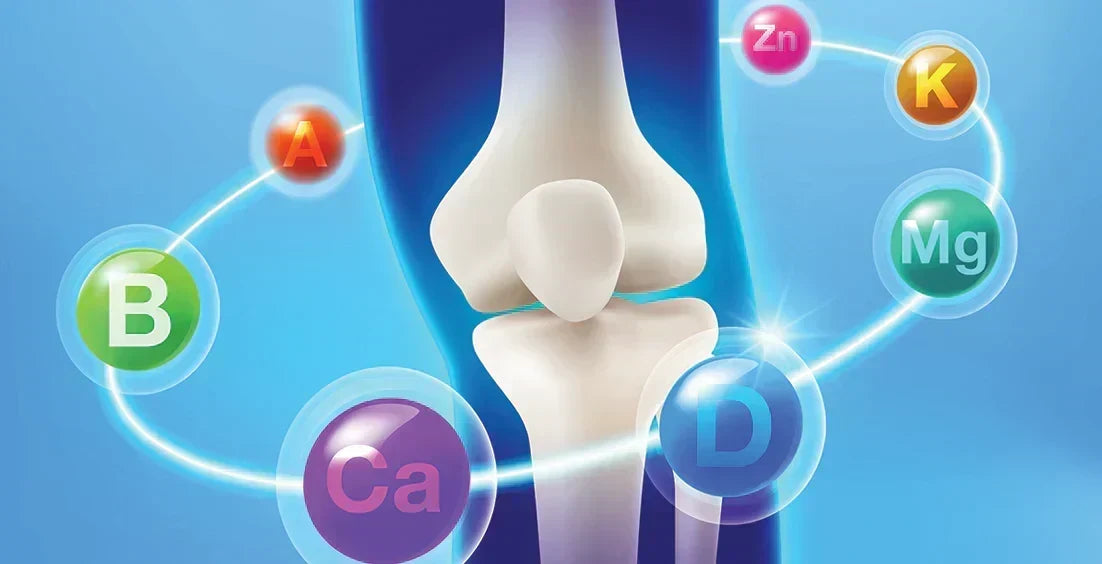
Vitamin D is more than just a vitamin—it’s a hormone-like nutrient crucial for bone strength, calcium absorption, and muscle function. This article covers how vitamin D supports bones, what deficiency looks like, and how to get your daily dose for better health.
Vitamin D plays a vital role in ensuring healthy and strong bones. Although it is commonly described as a vitamin, it functions more as a hormone in the body as it aids in the process of absorption of calcium, a very important mineral, critical to the strength of the bones.
Without enough vitamin D, your body cannot absorb calcium easily, which results in weak bones in the long run. Vitamin D supply is essential to maintain bone health. It aids children in having better bone development and aids in preventing bone softening among adults.
Let’s take a closer look at what vitamin D is, how vitamin D works, why it’s important for healthy bones, and how to ensure you’re getting enough to keep your bones strong.
Key Takeaways
- Vitamin D helps absorb calcium for strong bones
- Prevents rickets, osteoporosis, and bone fractures
- D3 is more effective than D2
- Also supports teeth, gums, and muscle strength
What is Vitamin D?
Vitamin D, an essential nutrient for bone density and calcium absorption, is produced by sun exposure. Vitamin D is a fat-based nutrient our body makes when we're in the sun. It helps our body take in calcium from food and pills.
We need it for healthy bones. Without enough Vitamin D, our body can't take in calcium well. This can make our bones weak and easy to break.
Unlike other vitamins that only come from food, our skin can make Vitamin D when it's in the sun. But often, this isn't enough to meet our daily needs. This is true for people who live where there's not much sun or who stay inside most of the time.
Advertisement


How Does Vitamin D Help Bone Growth?
Vitamin D helps bones grow and stay strong all through life. In kids, it helps bones grow right by helping the body take in calcium. Kids who don't get enough Vitamin D can get rickets. This makes bones weak and not shaped right.
In adults, Vitamin D helps keep bones strong. Not having enough can lead to soft bones in adults. It can also cause weak bones that break easily as we get older. We need to get enough Vitamin D to stop these problems and keep our bones healthy.
In addition to supporting bone strength, Vitamin D also strengthens teeth and gums, essential for oral health. Its anti-inflammatory properties lower the risk of gum disease, which can harm the jawbone and lead to tooth loss.
It also boosts the immune response in the mouth, protecting against harmful bacteria. By supporting gums and bones, vitamin D helps maintain a healthy smile.
Also Read: Vitamin D Supplements for Joint Health & Mobility
Best Sources of Vitamin D
Since Vitamin D is so important for our bones, we need to know how to get enough. Best sources of vitamin D for bone health include:
Direct Sun Exposure: Being in the sun is the most natural way to get Vitamin D. Just 10–15 minutes in the midday sun a few times a week is enough for many people.
But where we live, our skin color, and how we live can limit how much sun we get. People who live up north or who use sunscreen a lot might not make enough Vitamin D from the sun alone.
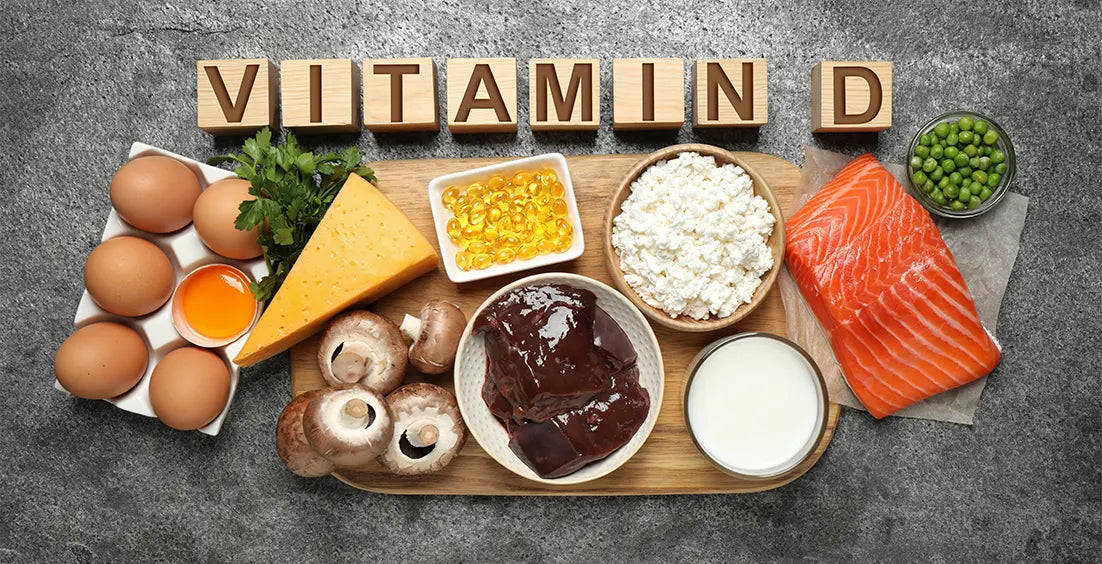
Nutritious Foods: Some foods have Vitamin D, but it's hard to get all we need just from food. Fatty fish like salmon, tuna, and mackerel have a lot of Vitamin D.
Other foods like milk with added vitamins, cereals, and egg yolks have a little. But for most people, food alone isn't enough to get all the Vitamin D we need.
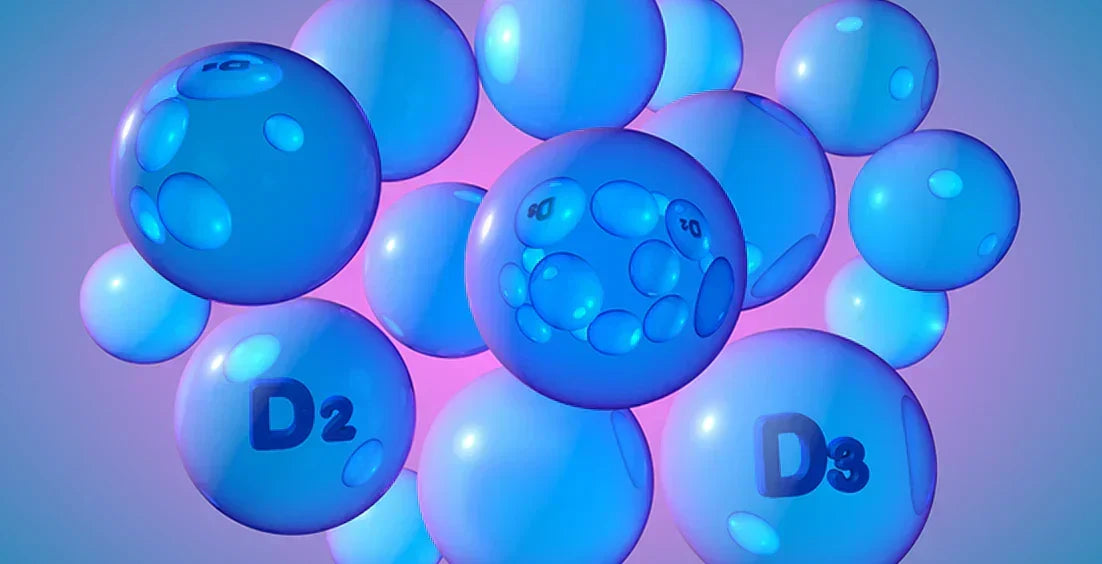
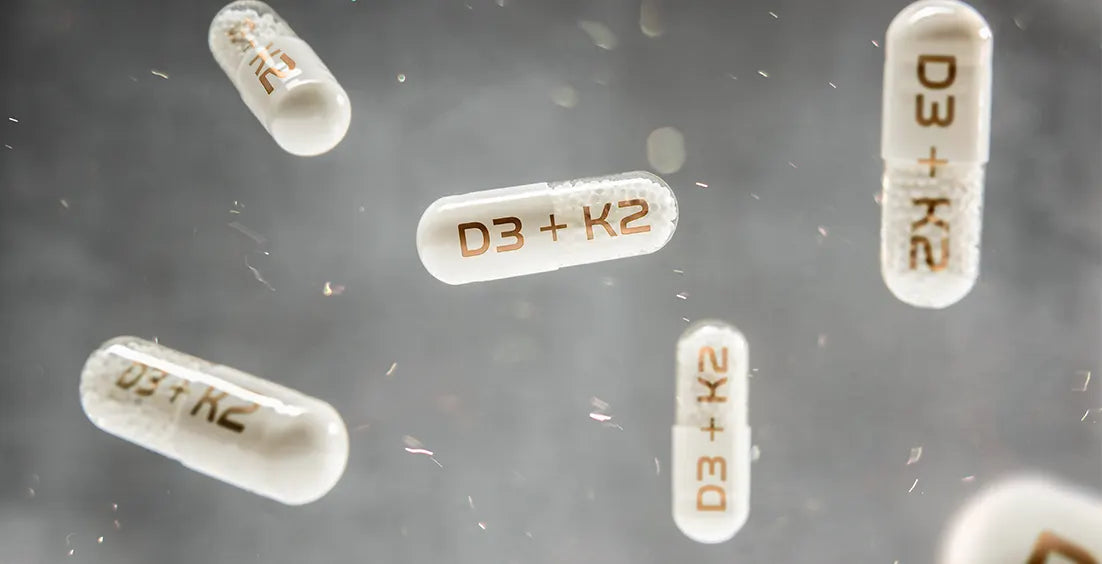
Supplement or Pills: Since it's hard to get enough Vitamin D from the sun and food, many people take pills. Most Vitamin D pills come in two types: vitamin D2 and vitamin D3. Our body can use D3 better.
In this video, our valued client shares her experience with WOWMD VitaSun – Vitamin K2+D3, highlighting how the supplement has supported her bone strength, enhanced immunity, and boosted energy levels.
How Much Vitamin D Per Day For Adults?
How much vitamin D do we need per day depends on things like our age, skin color, and how much sun we get. Health experts say we should get:
Babies 0 to 12 months old: 400 IU every day
Kids and adults up to 70 years old: 600 IU every day
Adults over 70 years old: 800 IU every day
These are the least amounts we need to not run low. Some experts think we should get more—up to 1,000–2,000 IU—to keep our bones as healthy as possible. This is especially true for older adults or people who don't get much sun.
Also Read: Try WOWMD Vitamin D Gummies – clean & doctor-formulated.
Signs of Vitamin D Deficiency
Not having enough Vitamin D can cause several problems. Some are easy to miss. Common signs of vitamin D deficiency include:
Breaking bones often Pain and soreness in bones Weak or cramping muscles Feeling tired or low on energy
Kids who don't get enough Vitamin D can get rickets. Adults can get soft or weak bones. These problems make bones break easily and can make it hard to move around and enjoy life.
Jordan Mazur, a dietitian and sports nutritionist, says that, "Vitamin D is essential for calcium absorption and bone health, but many people may need additional supplementation due to deficiencies."

Does Vitamin D Help With Muscle Strength?
Besides helping bones, Vitamin D also helps muscles work well. Getting enough Vitamin D helps make muscles stronger. This can help older adults fall less. Falls often cause broken bones, and stronger muscles from taking Vitamin D can lower this risk a lot.
Advertisement


Best Vitamin D3 Supplement For Bones: How to Choose
Since it's hard to get enough Vitamin D from food and sun, taking pills is a good way to get it. Research studies suggest that D3 works better and lasts longer in our body than D2.
You can get Vitamin D pills as tablets, capsules, liquids, or gummies. It's important to take the amount the label says or what your doctor tells you.
Taking Vitamin D with calcium can help bones even more. Calcium and Vitamin D work together to keep bones strong. But don't take more than the right amount. Too much Vitamin D can make you sick, cause throwing up, and hurt your kidneys.
Try our D3-rich WOWMD Multivitamin Gummies for complete support
Preventing Vitamin D Deficiency
While many people can get enough Vitamin D from pills, there are ways to get more naturally:
Spend more time outside in the sun, but use sunscreen after a few minutes. Eat more foods with Vitamin D, like fatty fish, milk with added vitamins, and eggs. Think about taking a pill every day in winter or if you live where there's not much sun.
Can You Take Too Much Vitamin D?
Vitamin D is essential in keeping the bones healthy; however, excess amounts can prove to be harmful. An overdose of vitamin D can result in hypercalcemia, which can produce symptoms such as nausea and fatigue as well as kidney problems.
One should follow the most recommended dose and seek the advice of a medical expert in case of high-dose supplement use.
Conclusion
Ensuring optimal bone health with Vitamin D To sum up, Vitamin D is key for keeping bones strong, helping muscles work, and stopping bone problems. Getting enough Vitamin D helps keep bones healthy by making sure our body can use calcium and phosphorus right.
Making Vitamin D part of your life through sun, food, or pills is important for keeping bones healthy for a long time. Always talk to a doctor to find out the best way to get enough Vitamin D and keep your bones strong all your life
Advertisement


FAQs
This article is for informational purposes only and is not a substitute for professional medical advice, diagnosis, or treatment. Statements made on this website have not been evaluated by the U.S. Food and Drug Administration. Always consult a qualified healthcare professional before making changes to your diet, supplements, medications, or healthcare routine.
Our Top Picks


Berberine Essentials

References
WOWMD follows strict sourcing guidelines to ensure the accuracy of its content, outlined in our editorial policy. We use only trustworthy sources, including peer-reviewed studies, qualified experts, and information from top institutions.


- Calcium and Vitamin D - https://www.bonehealthandosteoporosis.org/patients/treatment/calciumvitamin-d/
- Vitamin D: what you need to know - https://raisingchildren.net.au/teens/healthy-lifestyle/nutrients/vitamin-d
- Calcium, vitamin D, and your bones - https://medlineplus.gov/ency/patientinstructions/000490.htm
- Vitamin D and Its Role in Oral Diseases Development- https://doi.org/10.3390/dj9110129
- Sunlight and Vitamin D - https://www.ncbi.nlm.nih.gov/pmc/articles/PMC3897598/
- Vitamin D - https://ods.od.nih.gov/factsheets/VitaminD-HealthProfessional/
- Vitamin D and Its Role in Oral Diseases Development. Scoping Review - https://pmc.ncbi.nlm.nih.gov/articles/PMC8618634/
- Effects of Vitamin D on Muscle Function and Performance: A Review of Evidence from Randomized Controlled Trials - https://www.ncbi.nlm.nih.gov/pmc/articles/PMC3513873/
- Effectiveness of vitamin D2 compared with vitamin D3 replacement therapy in a primary healthcare setting: a retrospective cohort study - https://www.ncbi.nlm.nih.gov/pmc/articles/PMC9372493/