

Why Is Sleep So Important for a Healthy Immune System?
Learn how quality sleep strengthens your immune system, supports recovery, and helps your body fight illness with science-backed insights.
 By WOWMD Staff

 Fact Checked
Advertiser Disclosure: WOWMD independently vets all recommended products. If you purchase a featured product, we may be compensated. Learn why you can trust us.

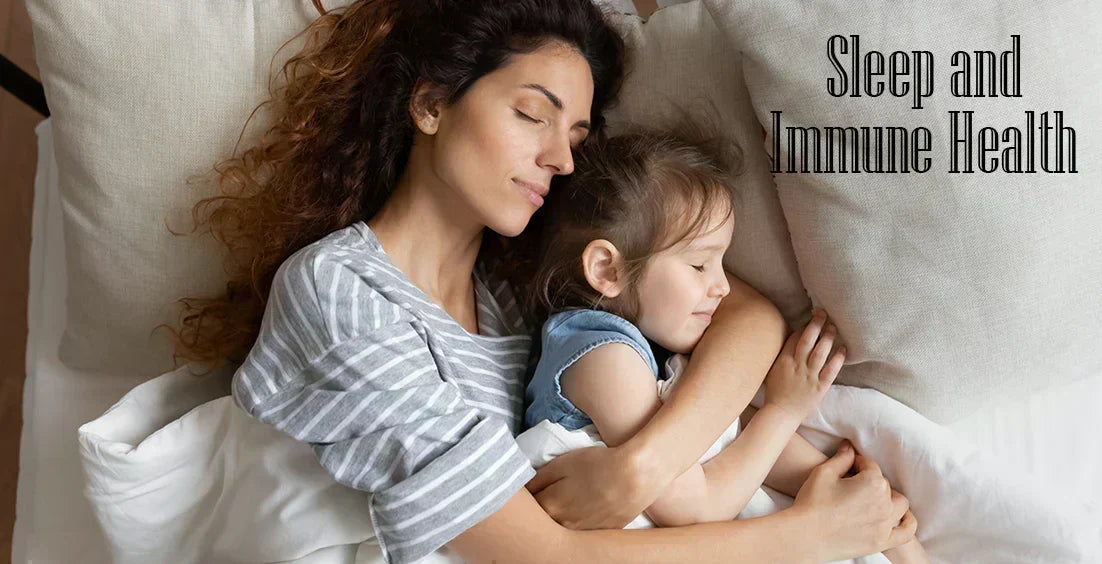
You have probably heard about how important sleep is to your overall health all throughout your life. At this point, it’s almost a cliche. But as tired as you may be of hearing it, some cliches exist for a reason.
The simple fact is that sleep plays a huge role in many factors of your overall health. Your complete psychological health depends upon the quality of sleep you get; poor sleep quality impacts your mental wellbeing and causes issues of anxiety and mood swings.
Perhaps chief among these health factors is immune response. The amount of sleep you get and the quality of your sleep play a direct role in how well your immune system functions.
Still, you may be skeptical as to how sleep affects the immune system. So in the following article, we will explain exactly how your sleep impacts your body’s ability to fight off illnesses. We will also be talking about why the immune system is important and how much sleep you should be getting for optimal health.
Why is the Immune System Important?
At this point, you may be wondering why you even need to worry about your immune system. What does it actually do? Well, it turns out the immune system does a lot of important things for your body. The National Institutes of Health puts it quite eloquently when they say:
The immune system has a vital role: It protects your body from harmful substances, germs, and cell changes that could make you ill. It is made up of various organs, cells, and proteins. As long as your immune system is running smoothly, you don't notice that it's there.
Basically, your immune system can prevent you from getting sick. Studies have shown conclusively that the immune system fortifies your body against viruses and can lessen the severity of infections.
However, chronic emotional stress deeply impacts your immunity. When you experience stress, your immune system gets inflamed, which increases the risk of infections and diseases. To counter this, your body produces a hormone, ‘Cortisol’, in short and regulated quantities, which reduces inflammation and restores your immunity.
But, prolonged stress leads to imbalanced and increased cortisol production, which inhibits your immune system from functioning efficiently.
There are two major partitions of the immune system: the innate immune system and the adaptive immune system. The innate immune system is what defends your body when you are exposed to bacteria and viruses.
Advertisement

 *All individuals are unique. Your results can and will vary.
The adaptive immune system, “involves specialized immune cells and antibodies that attack and destroy foreign invaders and can prevent disease in the future by remembering what those substances look like and mounting a new immune response.”
This means the adaptive immune system is what gives your body the blueprint for fighting off illnesses once they have been encountered. Both parts of the whole immune system need to be kept in good health.
How Does Sleep Help the Immune System?
There is an important link between sleeping and the immune system’s functions. When you sleep, your body does important overnight maintenance to keep you healthy. Here what happens:
Your body makes special enzymes called “Cytokines” that strengthen the body’s immune defence while you are asleep. If you don't sleep enough, your body can't make enough Cytokines.
Quality sleep restores your overall health from the stressful situations we face throughout the day. When you're stressed, your body is unable to fight germs efficiently. A good night's sleep helps your body rejuvenate and lowers stress.
People who don't get enough sleep get sick more often than people who sleep well regularly. This is because their bodies stay stressed and don't have enough time to make the Cytokines that fight infection-causing germs.
Sleep helps your body build protective Cytokines that prevent you from getting sick. When you sleep well, your body can make more Cytokines. So what does this mean for you? Getting good sleep is one of the best ways to lower stress and keep your body strong enough to fight off sickness!
Nancy Foldvary-Schaefer, DO
Explained by Nancy Foldvary, DO, a Sleep Specialist for Cleveland Clinic,
Sleep is critically important to maintaining a healthy immune system, so we need to sleep enough. We also need to have good timing of our sleep – we should have a regular sleep-wake cycle to promote an optimal immune system.

ALSO READ: A Guide On 5HTP For Sleep Support
How Much Sleep Do I Need?
Sleep and immune system response are intrinsically interwoven. However, there is not exactly a universal rubric as to how much sleep you need for optimal immune health. That’s because we need different amounts of sleep at different stages of our lives. Here is a general recommendation for sleep based on age:
- Seniors - Adults older than 60 should get about 7-9 hours of sleep per night.
- Adults - The recommended amount of sleep for adults is 7-8 hours.
- Adolescents - Teenagers should get about 9-10 hours of sleep per night.
- Children - Young children need the most sleep. It is recommended that children get 10+ hours of sleep.
While conducting our research, we discovered an insightful YouTube Video by Dr. Richardson that shares how much sleep individuals truly need for optimal health.
Even though there is no concrete rule as to how much sleep you should be getting to support your immune system, you may have recognized a pattern in the list above. You’ll notice that at no point in your development will you need less than 7 hours of sleep. In fact, a Yale Medicine study concluded that:
Studies have shown that those who chronically get less than seven hours of sleep a night are three times as likely to develop the common cold compared to those who routinely get eight hours or more of sleep.
ALSO READ: Why Do I Keep Waking Up at Night?
What Weakens the Immune System?
In addition to getting enough sleep to properly support your immune system, you should know some of the things that weaken it. Unfortunately, there are lots of things that can compromise your immune health. Here are some of the most common factors:
- Smoking - Smoking lowers the level of disease-fighting antioxidants in the bloodstream. Antioxidants also fight off free radical cell damage which can harm organs.
- Drinking - Drinking alcohol creates a disconnect between vital organs and your immune system. It can also throw off your gut microbiome balance, leaving you more susceptible to infection.
- Stress - Stress and anxiety also have been shown to weaken the immune system. In fact, stressful thoughts can inhibit immune response in just a half hour.
- Surgical Procedures - Recovering from a surgical procedure can drain nutrition and resources from your body that would otherwise go towards strengthening your immune system. Your body is also more vulnerable to infections after surgery.
Advertisement

 *All individuals are unique. Your results can and will vary.
- Poor Nutrition - Certain foods strengthen your immune system. When you are not getting enough of these foods in your diet, it can weaken your immune system.
- Lack of Sleep - Of course, getting less than seven hours of sleep regularly can seriously hinder your immune response.
Sleep Tips for Immune Health
Sleep and immune system health can be tricky because many of us find it exceedingly difficult to get a good night’s sleep. However, there are plenty of things you can try to improve your sleep volume and quality. If you want a supplement to help you fall asleep faster, the best oral strip for sleep is worth a try, since it dissolves under the tongue and skips the trouble of swallowing pills. Here are some habits that can help:
Physical Strategies:
- White Noise - If sound pollution seems to be your main adversary, try utilizing a white noise machine. Some people simply turn on a ceiling fan to generate white noise while they sleep. You can also look up white noise videos online.
- Tire Your Body Out - When your body is tired, it’s easier to fall asleep. For this reason, it could be helpful to engage in some light exercise about an hour before bedtime.
- Reading and Music - Likewise, your brain needs to be in a restful state to fall asleep. So it can be useful to try reading a book before sleep or listening to some relaxing music.
- Food Schedule - Eating late at night or close to your bedtime can cause disruptive changes to your digestive system. This makes it more difficult to fall asleep. Avoid eating within a couple of hours before bedtime.
- Adjust Temperature - Your sleep environment is also important for a good night’s rest. If possible, condition the temperature in your room so that it is comfortable for you. Air conditioners are ideal for this, but you can also use a fan or simply open up a window to achieve a congenial temperature.
READ MORE - Vitamins and Supplements to Boost Immune System
Emotional Strategies:
Journaling before Bed - It is a creative strategy for expressing yourself by writing poems and proverbs, or by simply writing down your creative thoughts. This removes toxic thoughts and promotes tranquility.
- 5-4-3-2-1 Technique - This is a grounding technique used to enhance focus and manage stress, anxiety, and emotions. This method involves focusing on 5 objects that we see, 4 objects that we touch, 3 objects that we hear, 2 objects that we smell, and 1 object that we taste.
Recognize 5 Objects You See - Observe your room and list out five unique objects.
Recognize 4 Objects You Can Touch - Concentrate your senses on the texture of items like bedsheets or fabrics that feel smooth and silky.
Recognize 3 Objects You Can Hear - Focus on the sounds coming from your surroundings, like birds chirping or sounds of the street.
Recognize 2 Objects You Can Smell - Recognize any fragrances, like that of lavender or petrichor.
Recognize 1 Object You Can Taste - Focus your senses on the taste of your favorite foods, or even a single drop of fruit juice you like.
- Box Breathing: This method focuses on controlling the way we breathe. As our breathing has an important role in determining our mental states.
Advertisement

 *All individuals are unique. Your results can and will vary.
Inhale for 4 Seconds: Breathe in slowly through your nose and count four seconds.
Hold for 4 Seconds: Hold your breath for four seconds.
Exhale for 4 Seconds: Breathe out slowly through your mouth and count four seconds.
Hold for 4 Seconds: Hold your breath for four seconds.
Repeat: Continue breathing in this pattern for a few minutes, and you will feel calm.
Conclusion
Understanding how sleep and immune system function are linked is important to your overall health. That’s because it makes you more aware of how important sleep is to your health and how you can improve your sleep hygiene.
If you’ve read up to this point, you have a solid understanding of how sleep affects your immune system and overall health. So be sure to implement the tips laid out above and keep in regular communication with your doctor regarding your sleep and immune health.
This article is for informational purposes only and is not a substitute for professional medical advice, diagnosis, or treatment. Statements made on this website have not been evaluated by the U.S. Food and Drug Administration. Always consult a qualified healthcare professional before making changes to your diet, supplements, medications, or healthcare routine.
Our Top Picks


Moringa Green Energy

References
WOWMD follows strict sourcing guidelines to ensure the accuracy of its content, outlined in our editorial policy. We use only trustworthy sources, including peer-reviewed studies, qualified experts, and information from top institutions.


- In brief: How does the immune system work?: https://www.ncbi.nlm.nih.gov/books/NBK279364/
- Adaptive Immunity: https://www.cancer.gov/publications/dictionaries/cancer-terms/def/adaptive-immunity
- Lack of sleep: Can it make you sick?: https://www.mayoclinic.org/diseases-conditions/insomnia/expert-answers/lack-of-sleep/faq-20057757
- Antibody: https://www.genome.gov/genetics-glossary/Antibody
- How Sleep Affects Your Immune System: https://www.yalemedicine.org/news/how-sleep-affects-immunity
- 11 Foods That Boost Your Immune System: https://health.clevelandclinic.org/food-to-boost-your-immune-system
- Alcohol and the Immune System: https://pmc.ncbi.nlm.nih.gov/articles/PMC4590612/