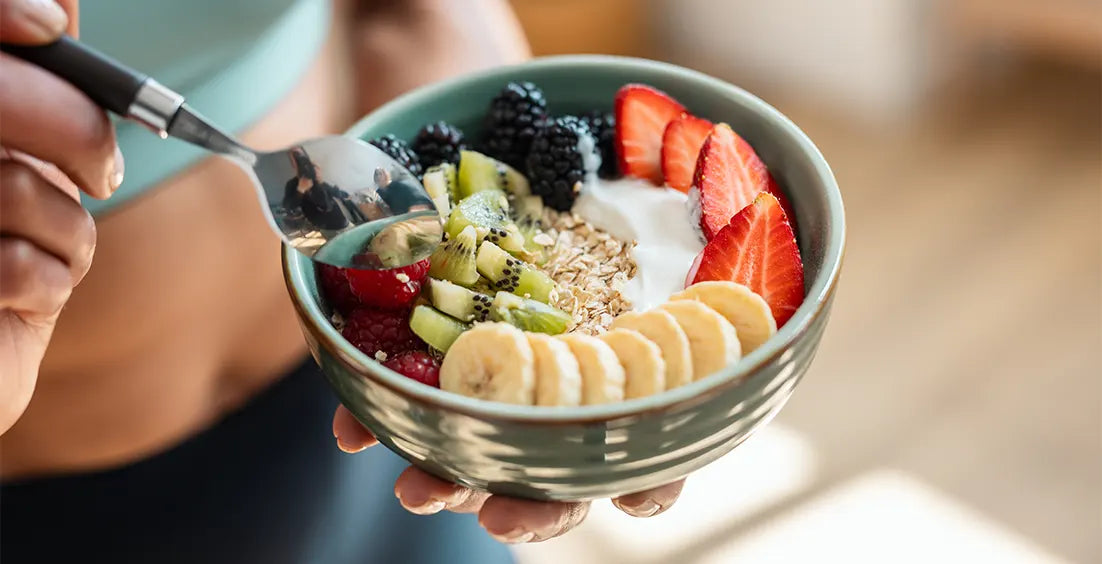


Soluble vs. Insoluble Fiber: Which One is Best For You?
Learn the difference between soluble vs insoluble fiber, their health benefits, food sources, and how each supports digestion and overall wellness.
 By WOWMD Staff

 Fact Checked
Advertiser Disclosure: WOWMD independently vets all recommended products. If you purchase a featured product, we may be compensated. Learn why you can trust us.

Fiber is an essential nutrient that your body needs. “Both soluble and insoluble fiber have key roles to play in healthy digestion,” says Eileen Wang, MD, MSCP.
Among the different types of fiber, soluble and insoluble are the most discussed. But what is the difference between them and which one do you need for your overall health?
Let’s explore both types of fiber and their benefits for your overall health.
Key Takeaways
- Soluble fiber is the type that dissolves in water. It is great for lowering cholesterol levels.
- Insoluble fiber is the one that adds bulk to stool and can make your digestive tract more regular.
- Both types of fiber will play a big role in gut health and digestion.
- A balanced diet that includes both of these will provide you with the most health benefits.
What is Fiber?
Before we look more at the different types of fiber, we need to look at what fiber is and why it is important.
“Fiber is a type of carbohydrate. Carbohydrates, proteins, and fats are the three macronutrients, so, contrary to popular belief, fiber is not a protein. Fiber is a substance that your body cannot digest, and is found in plant foods,” Dr. Carmen Fong, M.D., FACS, a board-certified General & Colorectal Surgeon & Chief Medical Officer at Bummed.
It comes in two primary forms: soluble and insoluble. Both have their own unique properties and health benefits.
Boost Your Gut Health and Digestive Balance – Shop WOWMD Colon Sweep Now!
The Benefits and Sources of Soluble Fiber
First, we can discuss soluble fiber. This is the type of fiber that can dissolve in water. It forms a gel-like substance inside the stomach. As the gel forms, it will slow down digestion. This actually has some health benefits, including:
- Lowering cholesterol: “Lowers blood cholesterol by forming a gel in the gut and removing dietary cholesterol through stool,” says Eileen.[1] Soluble fiber binds to cholesterol in the stomach, preventing it from being absorbed into the bloodstream.
- Regulating blood sugar: By slowing down digestion, soluble fiber will regulate blood sugar levels.[2] This can make it good for those suffering from diabetes.
- Supporting heart health: Research shows that a diet higher in soluble fiber may reduce the risk of heart disease.[3] It does this by improving cholesterol levels and promoting healthy blood vessels.
Advertisement

 *All individuals are unique. Your results can and will vary.
Sources of Soluble Fiber
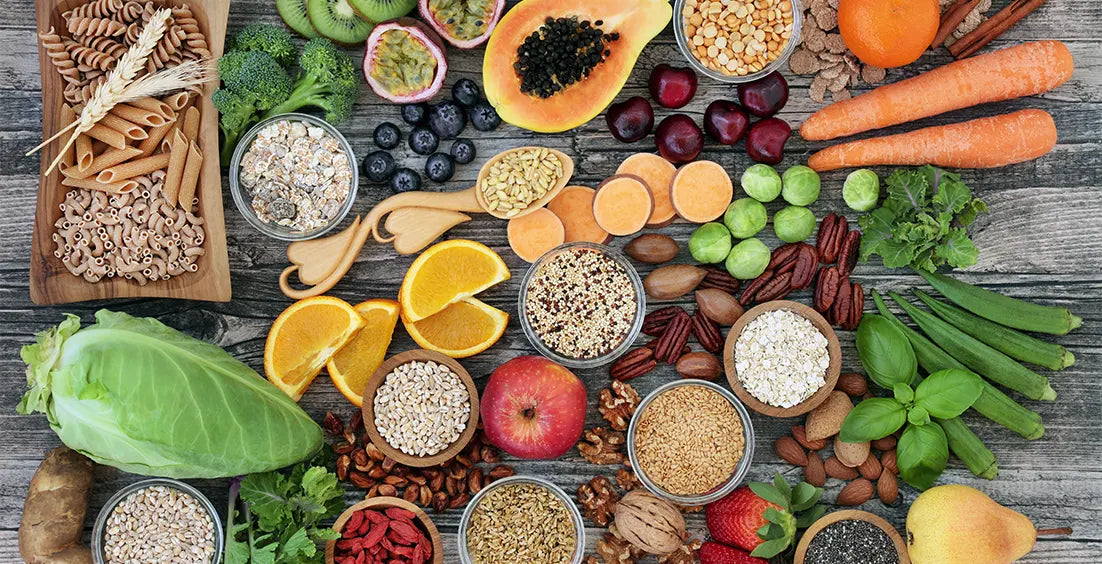
It is possible to find soluble fiber in many foods including:
- Oats and barley
- Apples, pears, and other citrus fruits.
- Legumes like lentils and beans
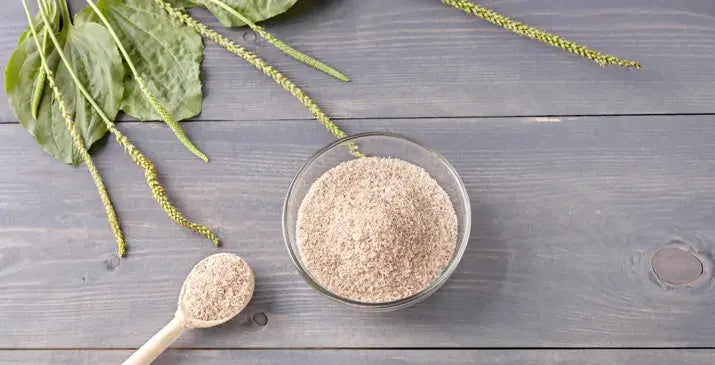
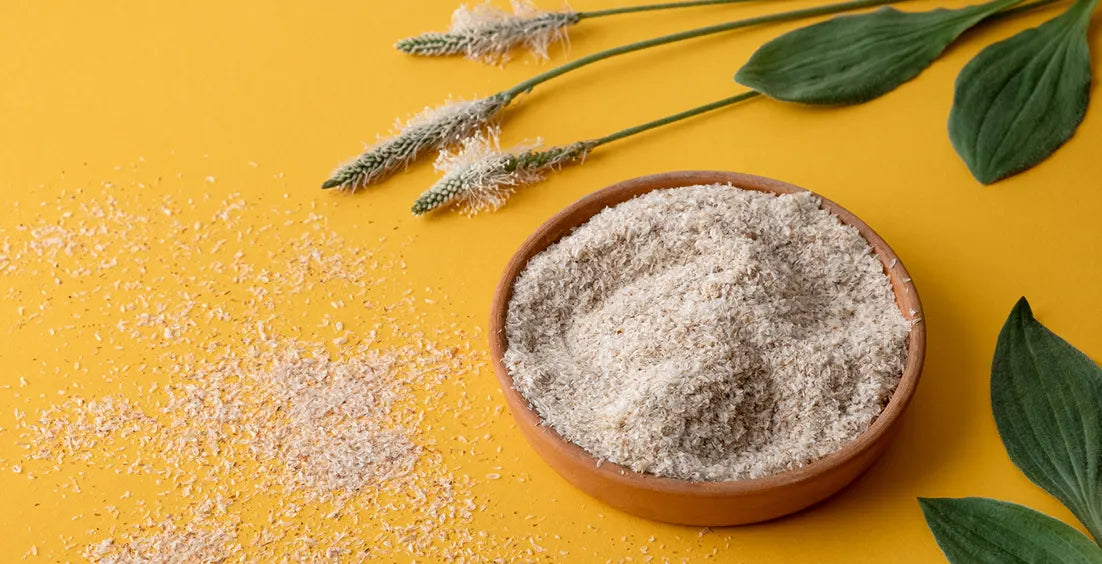
- Psyllium husk
- Sweet potatoes and carrots
It is a good idea to aim for 25 to 30 grams of fiber each day. Adding the foods above to your diet can help.
The Benefits and Sources of Insoluble Fiber
Another source of fiber to consider is insoluble fiber. This one does not dissolve in water. Rather than dissolving, it absorbs water as it moves through your digestive tract. This adds bulk to your stool while helping prevent constipation.
Some of the benefits of insoluble fiber include:
- Promotes regular bowel movements: Insoluble fiber helps food pass through more quickly. This can aid in digestion while preventing constipation.[4]
- Supports digestive health: By promoting regularity and preventing constipation, insoluble fiber helps to maintain a healthy colon. This can reduce the risk of developing hemorrhoids and other conditions.[5]
- Weight management: Since insoluble fiber will add bulk to the digestive system, it can aid in weight loss, says Carmen.[6] You feel fuller for longer, without taking in as many calories as before.
Sources of Insoluble Fiber
There are several places where you can get insoluble fiber to help your body stay healthy. Some good sources include:
- Whole grains like wheat bran and brown rice.
- Nuts and seeds
- Leafy green vegetables like kale and spinach
- The skin of fruits and vegetables.
A diet that is high in insoluble fiber can help your digestive system run smoothly.
What’s the Difference Between Soluble and Insoluble Fiber?
While both of these are types of fiber, there are some differences between them. “These two differ in how they interact with water: soluble fiber depresses digestion and binds liquid while insoluble fiber keeps the digestion flowing,” says Peter Miller, an ISSN-certified and performance nutrition coach specializing in combat sports.
Soluble fiber, for example, dissolves in water. As it dissolves, it forms a gel that will stick to the stomach, holding onto cholesterol and regulating blood sugars. Regulating and removing both of those are so good for your health.
Then there is insoluble fiber. This type will not dissolve in water. But it does add some bulk to the digestive system. This can prevent constipation. If you struggle with regular bowel movements, then this is the one to increase in your diet,
Despite these differences, both types of fiber are important. You need to add them to your balanced diet if you want to maintain optimal health.
Comparison Table - Soluble vs. Insoluble Fiber
| Feature | Soluble Fiber | Insoluble Fiber |
|---|---|---|
| Solubility | Dissolves in water | Does not dissolve in water |
| Effect on digestion | Slows down digestion | Adds bulk to stools |
| Gut bacteria | Feeds beneficial gut bacteria | Cleanses the colon |
| Health benefits | Regulates blood sugar, lowers cholesterol, improves gut health | Prevents constipation, removes waste products |
| Sources | Oats, beans, lentils, apples, bananas | Whole grains, vegetables, nuts |
How Much Fiber Do You Need?
While you may know that you need both types of fiber, how much fiber is necessary for a healthy diet? “Here is a table recommending the USDA & USDHHS Dietary Guidelines for Americans based on age and sex; over 90% of Americans do not meet fiber goals.”[7] 📊
| Age (Years) | Male (g/day) | Female (g/day) |
|---|---|---|
| 2 to 3 | 19 | 19 |
| 4 to 8 | 25 | 25 |
| 9 to 13 | 31 | 26 |
| 14 to 18 | 38 | 26 |
| 19 to 30 | 38 | 25 |
| 31 to 50 | 38 | 25 |
| 51 and older | 30 | 21 |
- 25 grams of fiber a day for women
- 38 grams of fiber a day for men.
Most people get significantly less fiber than recommended. The average person takes in about 15 grams of fiber a day.[8] Aiming to add a bit more fiber, both soluble and insoluble, can help improve digestive health.
Can I Get Both Types of Fiber from the Same Food?
Since fiber is so important, making adjustments to your diet can help you get the amount that you need. The neat thing is there are several foods that contain both types of fiber in one. These include:
- Fruits: Apples and citrus fruits are full of both insoluble and soluble fiber. The soluble fiber is found in the pulp, while the insoluble is found in the skin. So eat those apples to stay healthy.
- Vegetables: Some vegetables, like carrots and sweet potatoes, will provide the soluble fiber you need. Leafy greens like kale and spinach are perfect for insoluble fiber.
- Legumes: Beans and lentils often have a combination of both types of fiber. Fill up your plate or add some into your soups to get more fiber easily.
A balanced diet that includes a variety of whole grains, vegetables, fruits, legumes, and nuts will help you meet your dietary fiber needs. Try to add some variety to make this easier.
Advertisement

 *All individuals are unique. Your results can and will vary.
Which Fiber Can Help with Weight Loss?
Fiber plays a big role in weight management. “This indigestibility is actually its weight loss superpower, allowing fiber to pass through the stomach, small intestine and colon relatively intact,” says Candice Seti, a licensed clinical psychologist and weight loss therapist.
Both soluble and insoluble fiber contributes to this, but they do it differently.
Soluble fiber helps with weight loss by slowing down digestion and keeping you full for longer. It also plays a role in stabilizing blood sugar levels, which can stop you from overeating.
Insoluble fiber works a little bit differently. It will promote regular bowel movements, which can fight off bloating and discomfort after meals.
If you have weight loss goals to meet, it is a good idea to include some of both in your diet. You will find that this can make it easier to lose weight, without all the cravings.
What Fiber Is Best for Gut Health?
For a really healthy gut, you don't have to choose one "best" fiber; you need them both: soluble and insoluble fiber. They work synergistically to provide balance and efficiency in the digestive system.
“Soluble fiber in particular is more beneficial for gut health as it is fermented by gut microbiomes and in turn produces short chain fatty acids (SCFAs) as a beneficial byproduct. SCFAs help nourish the cells lining the colon, reduce inflammation, and strengthen the gut barrier, which protects against harmful bacteria and toxins,” says, Amy Chow, RD.
Meanwhile, insoluble fiber works like a bulking agent, which is absolutely necessary for regularity. It accelerates the movement of food residues along the colon to prevent constipation and make sure toxins and metabolic end-products are cleared without delay.
The best gut health strategy is a high-fiber diet rich in a variety of plant foods, while ensuring you're getting the full spectrum of digestive benefits from both types.
Does Fiber Increase Hydration?
“Yes, fiber does increase hydration, but only when taken with enough water. Soluble fiber keeps water. This helps soften the stool and support hydration in the gut. Without hydration, fiber can actually cause constipation which surprises many people,” says Dr. Michael Chichak, MD.
Insoluble fiber also plays an indirect role. While it doesn't dissolve or absorb water like its soluble counterpart, it adds bulk to the stool and accelerates the transit time. This process requires adequate intake of water to function smoothly.
In fact, to maximize these benefits and avoid constipation, you should increase your water intake as you increase your fiber intake. Think of fiber like a sponge; for fiber to be effective, it needs water. By including both forms of soluble and insoluble fiber and plenty of fluids, you support optimal hydration and digestive health.
Risks of Taking Too Much Fiber
Some research suggests that eating too much fiber may cause:
- excess gas
- flatulence (farting)
- bloating
- abdominal pain
- constipation or diarrhea (especially if fluid intake is low or fiber is increased too quickly)
- intestinal obstruction (a rare but serious risk)
- reduced absorption of minerals (such as iron, zinc, and calcium)
Speak with a healthcare professional if you frequently experience these symptoms. They may be a sign of a health condition that could require medical treatment, such as Irritable Bowel Syndrome (IBS), or simply an indication that you need to gradually adjust your fiber and fluid intake.
Advertisement

 *All individuals are unique. Your results can and will vary.
Conclusion
There are a lot of nutrients that are important to your health. But fiber is an essential nutrient that will help you with a healthy gut, fight chronic diseases, and manage your weight. There are several types of fiber to worry about and figuring out how each supports your body will help you make the best decisions.
The best way to support your overall health is to make sure that you include a wide variety of fiber-rich foods in your routine. Consider both soluble and insoluble fibers to help you out here!
Experience the Fiber Difference for Real Relief – Try WOWMD Colon Sweep Today!
FAQs
Meet The Expert
- Eileen Wang, MD, MSCP, a physician entrepreneur at Modern Menopause.
- Dr. Carmen Fong, M.D., FACS, a board-certified General & Colorectal Surgeon & Chief Medical Officer at Bummed.
- Peter Miller, an ISSN-certified and performance nutrition coach specializing in combat sports.
- Candice Seti, a licensed clinical psychologist and weight loss therapist.
- Amy Chow, RD, a registered dietitian and CEO of BC Dietitians.
- Dr. Michael Chichak, MD, a physician at MEDvidi.
Our Top Picks


Fruits and Veggies

Birch Chaga Truffles

References
WOWMD follows strict sourcing guidelines to ensure the accuracy of its content, outlined in our editorial policy. We use only trustworthy sources, including peer-reviewed studies, qualified experts, and information from top institutions.


- Soluble fiber lowering cholesterol https://pubmed.ncbi.nlm.nih.gov/9925120/
- Soluble fiber and blood sugar levels https://pmc.ncbi.nlm.nih.gov/articles/PMC9736284/
- Soluble fiber and heart health https://pmc.ncbi.nlm.nih.gov/articles/PMC5731843/
- Insoluble fiber and constipation https://pmc.ncbi.nlm.nih.gov/articles/PMC3435786/
- Insoluble fiber and hemorrhoids https://pubmed.ncbi.nlm.nih.gov/16405552/
- Insoluble fiber and weight management https://pmc.ncbi.nlm.nih.gov/articles/PMC6768815/
- Dietary Reference Intakes: The Essential Guide to Nutrient Requirements (2006) https://nap.nationalacademies.org/read/11537/chapter/11
- Fiber intake https://nutrition.org/most-americans-are-not-getting-enough-fiber-in-our-diets/