

How Much Sea Moss Per Day: According to Dietician
Learn how much sea moss to take daily, including recommended amounts for gel, powder, and raw sea moss, plus safety tips and precautions.
 By WOWMD Staff

 Fact Checked
Advertiser Disclosure: WOWMD independently vets all recommended products. If you purchase a featured product, we may be compensated. Learn why you can trust us.


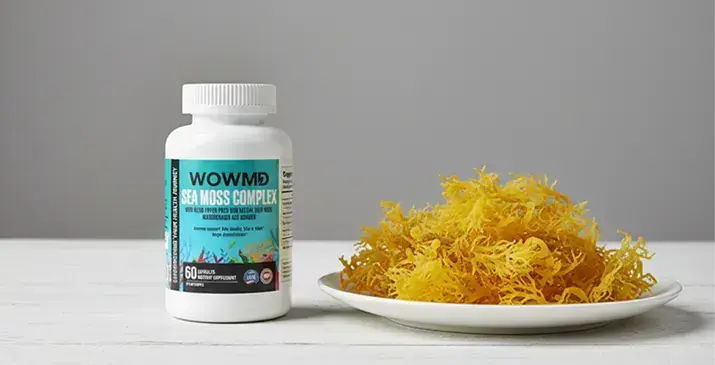
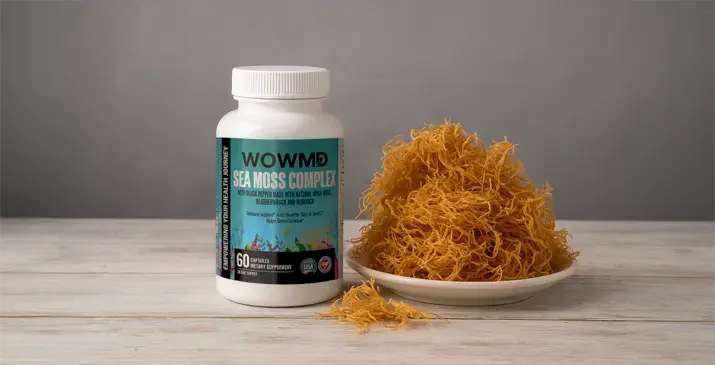
Sea moss or as some may refer to it as Irish moss is a red algae that is commonly found on the rocky shores of the Atlantic. This food-rich algae has been consumed for ages in places like Ireland and the Caribbean, not only for food but also for medical purposes.
In ancient days, sea moss has been used as a stabilizer or as a thickening agent in culinary practices. It has recently risen to become one of the most sought-after new-world superfoods that many have integrated into their diets because of its nutrient composition.
Benefits of Daily Sea Moss Intake
Sea moss is rich in vitamins and minerals, which serve as a remedy for many illnesses. Sea moss is nutrient-dense and packed with vitamins and minerals.
The juice of the sea moss also has the following benefits: people are particularly encouraged to consume this plant due to its immune-boosting properties, as it contains vitamins C, A and E. It also contains Iodine that is essential for the functioning of the thyroid gland.
Furthermore, sea moss aids in digestion, as it is rich in prebiotics, which are known to boost the growth of gut-friendly bacteria. Antioxidants are also present to help guard cells and decrease inflammation.
When taken in its natural form, sea moss has been said to increase energy levels, improve skin health, and improve general health, making it ideal for anyone seeking improved health.
Learn about the Health Benefits of Sea Moss in this detailed video explanation by Dr. Jen Caudle:
Recommended Daily Sea Moss Dosage
Standard Sea Moss Dosage for Different Forms
| Form | Daily Intake | Usage |
|---|---|---|
| Sea Moss Gel | 1-2 tablespoons | Add to smoothies, soups, and recipes |
| Sea Moss Capsules | 1-2 capsules | Convenient, on-the-go option |
| Raw Sea Moss | 4-8 grams (after soaking and blending) | Blend into gel form |
| Sea Moss Powder | 4-8 grams | Mix into drinks or sprinkle on meals |
Factors Influencing Sea Moss Dosage
Today, sea moss has been placed into the category of superfoods, primarily due to the fact that it is such a rich source of nutrients and compounds that improve health. However, knowing the right dosage is crucial for the effectiveness of the medicine.
Age, Health Goals, and Personal Tolerance- Age: Younger individuals or those new to sea moss should start with a smaller dose, such as 1 tablespoon, to monitor their body's response. Gradually increase the dosage as tolerated, keeping in mind any noticeable changes.
- Health Goals: Tailor the dosage to your specific health goals. For boosting energy levels, 1–2 tablespoons daily might be effective. Enhancing skin health may require consistent daily intake while improving digestion could benefit from a similar amount, adjusted based on results.
- Personal Tolerance: Assess your tolerance to determine the ideal daily dosage of sea moss. Start with a small amount, gradually increase it, and start observing how your body reacts and adjusting as necessary to avoid adverse effects.
General Guidelines for Beginners and Experienced Users
Sea moss beginners should try to incorporate sea moss slowly into their systems by gradually building up their consumption rate. Consider starting with a half serving to allow your body to grow accustomed to the plant before attempting a full serving size.
Advertisement


This approach also assists in preventing the possibility of an upset stomach.
“Sea moss is a good source of fiber, which can aid digestion and promote gut health. However, its high iodine content means that excessive consumption could lead to health issues, so it's best to consume it in recommended amounts." — According to Courtney Pelitera, RD, Registered Dietitian Nutritionist.
People who have used sea moss before can take the standard dose, altering dosage depending on the individual’s health goals and endurance.
However, it is important to make sure that the sea moss you take is standard and safe, depending on the source of the sea moss. However, while using this drink, it is recommended to consult your doctor, particularly if you have underlying medical conditions or you are on other medication.
Adjustments for Specific Health Conditions or Dietary Needs
For example, those with thyroid conditions should exercise some caution because sea moss is known to be rich in iodine.
Some individuals that have special diet concerns or sensitive stomachs can try using sea moss in the form of gel or powder. Seeking the opinion of a healthcare provider can help to make the use of sea moss safe and efficient.
Implementing these factors into the equation can assist you in reaping the full benefits of sea moss while not being harmful to your body.
How to Take Sea Moss Safely
Sea moss, known for its rich nutritional profile, has become a favorite for those aiming to enhance their health naturally. However, ensuring safe consumption is essential. Here’s a simplified guide to help you effectively incorporate sea moss into your daily routine.
Importance of Not Exceeding the Recommended Dosage
- Stay Within Limits: The suggested daily intake is about 1 to 2 tablespoons, translating to approximately 4 to 8 grams. Overconsumption can lead to health issues due to high iodine levels, potentially causing thyroid imbalances.
- Beware of Side Effects: Taking more than the recommended amount may lead to complications, including thyroid problems and potential iodine toxicity. Always consult with a healthcare professional, especially if you have existing health conditions.
Tips for Incorporating Sea Moss Into Meals or Routines
- Smoothies and Juices: Taking sea moss gel is best to incorporate in a morning beverage, such as a smoothie or juice.
- Soups and Stews: Include sea moss in dishes that require thickening, such as soups and stews, to add nutrition without altering its taste.
- Baked Goods: Take your baked goods to the next level by adding sea moss powder while simultaneously providing them with a little nutrition boost.
By following dosing recommendations appropriately, you will be able to take sea moss supplements in its many forms without worrying about adverse effects and make the superfood become a part of your healthy lifestyle. Remember to stick to effective measures and dosage, and have fun while improving your health.
Advertisement


Potential Side Effects and Precautions
There are reported side effects and precautions that one has to know while consuming superfoods like sea moss. Here are some common side effects and tips on how to reduce their impact:
- Iodine Sensitivity: Because sea moss contains a lot of iodine, those who have thyroid problems may experience some issues. As a precaution, if you have thyroid issues, it is advisable to seek medical advice before incorporating sea moss into your diet.
- Allergic Reactions: Sea moss is a kind of seaweed, so people who are allergic to seafood will experience some kind of allergic reaction when they take sea moss. Take a small portion first to be aware of how the body will react.
- Digestive Discomfort: It may cause digestive issues like bloating or diarrhea whenever taken in large amounts, raising concerns such as can magnesium cause diarrhea. They should take between 4 and 8 grams daily, and it is suggested to build it up bit by bit.
- Medication Interactions: Sea moss has effects on medications, especially those that influence the thyroid glands. You should consult with your doctor if you use any medication to determine if they are safe to use together.
When to Consult a Healthcare Provider
- Existing Health Conditions: If you have pre-existing health conditions, such as thyroid disorders or allergies, seek professional advice before incorporating sea moss into your routine.
- Pregnancy and Nursing: Pregnant or nursing women should consult their healthcare provider to understand the effects of sea moss and decide on a safe dosage.
- Medication Use: Individuals taking medication for thyroid or anticoagulant therapy should consult a healthcare provider to prevent adverse interactions.
In summary, while sea moss offers numerous health benefits, it is crucial to understand its potential side effects and take necessary precautions. By consulting a healthcare provider and adhering to recommended dosages, you can safely enjoy the advantages of sea moss as part of a balanced diet.
ALSO READ - Is Irish Sea Moss Good for Your Skin?
Advertisement


Conclusion
The nutritional values found in sea moss supplement can improve your well-being and make a huge difference if you incorporate sea moss into your daily diet routine. When administered and consumed according to the prescribed dosage, it brings benefits such as a strengthened immune system, proper thyroid support, and healthy digestion.
Remain updated, vigilant, and open to the expansive healing benefits of this remarkable, naturally occurring food.
Let sea moss complex become one of the valuable products to enhance your health experience, offering its best while preserving your well-being.
This article is for informational purposes only and is not a substitute for professional medical advice, diagnosis, or treatment. Statements made on this website have not been evaluated by the U.S. Food and Drug Administration. Always consult a qualified healthcare professional before making changes to your diet, supplements, medications, or healthcare routine.
Our Top Picks


Greens Blend

VitaSun Vitamin K2+D3

References
WOWMD follows strict sourcing guidelines to ensure the accuracy of its content, outlined in our editorial policy. We use only trustworthy sources, including peer-reviewed studies, qualified experts, and information from top institutions.


- An Overview to the Health Benefits of Seaweeds Consumption https://pmc.ncbi.nlm.nih.gov/articles/PMC8232781/
- Iodine - Health Professional Fact Sheet https://ods.od.nih.gov/factsheets/Iodine-HealthProfessional/
- Risks and benefits of consuming edible seaweeds https://pmc.ncbi.nlm.nih.gov/articles/PMC6551690/
- The Overview of the Health Benefits of Seaweed Consumption https://pmc.ncbi.nlm.nih.gov/articles/PMC8232781/
- The Seaweed Diet in Prevention and Treatment of the Neurodegenerative Diseases https://pmc.ncbi.nlm.nih.gov/articles/PMC7996752/
- Seaweeds as a Functional Ingredient for a Healthy Diet https://pmc.ncbi.nlm.nih.gov/articles/PMC7345263/