

Foods High in B Vitamins: Dietician Recommended
Discover foods high in B vitamins, including whole grains, meat, seafood, eggs, dairy, legumes, nuts, seeds, and leafy greens.
 By WOWMD Staff

 Fact Checked
Advertiser Disclosure: WOWMD independently vets all recommended products. If you purchase a featured product, we may be compensated. Learn why you can trust us.

B vitamins are a group of water-soluble vitamins that play essential roles in energy production, metabolism, and overall cellular function. They help the body convert food into energy, support brain function, and contribute to red blood cell formation. Since they are water-soluble, the body does not store them well, requiring regular intake through diet or supplements.
List of B Vitamins
- Vitamin B1 (Thiamine)
- Vitamin B2 (Riboflavin)
- Vitamin B3 (Niacin)
- Vitamin B5 (Pantothenic Acid)
- Vitamin B6 (Pyridoxine)
- Vitamin B7 (Biotin)
- Vitamin B9 (Folate/Folic Acid)
- Vitamin B12 (Cobalamin)
Why Is Vitamin B Important?
Vitamin B is crucial for maintaining good health and well-being. The B vitamin group plays a vital role in numerous bodily functions, including energy production, brain health, red blood cell formation, and DNA synthesis.
Key Benefits of B Vitamins
- Energy Production: B vitamins help convert carbohydrates, fats, and proteins into energy, keeping your body active and reducing fatigue.
- Brain Function & Mental Health: Vitamins B6, B9 (Folate), and B12 are essential for neurotransmitter function, reducing the risk of cognitive decline, depression, and memory loss.
- Red Blood Cell Formation: Vitamin B12 and B9 support the production of red blood cells, preventing anemia and ensuring oxygen is efficiently transported throughout the body.
- Heart Health: Vitamins B6, B9, and B12 help regulate homocysteine levels, reducing the risk of heart disease.
- Nerve Function: Vitamin B1 (Thiamine) and B12 play a key role in maintaining a healthy nervous system and preventing nerve damage. Including a thiamine supplement in your daily routine can help support proper nerve function, especially in cases of deficiency.
- Cell Growth & DNA Production: Vitamin B9 (Folate) is essential for cell division, particularly important during pregnancy to prevent birth defects.
- Healthy Skin, Hair, and Nails: Vitamin B2 (Riboflavin), B3 (Niacin), and B7 (Biotin) contribute to glowing skin, strong nails, and healthy hair growth.
- Immune System Support: B vitamins help in the production of white blood cells, keeping the immune system strong and effective.
Deficiencies in B vitamins can lead to symptoms such as fatigue, weakness, anemia, mood changes, nerve problems, skin disorders, and an increased risk of chronic illnesses. Best B vitamins are found in a variety of foods, making it essential to consume a balanced diet rich in B vitamin sources.
Advertisement


How Much Vitamin B is Needed Daily?
The daily recommended intake of B vitamins varies by age, gender, and health conditions. Below is a general guideline for adults:
- Vitamin B1 (Thiamine): 1.1 mg for women, -1.2 mg for men per day
- Vitamin B2 (Riboflavin): 1.1 mg for women-1.3 mg for men per day
- Vitamin B3 (Niacin): 1.4mg mg for women-1.6mg for men per day
- Vitamin B5 (Pantothenic Acid): 5 mg per day
- Vitamin B6 (Pyridoxine): 1.3 mg for women -1.7 mg for men per day
- Vitamin B7 (Biotin): 30 mcg per day
- Vitamin B9 (Folate/Folic Acid): 400 mcg per day (600 mcg for pregnant women)
- Vitamin B12 (Cobalamin): 2.4 mcg per day
These values ensure proper energy metabolism, brain function, and overall well-being. Certain groups, such as pregnant women, older adults, and individuals with certain health conditions, may require higher amounts of supplementation.
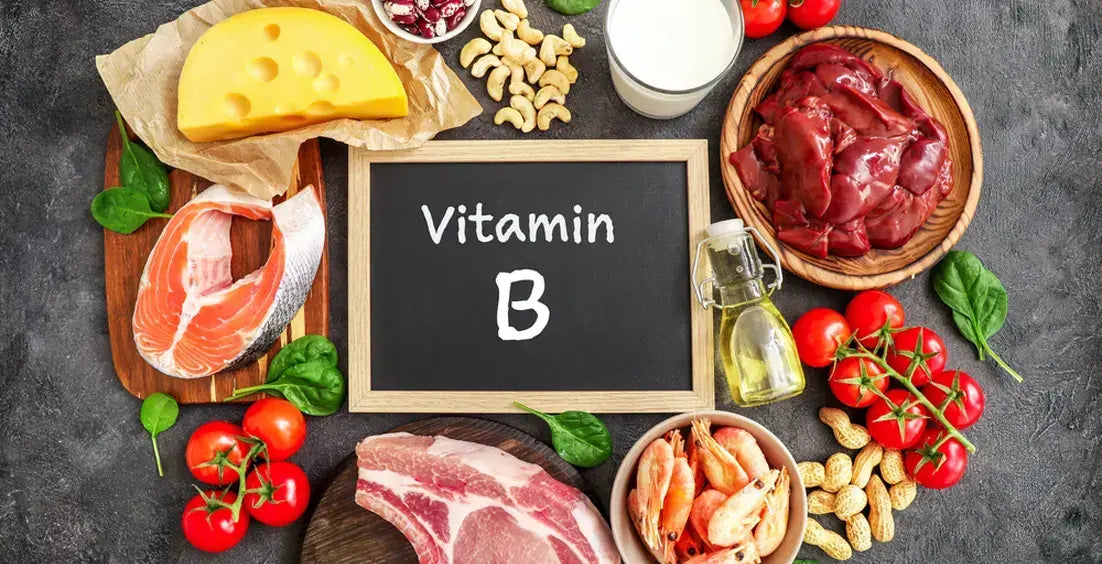
Foods High In Vitamin B
A variety of foods provide a rich source of B vitamins. Including these in your diet ensures optimal health and energy levels:
- Whole grains (brown rice, oatmeal, whole wheat bread)
- Lean meats (chicken, turkey, beef, pork)
- Seafood (salmon, tuna, sardines, mussels, clams)
- Dairy products (milk, cheese, yogurt, eggs)
- Legumes (lentils, any beans, chickpeas)
- Nuts & seeds (almonds, sunflower seeds, peanuts)
- Leafy greens (spinach, kale, asparagus)
- Fruits (bananas, avocados, citrus fruits)
- Fortified foods (cereals, nutritional yeast, plant-based dairy alternatives such as almond milk)
For a deeper dive into the best food sources of B vitamins to keep in your kitchen, check out Andrew Weil, M.D., Discusses Common Food Sources of B Vitamins for a Healthy Kitchen.
Certain foods are particularly rich in specific B vitamins:
- Vitamin B1 (Thiamine): Whole grains, pork, sunflower seeds
- Vitamin B2 (Riboflavin): Dairy, eggs, lean meats, mushrooms
- Vitamin B3 (Niacin): Chicken, tuna, peanuts, brown rice
- Vitamin B5 (Pantothenic Acid): Avocados, sweet potatoes, eggs
- Vitamin B6 (Pyridoxine): Poultry, bananas, potatoes, spinach
- Vitamin B7 (Biotin): Eggs, nuts, whole grains
- Vitamin B9 (Folate): Leafy greens, lentils, citrus fruits
- Vitamin B12 (Cobalamin): Meat, seafood, dairy, fortified foods
Eating a variety of these vitamin B foods ensures you meet your daily requirements naturally.
What Happens If You Have A Vitamin B Deficiency?
A deficiency in B vitamins can lead to a range of health issues, depending on which B vitamin is lacking. Common symptoms and complications include:
- Fatigue and Weakness: A lack of B vitamins can cause low energy levels and persistent tiredness.
- Anemia: Vitamin B12 and B9 deficiencies lead to inadequate red blood cell production, resulting in anemia, dizziness, and shortness of breath.
- Nerve Damage: Insufficient B12 and B1 levels can lead to tingling, numbness, and nerve dysfunction, potentially causing long-term neurological issues.
- Cognitive Impairments: Deficiencies in B6, B9, and B12 may contribute to memory problems, confusion, and an increased risk of dementia.
- Depression and Mood Disorders: B6, B9, and B12 play key roles in neurotransmitter regulation; deficiencies in these vitamins have been linked to mood swings, anxiety, and depression.
- Skin Problems: A lack of B2, B3, or B7 can cause dry skin, rashes, cracked lips, and other dermatological conditions.
- Hair Loss and Brittle Nails: Vitamin B7 deficiency is associated with thinning hair, brittle nails, and weak hair growth.
- Compromised Immune System: Without enough B vitamins, the body struggles to produce white blood cells, weakening immune function and increasing susceptibility to infections.
- Heart Disease Risk: Elevated homocysteine levels due to low B6, B9, and B12 levels can contribute to cardiovascular issues.
If you suspect a deficiency, it's essential to increase your dietary intake of B vitamin foods or consider supplements as recommended by a healthcare provider.
Advertisement


Can You Take Too Much Vitamin B?
If you consume in excess, taking extremely high doses—especially through supplements—can lead to adverse effects.
Potential Risks of Excessive B Vitamin Intake
- Vitamin B3 (Niacin): High doses (over 35 mg daily) can cause flushing, liver damage, digestive issues, and high blood sugar levels.
- Vitamin B6 (Pyridoxine): Consuming more than 100 mg daily can lead to nerve damage, numbness, and neurological symptoms over time.
- Vitamin B9 (Folate): Excess folic acid can mask B12 deficiency symptoms, leading to potential neurological damage.
- Vitamin B12 (Cobalamin): While generally considered safe, excessive B12 intake (through injections or supplements) can lead to acne breakouts, dizziness, or kidney issues in those with pre-existing conditions.
Safe Supplementation
Most people get enough B vitamins through a balanced diet. However, supplementation may be necessary for certain individuals, such as those with deficiencies, pregnant women, older adults, and those on restrictive diets. Always consult a healthcare professional before taking high-dose B vitamin supplements to avoid potential risks.
Should I take Vitamin B Supplements?
It depends on your diet and individual needs. If you eat a well-balanced diet rich in vitamin B foods, such as whole grains, meat, dairy, eggs, and leafy greens, you may not need a supplement. However, certain groups may benefit from supplementation, including:
- Pregnant Women: Need extra folate (B9) to prevent birth defects.
- Older Adults: May have trouble absorbing B12 from food.
- Vegans & Vegetarians: B12 is primarily found in animal products, so supplements are often necessary.
- People with Medical Conditions: Those with digestive disorders (e.g., Crohn’s, celiac disease) or those who have had weight-loss surgery may have trouble absorbing B vitamins.
- Individuals with High Alcohol Intake: Alcohol interferes with B vitamin absorption, leading to deficiencies.
For those at risk of deficiency or who want assurance they’re getting enough B vitamins, Natalie Romito, RDN, LD. offers this advice:
If somebody really wants to take a supplement, I encourage you to look for ones that have 100% of the recommended dietary allowance. Some of those products contain super high doses — 2,000% of the RDA and even higher. More is not always better. And in some cases, it can be harmful.
If you're unsure, consult a healthcare provider to check if you need a B vitamin supplement.
Conclusion
Incorporating a variety of foods rich in B vitamins ensures optimal health and energy levels. Whether you're looking for foods high in vitamin B1, vitamin B2-rich foods, or the best B vitamins for energy, a balanced diet with whole foods is the best source.
Advertisement


For conversion purposes, 240ml to oz equals 8 ounces, useful when measuring liquid B vitamin sources like dairy or fortified drinks.
Stay bee-healthy by including the best B vitamin sources in your diet!
This article is for informational purposes only and is not a substitute for professional medical advice, diagnosis, or treatment. Statements made on this website have not been evaluated by the U.S. Food and Drug Administration. Always consult a qualified healthcare professional before making changes to your diet, supplements, medications, or healthcare routine.
Our Top Picks

Blood Sugar Ultra Advanced Formula

Neuro Plus Brain & Focus Formula

References
WOWMD follows strict sourcing guidelines to ensure the accuracy of its content, outlined in our editorial policy. We use only trustworthy sources, including peer-reviewed studies, qualified experts, and information from top institutions.


- LiverTox: Clinical and Research Information on Drug-Induced Liver Injury [Internet]. Bethesda (MD): National Institute of Diabetes and Digestive and Kidney Diseases; 2012-. Vitamin B. [Updated 2021 May 27]. Available from: https://www.ncbi.nlm.nih.gov/books/NBK548710/
- Kennedy, D. O. (2016). B Vitamins and the Brain: Mechanisms, Dose and Efficacy—A Review. Nutrients, 8(2), 68. https://doi.org/10.3390/nu8020068
- Vitamin B12 Health Sheet For Health Professionals https://ods.od.nih.gov/factsheets/VitaminB12-HealthProfessional/
- Shipton, M. J., & Thachil, J. (2015). Vitamin B12 deficiency – A 21st century perspective. Clinical Medicine, 15(2), 145. https://doi.org/10.7861/clinmedicine.15-2-145