

Is It Safe To Take Fish Oil In Pregnancy?
Discover the importance of fish oil during pregnancy. Learn about its benefits for both mother and baby, including brain development.
 By WOWMD Staff

 Fact Checked
Advertiser Disclosure: WOWMD independently vets all recommended products. If you purchase a featured product, we may be compensated. Learn why you can trust us.


Pregnancy is an exciting journey filled with many questions, especially when it comes to staying healthy. Many expectant mothers ask, “is fish oil safe for pregnancy?” or “is fish oil good for pregnancy?” And if someone suggested yes, you might explore the best fish oil for pregnancy.
Generally speaking, fish oil—rich in omega‑3 fatty acids like DHA and EPA—can be a valuable addition to your prenatal routine when taken in the proper amounts.
In this guide, we’ll discuss how omega-3 supplements and pregnancy work together to support fetal development, explore what is the best fish oil to take, and answer questions such as
- Whether it’s safe to take fish oil during pregnancy?
- When is the best time to take fish oil supplements?
- How often should I take fish oil?
Let’s dive into the details so you can make an informed choice for both you and your baby.
Key Takeaways
- Nutritional Benefits: Fish oil is packed with DHA and EPA, essential for fetal brain and eye development, making it one of the best omega 3 for pregnancy.
- Safety Profile: Many expectant mothers often question fish oil overdose. Studies confirm that when taken at the right dosage, fish oil is safe for pregnancy.
- Dosing Guidelines: Following advice on how much omega 3 during pregnancy is key—too much omega 3 in pregnancy may lead to complications.
- Professional Advice: Always consult your healthcare provider about omega 3 supplements and pregnancy to ensure they fit your specific nutritional needs.
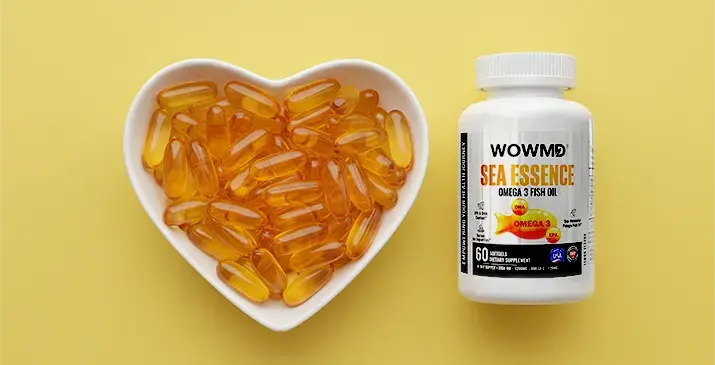
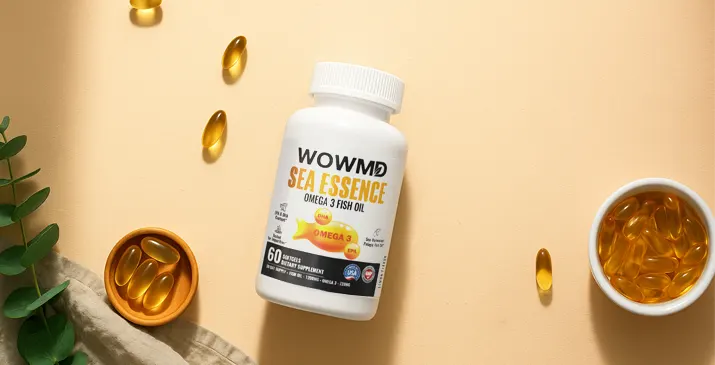
Ready to boost your heart and brain health? Shop for Sea Essence Omega 3 now!
The Benefits of Fish Oil for Pregnancy
 List of Benefits of Fish Oil for Pregnancy
Fish oil supplements offer a concentrated source of omega‑3 fatty acids, including DHA and EPA, which provide a range of benefits during pregnancy.
Here are some of the most important advantages:
Fetal Brain and Eye Development
DHA is a critical component for the development of the baby’s brain and retina. Many experts recommend DHA fish oil for pregnancy to help support cognitive function and visual acuity.[1] If you’re wondering, “what is the best fish oil to take?” look for products that provide a high concentration of DHA to aid in your baby’s neural and eye development.
Read More: Omega 3 For Dry Eyes
Advertisement


Reduction in Preterm Birth Risk
Research shows that omega‑3 supplements and pregnancy may reduce the risk of preterm labor.[2] By helping to modulate inflammation in the body, fish oil can create a more stable environment for your pregnancy. This benefit underscores why many mothers ask, “is fish oil safe during pregnancy?”—because the right dosage can be key to a healthier gestation period.
Support for Maternal Cardiovascular Health
Pregnancy can place extra strain on the cardiovascular system. Omega‑3 fatty acids are known for promoting healthy blood flow and reducing inflammation.[3] In fact, incorporating the best fish oil for women during pregnancy can help manage blood pressure and support overall heart health, ensuring that your body is well-equipped to support both you and your baby.[4]
Mood Stabilization and Reduced Postpartum Depression
Omega‑3 fatty acids may have a positive effect on mood stabilization. Some studies suggest that supplementing with fish oil might help reduce the risk of postpartum depression.[5] Whether you ask, “is it safe to take fish oil while pregnant?” or “should you take fish oil supplements” to support your emotional well-being, the research indicates potential benefits that extend beyond physical health.
Read More: How Does Omega-3 Help Mental Health?
Enhanced Immune Function and Metabolic Support
Fish oil not only bolsters the immune system but may also help regulate metabolism during pregnancy. For mothers who raise the question: “does omega 369 cause weight gain?” or “what are the implications of too much omega 3 pregnancy?” Fish oil can support healthy weight management by aiding in fat metabolism.[6] This can be especially beneficial when you’re monitoring how much omega 3 during pregnancy you need.
Did You Know
- DYK? The FDA and EPA recommend pregnant women in the U.S. consume 8 to 12 ounces per week of a variety of fish that are lower in mercury.[7]
- DYK? The Omega-3s DHA and EPA in fish oil are critical for the baby's brain and eye development, especially in the third trimester.[8]
- DYK? Many prenatal vitamins already contain 200 to 300 mg of DHA; a minimum daily intake of at least 200 mg of DHA is often recommended for pregnant women.[9]
- DYK? High-quality fish oil supplements are considered safe for pregnancy as the purification process removes mercury and other environmental toxins often found in whole fish.
Which Foods Contain Omega-3 Fish Oil?
Omega-3s are divided into three main types: DHA and EPA (found primarily in marine life) and ALA (found in plants). The body is most efficient at using DHA and EPA directly.
I. Marine Sources (Rich in DHA and EPA)
These are the most potent food sources for the Omega-3s essential for brain and eye health, particularly during pregnancy.
- Salmon (Wild or Farmed): A popular, fatty fish and one of the richest sources of DHA and EPA. It is also an excellent source of protein and Vitamin D. It is recommended for pregnant women to consume 2-3 servings per week.
- Sardines: Small, oily fish often sold canned (in oil or water). They are exceptionally high in Omega-3s, contain very little mercury, and provide Calcium when the bones are consumed.
- Mackerel: A smaller, high-fat fish (excluding King Mackerel, which is high in mercury). Atlantic or Pacific Mackerel varieties are excellent for Omega-3s and are generally low in contaminants
- Herring: Another small, oily fish, often consumed smoked or pickled. Herring is highly concentrated in both DHA and EPA, making it a powerful dietary source
- Anchovies: Tiny, oily fish with a distinct flavor, often used in sauces or pizza toppings. They are very high in Omega-3 content and are considered a low-mercury option.
- Trout (Rainbow/Freshwater): A good source of Omega-3s that is generally low in mercury. It offers a milder flavor compared to some other oily fish.
- Oysters: Shellfish that are a nutrient powerhouse, offering DHA, EPA, Zinc, and Vitamin B12. They must be cooked thoroughly, especially during pregnancy.
II. Plant Sources (ALA)
Plant-based foods contain Alpha-Linolenic Acid (ALA). While beneficial, the human body converts ALA to the active forms (DHA and EPA) at a very low rate (less than 15%). They are vital for vegetarians and vegans.
- Flaxseeds (Ground): Rich in ALA and a great source of fiber. Flaxseeds must be ground before eating to allow the body to properly absorb the Omega-3 content.
- Chia Seeds: Tiny black or white seeds known for their high ALA, fiber, and protein content. They can be added easily to smoothies, yogurt, or used to make chia pudding.
- Walnuts: The only common nut to contain significant amounts of ALA. Walnuts are also rich in antioxidants and Vitamin E, promoting overall cognitive health.
- Soybean Oil: A common cooking oil derived from soybeans. While it contains ALA, it is important to balance its intake with marine sources if possible, as it also contains high levels of Omega-6.
Safety, Dosage, and Timing Considerations
When asking “is fish oil safe for pregnancy?” It's important to address several key points regarding dosage, timing, and potential side effects. Here’s a brief overview:
- Is fish oil safe for pregnancy?
- How much fish oil for pregnancy?
- When to stop taking omega‑3 in pregnancy?
- Side effects of omega‑3 in pregnancy:
Generally safe when taken at the recommended dose; always check if it’s safe to take fish oil during pregnancy with your doctor.
Many experts suggest around 500–1,000 mg of combined DHA and EPA daily. If you’re wondering, “can I take 1000mg of fish oil while pregnant?” consult your provider for personalized advice.
Often, supplementation continues through pregnancy and sometimes into breastfeeding—discuss with your doctor when to stop taking coq10 when pregnant or other supplements.
Some minor gastrointestinal discomfort, such as fish oil nausea or even that “does fish oil make you poop” effect, may occur. Mild side effects are generally manageable with adjustments like taking your supplement with food.
These points help ensure that while omega 3 supplements and pregnancy offer many benefits, they must be used thoughtfully to avoid issues such as fish oil overdose or concerns about too much omega 3 during pregnancy.[10]
Advertisement


Understanding Dosage: How Much Fish Oil for Pregnancy?
| Life Stage | Recommended Daily Intake (EPA + DHA) |
|---|---|
| Infants (1–18 months) | 0.5 g (500 mg) Total Omega-3s (Approximate Adequate Intake) |
| Children (1.5–15 yrs) | 100–250 mg EPA + DHA (Varies significantly by age and weight) |
| Adults (15–115 yrs) | 250–500 mg combined EPA and DHA |
| Pregnant and Lactating Women | 250–500 mg EPA+DHA PLUS an additional 200–300 mg of DHA daily. |
Ensuring adequate Omega-3 fatty acids (EPA and DHA) is vital for the development of your baby's brain, eyes, and nervous system. Here is a clear guide to the recommended daily intake during pregnancy and lactation.
Recommended Daily Omega-3 Intake
The consensus among major health organizations (including ISSFAL) is that pregnant and lactating women need a higher intake of DHA.
- Total Daily Goal: Aim for 450–800 mg of combined EPA and DHA per day.
- DHA Minimum: This total should include at least 200–300 mg of DHA daily.
How to Meet Your Omega-3 Goal
You can achieve this essential intake through diet, supplementation, or a combination of both.
Dietary Sources: Consume two servings per week of low-mercury fatty fish. Excellent options include:
- Salmon
- Sardines
- Anchovies
- Trout
Supplementation: If dietary intake is insufficient, a fish oil or algae-based supplement is recommended. Check the label to ensure your supplement provides the minimum DHA requirement (200–300 mg).
Choosing the Best Fish Oil for Pregnancy
When selecting a supplement, it’s important to focus on quality, purity, and the correct balance of omega‑3 fatty acids. Here are a few points to consider:
- Purity and Safety:
- DHA and EPA Concentration:
- Form and Convenience:
- Additional Ingredients:
Look for the best type of fish oil that has undergone rigorous testing to ensure it’s free from heavy metals and contaminants. Brands like WOWMD fish oil are often highlighted for their quality.
Check the label for a high level of DHA, which is crucial for fetal brain and eye development, and balanced EPA. This is especially important if you’re comparing epa vs DHA pregnancy ratios.[10]
Whether you choose capsules or liquid, consider what is most convenient for you. Some may ask, “should you take fish oil with food?” to help reduce any fishy aftertaste.
Some fish oils include extra vitamins such as vitamin A; if you’re wondering, “is vitamin A in fish oil?” check the supplement facts to ensure it meets your nutritional needs without exceeding recommended limits.[10]
By considering these factors, you can answer the question, “what is the best fish oil to take?” and select a product that aligns with your health goals.
Timing: When is the Best Time to Take Fish Oil?
Timing your supplement intake can affect its effectiveness. Experts often recommend that you take fish oil with meals—so if you ask, “when should I take fish oil supplement?” The answer is typically with a main meal to aid absorption and reduce side effects like fish oil nausea.
Taking fish oil every day, whether at breakfast or dinner, helps maintain steady levels of omega‑3 fatty acids. Additionally, some mothers ask, “when to take cod liver oil?” or “best time to take cod liver oil” for similar benefits, but be cautious—cod liver oil contains extra vitamin A, so its use during pregnancy should be discussed with your healthcare provider.
Advertisement


Conclusion
In summary, fish oil during pregnancy is generally regarded as a safe and beneficial supplement when used correctly. With its rich supply of DHA and EPA, fish oil supports fetal brain and eye development, helps reduce the risk of preterm birth, aids maternal cardiovascular health, and may even assist with mood stabilization.
If you’re wondering, “is fish oil safe during pregnancy?” or “is it safe to take fish oil while pregnant?” the answer is yes—provided you choose a high-quality product and follow dosage recommendations.
When considering omega 3 supplements and pregnancy, always remember:
- Consultation is Key: Speak with your healthcare provider about whether you should take fish oil supplements and to discuss details such as when should I take omega 3 supplement or how often should I take fish oil.
- Quality Matters: Choose the best fish oil for pregnancy by verifying purity, concentration, and brand reputation. Look for answers to questions like “what is the best fish oil to take?” and reviews from other expectant mothers.
- Mindful Consumption: Pay attention to timing—should you take fish oil with food—and monitor for any side effects. Whether you are considering cod liver oil (“when to take cod liver oil” or “best time to take cod liver oil”) or wondering about alternatives, make sure your approach aligns with your overall nutritional plan.
- Balanced Intake: Ensure that you’re not consuming too much omega 3 pregnancy, as balance is essential. Overconsumption can lead to issues like fish oil overdose, so always follow recommended dosages.
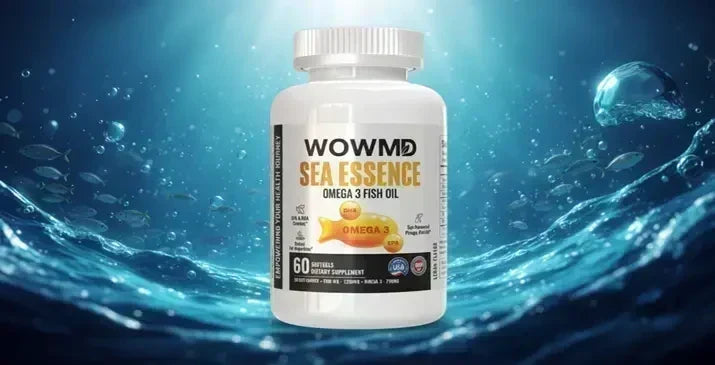
Complement your wellness journey and support your vitality—Get Sea Essence Omega 3 Here!
FAQs
This article is for informational purposes only and is not a substitute for professional medical advice, diagnosis, or treatment. Statements made on this website have not been evaluated by the U.S. Food and Drug Administration. Always consult a qualified healthcare professional before making changes to your diet, supplements, medications, or healthcare routine.
Our Top Picks

Sea Moss Complex

VitaSun Vitamin K2+D3

Collagen Complex

References
WOWMD follows strict sourcing guidelines to ensure the accuracy of its content, outlined in our editorial policy. We use only trustworthy sources, including peer-reviewed studies, qualified experts, and information from top institutions.