

Digestive Health Supplements for a Healthy Colon
Improve your digestive health and colon wellness by reading our detailed guide on the best digestive health supplements to include in your diet!
 By WOWMD Staff

 Fact Checked
Advertiser Disclosure: WOWMD independently vets all recommended products. If you purchase a featured product, we may be compensated. Learn why you can trust us.
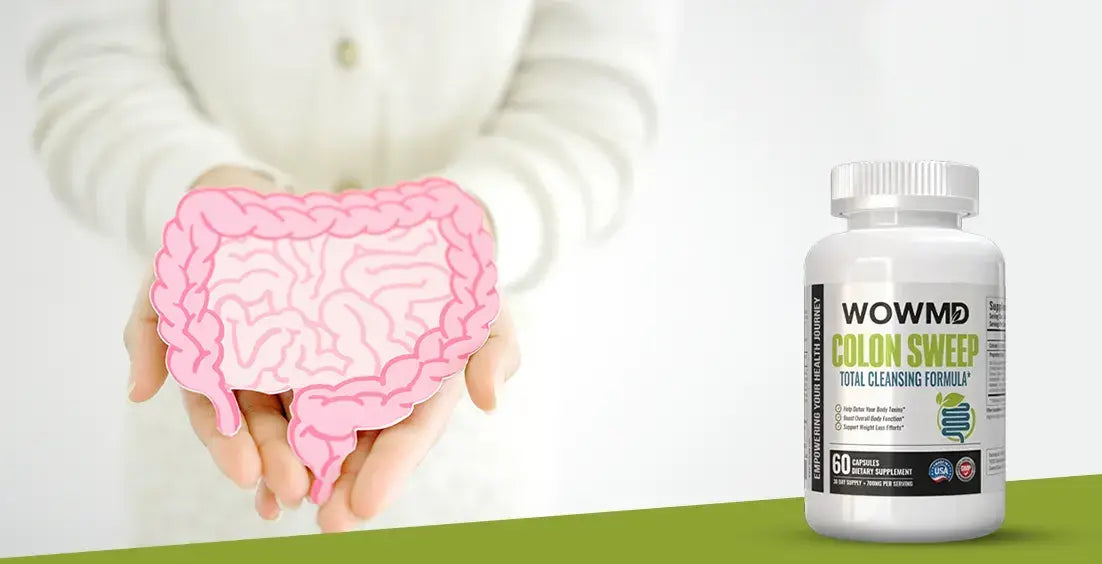
Your digestive functions can play a huge role in your overall health. Most people don’t realize how important gut bacteria is to physical well-being, cognitive function, and even weight loss.
So in today’s article, we will discuss the importance of digestive health and some of the best supplements for digestion.
TL;DR - Key Highlights on Colon Health and Supplements
- The colon plays a vital role in converting undigested food into waste.
- Proper colon function supports overall digestive health through nutrient absorption.
- Fiber and nutrients in supplements can aid colon health effectively.
- Knowing which supplements are worthwhile is crucial for optimal results.
The Role of the Colon in Digestive Health
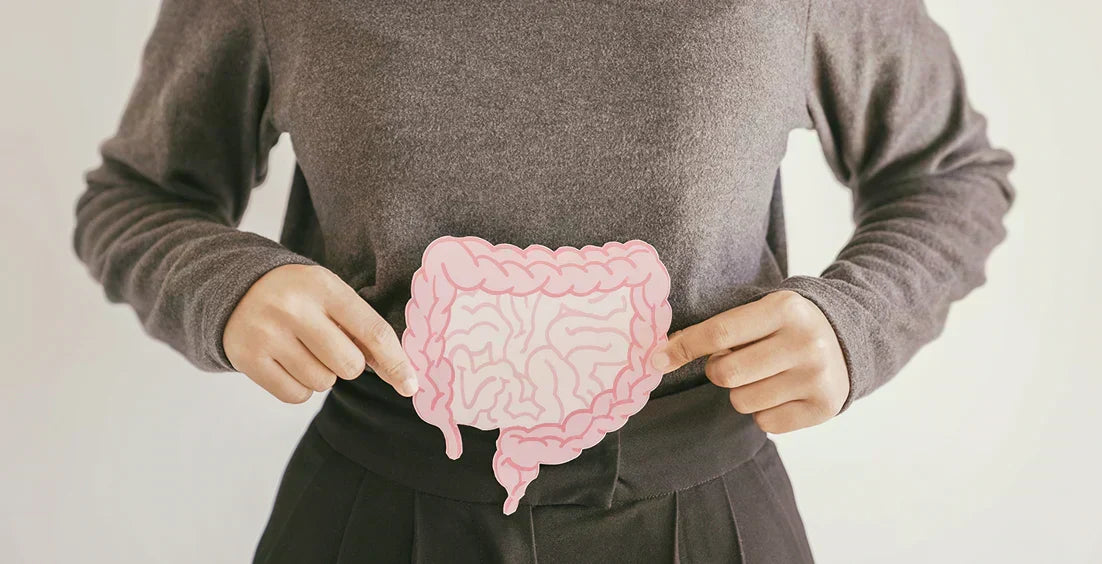
You may have heard the terms “colon” and “large intestine” in regard to the greater digestive system. In reality, these two terms are interchangeable. The colon is the large intestine and the large intestine is essentially the colon.
Another thing you may not realize is just how important the colon is to digestive health.
The colon plays a pivotal role in the final stages of digestion, where it reabsorbs water and electrolytes, preparing waste for elimination. This essential process helps maintain the body's overall digestive balance. Once food has been partially digested in the small intestine, any remaining undigested matter moves to the colon, where it’s further processed.
As noted by the National Cancer Institute, “The colon removes water and some nutrients and electrolytes from partially digested food." It then transforms the leftovers into fecal matter, which is eventually expelled from the body.
Thus, the colon serves a vital function in extracting the last bit of nutrients from your food while converting the rest into waste. This role is crucial for both digestive health and overall well-being
Advertisement


How Supplements Can Support Colon Health?
Natural supplements for colon health can be very important because they can provide your colon with the nutrients it needs to carry out its role in the digestive process. For instance, some supplements for colon health contain a high dose of fiber which makes it easier for food to move along the digestive tract and reach the colon.
Some supplements also provide antioxidant defense against free radical cells. Free radical damage can wreak havoc on the digestive process. In some cases, they may even cause intestinal homeostasis which is a condition that inhibits intestinal mucus from neutralizing harmful elements in the digestive tract.
The best supplements for colon health may also provide your gut with probiotics. Probiotics play a key role in healthy digestion and may make the job of your colon easier.
Aside from that, the gut microbiome is a delicate ecosystem that can get thrown off kilter by eating unhealthy foods. Probiotic supplements may benefit colon function by balancing gut bacteria for more efficient digestion and a lightened burden on your colon. Pairing a balanced gut-support routine with high-quality nutrition options like WOWMD Advanced 100% Whey Protein Isolate (Chocolate) can further support overall wellness and digestive efficiency.
Dietary Impact on Colon Health and Digestive Health
Dr. Mark Hyman, MD (Functional Medicine Physician, Author), says;
"Colon health is foundational to overall health, impacting immunity, mood, and metabolism. I often recommend soluble fiber supplements like psyllium husk, alongside a diverse array of fermented foods and a broad-spectrum probiotic, to support a healthy gut ecosystem and efficient waste elimination."
Also Read:
Top Digestive Health Supplements
 Best Digestive Supplements For Colon & Gut Health
1. Probiotics
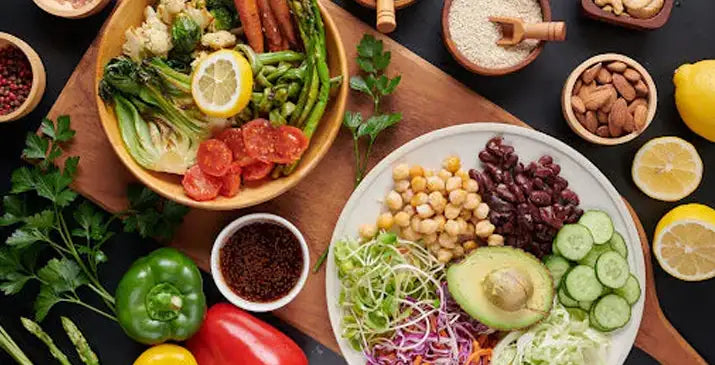
Probiotic foods like yogurt, fermented vegetables, and oats may introduce healthy bacteria to your gut microbiome. This can result in more efficient digestion and take a huge load off of your colon.
2. Prebiotics
Prebiotics play a similar role in gut health as probiotics but they are a bit more specialized. For instance, prebiotic foods are typically ones that are high in fiber content.
Some examples of natural prebiotic foods include bananas, oats, garlic, and spinach. Prebiotics may help food move along the intestinal tract smoothly.
3. Fiber Supplements
Taking a supplement may be a more convenient way to get the fiber you need daily. Fiber supplements can come in capsule form or as a powdered drink mix. Fiber supplements may support bowel movement regularity, improve fecal quality, prevent constipation, and help the colon convert waste food into feces.
If you aren’t keen on taking a supplement, you can try incorporating fiber-rich foods into your diet. Some examples of fiber-rich foods include psyllium, oats, and alfalfa.
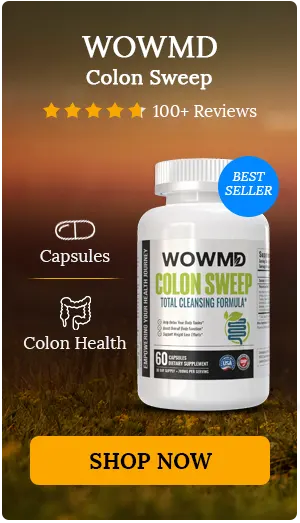
>> Take Charge Of Your Gut Health With WOWMD Colon Sweep – Start Feeling Your Best Now!
4. Herbal Supplements for Digestion
There are also some herbal supplements and foods that possibly improve digestive function. For example, aloe vera contains polysaccharides that are thought to alleviate symptoms of irritable bowel syndrome.
Ginger has also been observed in some studies to help move food along the digestive tract. Peppermint oil may also be useful for improving symptoms related to irritable bowel syndrome which can include abdominal pain, excess gas, bloating, and even nausea.
Advertisement


5. Apple Cider Vinegar
Studies have suggested that apple cider vinegar supplementation may slow down gastric emptying. This means that taking apple cider vinegar before or after meals, such as with WOWMD Apple Cider Vinegar Capsules, may increase the time that it takes for your stomach to empty.
This can be beneficial for weight loss as it may contribute to your calorie deficit efforts. There is some evidence to suggest that apple cider vinegar also helps the stomach generate essential acids that break down foods and make them easier to digest.
6. Digestive Enzymes
Digestive enzymes help break down and process different kinds of foods. Lipase, for example, is a digestive enzyme that is essential for breaking down fats in foods. Then there is amylase that is needed to process carbohydrates.
Taking supplements like WOWMD Colostrum Capsules that contain these digestive enzymes may therefore help your body process complex food components and make your digestive functions more efficient.
7. Vitamin C
Vitamin C serves many purposes beyond immune function. As an osmotic agent, it pulls water into the intestines, possibly softening stools and promoting regular bowel movements.
Some foods that are rich in vitamin C are citrus fruits, bell peppers, and broccoli. In case you are not willing to make dietary changes, vitamin C supplements can provide handy digestive benefits in addition to immune support.
In this video, Daniela discusses her experience with WOWMD Colon Sweep, a natural colon health supplement designed to support digestion, enhance gut health, and promote detoxification.
Additional Supplements
In addition to the supplement types listed above, general health and digestive supplements may also be beneficial for colon function.
For example, supplements that contain a lot of antioxidant ingredients can help defend your digestive organs from the effects of free radical cells.
Probiotic and prebiotic supplements may also make it easier for you to maintain a healthy gut microbiome compared to simply buying and incorporating a bunch of probiotic foods into your diet.
Other supplements that contain curcumin may also help reduce gut inflammation which can disrupt your digestive functions in several ways.
Vitamin D can also benefit the digestive process by allowing for a higher rate of absorption of nutrients like magnesium, phosphate, and calcium.
Taking magnesium for gut health can further support smooth muscle contractions in the colon, helping waste move through the digestive tract more efficiently.
Colon Cleanse Supplements: Are They Safe & Effective?
Colon cleanse supplements can provide specific digestive assistance for individuals who want extra gut health care. Most colon cleanse products, like WOWMD Colon Sweep, function by maintaining routine bowel movements and enhancing the natural elimination of the body.
Although the body detoxifies itself naturally, colon cleanse supplements can assist individuals who are going through irregularity or digestive sluggishness.
For example, people with inactive lifestyles or restrictive diets could use supplementary assistance. However, taking healthcare professionals' advice before beginning any supplement is the key to using it safely and averts possible electrolyte loss or dehydration.
Advertisement


Conclusion
If you have never considered your colon health important to your overall health, now is the time to take action. By taking a probiotic for colon health, incorporating more fiber into your diet, or starting a supplement regimen that supports digestive health, you can experience a wealth of health benefits.
Improved digestive health has been linked to important benefits such as improved sleep quality, better outlook, higher physical energy, improved cognitive ability, and more. And at the end of the day, it’s not hard to add more gut-healthy foods to your diet or to start a healthy digestive supplement regimen.
There are plenty of high-quality colon supplements on the market - just be careful to stay away from ones with dubious ingredients or inadequate doses of essential nutrients.
So always be aware of how your digestive system is functioning, talk to your doctor if you start to notice any abnormalities, maintain a healthy overall lifestyle, and look into beneficial supplements for colon health.
>> Boost Your Digestive Wellness With WOWMD Colon Sweep! Start Your Journey To A Healthier Colon Here. 3rd Party Tested For Quality You Can Trust.
FAQs
Our Top Picks


Greens Blend


References
WOWMD follows strict sourcing guidelines to ensure the accuracy of its content, outlined in our editorial policy. We use only trustworthy sources, including peer-reviewed studies, qualified experts, and information from top institutions.


- Colon: https://www.cancer.gov/publications/dictionaries/cancer-terms/def/colon
- Analysis of free radical production capacity in mouse faeces and its possible application in evaluating the intestinal environment: a pilot study: https://pmc.ncbi.nlm.nih.gov/articles/PMC6925209/
- What are probiotics and prebiotics?: https://www.mayoclinic.org/healthy-lifestyle/nutrition-and-healthy-eating/expert-answers/probiotics/faq-20058065
- The Role of Processed Aloe vera Gel in Intestinal Tight Junction: An In Vivo and In Vitro Study: https://pmc.ncbi.nlm.nih.gov/articles/PMC8235210/
- Effect of apple cider vinegar on delayed gastric emptying in patients with type 1 diabetes mellitus: a pilot study: https://pmc.ncbi.nlm.nih.gov/articles/PMC2245945/
- Digestive Enzymes and Digestive Enzyme Supplements: https://www.hopkinsmedicine.org/health/wellness-and-prevention/digestive-enzymes-and-digestive-enzyme-supplements
- Effects of the addition of high-dose vitamin C to polyethylene glycol solution for colonic cleansing: A pilot study in healthy volunteers*