

The Best Foods for Muscle Recovery, According to Dietitians
Discover the best foods for muscle recovery, reduce soreness, support muscle repair, and speed recovery with nutrient-rich meals and snacks.
 By WOWMD Staff

 Fact Checked
Advertiser Disclosure: WOWMD independently vets all recommended products. If you purchase a featured product, we may be compensated. Learn why you can trust us.

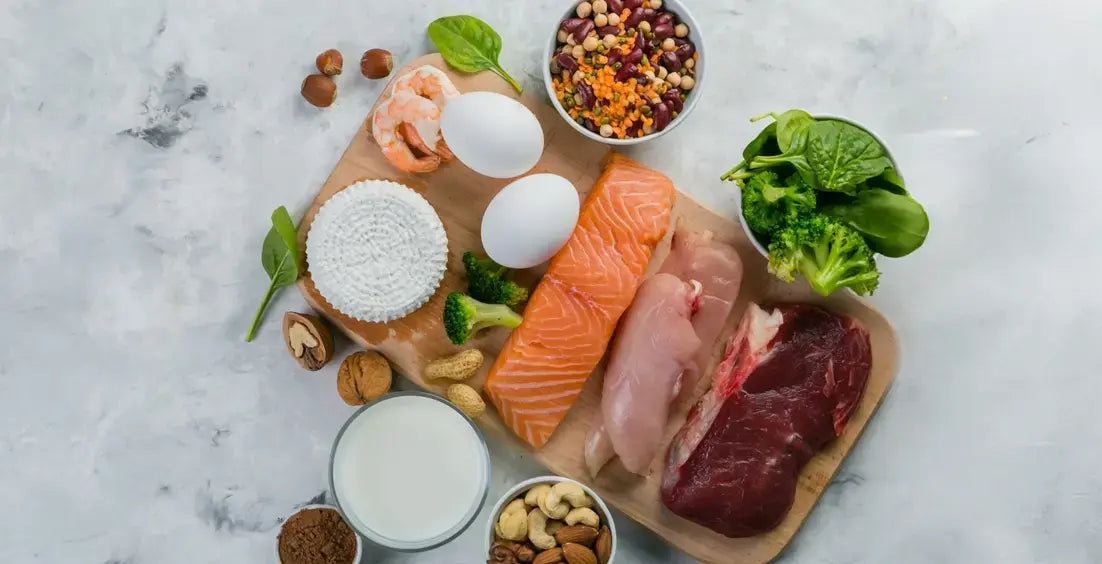
Enhance muscle recovery with the best foods that help reduce soreness and replenish lost energy after intense workouts.
No matter your fitness level, you’ve probably felt sore after a workout. This soreness, called Delayed Onset Muscle Soreness (DOMS), is a normal part of muscle growth. But recovery doesn’t have to be slow or painful—it can be simple and effective with the right approach.,
What you eat after exercise greatly affects how fast your body heals. The right foods can help reduce inflammation, repair muscles, and get you ready for your next workout. Let’s explore the best nutrition strategies to ease soreness and speed recovery.
Key Takeaways
- Protein-rich foods like eggs and chicken accelerate muscle repair after intense workouts
- Hydration combined with electrolytes plays a crucial role in reducing muscle soreness
- Anti-inflammatory foods containing omega-3s help minimize post-exercise inflammation
Why Nutrition Matters for Muscle Recovery?
Exercising, especially during strength training or high-intensity workouts, creates microscopic tears in your muscle fibers.
This damage triggers your body's repair process, leading to stronger, more resilient muscles. However, your body needs the right building blocks to complete these repairs effectively.
Proper nutrition provides those essential building blocks. The best foods for muscle recovery supply proteins for rebuilding tissue, carbohydrates for replenishing energy stores, and various vitamins and minerals that support recovery.
Advertisement


Protein: The Primary Building Block
Protein is perhaps the most important nutrient for muscle recovery. But does protein help with soreness? Absolutely. Protein provides the amino acids your body needs to repair damaged muscle fibers.
Research shows that adequate protein can reduce muscle damage markers and accelerate recovery.
So if you're wondering, "Can protein help muscle soreness?" or "Does protein help sore muscles?" – the answer is a resounding yes.
Some of the best foods for muscle recovery include:
EggsEggs are an excellent source of complete protein, containing all nine essential amino acids. They're also rich in leucine, an amino acid that triggers muscle protein synthesis. A simple meal of scrambled eggs can be one of the most effective foods that help with muscle soreness.
Greek YogurtGreek yogurt contains roughly twice the protein of regular yogurt and delivers both fast-digesting whey protein and slower-digesting casein protein.
This combination makes it an ideal muscle recovery food that provides your muscles with a steady stream of amino acids.
Lean MeatsChicken, turkey, and lean beef are protein powerhouses that provide substantial amounts of high-quality protein.
A palm-sized portion of a chicken breast after a workout serves as good recovery food that can significantly aid muscle repair.
FishFatty fish like salmon provide protein and omega-3 fatty acids with anti-inflammatory properties. These healthy fats can help reduce exercise-induced inflammation, making fish one of the best foods for muscle pain.
Alex Evink, Registered Dietitian (RD), was interviewed on Yahoo! Lifestyle, she says,
"The recommendations are to eat 3-4 servings of fatty fish, like salmon, each week for the best results to reduce inflammation."

Carbohydrates: Refueling Your Energy Stores
While protein gets most of the attention, carbohydrates are equally important for recovery. During intense and long duration exercise, your body may deplete its glycogen stores (stored carbohydrates), and replenishing them is essential for recovery and preparing for your next workout.
Sweet PotatoesSweet potatoes are rich in complex carbohydrates that gradually replenish glycogen stores. They also contain potassium, which helps prevent muscle cramps, making them excellent foods to help sore muscles.
FruitsFruits like berries, bananas, and pineapples provide carbohydrates and contain antioxidants and enzymes that may help reduce inflammation.
Whole GrainsOats, brown rice, and quinoa deliver complex carbohydrates, fiber, and various micronutrients. A bowl of oatmeal with berries and a scoop of protein powder can be a balanced recovery meal after a workout.
Hydration and Electrolytes
Proper hydration is often overlooked but is crucial for muscle recovery. Water helps transport nutrients to muscle tissues and removes waste products that contribute to soreness.
WaterPlain water should be your primary hydration source. Drink water consistently throughout the day, especially after exercise.
Coconut WaterNatural coconut water is rich in potassium and other electrolytes lost through sweat. It's a refreshing and natural drink for muscle recovery that helps restore fluid balance.
Advertisement


Due to its high antioxidant content, research suggests that tart cherry juice can reduce muscle pain and recovery after intense workouts, especially when used consistently around training. It's one of the best recovery drinks for athletes experiencing significant muscle soreness.
Anti-inflammatory Foods
Inflammation is a natural part of muscle repair, but excessive inflammation can prolong soreness and delay recovery. Including anti-inflammatory foods in your diet can help manage this process.
Also Read: Rich Foods to Include In Your Diet
TurmericCurcumin, the active compound in turmeric, has powerful anti-inflammatory properties. Adding turmeric to your post-workout smoothie or meal can help with muscle recovery.
BerriesBlueberries and other berries contain antioxidants that combat exercise-induced oxidative stress. These delicious fruits are some of the best foods to help with muscle soreness.
Leafy GreensSpinach, kale, and other leafy green foods provide vitamins, minerals, and antioxidants that support overall recovery. These nutrient-dense vegetables should be staples in any athlete's diet.
Timing Your Recovery Nutrition
The YouTube channel Natural Education presents an informative video on the 10 Best Muscle Recovery Foods for Muscle Growth.
Other Tips for Muscle Recovery
While nutrition is crucial, other recovery strategies can complement your dietary efforts:
- Get adequate sleep: Most muscle repair happens during sleep, so aim for 7-9 hours per night.
- Active recovery: Light movement, such as walking or swimming, on rest days can increase blood flow to sore muscles.
- Foam rolling and stretching: These practices can help reduce muscle tension and improve circulation.
- Contrast therapy: Alternating between hot and cold treatments can help reduce inflammation and soreness.
Foods To Avoid After Working Out
Just as some foods promote recovery, others can hinder it:
AlcoholAlcohol can impair protein synthesis and delay the recovery process. It can also contribute to dehydration, which further impedes recovery.
Fried and Processed FoodsFoods high in unhealthy fats can increase inflammation, potentially worsening muscle soreness and delaying recovery.
Excessive SugarWhile some carbohydrates benefit recovery, foods with added sugars can cause inflammation and energy crashes.
Caffeine Near BedtimeSince sleep is crucial for recovery, avoid caffeine in the hours before bed as it may interfere with sleep quality.
Also Read: Can Caffeine Make You Tired
Creating Your Personalized Recovery Plan
Everyone's body reacts differently to food and recovery methods. Finding what works for you may take some trial and error. Keeping a journal can help you track which foods ease muscle soreness.
Start by adding a few of the best recovery foods to your post-workout routine. Pay attention to how your body responds and adjust as needed. Over time, you'll learn which recovery drinks and foods help you the most.
Advertisement


Good nutrition matters more than occasional perfect meals. Focus on building healthy eating habits that support your fitness goals. You can reduce soreness, recover faster, and keep pushing toward your goals with the right nutrients.
FAQs
This article is for informational purposes only and is not a substitute for professional medical advice, diagnosis, or treatment. Statements made on this website have not been evaluated by the U.S. Food and Drug Administration. Always consult a qualified healthcare professional before making changes to your diet, supplements, medications, or healthcare routine.
Our Top Picks

Nitric Shock Pre-Workout

L-Arginine Plus


References
WOWMD follows strict sourcing guidelines to ensure the accuracy of its content, outlined in our editorial policy. We use only trustworthy sources, including peer-reviewed studies, qualified experts, and information from top institutions.


- Food as Fuel Before, During, and After Workouts: https://www.heart.org/en/healthy-living/healthy-eating/eat-smart/nutrition-basics/food-as-fuel-before-during-and-after-workouts
- The Impact of Dietary Protein Supplementation on Recovery From Resistance Exercise-Induced Muscle Damage: A Systematic Review With Meta-Analysis: https://pmc.ncbi.nlm.nih.gov/articles/PMC10393778/
- Carb-Conscious: The Role of Carbohydrate Intake in Recovery From Exercise:https://pubmed.ncbi.nlm.nih.gov/33973552/
- Hydration and Its Impact on Athletic Performance and Injury Prevention: https://www.narayanahealth.org/blog/hydration-and-its-impact-on-athletic-performance-and-injury-prevention
- Understanding the Role of Cherry Juice in Exercise Recovery: https://pmc.ncbi.nlm.nih.gov/articles/PMC9306613/
- Anti Inflammatory Diet: https://www.hopkinsmedicine.org/health/wellness-and-prevention/anti-inflammatory-diet
- Contrast Water Therapy and Exercise Induced Muscle Damage: https://pmc.ncbi.nlm.nih.gov/articles/PMC3633882/