


Best Bone Health Supplements: Buyer's Guide 2027
Learn how calcium, vitamin D3, vitamin K and magnesium support normal bone health, how much you need each day, and what to check before choosing a supplement.
 By WOWMD Staff

Advertiser Disclosure: WOWMD independently vets and sells featured products listed on this page. We may receive compensation from purchases. This does not influence our editorial standards. Learn why you can trust us.

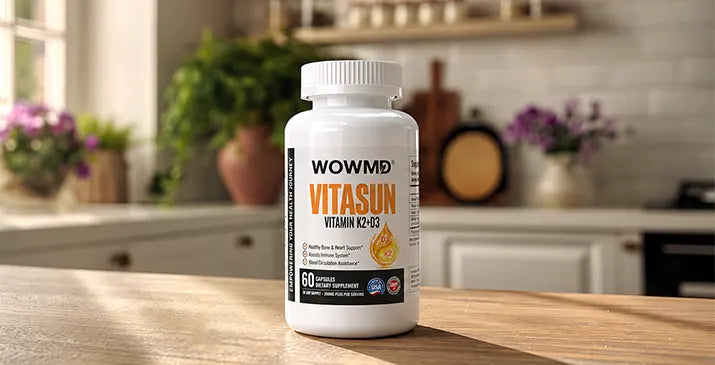
Bones support movement and protect your organs. Bone density naturally peaks in early adulthood and declines with age, so getting enough key nutrients from food (and supplements, when diet falls short) is part of long-term bone care.
That’s why many people explore vitamins and supplements for bone and joint health to help meet their nutritional needs and maintain mobility. Nutrients such as calcium, vitamin D, magnesium, and vitamin K each play a role in supporting bone strength and normal muscle function.
However, individual needs can vary depending on diet, age, and overall health. This guide explains the benefits of these key nutrients, how much you need, and what to consider when choosing a supplement. It also highlights why understanding ingredient quality and nutritional content matters when deciding whether a product is right for you.
Ready? Let’s get started.
TL;DR
- Key nutrients: Calcium, vitamin D3, vitamin K2 and magnesium each help maintain normal, healthy bones.
- Food first: Supplements can help fill gaps in your diet, but they don’t replace balanced meals.
- Stay active: Weight-bearing exercise and regular check-ups matter as much as nutrition.
- Take it right: Follow the label, take calcium carbonate with food, and keep each calcium dose to 500 mg or less.
- Ask first: Talk to your doctor before starting, especially if you’re over 50, take medication or have low bone density.
Why Bone Health Matters?
Your bones are the framework that keeps you moving, standing tall, and living independently. From childhood through adulthood, they protect your organs, store minerals, and provide the strength you need for everyday activities [1].
But bone density isn’t permanent. It peaks in your twenties and slowly decreases over time. That decline can make bones fragile, raising the risk of fractures, stiffness, and loss of mobility.
Women after menopause and adults over 70 have higher calcium and vitamin D needs, so it’s worth checking whether your diet covers them.
Supporting bone health early makes a difference [2]. Adequate nutrition, regular physical activity and routine check-ups are the foundations of bone health at every age.
Advertisement

 *All individuals are unique. Your results can and will vary.
How Do Bone Supplements Work?
 How do Bone Supplements Work?
Your bones are constantly changing. Old bone tissue breaks down, and new tissue forms in a process called remodeling [3]. For this cycle to stay balanced, your body needs enough nutrients and hormonal support.
Bone is constantly remodeled: old tissue is broken down and new tissue is formed. This process depends on an adequate supply of certain nutrients. Vitamin K2 is needed to activate osteocalcin, a protein involved in normal bone mineralization. Research on vitamin K2 supplements specifically is still developing. help direct that calcium into bones, preventing it from settling in arteries [4].Collagen is the main protein in bone’s framework. Your body makes it using amino acids from dietary protein and vitamin C [5].
This synergy means the best bone health supplements don’t just add nutrients; they influence the entire system of bone remodeling, helping maintain density, flexibility, and strength as you age.
Benefits of Bone Supplements
Adding the best bone health supplements to your routine can provide targeted support for strength, mobility, and long-term skeletal health. Here are some benefits you can experience:
 Benefits of Bone Supplements
- Calcium and vitamin D: Helps build and maintain healthy bones.
- May help improve calcium absorption: Works in conjunction with a Vitamin D helps your body absorb calcium from food and supplements.
- May help promote joint comfort: Protects cartilage and eases stiffness for smoother, more flexible movement.
- May help support muscle function: Magnesium contributes to normal muscle and nerve function and is a component of bone. If you’re comparing magnesium options, see our guide to magnesium oxide vs. glycinate
- Supports bone strength: Helps maintain strong bones as you age, which is important for overall bone health.
- Supports mobility: Helps maintain healthy bones and joints, supporting comfortable movement during everyday activities.
Advertisement

 *All individuals are unique. Your results can and will vary.
What Is Osteoporosis and Osteopenia?
As we age, our bones naturally get weaker. When bone density drops too low, it leads to two conditions: osteopenia or osteoporosis.
Osteopenia is the early stage. Your bones are weaker than normal but not dangerously so. Think of it as a warning sign that your bones need more attention.
Osteoporosis is more serious. Bones become so fragile that even a small fall or simple movement can cause a fracture.
A simple test called a DEXA scan measures your bone density and gives you a T-score to tell you where you stand:
- T-score between -1.0 and -2.5 = low bone mass (osteopenia).
- T-score of -2.5 or lower = osteoporosis.
According to a national study published in the Journal of Bone and Mineral Research, about 10 million U.S. adults aged 50 and older have osteoporosis and about 44 million have low bone density [6]. Worldwide, the International Osteoporosis Foundation estimates that 1 in 3 women and 1 in 5 men over 50 will experience an osteoporotic fracture in their remaining lifetime [7].
If a bone density scan shows osteopenia or osteoporosis, talk to your doctor about a treatment plan. Supplements are not a treatment for osteoporosis, but adequate calcium, vitamin D and physical activity are part of general bone health guidance.
Calcium Citrate vs. Calcium Carbonate: Which One Is Better?
Not all calcium supplements are the same. The two most common forms are calcium citrate and calcium carbonate. Both help build and maintain strong bones, but they work a little differently.
Calcium Carbonate
- Contains more calcium per pill
- Less expensive than other forms
- Must be taken with food for proper absorption
- May cause bloating or constipation in some people
Calcium Citrate
- Contains less calcium per pill but is more easily absorbed
- Can be taken with or without food
- Gentler on the stomach
- A better choice for older adults and people with digestive issues or low stomach acid
Which one should you choose?
If you are healthy and take your supplements with meals, calcium carbonate is a simple and affordable option. If you have a sensitive stomach, take acid-reducing medications, or prefer more flexibility with timing, calcium citrate is the better pick.
Either way, do not take more than 500–600 mg of calcium at one time. Your body absorbs it better in smaller doses spread throughout the day.
Key Ingredients to Look for in Bone Health Supplements
Not all bone supplements are created equal. The best ones contain a combination of nutrients that work together to build, protect, and maintain strong bones. Here are the key ingredients to look for:
Calcium
The most important mineral for bone health. It builds and maintains bone structure. Adults need 1,000–1,200 mg daily depending on age.
Vitamin D3
Vitamin D helps your body absorb calcium. Most adults need 600–800 IU (15–20 mcg) per day. Studies suggest vitamin D3 raises blood vitamin D levels more effectively than D2. The upper limit for adults is 4,000 IU/day.
Vitamin K2
Vitamin K helps activate proteins involved in normal bone mineralization. Adequate intake is 90 mcg/day for women and 120 mcg/day for men. K2 (menaquinone) is one form; evidence on K2 supplements for bone is still emerging.
Magnesium
About 60% of the body’s magnesium is stored in bone, and magnesium supports normal bone formation. Adults need 310–420 mg/day. Keep supplemental magnesium under 350 mg/day unless your doctor advises otherwise.
Collagen
Collagen forms the protein framework of bone. Your body produces it from dietary protein, with vitamin C as a key helper. Read more about the types of collagen and where each is found in the body.
Vitamin C
Supports collagen production, which is essential for maintaining bone structure and density. Often overlooked but plays an important role in overall bone health.
Boron
Boron is a trace mineral being studied for its role in bone metabolism. There’s no established daily requirement, and evidence in people is limited. The upper limit is 20 mg/day.
Zinc
Supports bone-forming cells and helps maintain bone mineral density. Zinc is a component of bone and supports the normal activity of bone-building cells.
Who May Need to Pay Extra Attention to Bone Nutrients?
Bone loss can affect anyone, but some people are at a much higher risk than others. Knowing your risk factors can help you take action before it becomes a serious problem.
Postmenopausal Women
Estrogen plays a key role in protecting bone density. When estrogen levels drop after menopause, bone loss speeds up significantly. Bone loss speeds up after menopause as estrogen levels fall, and calcium needs rise to 1,200 mg/day after 50. Ask your doctor whether a bone density scan, or a calcium or vitamin D supplement, is right for you.
Men Over 70
Bone loss in men is often overlooked. After the age of 70, men lose bone density at a faster rate and face a higher risk of fractures. 1 in 5 men over 50 will experience an osteoporosis-related fracture in their lifetime.
People With Low Sun Exposure
Vitamin D is produced by the skin when exposed to sunlight. People who spend little time outdoors or live in low-sunlight regions are more likely to have low Vitamin D levels, which directly affects calcium absorption and bone health.
Those on Dairy-Free or Vegan Diets
Dairy products are one of the richest sources of calcium. People who avoid dairy or follow a vegan diet may struggle to meet their daily calcium needs through food alone and are more likely to benefit from a calcium supplement.
People With a Family History of Osteoporosis
Genetics play a role in bone health. If a parent or sibling has had osteoporosis or a bone fracture, your risk is higher than average.
Those With a Small or Thin Body Frame
People with smaller frames have less bone mass to begin with, which means they have less reserve as bone density naturally declines with age.
People on Long-Term Medications
Certain medications, including steroids, acid-reducing drugs, and some antidepressants, can reduce bone density over time. If you are on long-term medication, speak to your doctor about your bone health.
How to Choose the Right Bone Supplement: Buyers’ Checklist
With so many options available, choosing the right product for your bone health can feel confusing. The good news is that there are clear steps to help you select the best bone health supplements for your needs. They include:
- ✅ Check the ingredients list: Look for proven nutrients such as calcium, Vitamin D, and Vitamin K2 for bone health. These directly support bone density, flexibility, and strength.
- ✅ Evaluate product form: Decide between capsules, powders, or chewables. Capsules are most common, but some prefer powders for easier absorption.
- ✅ Confirm third-party testing: Reliable joint support supplements should undergo independent testing for safety, purity, and dosage accuracy.
- ✅ Match your needs: Women post-menopause may benefit from the best bone health supplements for women, while older adults may require additional support for osteoporosis.
- ✅ Review return policies: Trustworthy brands typically offer money-back guarantees, allowing you to try their products risk-free and make purchases with confidence.
 How to Choose the Right Bone Supplement?
Dr Mustafa Alnaib, an Orthopaedic surgeon, explains that;
“Bone health supplements can help fill nutritional gaps, particularly for people who don’t get enough calcium or vitamin D from their diet or sun exposure. They can reduce the rate of bone loss as we age and lower the risk of osteoporosis and fractures. Vitamin D supplementation has been shown to improve calcium absorption and muscle function, both of which are vital for preventing falls and fractures.”
Potential Side Effects and Safety
Most people tolerate the supplements for joint health without issues, but side effects can happen. Calcium may cause mild constipation in some users.
Magnesium, especially in high amounts, can cause digestive upset. Vitamin D is generally safe, but it should not be taken in excessive doses, as too much can lead to elevated blood calcium levels.
Some supplements may also interact with prescription medications, particularly those that affect blood clotting or thyroid function. That’s why it’s important to read product labels carefully and consult your doctor before starting a new vitamin D supplement or combination product.
The safest approach is to choose formulas that are third-party tested, follow dosage instructions closely, and use them consistently rather than in large amounts all at once.
Expert Tips to Support Healthy Bones
- Stay active with weight-bearing exercises, such as walking, climbing stairs, or light strength training.
- Include calcium-rich foods, such as dairy products, leafy greens, or fortified options, in your meals.
- Get regular sunlight exposure or take a vitamin D supplement if your levels are low.
- Use Magnesium Supplements for bones and muscle health to maintain mineral balance and strength.
- Avoid smoking and limit alcohol, as both weaken bone density over time.
- Keep a healthy body weight to reduce pressure on bones and joints.
- Schedule regular checkups to monitor bone health, especially if you’re at higher risk for osteoporosis.
Advertisement

 *All individuals are unique. Your results can and will vary.
Conclusion
The best joint health supplements provide calcium, Vitamin D, Magnesium, and Vitamin K2 to keep bones strong, support joints, and reduce the risk of fractures. Choosing the right one helps you stay active and maintain mobility with age.
Consistency is key. Using these supplements in conjunction with exercise and a balanced diet can help preserve bone density, enhance flexibility, and support long-term strength.
If you’re ready to begin with a trusted option, WOWMD Collagen Complex stands out. Its multi-type collagen formula supports joints, skin, hair, and nails while reinforcing your body’s natural collagen production for lasting resilience.
FAQs
This article is for informational purposes only and is not a substitute for professional medical advice, diagnosis, or treatment. Statements made on this website have not been evaluated by the U.S. Food and Drug Administration. Always consult a qualified healthcare professional before making changes to your diet, supplements, medications, or healthcare routine.
Our Top Picks

Turmeric Boost

Moringa Green Energy

Magnesium Glycinate

References
WOWMD follows strict sourcing guidelines to ensure the accuracy of its content, outlined in our editorial policy. We use only trustworthy sources, including peer-reviewed studies, qualified experts, and information from top institutions.


- Anatomy, Bones https://www.ncbi.nlm.nih.gov/books/NBK537199/
- The Basics of Bone in Health and Disease https://www.ncbi.nlm.nih.gov/books/NBK45504/
- Physiology, Bone Remodeling https://www.ncbi.nlm.nih.gov/books/NBK499863/
- Vitamin D Fact Sheet for Health Professionals https://ods.od.nih.gov/factsheets/VitaminD-HealthProfessional/
- The role of magnesium in the pathogenesis of osteoporosis https://pmc.ncbi.nlm.nih.gov/articles/PMC11186994/
- The recent prevalence of osteoporosis and low bone mass in the United States based on bone mineral density at the femoral neck or lumbar spine https://pubmed.ncbi.nlm.nih.gov/24771492/
- Epidemiologyhttps://www.osteoporosis.foundation/health-professionals/fragility-fractures/epidemiology