

The 8 Benefits of Prenatal Vitamins: Research Explained
Discover the benefits of prenatal vitamins, from supporting fertility and immunity to providing essential nutrients for a healthy pregnancy and baby.
 By WOWMD Staff

 Fact Checked
Advertiser Disclosure: WOWMD independently vets all recommended products. If you purchase a featured product, we may be compensated. Learn why you can trust us.


Pregnancy brings several physical and nutritional changes in a woman’s body. To support the development of both mother and fetus, healthcare professionals recommend taking prenatal vitamins [1]. When taken, prenatal vitamins help cover nutritional deficiencies, ensuring the mother and fetus are healthy.
Unlike standard multivitamins, prenatal vitamins are formulated with higher levels of folic acid, iron, and DHA—nutrients proven essential for pregnancy and fertility health. Hence, the composition of these minerals is carefully formulated to support this phase.
For example, pregnant women need to take folic acid. Folic acid helps prevent neural tube defects in the growing baby. The proportion of this folic acid is higher in prenatal vitamins.
In this article, we will study the benefits of prenatal vitamins and answer the questions, ‘What are the most important vitamins for pregnancy?’ 'What are the benefits of prenatal vitamins for women?’
TL;DR
- Q. What are the benefits of prenatal vitamins?
- A. Support neural tube development for brain and spinal cord formation.
- Q: Can non-pregnant women benefit from prenatal vitamins?
- A. Yes, they help prevent deficiencies and support hair, skin, and nails — though women not actively planning a pregnancy should generally stick to a standard multivitamin instead (see below).
- Q: What key nutrients do prenatal vitamins contain?
- A. Folic acid, iron, calcium, DHA, iodine, vitamins B12 and B6, and choline.
- Q: How do prenatal vitamins benefit pregnant women?
- A. Aid oxygen supply, boost energy, and support fetal development.
What Are Prenatal Vitamins?
Prenatal vitamins are specialized supplements produced to meet the nutritional needs during and after a woman’s pregnancy. Prenatal vitamins are essential because they contain vital minerals like iron, calcium, folic acid, DHA, and iodine. These minerals work together to support fetal development. Development, such as brain development, mineral production, and red blood cell production.
Alessandra Hirsch, MD, Assistant Professor of Obstetrics and Gynecology, says, “During pregnancy, the demand for certain vitamins and minerals can increase, and in some cases, be protective for the developing fetus, which is why we recommend a prenatal vitamin.”
Prenatal vitamins are calibrated with higher levels of folate, iron, and iodine than a standard multivitamin to match what a growing baby and a changing body require. Even a well-balanced diet can fall short of pregnancy-level requirements for these nutrients, which is why supplementation is widely recommended alongside — not instead of — a nutrient-dense diet.
Types of Prenatal Vitamins
Prenatal vitamins are important for both you and your baby during pregnancy:
- Calcium helps keep your bones strong and prevents bone loss as your baby grows.
- Iron is needed to create more blood, which carries oxygen to you and your baby, and it helps prevent anemia.
- Fish oil is good for the baby’s brain and eyes.
- Vitamin B12 helps make red blood cells and can prevent congenital disabilities.
- Vitamin E is great for skin and supports the immune system.
It’s important to take these vitamins throughout your pregnancy to make sure both you and your baby get the nutrients needed for a healthy start.
Also Read: Fish Oil For Pregnancy
Advertisement

 *All individuals are
Types By Form Factor
The most common formats are capsules and softgels, which tend to offer the most complete nutrient profiles. Gummy prenatal vitamins are popular among women dealing with nausea, but they often leave out iron entirely. If iron intake is a concern, check the label carefully before choosing a gummy formula. Chewable tablets and liquid formats are also available for women who have difficulty swallowing capsules.
DHA is worth noting separately, since many prenatal formulas do not include it in adequate amounts. A separate DHA supplement providing 200 to 300 mg daily is often recommended alongside a prenatal vitamin.
Types By Prescription vs. Over-the-Counter
Over-the-counter prenatal vitamins cover the nutritional needs of most healthy pregnancies. Prescription prenatal vitamins are typically recommended when higher iron doses are needed or when a woman carries the methylenetetrahydrofolate reductase (MTHFR) gene variant, which affects how the body processes synthetic folic acid.
Women with this variant may benefit from methylfolate, the active form of folate, rather than standard folic acid. Confirm with your healthcare provider before use.
When to Start and Which Type to Choose
The American College of Obstetricians and Gynecologists (ACOG) advises starting a prenatal vitamin at least one month before conception and continuing through the first 12 weeks of pregnancy and beyond. Prenatal vitamins are available both over the counter and by prescription, with prescription formulas often containing higher iron doses or the active form of folate.
Benefits of Prenatal Vitamins Before Pregnancy

Taking Prenatal vitamins is a great way to prepare your body to give birth. Here are some benefits of prenatal vitamins before pregnancy [3]:
1. May Help the Development of the Neural Tube
This benefit happens to be one of the most common when it comes to taking prenatal vitamins. This vitamin prevents neural tube defects, as the high proportion of folic acid helps the development of the baby’s brain and spinal cord [4]. The Centers for Disease Control and Prevention (CDC) recommends 400 mcg of folic acid daily for women of reproductive age. Women with a prior pregnancy affected by a neural tube defect may need a higher dose under physician guidance. This is why it’s much better to start supplementation before conception, rather than waiting until a positive pregnancy test, as the neural tube closes within the first month of pregnancy.
2. May Help Improve Fertility and Reproductive Health
When you take prenatal vitamins, you increase your chances of conceiving. This is because nutrients in prenatal vitamins like iron, vitamin B12, and folic acid help develop healthy eggs, regulate the ovulation period, and create a better environment for implantation.
Emerging research also points to Coenzyme Q10 (CoQ10) and vitamin D as nutrients that may support egg quality and ovarian reserve, and some prenatal formulas now include them for women who are actively trying to conceive [5].
3. May Help Boost the Body’s Immune System
Your body’s immune system has to be strong enough to conceive and carry a healthy pregnancy. A strong immune system can resist complications and infections that may arrive before and during your pregnancy. Prenatal vitamins composed of zinc, vitamins C and D can boost your immune system.
4. May Help the Production of Healthy Red Blood Cells
Iron, a main mineral in prenatal vitamins, supports your body in producing red blood cells. When you have enough iron before pregnancy, anemia can be prevented. Anemia can cause fatigue, dizziness, and complications during pregnancy.
Pregnant women need about 27 mg of iron daily, nearly double the 18 mg recommended for non-pregnant women — one reason iron overload is a real concern for women taking a prenatal without being pregnant (see the Hidden Risks section below).
Also Read: Iron Supplements For Women
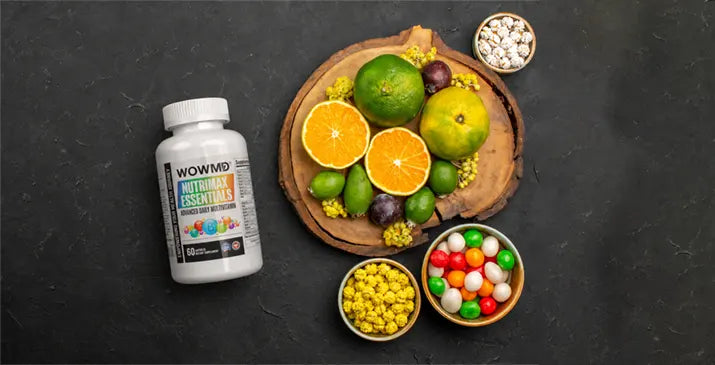
Boost fertility and wellness with WOWMD NutriMax Essentials. Shop now!
Benefits of Prenatal Vitamins During Pregnancy
There are lots of benefits to prenatal vitamins during pregnancy. In this period, your body requires a good balance of nutrients due to the rapid changes in your body.
The nutrients in prenatal vitamins ensure that both mother and baby are fully furnished. Below are more benefits of prenatal vitamins while pregnant:
1. May Help Support the Supply of Oxygen
A good level of iron—which is a vital element in prenatal vitamins—ensures that the mother and baby get enough oxygen. A good amount of oxygen is needed to help the baby develop properly and also reduce the risk of the baby being born low-weight. Oxygen support is a vital benefit of prenatal vitamins during pregnancy.
Note: Anemia affects an estimated 37 percent of pregnant women worldwide, according to the World Health Organization. This is why iron is one of the most important prenatal nutrients globally.
2. May Help Support the Development of Skin And Vision
Vitamin A and Carotene form the baby’s organs, skin, and eyes. However, if you take vitamin A in excess from non-supplement sources, it can cause harm.
As a solution, prenatal vitamins contain just the right amount you and your baby need for development without risks.
3. May Help Boost Energy Levels
Boosting energy is one of the many benefits of prenatal vitamins. Pregnancy takes a lot of physical energy and can be demanding. Prenatal vitamins, which contain magnesium, iron, and B-complex vitamins, help to boost metabolism and the production of energy. Vitamin B6, typically in the 10 to 25 mg range, is also commonly used to help ease pregnancy-related nausea.
4. May Help Support Fetal Brain and Eye Development
DHA accumulates rapidly in the fetal brain and retina during the third trimester, when brain development accelerates most. The typical recommended intake is at least 200 mg of DHA daily during pregnancy. Because many standard prenatal formulas do not include enough DHA, a separate algae-based or fish oil supplement is often recommended alongside a prenatal vitamin (see Types of Prenatal Vitamins, above).
Did You Know?
- Prenatal vitamins boost fertility and reproductive health.
- Prenatal vitamins strengthen the immune system and overall wellness.
- Iron and calcium support a healthy pregnancy and fetal development.
- Folic acid helps prevent anemia and supports red blood cells.
- Prenatal vitamins promote women’s health and vitality, even if not pregnant.
Potential Side Effects and How to Manage Them
Prenatal vitamins are generally well tolerated, but the higher iron content can cause digestive side effects for some women.
The most common complaints are constipation, nausea, and upper digestive discomfort, usually linked to the iron in the formula rather than the vitamins themselves. Dark stools are also normal and are a harmless sign that iron is being absorbed.
Here are some tips to help you ease discomfort:
- Take a prenatal vitamin with food to buffer the stomach, especially for women who experience nausea.
- Switching to a bedtime dose means any mild discomfort happens during sleep rather than the day.
- A slow-release iron formula may help if standard formulas consistently cause constipation.
- Pair iron with vitamin C, such as a glass of orange juice, to support absorption, while calcium-rich foods and antacids taken at the same time may inhibit iron uptake.
- Ask your doctor about a stool softener if constipation becomes persistent.
- A gummy prenatal vitamin is another option if nausea is severe, though most gummies lack iron and may require a separate supplement.
Note: If side effects are significant or persistent, a healthcare provider can help. They may recommend splitting the dose, switching formulas, or adjusting timing to reduce discomfort.
Benefits of Prenatal Vitamins for Non-Pregnant Women

Pregnant women are indeed the targets for prenatal vitamins. However, some benefits of prenatal vitamins make it a good choice for healthy living. In deciding if prenatal vitamins are good for you, you may ask, ‘What are the benefits of prenatal vitamins when not pregnant?’
The answer is that prenatal vitamins boost fertility, contribute to the prevention of deficiency, and support your health as a non-pregnant woman. Here are more benefits of prenatal vitamins when not pregnant [6]:
1. Curbs Nutritional Deficiencies
Although some women consume balanced diets, their bodies still need essential nutrients. Prenatal vitamins cover these deficiencies.
As established earlier, prenatal vitamins are good sources of calcium, iron, folic acid, and other vital minerals. Prenatal vitamins are great options if you have dietary restrictions like allergies or are a vegetarian. This matters most for women with dietary restrictions, food allergies, or vegetarian and vegan eating patterns, since building optimal nutrient stores, especially vitamin B12, vitamin D, and zinc, takes time.
2. May Help Rebuild Iron Stores
Menstruating women lose iron monthly, and entering a future pregnancy with low iron stores drastically increases the risk of early gestational anemia. For women who are specifically planning a pregnancy in the near future (as opposed to general everyday use), taking a prenatal vitamin during the preconception phase helps optimize red blood cell levels ahead of time.
3. May Help Promote the Formation of Healthy Skin, Hair, And Nails
Perhaps you have unhealthy hair and may ask, ‘What are the benefits of prenatal vitamins for hair?’ One of the many benefits of taking prenatals is that they contribute to brighter skin, healthier hair, and stronger nails.
The combination of Omega-3 fatty acids, biotin, and vitamin E in prenatal vitamins contributes to the health of the hair, skin, and nails.
4. May Help Improve Bone Health
The vitamin D and calcium in prenatal vitamins make it a good option for maintaining strong bones. Younger women in their 20s and 30s can take prenatal vitamins to build bone density.
In contrast, older women can take prenatal vitamins as a way of curtailing the early signs of osteoporosis. Bone formation is one of the many benefits of taking prenatal vitamins.
Advertisement

 *All individuals are unique. Your results can and will vary.
5. May Help Support Mental Cognition and Mental Health
Certain nutrients help the brain function effectively. Some prenatal vitamins contain omega-3 fatty acids called DHA, iron, and folic acid [7]. These nutrients help improve the brain’s cognitive function, increase focus, and reduce symptoms of memory loss or brain fog.
The Hidden Risks for Non-Planning Women
Despite the benefits above, women who are not planning to conceive in the near future should generally stick to a standard women’s multivitamin rather than a prenatal formula for everyday, ongoing use, due to two specific risks:
- Iron Overload: Prenatal vitamins contain around 27 mg of iron, whereas non-pregnant women only require about 18 mg. Excess iron over time can cause digestive discomfort and, in some cases, contribute to tissue iron accumulation, which is a particular concern for anyone with a condition like hemochromatosis.
- Masked Deficiencies: The high folic acid content (often 600–800 mcg) in some prenatal formulas can mask the blood-test signs of a Vitamin B12 deficiency in non-pregnant individuals, potentially delaying diagnosis of a deficiency that, left unaddressed, can affect nerve health.
This is why the “Curbs Nutritional Deficiencies” and “Rebuilds Iron Stores” benefits above apply most clearly to women who are specifically preparing for a future pregnancy, rather than as a blanket recommendation for all non-pregnant women.
Comparison Table
| Benefit | Before Pregnancy | During Pregnancy | For Non-Pregnant Women |
|---|---|---|---|
| Neural Tube Development | Folic acid prevents defects | Supports brain and spinal cord development | Supports brain health |
| Fertility | Supports egg health and ovulation | Aids pregnancy progression | Improves hormonal balance |
| Immune Boost | Supports immune function | Prevents infections | Boosts immune health |
| Prevents Anemia | Iron supports red blood cells | Ensures oxygen supply for mother and baby | Prevents fatigue and anemia |
| Energy Levels | B-complex and Vitamin B12 boost energy | Magnesium and B-complex boost energy | Supports metabolism and energy |
| Healthy Skin, Hair & Nails | Biotin and Omega-3 improve hair and skin | Supports skin health | Promotes healthy skin, hair, and nails |
| Bone Health | Calcium and Vitamin D strengthen bones | Supports fetal bone development | Strengthens bones and reduces osteoporosis risk |
| Cognitive Function | Omega-3 and folic acid support brain health | DHA supports brain development in baby | Supports cognitive health and focus |
Did you know? Women who start prenatal vitamins at least 3 months before conception reduce the risk of neural tube defects by up to 70% (CDC).
How to Choose the Right Prenatal Vitamin?
To get the most out of prenatal vitamins, you must understand the main factors to consider. This knowledge is vital because not all prenatal vitamins are the same. Here are some factors you should consider before buying a prenatal vitamin:
1. A quality prenatal vitamin should contain the necessary minerals for development. Here are the most important vitamins for pregnancy:
- Folic acid contributes to neural development and reduces the chances of congenital disabilities in the baby.
- Iron to curb anemia
- Calcium helps the bone and skeletal development of the baby.
- Omega-3 fatty acids
- Vitamin B12 and B6
- Iodine
2. You should consider your personal needs. Different women require different proportions of nutrients. E.g., Women planning to conceive, women sensitive to iron, and vegetarians require various levels of nutrients.
3. Finally, talk to your health practitioner so they can decide which prenatal vitamin is suitable for you.
Core Nutrient Target
For those who want to check a label against specific numbers, a well-formulated prenatal vitamin generally includes:
- Folic Acid: 400 mcg (up to 4,000 mcg under physician guidance if there was a prior pregnancy affected by a neural tube defect) [8].
- Iron: Around 30 mg to support blood volume expansion [9].
- Calcium: Typically 1,000 mg if you’re 19 - 30 and 1300 mg if you’re between 31 and 50 (specifically for pregnant patients) [10].
- Vitamin D: 400 IU is the baseline, though many providers recommend 1,000 to 2,000 IU. Discuss the right amount with your provider [11].
- Iodine: 250 mcg for fetal thyroid function [12].
- DHA: 200 to 300 mg for brain development [13].
- Choline: About 450 mg per day is the standard pregnancy recommendation. However, it is frequently absent from or under-dosed in standard prenatal formulas — most prenatals contain little to none, so checking the label or considering a separate choline supplement is worth doing.
- Vitamins B6 and B12: To support metabolism and reduce early nausea.
Personal Needs and Special Circumstances
Women with hyperemesis gravidarum may need a gentler formula or a gummy option. Vegans and vegetarians should confirm the formula includes algae-derived DHA and sufficient B12. Women carrying multiples have higher iron and folate requirements and should discuss dosing with their provider.
Certifications and Absorption
Third-party certifications are worth checking for as well. Certifications from USP Verified, NSF International, or ConsumerLab help confirm that a product contains what the label claims and is manufactured to Good Manufacturing Practice (GMP) standards, which is the baseline to look for.
Absorption matters too. Taking iron-containing prenatal vitamins with vitamin C can enhance uptake, while pairing them with calcium-rich foods or antacids may inhibit absorption. If nausea is a concern, taking the vitamin with food or at bedtime often helps.
ALSO READ: Prenatal vs Postnatal Vitamins
User Testimonial
- “I’m always on the go, and this multivitamin helps keep my energy levels high and immune system strong throughout the day.” —William F., Verified Reviewer ★★★★★
- “Since using this, I’ve had fewer sick days. It really helps with my immunity, keeping me healthy and active.”—Daniel P., Verified Reviewer ★★★★★
- “I take these daily and feel much better. The energy boost and immune support make a noticeable difference in my routine.”—Tyler T., Verified Reviewer ★★★★★
Advertisement

 *All individuals are unique. Your results can and will vary.
Ready to start your prenatal journey? Choose a doctor-recommended, GMP-certified prenatal vitamin today to support your fertility and pregnancy health.
Prenatal Vitamins Checklist for Buyer
- Choose prenatal vitamins with folic acid, iron, and calcium at clinically recommended levels.
- Look for vitamins with DHA for brain development and iodine for thyroid support.
- Check that the prenatal vitamins are GMP-certified for safety and quality.
- Ensure they meet the recommended daily intake for pregnancy.
- Look for choline (aiming for around 450 mg per day total from food and supplement), since it supports fetal brain development but is missing from many formulas.
- If vegetarian or vegan, confirm the formula includes algae-derived DHA and at least 2.6 mcg of B12.
Conclusion
Prenatal vitamins support pregnancy, reproductive health, and general well-being. These vitamins contain vital minerals like folic acid, calcium, and iron, essential for the development of both baby and mother. Non-pregnant women also take prenatal vitamins to support skin, hair, and nail health and prevent nutrient deficiencies.
While prenatal vitamins are beneficial, it is best to consult your doctor before buying one. This way, you can choose the best prenatal vitamin for your health condition and goals. This is especially true for women who are not actively planning a pregnancy, since prenatal-level iron and folic acid are formulated for pregnancy’s specific demands rather than everyday use (see Hidden Risks, above).
Support your health with WOWMD NutriMax Essentials. Start your wellness journey today!
FAQs
This article is for informational purposes only and is not a substitute for professional medical advice, diagnosis, or treatment. Statements made on this website have not been evaluated by the U.S. Food and Drug Administration. Always consult a qualified healthcare professional before making changes to your diet, supplements, medications, or healthcare routine.
Our Top Picks

MgBalance Magnesium Powder

VitaSun Vitamin K2+D3

Sea Essence Omega 3 Fish Oil

References
WOWMD follows strict sourcing guidelines to ensure the accuracy of its content, outlined in our editorial policy. We use only trustworthy sources, including peer-reviewed studies, qualified experts, and information from top institutions.


- When Should You Start Taking Prenatal Vitamins — Cleveland Clinic: https://health.clevelandclinic.org/when-to-start-taking-prenatal-vitamins
- Everything You Need to Know About Prenatal Vitamins — Lancaster General (restore this citation marker in "What Are Prenatal Vitamins?"): https://www.lancastergeneralhealth.org/health-hub-home/motherhood/getting-pregnant/everything-you-need-to-know-about-prenatal-vitamins
- What are prenatal vitamins? — Planned Parenthood: https://www.plannedparenthood.org/learn/pregnancy/pre-pregnancy-health/what-are-prenatal-vitamins
- Prenatal vitamins: Why they matter, how to choose — Mayo Clinic: https://www.mayoclinic.org/healthy-lifestyle/pregnancy-week-by-week/in-depth/prenatal-vitamins/art-20046945
- Prenatal Vitamins — Cleveland Clinic: https://my.clevelandclinic.org/health/drugs/9754-pregnancy-prenatal-vitamins
- Omega-3 Fatty Acids and Pregnancy — PMC: https://pmc.ncbi.nlm.nih.gov/articles/PMC3046737/
- ACOG — Nutrition During Pregnancy: https://www.acog.org/womens-health/faqs/nutrition-during-pregnancy
- CDC Grand Rounds — Folic Acid Fortification & Neural Tube Defects: https://www.cdc.gov/mmwr/preview/mmwrhtml/mm5931a2.htm
- WHO Anaemia Fact Sheet: https://www.who.int/news-room/fact-sheets/detail/anaemia
- NIH Office of Dietary Supplements — Dietary Supplements and Life Stages: Pregnancy (covers folic acid, iron, calcium, vitamin D, iodine RDAs in one authoritative table): https://ods.od.nih.gov/factsheets/Pregnancy-HealthProfessional/
- Choline in Pregnancy — University Hospitals: https://www.uhhospitals.org/blog/articles/2022/11/choline-in-pregnancy-supports-babys-brain-development
- Prenatal Multivitamin Use and MTHFR Genotype — PMC: https://www.ncbi.nlm.nih.gov/pmc/articles/PMC7764679/