

Is It Safe to Take Ginkgo Biloba Daily?
Find out if it's safe to take ginkgo biloba every day, including recommended dosage, potential risks, and who should avoid it.
 By WOWMD Staff

 Fact Checked
Advertiser Disclosure: WOWMD independently vets all recommended products. If you purchase a featured product, we may be compensated. Learn why you can trust us.


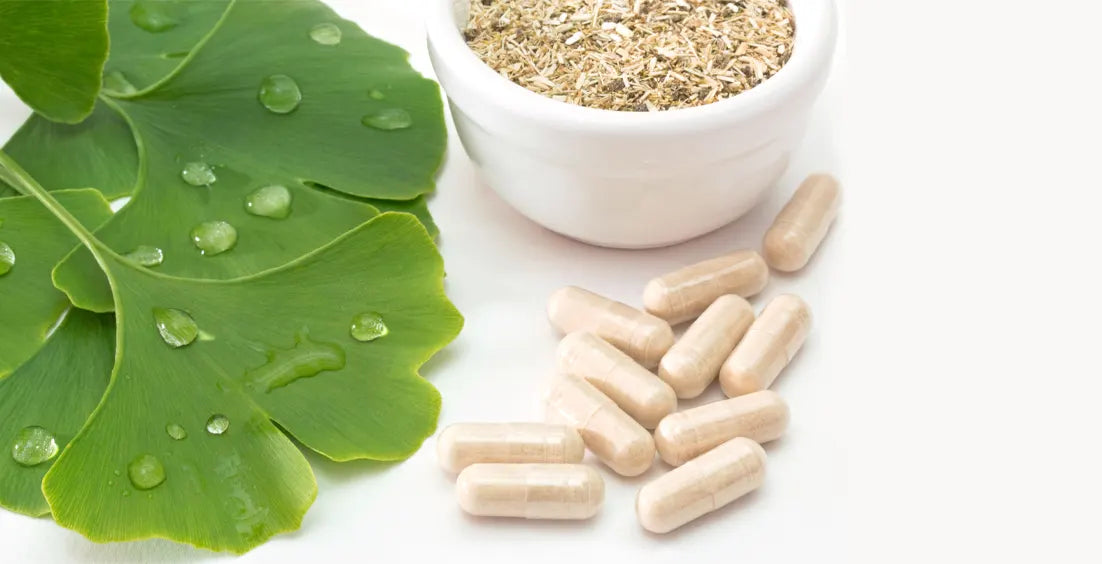
Ginkgo Biloba, often called just "ginkgo," is a tree that's been around for millions of years. Native to China, it's earned the nickname "living fossil" because it's the only survivor of an ancient plant order. For thousands of years, people have used ginkgo leaves and seeds in traditional Chinese medicine.
Today, it's popular worldwide as a dietary supplement, especially for brain health and circulation.
The ginkgo tree is remarkably resilient, with some specimens living over 1,000 years. It's this longevity that has partly inspired its use in health and wellness. The fan-shaped leaves of the ginkgo tree are particularly distinctive and are often used in art and design as a symbol of longevity and vitality.
Ready to try Ginkgo the smart way? WOWMD’s clean, standardized formula offers daily brain & circulation support — with purity you can trust. 👉 [Shop Ginkgo Biloba Now]
TL;DR
- Ginkgo Biloba is a natural supplement known for boosting brain function, circulation, and antioxidant defense.
- Daily use of 120–240 mg/day of standardized extract is considered safe for most healthy adults.
- Not recommended for pregnant or breastfeeding women, those with epilepsy, bleeding disorders, or on medications like blood thinners or antidepressants.
- Comes in capsules, tablets, teas, or liquid extracts — capsules are most precise for dosage.
- Clinical trials show it is well-tolerated long-term, but consult a healthcare provider before use.
- Watch for mild side effects like nausea, headache, or dizziness — and stop if severe.
- Track how your body responds and avoid exceeding 600 mg/day.
- Ginkgo may take 4–6 weeks to show results — consistency is key.
- Choose trusted, standardized products like WOWMD Ginkgo Biloba, verified for purity.
- Best used as part of a holistic wellness plan, including nutrition, exercise, and mental activity.
Potential Benefits of Ginkgo Biloba
Before we dive into safety, let's take a closer look at why people take ginkgo:
- Antioxidant powerhouse: Ginkgo is packed with antioxidants that fight harmful free radicals in your body. These include flavonoids and terpenoids, which may help protect cells from damage.
- Inflammation fighter: It may help reduce inflammation, which is linked to many health issues. This anti-inflammatory effect could be beneficial for conditions like arthritis or cardiovascular disease.
- Circulation booster: Ginkgo might improve blood flow throughout your body. This could be particularly beneficial for people with circulation issues in their legs or those at risk of cardiovascular problems.
- Brain helper: Some studies suggest it could support memory and cognitive function. It's often used in hopes of preventing or slowing cognitive decline associated with aging.
- Other possible perks: Research hints at benefits for eye health, mood, and more. Some people use it for tinnitus (ringing in the ears), while others hope it might help with sexual function or premenstrual syndrome.
Advertisement


It's important to note that while these Ginkgo Biloba benefits are promising, research results are often mixed. The effectiveness of ginkgo can vary from person to person.
Who Should Take Ginkgo Biloba?
Ginkgo biloba may be helpful for:
- Older adults looking to support memory and cognitive function
- People with circulation issues
- Those experiencing tinnitus (ringing in the ears)
- Individuals with mild anxiety or depression
- People seeking antioxidant support
Safety Considerations for Daily Ginkgo Biloba Use
General Safety Profile
For most adults, taking ginkgo daily is relatively low-risk. But don't just start popping pills! It's crucial to talk to your doctor first. They know your health history and can help you decide if Ginkgo is right for you.
Ginkgo has been used for centuries, and modern research has studied it extensively. However, like any supplement, it's not without potential risks. The key is to use it responsibly and under guidance.
According to Christina Burnett, a Senior Scientific Writer/Analyst at Cosmetic Ingredient, notes that;
"While Ginkgo biloba-derived ingredients are generally safe in cosmetic applications, their use in oral supplements requires careful consideration due to potential side effects and interactions."

How Much Ginkgo Biloba is Safe Daily?
Ginkgo biloba is popularly used as a herbal supplement, usually for supporting cognitive health. The recommended and commonly studied amount for adults is 240 mg per day in the form of EGb 761. Most people can take this amount without any serious issues.
Recommended Dosage:- Standard Dose: Take 240 mg daily, either at one time or by dividing it into two 120 mg doses spaced out. The approach has repeatedly proved that it enhances cognitive function while being well-tolerated, as stated in a PubMed study and several randomized controlled trials and meta-analyses.
- Alternative Dosages: Research in NIH has examined doses like 40 mg twice daily or 80 mg taken once a day, but these are rarely used because they tend to help less and inconsistently than a daily 240 mg dose.
Watch Natalie Gammonley’s review of WOWMD Ginkgo Biloba, where she shares her experience of taking the recommended daily dosage without any side effects, and how it helped with her cognitive health and mental clarity!
Safety in Clinical Use
Many people use ginkgo biloba every day, mainly for its benefits on cognitive and cardiovascular health. Research shows that taking standardized Ginkgo biloba extracts of around 120–240 mg each day is likely safe for most adults.
But people in certain groups must be careful because drugs can interact with their medicine and pose health risks.
Well-Tolerated in Trials: In large clinical trials and meta-analyses involving thousands of patients, there were no significant differences found in side effects when comparing Ginkgo biloba to placebos. A 2012 randomized study in the Journal of Psychiatric Research of 240 mg daily showed that it was well tolerated and safe, with a minor report of headache and nausea being seen.
Long-Term Use: An analysis in Toxicology of 75 trials with more than 7,000 patients carefully examined potential side effects, showing that their use is safe for most people. Long-term studies on Ginkgo biloba as a dementia treatment have found it safe.
Forms of Ginkgo Biloba Supplements
You can find best ginkgo biloba supplements in several forms:
- Capsules or tablets: These are the most common and convenient forms.
- Liquid extracts: These can be added to water or other beverages.
- Dried leaves for tea: Some people prefer this more traditional approach.
Each form has its pros and cons. Capsules offer precise dosing, while teas might be gentler but less standardized. Choose what works best for your lifestyle and preferences.
Word of warning: Never eat raw ginkgo seeds. They're poisonous and can cause serious health issues!
Potential Side Effects
While ginkgo is generally safe, some people might experience:
- Nausea: This is one of the most common side effects. Taking ginkgo with food might help.
- Diarrhea: If this occurs, try reducing your dose or splitting it throughout the day.
- Dizziness: This could be due to ginkgo's effects on blood flow. If severe, stop use and consult your doctor.
- Headaches: Ironically, while some people take ginkgo for headaches, it can cause them in others.
- Stomach pain: This might be reduced by taking ginkgo with meals.
In rare cases, some folks might have an allergic reaction, like a rash or difficulty breathing. If you notice any unusual symptoms, stop taking ginkgo and call your doctor immediately.
It's worth noting that side effects often decrease as your body adjusts to the supplement. However, if they persist or worsen, it's best to discontinue use and consult a healthcare professional.
What Should I Watch Out for When Taking Ginkgo Biloba?
Ginkgo isn't for everyone. You should avoid it if:
- You're allergic to plants containing alkylphenols: This includes poison ivy, mango rind, and cashew shell oil.
- You have certain medical conditions: People with bleeding disorders or those about to undergo surgery should be particularly cautious.
- You're pregnant or breastfeeding: There's not enough research to say it's safe during these times.
- You have epilepsy: Ginkgo might increase the risk of seizures in some people.
Always err on the side of caution. If you're unsure whether ginkgo is safe for you, consult with a healthcare provider who knows your medical history.
Are There Any Drug Interactions with Daily Ginkgo Biloba Use?
Here's where things get tricky. Ginkgo can interact with some medications, including:
- Blood thinners like warfarin or aspirin: Ginkgo may increase the risk of bleeding.
- Antidepressants (SSRIs, MAOIs): There's a potential risk of serotonin syndrome, a rare but serious condition.
- NSAIDs like ibuprofen or naproxen: This combination might increase bleeding risk.
- Diabetes medications: Ginkgo might affect blood sugar levels.
- Seizure medications: Ginkgo could reduce their effectiveness.
This list isn't complete, so it's super important to tell your doctor about ALL medications and supplements you're taking. This includes over-the-counter drugs and herbal remedies.
Advertisement


Monitoring and Adjusting Use
If you start taking ginkgo:
- Pay attention to how you feel: Keep a journal of any changes you notice, good or bad.
- Watch for any side effects: Be particularly alert in the first few weeks of use.
- Check-in with your doctor regularly: Schedule follow-ups to discuss how ginkgo is working for you.
Don't be shy about stopping or adjusting your dose if something doesn't feel right. Your health and comfort are the top priorities.
Quality and Standardization of Supplements
Not all ginkgo supplements are created equal. To stay safe:
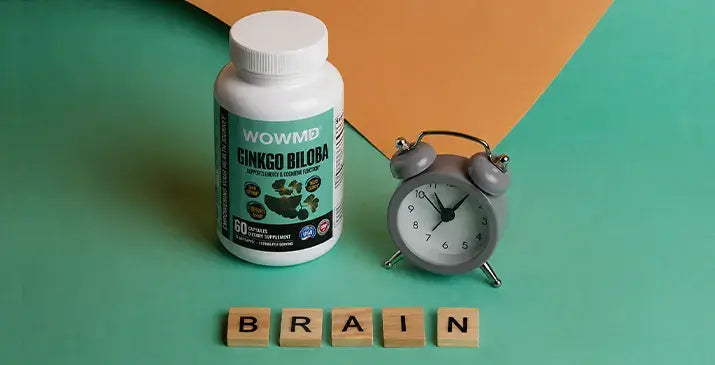
- Choose reputable brands: Look for companies that have their products tested by third-party labs. WOWMD offers Ginkgo Biloba supplement that meet quality standards.
- Look for "standardized extract" on the label: This ensures a consistent level of active compounds.
- Read ingredient lists carefully: Avoid products with unnecessary fillers or additives.
- Check for certifications: Seals from organizations like USP (United States Pharmacopeia) can indicate higher quality.
Remember, the FDA doesn't regulate supplements as strictly as medications. It's up to you to choose wisely.
Long-term Safety Considerations
We don't know a ton about the long-term effects of taking ginkgo every day. To play it safe:
- Consider taking breaks from time to time: This can help you reassess its effects and give your body a rest.
- Reassess with your doctor every few months: Your needs might change over time.
- Stay updated on new research: The scientific understanding of ginkgo is continually evolving.
Some studies have looked at ginkgo use for up to six years without finding serious long-term side effects. However, everyone's different, and what's safe for one person might not be for another.
Special Populations and Safety
Some groups need to be extra careful with ginkgo:
- Older adults: May be more sensitive to effects or interactions. They might also be taking more medications, increasing the risk of interactions.
- Children and teens: Not enough research to say it's safe. Most studies have focused on adults.
- People with certain health conditions: Those with diabetes, bleeding disorders, or seizure disorders should be particularly cautious.
- People undergoing surgery: Ginkgo might increase bleeding risk, so it's typically recommended to stop use at least two weeks before any surgical procedure.
If you fall into any of these categories, it's even more crucial to consult with a healthcare provider before using ginkgo.
Advertisement


Conclusion
So, is it safe to take ginkgo biloba daily? For many people, the answer is yes – but with some important caveats:
- Always talk to your doctor first: They can help you weigh the potential benefits against the risks.
- Start with a low dose and increase slowly: This allows you to monitor how your body responds.
- Be aware of potential side effects and interactions: Knowledge is power when it comes to your health.
- Choose high-quality supplements: Not all products are created equal.
- Monitor how you feel and adjust as needed: Your body's needs may change over time.
Remember, what works for one person might not work for another. Listen to your body and work with your healthcare provider to find the best approach for you. Ginkgo biloba has a long history of use and many potential benefits, but it's not a miracle cure. It's one tool in the toolbox of health and wellness.
Stay safe, stay informed, and here's to your good health!
FAQs
This article is for informational purposes only and is not a substitute for professional medical advice, diagnosis, or treatment. Statements made on this website have not been evaluated by the U.S. Food and Drug Administration. Always consult a qualified healthcare professional before making changes to your diet, supplements, medications, or healthcare routine.
Our Top Picks

Ginkgo Biloba

Neuro Plus Brain & Focus Formula

Ashwagandha Extra Strength Formula

References
WOWMD follows strict sourcing guidelines to ensure the accuracy of its content, outlined in our editorial policy. We use only trustworthy sources, including peer-reviewed studies, qualified experts, and information from top institutions.


- Understanding oxidants and antioxidants: Classical team with new players - PubMed (nih.gov) https://pubmed.ncbi.nlm.nih.gov/31960481/
- Ginkgo biloba extract improves coronary artery circulation in patients with coronary artery disease: contribution of plasma nitric oxide and endothelin-1 - PubMed (nih.gov) https://pubmed.ncbi.nlm.nih.gov/18446847/
- Ginkgo Biloba for Mild Cognitive Impairment and Alzheimer's Disease: A Systematic Review and Meta-Analysis of Randomized Controlled Trials - PubMed (nih.gov) https://pubmed.ncbi.nlm.nih.gov/26268332/
- Ginkgo biloba and its potential role in glaucoma - PubMed (nih.gov) https://pubmed.ncbi.nlm.nih.gov/29206653/
- Ginkgo biloba extract improves coronary artery circulation in patients with coronary artery disease: contribution of plasma nitric oxide and endothelin-1 - PubMed (nih.gov) https://pubmed.ncbi.nlm.nih.gov/18446847/
- Ginkgo Biloba - StatPearls - NCBI Bookshelf (nih.gov) https://www.ncbi.nlm.nih.gov/books/NBK541024/
- Modulation of cognitive performance following single doses of 120 mg Ginkgo biloba extract administered to healthy young volunteers https://pubmed.ncbi.nlm.nih.gov/17902186/
- Ginkgo biloba extract EGb 761® in dementia with neuropsychiatric features: a randomised, placebo-controlled trial to confirm the efficacy and safety of a daily dose of 240 mg https://pubmed.ncbi.nlm.nih.gov/22459264/
- Cross matching observations on toxicological and clinical data for the assessment of tolerability and safety of Ginkgo biloba leaf extract https://pubmed.ncbi.nlm.nih.gov/25446328/
- Meta-analysis of the efficacy and safety of Ginkgo biloba extract for the treatment of dementiahttps://pubmed.ncbi.nlm.nih.gov/26819725/