

What Is Inulin? Benefits, Uses & Dosage Guide
Learn what inulin is, its health benefits, recommended dosage, food sources, and potential side effects to support gut health and digestion.
 By WOWMD Staff

 Fact Checked
Advertiser Disclosure: WOWMD independently vets all recommended products. If you purchase a featured product, we may be compensated. Learn why you can trust us.
Table of contents
- What is Inulin?
- Types of Inulin
- How Much Inulin in Different Foods?
- How Inulin Works in the Body
- Health Benefits of Inulin
- Inulin Dosage
- Is Inulin Good Or Bad For You?
- How to Add Inulin to Your Diet
- Why Choose WOWMD?
- Customer Testimonials
- Inulin Suitability
- Possible Side Effects and Precautions
- Conclusion
- FAQs

Inulin is a soluble prebiotic fiber found in chicory, Jerusalem artichoke, onions and garlic. It feeds beneficial gut bacteria, supports digestion, helps control appetite and may improve blood sugar and calcium absorption.
In this guide: quick benefits, food sources, safe dosing (start 3–5 g → 5–10 g/day), side effects and practical tips to add inulin to your diet.
TL;DR
- Q. What is inulin? A soluble, prebiotic fiber from plants (chicory, garlic, onion).
- Q. Top benefits? Feeds good gut bacteria, aids digestion, supports weight control and blood sugar.
- Q. Typical dose? Start 3–5 g/day; common 5–10 g/day.
- Q. Side effects? Bloating/gas — increase slowly.
- Q. How fast results? Microbiome changes weeks; metabolic shifts 4–12 weeks.
What is Inulin?
Inulin is a type of fiber known as a fructan. It naturally occurs in many plants, especially those in the onion, garlic, and chicory families.
As a prebiotic, inulin passes through the digestive system without being absorbed and instead acts as food for beneficial bacteria in the gut. This helps maintain a healthy balance of bacteria and supports digestion.
Unlike other fibers, inulin is soluble. This means it dissolves in water and forms a gel-like substance. This quality makes inulin ideal for regulating bowel movements and improving general gut function.
Types of Inulin and Their Sources
Several forms of inulin exist, and they come from different sources. The most common ones include:
| Type of Inulin | Source | Common Uses |
|---|---|---|
| Inulin | Chicory root, Jerusalem | Food products, supplements |
| Oligofructose | Chicory root | Processed foods |
| FOS | Bananas, onions | Sweetening, digestive |
| Chicory Root Fiber | Chicory root | Food industry, fiber supplement |
| Jerusalem Artichoke | Jerusalem artichoke | Health foods, high in fiber |
| Garlic and Onions | Garlic, onions | Kitchen staples |
- Inulin (Standard): The most widely known form, typically sourced from chicory root, Jerusalem artichokes, and onions. It is commonly used in food products and supplements.
- Oligofructose: A shorter-chain version of inulin, often considered more soluble. It is typically derived from chicory root and used in processed foods, as it dissolves easily in liquids.
- Fructooligosaccharides (FOS): These are smaller chains of fructose molecules found naturally in foods like bananas, onions, and asparagus. Although similar to inulin, FOS has slightly different properties and is often used for its sweetening and digestive benefits.
- Chicory Root Fiber: Often marketed as inulin powder, chicory root is one of the richest sources of inulin. It’s commonly used in the food industry and as a supplement for its fiber content.
- Jerusalem Artichoke: Known for its high inulin content, Jerusalem artichokes are another plant source. The tuber of this plant is rich in fiber, making it a common addition to health foods.
- Garlic and Onions: These everyday kitchen staples also contain inulin in smaller amounts. They are especially beneficial for their additional health properties beyond fiber.
How Much Inulin Is Found in Different Foods?
Here’s a quick breakdown of inulin content in some common foods:
- Chicory root: The top source, with 36–48 grams per 100 grams.
- Jerusalem artichoke: Offers 16–20 grams.
- Garlic: Provides 9–16 grams.
- Wheat (baked flour): Contains 1–4 grams.
- Barley: Has 0.5–1 gram.
To sum it up, if you’re looking to boost your inulin intake, chicory root and Jerusalem artichokes are top contenders. But even foods like garlic, onions, and whole grains are a good way to sneak in a little inulin throughout the day!
Advertisement


How Inulin Works in the Body?
Once consumed, inulin acts as a prebiotic [1]. It travels through the digestive system without being broken down or absorbed in the small intestine. This means it reaches the colon intact, where it serves as a food source for the beneficial bacteria living there.
As these bacteria digest inulin, they produce short-chain fatty acids that help improve gut health. This process not only supports digestion but can also contribute to a better balance of gut flora, which is linked to improved immune function and may help reduce the risk of certain diseases.
The fermentation of inulin in the gut also helps in the production of gases so it might cause mild bloating for some individuals [2]. However, the benefits of gut health improvements often outweigh these temporary discomforts.
Health Benefits of Inulin
Inulin is high in fiber and low in calories, it offers several important health. As a type of soluble fiber, it dissolves in water and forms a gel-like substance in the stomach. This fiber moves through the digestive system, serving as food for the beneficial bacteria in the colon.
 Health Benefits of Insulin
The unique properties of inulin offer several benefits:
- May Help Support Digestive Health: It helps maintain a balanced gut microbiome, essential for digestion. [3]
- May Help Support Weight Management: Research suggests that inulin may help with weight control. It reduces appetite and in turn support weight management. [4]
- May Help Improve Blood Sugar Control: It may help slow the absorption of sugar into the bloodstream; by doing so, itprevents sudden spikes. [5]
- May Help Support Heart Health: Some studies have shown that inulin may help lower cholesterol levels, which is important for heart health. [6]
- May Help Improve Calcium Absorption: Inulin helps improve the absorption of calcium, a mineral essential for bone health. [7]
| Benefit | Evidence Level | Key Note |
|---|---|---|
| Prebiotic / gut microbiome support | Strong (multiple RCTs & reviews) | Increases Bifidobacteria (Ref: PMC8970830). |
| Weight management (appetite suppression) | Moderate | Small trials show reduced energy intake (Ref: PMC4619305). |
| Blood sugar control | Moderate | Slows glucose absorption; improvements in prediabetes studies. |
| Calcium/bone mineral absorption | Moderate | Shown to modestly increase calcium absorption (Ref: PMC33611985). |
| Possible cholesterol benefits | Limited | Some studies show small improvements in lipid profiles. |
Inulin Dosage
The typical inulin dosage ranges from 5 to 10 grams per day. If you are using inulin powder, it is best to start with a smaller dose, such as 3-5 grams per day, and gradually increase it to minimize digestive discomfort, such as bloating or gas.
For general gut health, inulin is often taken once a day. If using it for weight management or blood sugar control, higher doses may be required, but always consult a healthcare provider to determine the best dosage for your needs.
| Goal | Dose (common) | Start Tip |
|---|---|---|
| Gut health | 5–10 g/day | Start 3–5 g/day for 1 week |
| Weight management | 8–10 g/day | Split dose to reduce bloating |
| Blood sugar support | 5–10 g/day | With meals helps slow absorption |
Is Inulin Good Or Bad For You?
Inulin can be beneficial for most people, especially for improving digestion, supporting gut health, and helping manage blood sugar levels. However, it may cause digestive discomfort, such as bloating or gas, in some individuals, particularly if consumed in large amounts.
It’s important to start with small doses and increase gradually. If you have digestive conditions like irritable bowel syndrome (IBS), consult with a healthcare provider before adding inulin to your diet.
Also Read: Inulin vs Psyllium
Mark Hyman, MD , Co-Founder & Chief Medical Officer of Function Health, stated that;
“Inulin is one of the most effective fibers to help balance your gut microbiome. Not only does it support digestion, but it also aids in blood sugar control and promotes a healthier weight, making it a valuable addition to a balanced diet.”
How to Add Inulin to Your Diet
Adding inulin to your diet is easier than you might think, and it can be done in various ways. Let's explore some practical methods for making inulin a part of your diet, so you can start enjoying its benefits today.
 What foods are good to take with insulin
Add Inulin Powder to Smoothies or Shakes
One of the simplest ways to include inulin in your diet is by adding inulin powder to smoothies or shakes. Just a spoonful mixed with fruits, vegetables, and yogurt can provide a good dose of fiber. This is an easy option for people looking for a convenient way to get more fiber without altering their regular meals.
Use It in Baking
You can substitute inulin powder for part of the flour in baking recipes. This works well in muffins, breads, or cookies. Not only will you get the benefits of inulin, but your baked goods will also have a slightly sweeter taste without the added sugar.
Add to Beverages
Mix inulin powder into your tea, coffee, or water. It dissolves easily in liquids, making it an ideal addition to various drinks. If you prefer flavored drinks, inulin can blend well into flavored waters or even homemade juice.
Include Foods High in Inulin
In addition to supplements, you can eat more foods that naturally contain inulin. Include foods like onions, garlic, asparagus, and bananas in your meals. These foods are natural sources of inulin and can add flavor and variety to your diet.
Try Inulin-Fortified Products
Many food products, such as cereals, yogurt, and energy bars, now contain added inulin. These products are a convenient way to increase your inulin intake without having to add extra ingredients yourself.
Explore More: Probiotic Foods to Support Gut Health
Why Choose WOWMD Max Detox Acai Berry?
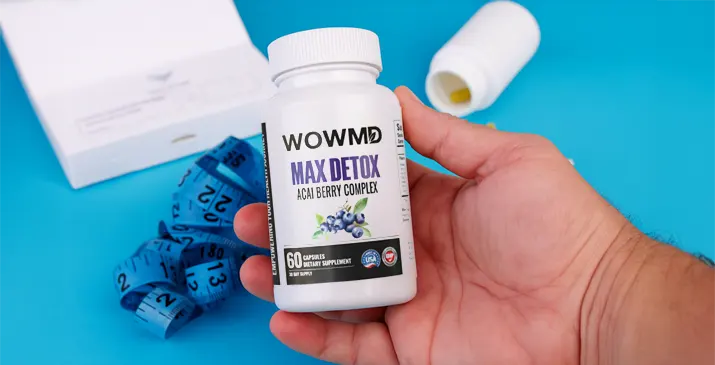
WOWMD Max Detox Acai Berry Complex is an excellent product to help your body during natural processes of detoxification as well as to promote digestion and wellbeing.
Full of ingredients such as Insulin, Acai Berry Extract, Chlorella and Psyllium Powder it is known to flush out toxins, aid in healthy digestion and liver support. And it contains a plethora of antioxidants that boost your immunity and ensure the normalization of your gut microbiome.
With regular use, you'll likely feel more energized, less bloated, and experience better digestion, making it a fantastic addition to your daily wellness routine.
Advertisement


Chia struggled with bloating until she tried WOWMD Max Detox Acai Berry Complex, which contains inulin and psyllium. It improved her digestion, cleared her skin, boosted energy, and supported healthier bowel movements, enhancing her overall well-being.
Customer Testimonials
- I notice these capsules help my body detox naturally and support my liver. It feels easier to stay fresh and balanced without any crazy side effects or fuss. – Dennis P.
- These detox capsules have helped reduce bloating and make me feel lighter. – Sophia G.
- It’s packed with natural ingredients, which makes me feel confident about using it regularly. – Ava M.
>> Say goodbye to bloating! WOWMD Max Detox with inulin supports digestion and a flatter belly. Made in the USA. [Buy Now]
Is Inulin Suitable for Vegetarians, Vegans, and Individuals with Gluten Intolerance?
Inulin is an excellent option for vegetarians, vegans, and gluten-intolerant people. It is a natural vegan component, derived from chicory and Jerusalem artichoke roots.
It is also gluten-free, so it is safe for those who have celiac disease or gluten sensitivity, but again, it should be noted that there are chances of cross-contamination, so one must always read labels.
With that said, others may find it easy to digest, in particular if they are sensitive to FODMAPs. In case of uncertainty, you can add inulin in small amounts to observe how your body will respond to it.
Did You Know?
- DYK? Chicory root contains the highest inulin levels — up to ~40 g per 100 g.
- DYK? Inulin fermentation produces short-chain fatty acids like butyrate that support colon cells.
- DYK? Starting inulin too fast is the #1 reason people stop — ramp slowly to avoid bloating.
- DYK? Inulin may improve calcium absorption and support bone health.
Advertisement


Checklist for Buyers
- Ensure the inulin is derived from quality sources like chicory root, Jerusalem artichoke, or onions for maximum benefits.
- Look for inulin that is free from artificial additives, preservatives, or fillers.
- Opt for a soluble form of inulin for better digestion and absorption, such as inulin powder.
- Check if the product is well-packaged to maintain freshness and avoid contamination.
- Verify if the product is third-party tested for quality and purity.
- Read reviews to check how well the product has worked for others.
- Compare the cost with the quantity provided to ensure you’re getting good value for your money.
>> Looking for a clean inulin supplement? Choose third-party tested formulas and start with 3 g/day. [Shop WOWMD Options]
Possible Side Effects and Precautions
While inulin offers many health benefits, it can cause some side effects, especially if consumed in large amounts.
The most common side effect is mild digestive discomfort, such as bloating, gas, or cramping. This occurs because inulin is fermented in the gut, where it can create gases. For most people, these symptoms are temporary and lessen as the body adjusts to increased fiber intake.
It’s important to introduce inulin gradually into your diet to allow your digestive system to adapt. Start with small amounts and increase gradually to avoid discomfort.
Individuals with certain conditions, such as irritable bowel syndrome (IBS) or fructose intolerance, may experience more severe symptoms. If you have any digestive issues or are taking medications, consult your doctor before adding inulin to your diet.
As with any supplement, moderation is key. Make sure to drink plenty of water to support digestion.
| Symptom / Risk | Cause | Action |
|---|---|---|
| Bloating / gas | Fermentation → gas | Reduce dose; increase gradually |
| Abdominal pain / obstruction | Insufficient fluid, large doses | Stop, seek care; always drink water |
| IBS-FODMAP sensitivity | Fructans trigger IBS | Avoid/use under clinician guidance |
| Drug binding | Fiber can bind meds | Separate dosing by 1–2 hours; check with pharmacist |
Conclusion
Inulin is a versatile and beneficial fiber that supports digestive health, aids in weight management, and can improve blood sugar levels. It is easy to add to your diet, whether through inulin powder, natural food sources, or fortified products.
While it offers many health benefits, it's important to start with small amounts and gradually increase intake to avoid digestive discomfort. Always consult with your healthcare provider if you have any underlying health conditions or concerns.
>> Low energy? WOWMD Max Detox with insulin boosts metabolism and keeps you energized. Made in the USA. [Shop Now] for all-day revitalization!
With careful use, inulin can be a valuable addition to your diet as it can support your gut health and more. Add it to your meals and enjoy the potential benefits it offers for digestion, heart health, and beyond.
FAQs
This article is for informational purposes only and is not a substitute for professional medical advice, diagnosis, or treatment. Statements made on this website have not been evaluated by the U.S. Food and Drug Administration. Always consult a qualified healthcare professional before making changes to your diet, supplements, medications, or healthcare routine.
Our Top Picks

Blood Sugar Ultra Advanced Formula

Berberine Essentials

Ashwagandha Extra Strength Formula

References
WOWMD follows strict sourcing guidelines to ensure the accuracy of its content, outlined in our editorial policy. We use only trustworthy sources, including peer-reviewed studies, qualified experts, and information from top institutions.


- The Prebiotic Potential of Inulin-Type Fructans: https://pmc.ncbi.nlm.nih.gov/articles/PMC8970830/
- Immunomodulatory effects of inulin and its intestinal metabolites: https://pmc.ncbi.nlm.nih.gov/articles/PMC10449545/
- Inulin: properties and health benefits: https://pubmed.ncbi.nlm.nih.gov/36876591/
- The effect of inulin on weight management and ectopic fat in subjects with prediabetes: https://pmc.ncbi.nlm.nih.gov/articles/PMC4619305/
- Efficacy of inulin supplementation in improving insulin control, HbA1c and HOMA-IR in patients with type 2 diabetes: https://pmc.ncbi.nlm.nih.gov/articles/PMC7263925/
- The effects of inulin-type fructans on cardiovascular disease risk factors: https://pubmed.ncbi.nlm.nih.gov/38309832/
- Effects of inulin on calcium metabolism and bone health: https://pubmed.ncbi.nlm.nih.gov/33611985/