

How Much Zinc Can You Take in a Day: A Complete Guide
Find out how much zinc you should take daily, including recommended amounts for adults, safe limits, benefits, and potential risks of too much zinc.
 By WOWMD Staff

 Fact Checked
Advertiser Disclosure: WOWMD independently vets all recommended products. If you purchase a featured product, we may be compensated. Learn why you can trust us.

TL;DR
- Zinc is a vital mineral for immunity, skin health, and healing.
- Adults typically need 8–11 mg/day, but some conditions may require 15–30 mg.
- High doses above 40 mg/day can cause nausea and disrupt copper absorption.
- Zinc supports immunity, acne treatment, wound healing, and overall growth.
- Best sources: red meat, shellfish, legumes — or high-quality supplements.
- Choose the right form: gluconate (cold), sulfate (acne), picolinate (absorption).
Why Zinc Matters
Zinc is an essential mineral that plays a vital role in numerous biological processes, including immune system function, wound healing, DNA synthesis, and cell division. It is a trace element, meaning your body needs only small amounts, but without it, many vital functions are compromised.
Zinc is also critical for growth and development, making it particularly important during pregnancy, childhood, and adolescence. It is important to get the right zinc daily dose to ensure you stay healthy.
In this guide, we'll explore the daily zinc dosage for adults, the benefits of zinc supplements, and how to avoid potential risks such as zinc overdose.
What Is Zinc?
Zinc is a trace mineral essential for maintaining a healthy immune system, enabling proper cell growth, and ensuring the senses of taste and smell function correctly.
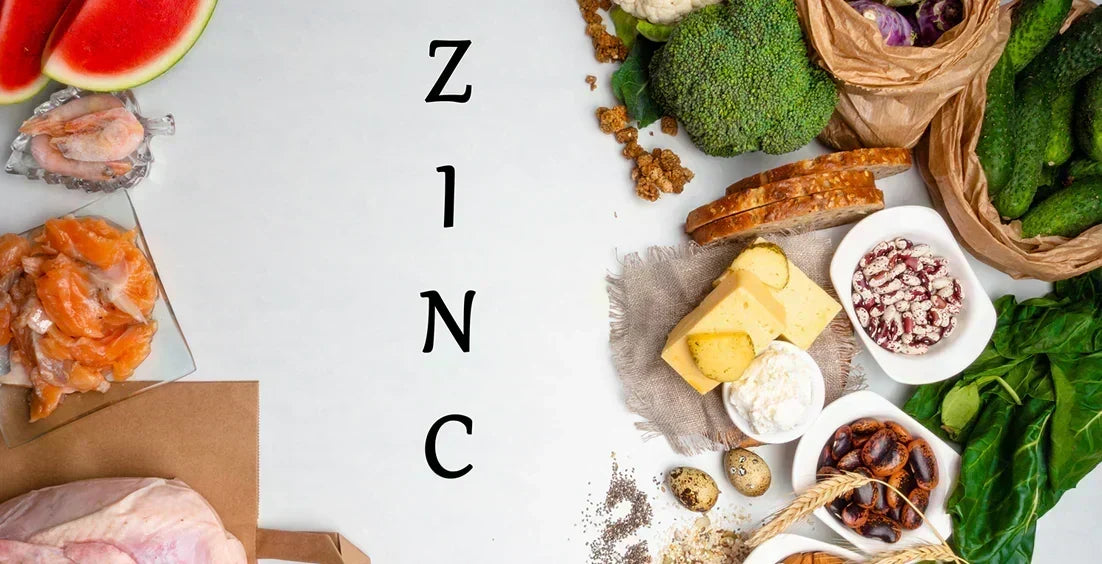
It is naturally found in many food sources such as meat, seafood, legumes, and dairy products, but it's also available in supplements. Given its wide range of roles in the body, maintaining adequate zinc levels is crucial.
Advertisement


People often ask, how much zinc per day do I need to maintain optimal health? The answer varies depending on age, gender, and life stage.
Also Read - Is Zinc Water-Soluble or Fat-Soluble
Daily Zinc Requirements
When considering zinc supplements, one of the most important factors is knowing the right zinc daily dose. The recommended daily allowance (RDA) for zinc varies by age, sex, and life stage:
- Infants (0-6 months): 2 mg/day
- Children (1-3 years): 3 mg/day
- Children (4-8 years): 5 mg/day
- Children (9-13 years): 8 mg/day
- Teen boys (14-18 years): 11 mg/day
- Teen girls (14-18 years): 9 mg/day
- Adult men: 11 mg/day
- Adult women: 8 mg/day
- Pregnant women: 11-12 mg/day
- Breastfeeding women: 12-13 mg/day
For adults, the zinc dosage for adults typically ranges between 8 mg and 11 mg daily. In certain cases, such as during pregnancy or when combating zinc deficiency, a higher intake may be recommended. Before starting zinc supplements, consult with your health care provider.
Zinc Deficiency: Symptoms and Causes
 Zinc Deficiency
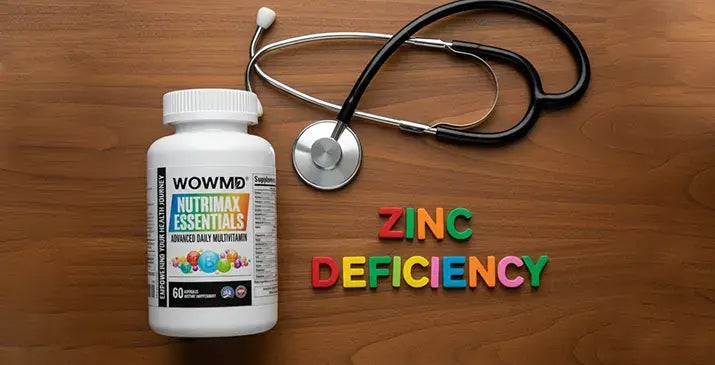
A zinc deficiency can result in various health issues, including weakened immunity, delayed wound healing, hair loss, and loss of appetite. Zinc deficiency is rare in developed countries, but people at higher risk include:
- Vegetarians and vegans, as zinc, is more easily absorbed from animal-based foods
- Pregnant and breastfeeding women, due to increased zinc demands
- Individuals with digestive disorders that impair nutrient absorption (e.g., Crohn’s disease)
- Older adults who have reduced intake or absorption
If you are concerned about zinc deficiency, consult a healthcare professional for testing and recommendations on the zinc dosage for adults or children as appropriate.
Try WOWMD NutriMax Essentials - Advanced Daily Multivitamin with Zinc — clean, highly bioavailable, made in the USA.
Benefits of Zinc for Health
Zinc plays many important roles in the body, and understanding the benefits of taking zinc can help ensure you receive the right amount to support your overall health. Here are some key benefits of zinc:
1. Boosts Immune Function
Zinc is widely known for its ability to support immune health. It helps combat infections and is particularly effective in shortening the duration of the common cold.
Studies suggest that zinc lozenges can reduce cold symptoms by up to 33% when taken at the onset of illness. This is why many over-the-counter remedies include zinc.
2. Supports Wound Healing
Zinc plays a key role in skin health and wound healing. People with low zinc levels often experience slower recovery from injuries. Zinc supplements are commonly prescribed for individuals with burns, ulcers, or other chronic wounds that take time to heal.
Advertisement


3. Improves Skin Health
Zinc is frequently used in the treatment of acne and other inflammatory skin conditions. For individuals with mild to moderate acne, zinc sulfate supplements may reduce symptoms with its antioxidant and anti-inflammatory properties.
Beyond its role in acne management, zinc is also regarded as one of the best vitamins for skin health, contributing to overall skin maintenance and vitality.
4. Promotes Healthy Growth and Development
During pregnancy, childhood, and adolescence, zinc is crucial for proper growth and development. Pregnant women should ensure they meet their daily zinc requirements to support fetal development and avoid fetal complications.
Dr. Ryan Doyle, DDS, is deeply committed to providing excellent patient care, continually learning, and harnessing the transformative potential of dentistry. He notes, As a dentist, I often see signs of zinc deficiency such as poor wound healing or frequent mouth ulcers in my patients. For good health, most adults need 8 to 11 mg of zinc daily. Zinc impacts many areas of health like immunity, vision, and skin health.

Different Types of Zinc Supplements
There are several forms of zinc supplements available, and they differ in how well they are absorbed and how they affect your health. The most common forms include:
- Zinc gluconate: Often found in cold remedies like lozenges.
- Zinc sulfate: Effective in treating acne and used to prevent zinc deficiency.
- Zinc picolinate: Known for higher absorption compared to other forms.
- Zinc acetate: Frequently used in cold lozenges to reduce symptoms.
- Zinc citrate: Well absorbed and has a more pleasant taste than zinc gluconate.
When deciding on a supplement, consider your health needs and consult with a healthcare professional for guidance on the best form and the appropriate zinc daily dose.
Proper Use and Dosage of Zinc Supplements
The daily dose of zinc for adults varies depending on dietary intake and individual health needs. For general health, the recommended daily intake of zinc is 15–30 mg of elemental zinc. Higher doses may be needed to treat conditions like acne, infection, or burns as recommended by a healthcare professional.
It is essential to avoid exceeding the tolerable upper intake level (UL) for zinc, which is 40 mg per day for adults according to the Food and Drug Administration (FDA). Consuming more than this amount can result in adverse effects such as nausea, vomiting, and interference with copper absorption.
In this video, Dr. Brown breaks down how much zinc you should be taking for different health concerns.
Side Effects and Risks of Too Much Zinc
While zinc is generally safe when consumed in appropriate amounts, excessive intake can lead to harmful side effects, including:
- Nausea, vomiting, and diarrhea
- Headaches and abdominal cramps
- Reduced absorption of copper, which can cause anemia over time
High doses of zinc (above 40 mg per day) should only be taken under medical supervision. It’s also important to note that long-term excessive zinc intake can weaken the immune system and disrupt other mineral balances in the body.
Who Should Take Zinc Supplements?
Zinc supplements may be beneficial for:
- Individuals with a confirmed zinc deficiency
- Vegetarians and vegans, who may have difficulty meeting zinc needs through diet alone
- Pregnant and breastfeeding women, to support growth and development
- People with chronic illnesses that impair zinc absorption
Advertisement


It is important to note how much zinc you get from your foods like meat, shellfish, legumes, seeds, and dairy products before starting a supplement. If you are getting adequate zinc through your diet, you may not need a zinc supplement.
Read More - Does Zinc Increase Testosterone
Conclusion: Getting the Right Amount of Zinc
Zinc is a vital mineral for maintaining overall health. While it’s possible to get enough zinc through a balanced diet, supplements may be necessary for certain individuals. The key to zinc supplementation is balance: taking enough to support health without exceeding safe limits.
To ensure you are getting the right daily dose of zinc for adults, or which is the best zinc supplement for you, consult with a healthcare provider for personalized guidance. Whether you're boosting your immune system, supporting skin health, or recovering from an illness, maintaining optimal zinc levels is essential for long-term well-being.
Learn More About Zinc:
FAQs
This article is for informational purposes only and is not a substitute for professional medical advice, diagnosis, or treatment. Statements made on this website have not been evaluated by the U.S. Food and Drug Administration. Always consult a qualified healthcare professional before making changes to your diet, supplements, medications, or healthcare routine.
Our Top Picks

Blood Sugar Ultra Advanced Formula


Prosta Defend

References
WOWMD follows strict sourcing guidelines to ensure the accuracy of its content, outlined in our editorial policy. We use only trustworthy sources, including peer-reviewed studies, qualified experts, and information from top institutions.


- Zinc as a Gatekeeper of Immune Function https://www.ncbi.nlm.nih.gov/pmc/articles/PMC5748737/
- Zinc https://ods.od.nih.gov/factsheets/Zinc-Consumer/
- Zinc Deficiency https://www.ncbi.nlm.nih.gov/books/NBK493231/
- Zinc for the treatment of the common cold: a systematic review and meta-analysis of randomized controlled trials https://www.ncbi.nlm.nih.gov/pmc/articles/PMC3394849/
- Zinc in Wound Healing Modulation https://www.ncbi.nlm.nih.gov/pmc/articles/PMC5793244/
- Zinc Therapy in Dermatology: A Review https://www.ncbi.nlm.nih.gov/pmc/articles/PMC4120804/
- Zinc deficiency and associated factors among pregnant women’s attending antenatal clinics in public health facilities of Konso Zone, Southern Ethiopia https://www.ncbi.nlm.nih.gov/pmc/articles/PMC9262205/
- Zinc https://www.mountsinai.org/health-library/supplement/zinc
- Zinc Supplement (Oral Route, Parenteral Route) https://www.mayoclinic.org/drugs-supplements/zinc-supplement-oral-route-parenteral-route/description/drg-20070269