

Does Zinc Increase Testosterone? What Studies Show
Learn how zinc deficiency may affect testosterone, what research shows, recommended intake, and potential benefits.
 By WOWMD Staff

 Fact Checked
Advertiser Disclosure: WOWMD independently vets all recommended products. If you purchase a featured product, we may be compensated. Learn why you can trust us.


If you’re reading this you’ve probably heard of zinc or at least zinc supplements. Zinc is an essential nutrient and one of the most important minerals in the human body. Having enough zinc in your body helps to keep it functioning properly. It helps with wound healing, immune function, cell division, and the formation of DNA proteins. It’s also essential for growth and development, and possibly slows down age related macular degeneration.
But what does zinc have to do with testosterone? A deficiency in zinc may contribute to hypogonadism (testosterone deficiency). Our bodies do not make zinc so we have to get this mineral through our food intake or through taking supplements daily.
Continue reading to learn more about zinc and testosterone levels.
Key Takeaways
- Zinc supports testosterone production, which is essential for libido and erectile function.
- Deficiency in zinc may contribute to erectile dysfunction by lowering testosterone and impairing blood flow.
- Zinc helps regulate nitric oxide levels, improving circulation for stronger, longer-lasting erections.
- Eating zinc-rich foods or supplementing can enhance sexual health and hormone balance.
What Is Zinc?
Zinc is an essential mineral that the body requires for various functions, including testosterone production, immune support, metabolism, and wound healing. Since the body does not store zinc, it must be consumed regularly through food or supplements. It plays a key role in enzyme activity, protein synthesis, and cellular repair, making it crucial for overall health.
Advertisement

 *All individuals are unique. Your results can and will vary.
Zinc also acts as an antioxidant, helping to reduce inflammation and oxidative stress. Adequate intake is necessary for maintaining hormone balance, supporting reproductive health, and promoting overall well-being.
Also Read: Is Zinc Water-Soluble or Fat-Soluble?What Is Testosterone?
Testosterone is a hormone primarily produced in the testes in men and in smaller amounts in the ovaries and adrenal glands in women. It plays a crucial role in muscle growth, bone density, fat distribution, red blood cell production, and sexual health. Testosterone is also essential for maintaining energy levels, mood, and cognitive function.
As men age, testosterone levels naturally decline, which can lead to reduced muscle mass, lower libido, fatigue, and other health concerns. Maintaining optimal testosterone levels is important for overall well-being, physical performance, and reproductive health.
Causes and Symptoms of Low Testosterone
Symptoms of low testosterone, or low T, can be caused by a variety of factors, including age, lifestyle, and medical conditions. One possible cause is low zinc levels, as zinc is an essential mineral involved in testosterone production.
Causes of Low Testosterone
- Aging – Natural decline starts around age 30
- Low Zinc Levels – Zinc is crucial for testosterone synthesis; deficiency can lead to lower levels
- Poor Diet – Lack of essential nutrients, including healthy fats and protein
- Chronic Stress – Increases cortisol, which can suppress testosterone
- Obesity – Higher body fat can increase estrogen and lower testosterone
- Sleep Deprivation – Disrupts hormone production
- Excess Alcohol Consumption – Can impair testosterone production
- Certain Medications – Such as opioids and steroids
Symptoms of Low Testosterone
- Low Energy & Fatigue
- Reduced Muscle Mass & Strength
- Increased Body Fat
- Low Libido & Erectile Dysfunction
- Mood Changes – Depression, Irritability
- Difficulty Concentrating ("Brain Fog")
- Hair Loss
Since zinc deficiency can contribute to low testosterone, maintaining an adequate intake of zinc-rich foods (like meat, shellfish, nuts, and seeds) or supplementing when necessary may help support healthy testosterone levels.
Advertisement

 *All individuals are unique. Your results can and will vary.
Zinc and Testosterone
Zinc is a crucial mineral that plays a direct role in testosterone production and overall male health. A deficiency in zinc can lead to lower testosterone levels, reduced muscle mass, and even diminished libido.
How Zinc Boosts Testosterone
- Supports Testosterone Synthesis – Zinc is essential for the production and release of testosterone in the testes.
- Inhibits Aromatase Activity – Zinc helps prevent testosterone from being converted into estrogen, keeping levels optimized.
- Regulates DHT (Dihydrotestosterone) Levels – Zinc helps maintain a balance of DHT, a potent androgen linked to strength and libido.
- Enhances Sperm Production & Fertility – Studies show that zinc deficiency can lead to reduced sperm count and motility.
- Boosts Immune Function & Recovery – Zinc supports overall health, which is crucial for hormone balance.
Signs of Zinc Deficiency & Low Testosterone
- Fatigue & Low Energy
- Reduced Muscle Mass
- Weakened Immune System
- Low Libido & Erectile Dysfunction
- Brain Fog & Mood Swings
Best Sources of Zinc for Testosterone Support
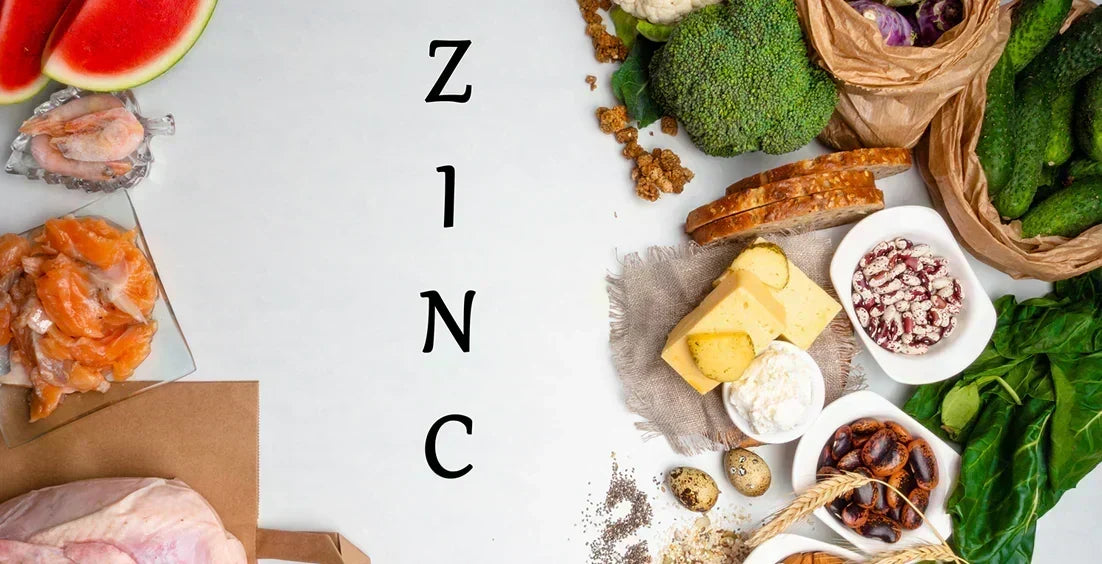
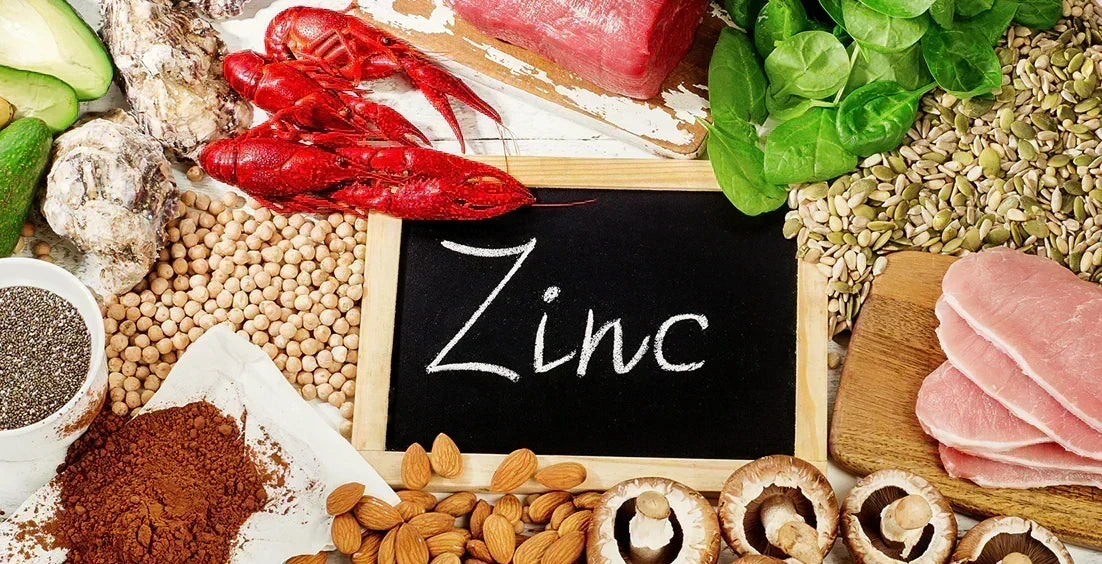
- Oysters (highest natural source)
- Beef & Poultry
- Pumpkin Seeds & Nuts
- Eggs & Dairy
- Zinc Supplements (for those who struggle to get enough from diet)
If you're experiencing symptoms of low testosterone, ensuring adequate zinc intake could be helpful. Pairing zinc with other testosterone-supporting nutrients like magnesium, vitamin D, and boron can maximize benefits. WOWMD offers Testosterone Support that contains a combination of these key nutrients.
Is There a Link Between Zinc and Erectile Dysfunction?
Zinc plays a vital role in male sexual health, including testosterone production, sperm quality, and erectile function. A deficiency in zinc has been linked to low testosterone levels, which can contribute to erectile dysfunction (ED) and reduced libido.
How Zinc Affects Erectile Function
- Boosts Testosterone Levels – Zinc is essential for testosterone synthesis, which plays a key role in sexual function and libido.
- Supports Nitric Oxide Production – Zinc helps regulate nitric oxide, a molecule that promotes blood flow, essential for achieving and maintaining an erection.
- Reduces Oxidative Stress – Zinc acts as an antioxidant, protecting the cells involved in erectile function from damage.
- Prevents Testosterone Conversion to Estrogen – Zinc inhibits aromatase, an enzyme that converts testosterone into estrogen, helping maintain hormonal balance.
- Improves Prostate Health – Zinc is concentrated in the prostate and supports its function, which is linked to overall sexual health.
Zinc Deficiency and Erectile Dysfunction
A lack of zinc may contribute to low libido and weak erections due to its essential role in testosterone production and blood flow regulation. Zinc deficiency can also lead to decreased testosterone levels, which may result in fatigue, reduced muscle mass, and diminished sexual performance.
Additionally, inadequate zinc intake has been linked to an increased risk of prostate issues, as zinc plays a crucial role in maintaining prostate health. Beyond hormonal and reproductive effects, zinc deficiency can slow wound healing and weaken the immune system, making the body more susceptible to infections and prolonged recovery times.
Read More: Does Zinc Help the Immune System
How to Increase Zinc for Better Sexual Health
- Eat Zinc-Rich Foods: Oysters, beef, poultry, nuts, seeds, eggs, and dairy
- Take a High-Quality Zinc Supplement (if dietary intake is insufficient)
- Combine Zinc with Other Testosterone Boosters like magnesium, vitamin D, and boron for enhanced effects
Zinc is a critical nutrient for testosterone production and erectile function. Ensuring you get enough zinc through diet or supplementation can improve sexual performance, support healthy testosterone levels, and reduce the risk of ED.
In this video, our client Peter shares his experience with WOWMD Perform Max. He explains how the supplement helped him deal with low energy, low confidence, and sluggish performance.
How Much Zinc Is Needed To Boost Testosterone?
The recommended daily intake of zinc varies by age and individual needs, but for testosterone optimization, certain intake levels have been studied for effectiveness.
Advertisement
 *All individuals are unique. Your results can and will vary.
Optimal Zinc Intake for Testosterone
- General Daily Requirement: 11 mg/day (for adult men)
- For Testosterone Support: 15–30 mg/day (higher doses may be beneficial for those deficient)
- Upper Safe Limit: 40 mg/day (exceeding this long-term may cause adverse effects)
Best Zinc Forms for Absorption
- Zinc Picolinate & Zinc Citrate (Highly bioavailable)
- Zinc Gluconate & Zinc Monomethionine (Well-absorbed alternatives)
Consuming 15–30 mg of zinc daily through diet or supplements can help support testosterone levels, but exceeding 40 mg/day for extended periods may cause imbalances.
“Some initially promising research has been conducted, and it does suggest zinc supplementation definitively may increase levels of free testosterone in men,” says Roxana Ehsani, R.D., a Miami, Florida-based registered dietitian nutritionist and board-certified sports dietitian, “but more research and trials need to be done first before we can say that zinc does, or can, increase levels.”
Is It Safe To Take Zinc Daily?
Yes, taking zinc daily is generally safe when consumed within recommended limits. However, excessive intake can lead to side effects.
Safe Zinc Intake Levels
- Recommended Daily Allowance (RDA): 11 mg/day (for adult men)
- Upper Safe Limit: 40 mg/day (long-term use above this may cause issues)
- High-Dose Supplementation: 50+ mg/day should only be taken short-term and under medical supervision
Potential Side Effects of Excess Zinc
- Nausea & Stomach Upset
- Copper Deficiency (zinc competes with copper absorption)
- Weakened Immunity & Imbalanced Minerals
- Lowered Good Cholesterol (HDL)
Taking 11–30 mg of zinc daily is safe and beneficial for health, but exceeding 40 mg/day long-term may cause side effects.
Conclusion
Zinc plays a vital role in testosterone production, overall hormonal balance, and sexual health. A deficiency in zinc can contribute to low testosterone levels, which may lead to fatigue, reduced muscle mass, and even erectile dysfunction. Ensuring adequate zinc intake through diet or supplementation can help support testosterone levels, improve libido, and enhance overall well-being.
While daily zinc consumption is generally safe within recommended limits, excessive intake can lead to imbalances and side effects. Maintaining a balanced diet rich in zinc, along with a healthy lifestyle, is key to optimizing testosterone and overall health.
Testosterone matters for women too, though the healthy range sits far lower than it does in men. High testosterone in women often shows up alongside conditions like PCOS and can bring irregular cycles, acne, or unwanted hair growth, so anyone noticing those signs should get hormone levels checked rather than self-supplementing.
This article is for informational purposes only and is not a substitute for professional medical advice, diagnosis, or treatment. Statements made on this website have not been evaluated by the U.S. Food and Drug Administration. Always consult a qualified healthcare professional before making changes to your diet, supplements, medications, or healthcare routine.
Our Top Picks

Testosterone Support


References
WOWMD follows strict sourcing guidelines to ensure the accuracy of its content, outlined in our editorial policy. We use only trustworthy sources, including peer-reviewed studies, qualified experts, and information from top institutions.


- Kumar, P., Kumar, N., Thakur, D. S., & Patidar, A. (2010). Male hypogonadism: Symptoms and treatment. Journal of Advanced Pharmaceutical Technology & Research, 1(3), 297. https://doi.org/10.4103/0110-5558.72420
- Fact Sheet For Health Professionals, (2022), https://ods.od.nih.gov/factsheets/Zinc-HealthProfessional/
- Nassar GN, Leslie SW. Physiology, Testosterone. [Updated 2023 Jan 2]. In: StatPearls [Internet]. Treasure Island (FL): StatPearls Publishing; 2025 Jan-. Available from: https://www.ncbi.nlm.nih.gov/books/NBK526128/
- Allouche-Fitoussi D, Breitbart H. The Role of Zinc in Male Fertility. Int J Mol Sci. 2020 Oct 21;21(20):7796. doi: 10.3390/ijms21207796. PMID: 33096823; PMCID: PMC7589359.
- Zinc Fact Sheets for Healthcare Providers https://ods.od.nih.gov/factsheets/Zinc-HealthProfessional/