


How Much Sleep Do Kids Need: A Simple Guide by Age
Learn recommended sleep hours by age, signs of poor sleep, and simple tips to help your child sleep better.
 By WOWMD Staff

 Fact Checked
Advertiser Disclosure: WOWMD independently vets all recommended products. If you purchase a featured product, we may be compensated. Learn why you can trust us.

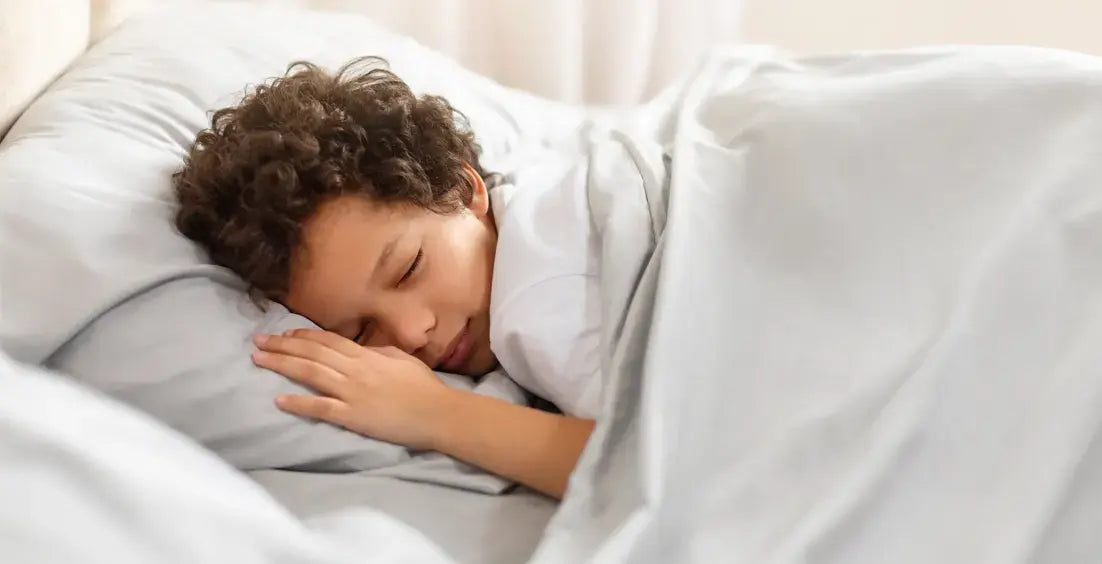
You’ve probably asked yourself at some point: How many hours of sleep does a kid need? It’s a common question and an important one.
Kids are yet to fully become adults and thus they are continuously aren’t just smaller adults; they’re still growing, learning, and developing. That means sleep is more than just rest for them; it’s fuel for their brains and bodies.
In a study published early in 2021, researchers found that 36.4% of American children aged 6 to 12 were not getting enough sleep.
For teens between 13 and 17, it was 31.9%. That’s a big deal. Lack of sleep can lead to trouble focusing in school, mood swings, and even long-term health issues.
This article breaks it all down: how many hours a kid needs to sleep, how those numbers change with age, and what to do if your child isn’t getting enough sleep.
Key Takeaways
- Kids need enough sleep to support growth, brain development, and strong immune health.
- Not getting enough sleep can lead to mood swings, poor focus, and health risks like obesity.
- The number of hours of sleep kids need depends on their age, ranging from 9 to 17 hours daily.
- How much sleep kids need isn’t just a number; quality and routine matter too.
Why Is Sleep So Important for Kids?
Kids use up a lot of energy every day. Between school, play, learning new things, and handling emotions, their minds and bodies are always working. Sleep is what helps them recover and stay ready for the next day.
So, how many hours of sleep do kids need to keep up with all that? More than many are getting. Good sleep helps kids focus in school, stay in a better mood, and fight off sickness. It supports their brain, their body, and even their immune system.
Without enough sleep, it gets harder for kids to control their emotions or pay attention. That’s why parents need to understand how much sleep their kids need and do what they can to help them get it, because a well-rested child is more likely to succeed and feel good doing it.
Dr. Lisa Meltzer, Pediatric Sleep Specialist, says,
Consistent, quality sleep supports not only a child’s physical and emotional growth but also their ability to focus, learn, and manage stress. Without proper rest, their academic and social skills can suffer.

How Much Sleep Do Kids Need by Age?
Sleep helps kids grow, think clearly, and feel their best. But how many hours of sleep do kids need each day? The answer depends on their age. Younger children need more rest because their bodies and brains are still developing quickly.
The National Sleep Foundation recommends the following guidelines for kids’ sleep at every stage of their growth.
Newborns and Infants (0 to 12 months)
Newborns and infants need about 14 to 17 hours of sleep a day. This includes naps during the day and nighttime sleep. Their sleep doesn’t follow a set pattern at first, but by 6 months, many babies start sleeping longer at night. Babies who were born early may need even more rest.
Toddlers (1 to 2 years)
Toddlers need between 11 and 14 hours of sleep each day. This includes one or two naps. At this age, sleep helps with learning to talk, walk, and handle emotions. Kids who don’t sleep enough may be fussier, throw more tantrums, or struggle to stay focused on simple tasks.
Advertisement


Preschoolers (3 to 5 years)
Preschoolers should sleep around 10 to 13 hours a day. Some kids still take naps, while others may only sleep at night. So, preschoolers should sleep enough to stay alert, learn new things, and enjoy their day without meltdowns or mood swings.
Elementary School Kids (6 to 12 years)
Children in this age group need 9 to 12 hours of sleep per night. That may sound like a lot, but school, homework, and after-school activities all take energy. Without enough sleep, kids may struggle to pay attention, stay calm, or perform well in class. Sleep also helps with memory and physical health.
Teenagers (13 to 17 years)
Teens need about 8 to 10 hours of sleep each night, but most aren’t getting enough. For many teens, their natural sleep pattern favors going to bed late and, consequently, sleeping late into the morning. Since school often starts early, they end up missing sleep during the week.
Unsure about your child's sleep needs? This video outlines the sleep requirements by age, helping parents ensure their kids get the rest they need for healthy growth and development!
Signs Your Child Isn’t Getting Enough Sleep
It’s not always easy to tell when a child is missing sleep. Some kids don’t say they’re tired, they show it in other ways. One common sign is morning struggles.
If your child has a hard time waking up, hits the snooze button more than once, or needs help getting out of bed, they might not be getting enough sleep.
Tired kids may also seem extra cranky or moody during the day. Some get angry quickly or cry over small things.
Others act more hyper than usual, which can confuse parents. A 2019 review noted that many children with poor sleep showed ADHD-like symptoms.
You might also notice that your child needs naps well past the age most kids stop taking them. Or maybe they “crash” right after school or fall asleep early without meaning to. If weekends turn into long sleep-ins, it could mean they’re catching up from sleep loss during the week.
Sleep affects everything from focus to mood to how well your child handles stress. So, if they’re forgetting things, zoning out, or falling behind in school, poor sleep could be the reason.
Advertisement


How Can I Help My Child Sleep?
So, how can you help your child get enough sleep? Well, here’s how:
- Start with a consistent bedtime. Going to bed and waking up at the same time every day, even during weekends, can help your child’s body know when it’s time to rest. Avoid letting bedtime shift too much, especially during school nights.
- Cut back on screen time before bed. The light from phones, tablets, or TVs can confuse the brain, making it harder to fall asleep. Try turning off electronics at least an hour before sleep.
- Think about the sleep space. A calm, quiet, and dark room at 60 to 67° F (15 to 19° C) helps kids fall asleep faster and stay asleep longer. Make sure their mattress and pillows are comfortable. If their room feels cluttered or noisy, help them tidy up and create a calm spot just for rest.
- Finally, help them wind down with a routine. This might mean reading a book, brushing teeth, or laying out clothes for the next day. Simple habits like these can signal to the brain that it’s time to settle down.
Also Read:
Conclusion
Sleep is one of the most important things for a child’s health. It affects how they grow, learn, and feel each day. Kids who sleep well are more likely to focus in school, stay calm during challenging moments, and enjoy their day without feeling tired.
If a child doesn’t get enough sleep, it shows up in many ways. They may get upset easily, forget things, or have trouble paying attention. And even if they seem okay, a lack of sleep can slowly build up and lead to bigger problems over time.
The good part is that parents can help. Simple things like setting a regular bedtime, turning off screens early, and making the bedroom quiet and cozy can go a long way. These small habits can help your child fall asleep faster and wake up ready for the day.
Advertisement


FAQs
This article is for informational purposes only and is not a substitute for professional medical advice, diagnosis, or treatment. Statements made on this website have not been evaluated by the U.S. Food and Drug Administration. Always consult a qualified healthcare professional before making changes to your diet, supplements, medications, or healthcare routine.
Our Top Picks


Night Calm - Advanced Sleep Formula

References
WOWMD follows strict sourcing guidelines to ensure the accuracy of its content, outlined in our editorial policy. We use only trustworthy sources, including peer-reviewed studies, qualified experts, and information from top institutions.


- Sounding the Alarm on Sleep: A Negative Association Between Inadequate Sleep and Flourishing https://pubmed.ncbi.nlm.nih.gov/32890581/
- National Sleep Foundation's sleep time duration recommendations: methodology and results summary https://pubmed.ncbi.nlm.nih.gov/29073412/
- Adolescent Changes in the Homeostatic and Circadian Regulation of Sleep https://pmc.ncbi.nlm.nih.gov/articles/PMC2820578/#sec1_3title
- Poor Sleep Has Negative Implications for Children With and Without ADHD, but in Different Ways https://pubmed.ncbi.nlm.nih.gov/29072500/
- What’s the Best Temperature for Sleep? https://health.clevelandclinic.org/what-is-the-ideal-sleeping-temperature-for-my-bedroom